
Considering a hair transplant is a significant decision, especially for men who prefer or need to maintain short hairstyles. The concern is often about whether the results will appear natural and undetectable when the hair is kept short. This guide is designed for mature individuals, typically aged 35 and above, who are contemplating hair restoration and are looking for clear, objective information. We aim to demystify the process and help you understand what realistic, aesthetically pleasing outcomes look like when paired with shorter haircuts. You will learn about the factors influencing the natural appearance of transplanted hair, the planning involved, and what to expect regarding the long-term look and feel of your hair.
Many men opt for shorter hairstyles for convenience, style, or professional reasons. When hair thinning or loss becomes noticeable, the desire to address it without compromising one’s preferred style is paramount. This often leads to questions about the capabilities of modern hair transplant techniques. The key to a successful outcome, particularly with short hair, lies in meticulous planning and execution by experienced professionals. It’s about creating a result that looks genuinely like your own natural hair growth, irrespective of the length.
What this guide will explain:
- Understanding the principles of natural-looking hair transplantation.
- How hairline design and density contribute to undetectability with short hair.
- The importance of donor area management for overall appearance.
- Realistic expectations for the hair restoration process and long-term results.
- Key considerations when choosing a hair transplant for short hairstyles.
The Foundation of Natural Appearance
The perception of naturalness in hair transplantation hinges on several fundamental elements. These aren’t about the procedure itself, but rather the artistry and scientific understanding behind it. For individuals with short hairstyles, these elements become even more critical, as there is less hair to camouflage or blend.
Hairline Design: The Art of Framing the Face
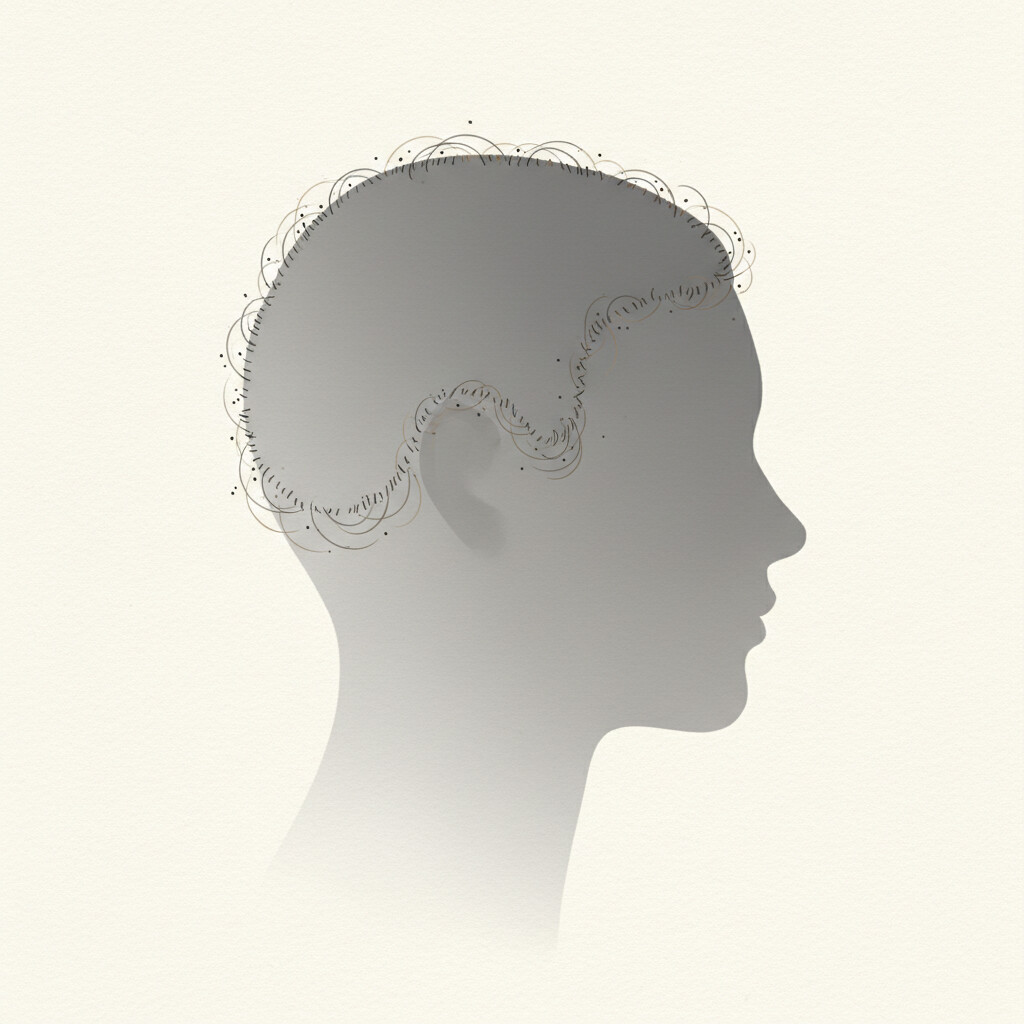
The hairline is arguably the most crucial aspect of a natural-looking hair transplant. A well-designed hairline mimics the natural growth patterns and angles of hair seen in youth. It should have a slightly irregular, soft border rather than a sharp, artificial line. The temples often play a significant role, with subtle curves and a natural recession contributing to a masculine and age-appropriate appearance. For those keeping their hair short, a carefully crafted hairline ensures that even at its shortest, the frame of the face looks balanced and authentic. The angle, direction, and density of the transplanted hairs at the hairline are meticulously planned to match your natural growth.
Density and Distribution: Creating a Believable Illusion
Achieving a natural look isn’t just about placing hairs; it’s about placing them intelligently. The density of transplanted hair needs to be carefully considered. While high density can be desirable, it must be balanced with the available donor hair and the surrounding native hair. In areas where native hair is thinning but still present, transplanting with a slightly lower density, mimicking the natural sparseness, can create a more convincing illusion. The goal is to restore coverage and fullness without appearing overly dense or artificial. For short hairstyles, this careful distribution ensures that the transition from transplanted to native hair is seamless and imperceptible.
Graft Placement and Angulation
Each hair follicle is placed with attention to its natural angle and direction of growth. This is a painstaking detail that distinguishes a natural result from an artificial one. When hair is cut short, these angles become more apparent. Professionals use their expertise to ensure each graft integrates seamlessly with the surrounding hair, growing in the same direction and at the same angle. This meticulous attention to detail ensures that when the hair is styled short, it lies naturally and looks like it has always grown that way.
Practical Considerations for Short Hairstyles
When opting for a hair transplant with the intention of maintaining short hair, several practical aspects warrant consideration. These relate to the planning phase, the process itself, and the long-term outcome.
Treatment Planning and Consultation
During the consultation, it’s vital to communicate your preference for short hairstyles clearly to your surgeon. Discuss your typical haircut length and style. The surgeon will assess your donor area (the source of healthy hair follicles) to determine the number of grafts available and the best strategy for achieving your desired density and coverage. They will also simulate potential hairline designs and discuss how these would look with your preferred short haircut. This collaborative approach ensures that the treatment plan is tailored to your aesthetic goals and lifestyle.

The Hair Restoration Process: Comfort and Discretion
Modern hair transplant techniques are designed to be as comfortable and discreet as possible. While the specifics of the procedure involve medical details, the focus for patients is on the experience. Professionals strive to ensure patient comfort throughout the process. The recovery period is managed with guidance on maintaining the treated areas, and the overall aim is to allow for a return to normal activities, including styling your hair as you prefer, once cleared by your medical team. The goal is a discreet restoration that enhances your appearance without drawing undue attention to the treatment itself.
Realistic Timelines and Outcome Evolution
It’s important to understand that hair transplantation is a gradual process. Transplanted hairs typically begin to show noticeable growth within a few months, with significant results emerging over 12-18 months. For individuals with short hairstyles, the gradual regrowth can be easily managed within their styling routine. The density and fullness continue to improve over time, creating a progressively natural appearance. Patience is key, as the final, mature results take time to fully develop. This natural evolution helps ensure the outcome appears organic and not as a sudden, drastic change.
Long-Term Natural-Looking Outcomes
The ultimate goal is a result that looks and feels like your own hair, year after year. With proper technique and planning, hair transplants can provide permanent, natural-looking results that are compatible with short hairstyles. The transplanted hair follicles are typically resistant to balding, meaning they will continue to grow for a lifetime. This longevity is a key benefit, allowing you to maintain your preferred short style with confidence, knowing that your restored hair looks authentic and age-appropriate.

Common Questions About Hair Transplants and Short Hair
Q1: Will people be able to tell I’ve had a hair transplant if I wear my hair short?
With advanced techniques and meticulous planning focused on natural hairline design, density, and graft angulation, the goal is for the results to be undetectable. Experienced surgeons prioritize creating a seamless blend with your existing hair, ensuring that even with short styles, the outcome appears entirely natural and like your own hair growth. The focus is on aesthetic artistry.
Q2: How long do I need to wait before I can get my hair cut short after a transplant?
Your surgeon will provide specific post-operative instructions. Generally, there’s a period during which the transplanted areas need to heal undisturbed. You can typically resume trimming your hair after a few weeks to a couple of months, depending on the specific procedure and your surgeon’s advice. They will guide you on when it’s safe to have your hair cut to your desired short style.
Q3: Can a hair transplant address thinning all over, or is it mainly for hairlines?
Hair transplantation can effectively address thinning in various areas, including the hairline, crown, and mid-scalp. The technique involves carefully selecting donor hair and placing it strategically to restore density where needed. The extent of coverage depends on the amount of available donor hair and the individual’s hair loss pattern. A thorough consultation will determine the best approach for your specific situation.
Q4: What if my donor hair is limited? Can I still achieve a natural look with short hair?
Even with limited donor hair, a skilled surgeon can achieve natural results by focusing on strategic placement and prioritizing key areas, such as the hairline. Sometimes, a less dense but well-designed restoration can look more natural than an attempt to achieve very high density throughout. The focus shifts to optimizing the appearance with the available resources, ensuring the outcome is aesthetically pleasing and believable with short hair.
Discussion Section
We understand that deciding on a hair restoration journey involves weighing many factors, especially when considering how it will integrate with your preferred short hairstyle. Sharing experiences can offer valuable insights for others contemplating this path.
- For those who have undergone hair transplantation and maintain short hairstyles, what were the most important factors that contributed to your satisfaction with the final results?
- How did you approach discussing your preference for short hairstyles with your hair restoration specialist during the consultation phase?
- Beyond the technical aspects, what impact has achieving a natural-looking result (that complements your short hair) had on your overall confidence?
Medical Disclaimer
This content is intended for informational purposes only and does not constitute medical advice. Hair transplantation is a medical procedure, and individual results can vary significantly. It is essential to consult with a qualified and experienced hair restoration specialist to assess your specific condition, discuss your goals, and determine the most appropriate treatment plan for you. The information provided here should not be used as a substitute for professional medical evaluation or treatment.