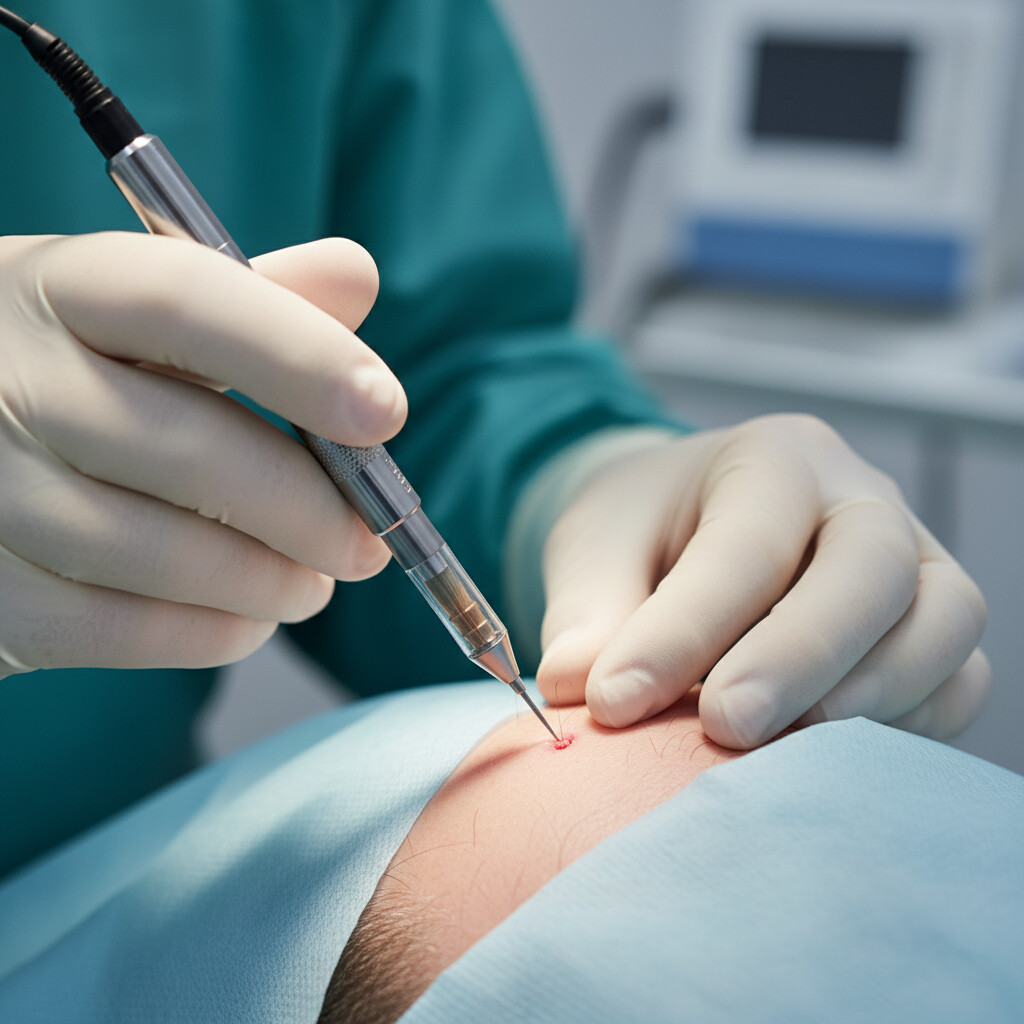
Considering a hair transplant can be a significant decision, and understanding the different techniques available is crucial for making an informed choice. Among the various methods, Direct Hair Implantation (DHI) has gained considerable popularity due to its specific advantages. This article delves into the key benefits of DHI, focusing on its potential for faster recovery and significantly reduced bleeding compared to traditional methods. We aim to provide a comprehensive overview for individuals contemplating this procedure.
What is Direct Hair Implantation (DHI)?
DHI is an advanced hair transplantation technique that builds upon the principles of Follicular Unit Extraction (FUE). In FUE, hair follicles are individually extracted from a donor area (typically the back or sides of the head) and then implanted into the thinning or balding areas. DHI refines this process by using a specialized tool called a ‘choi implanter pen’. This pen not only creates the recipient site for the follicle but also implants the follicle simultaneously. This dual action allows for greater precision and control over the angle, depth, and direction of each implanted hair, mimicking natural hair growth patterns more closely.
Key Advantages of DHI:
- Faster Recovery Time: One of the most sought-after benefits of DHI is its potential for quicker healing.
- Minimal Bleeding: The precision of the Choi implanter pen leads to less trauma to the scalp, resulting in reduced bleeding.
- High Graft Survival Rate: The controlled implantation environment helps protect the vitality of the transplanted follicles.
- Natural-Looking Results: Precise control over implantation angles and depth leads to a more natural aesthetic.
- Less Scarring: Due to the small diameter of the Choi implanter needle, scarring is minimized.
Understanding the Recovery Process with DHI
Traditional hair transplant methods often involve making small incisions or channels in the scalp to receive the follicular units. While effective, this can sometimes lead to a longer recovery period and a slightly higher risk of bleeding. DHI’s innovative approach with the Choi implanter pen changes this dynamic.
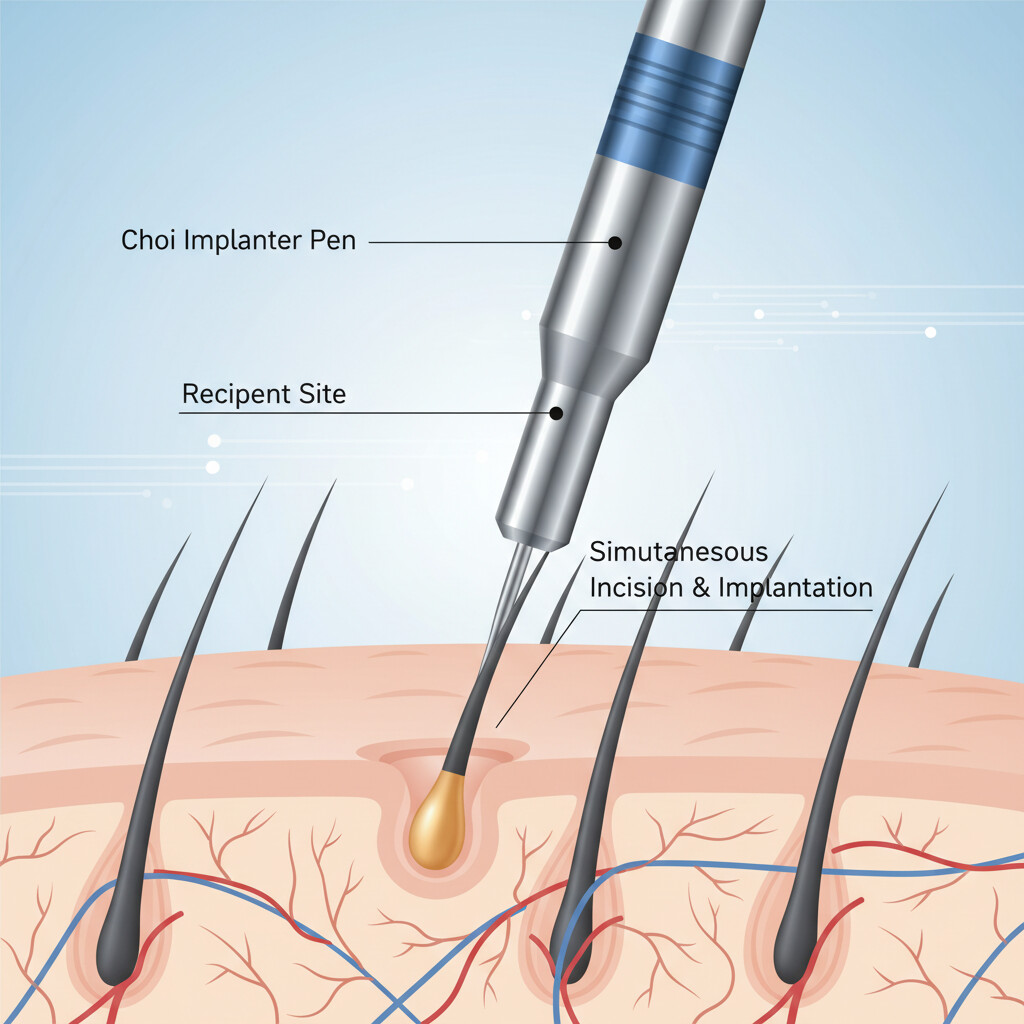
In DHI, the Choi implanter pen has a sharp, hollow needle. When the pen is used to implant a follicle, it simultaneously creates a tiny incision (recipient site) of the same diameter as the needle and places the follicle within it. This ‘no-touch’ technique, where the follicle is loaded into the pen and then implanted directly, significantly minimizes the manipulation and exposure of the graft. Less manipulation means less trauma to the scalp tissues.
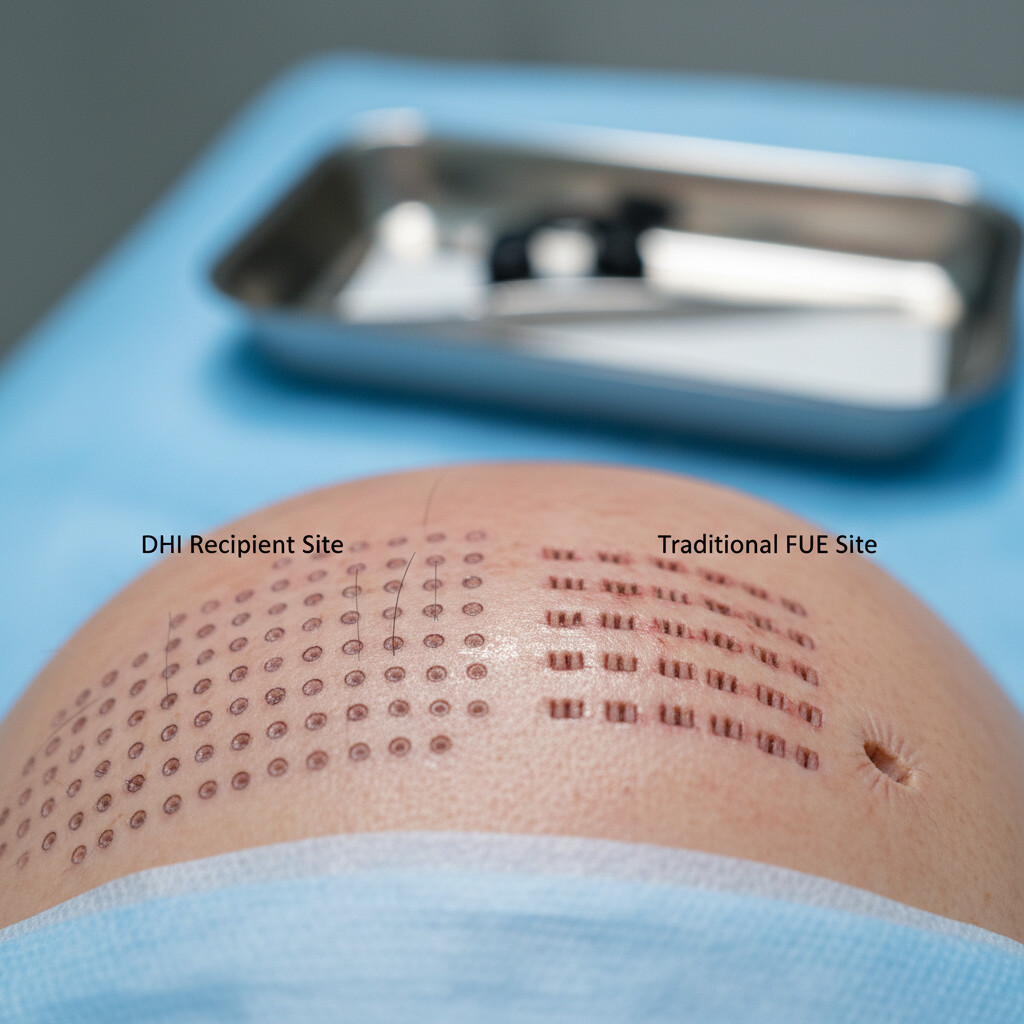
This reduced trauma translates directly into a faster recovery. Patients undergoing DHI often report experiencing less swelling and discomfort in the days and weeks following the procedure compared to other methods. The tiny wounds heal more rapidly because the skin has been disturbed minimally. While all surgical procedures require some downtime, DHI’s nature allows many individuals to return to their normal daily activities sooner than they might with older techniques. It’s common for the initial redness and minor crusting to subside within a week to ten days, allowing the scalp to look significantly improved.
The Benefit of Reduced Bleeding
Bleeding during and after a hair transplant procedure is a natural response as the scalp is rich in blood vessels. However, excessive bleeding can complicate the healing process and potentially affect graft survival. DHI’s primary advantage in this regard is its precision. The Choi implanter pen creates very small, controlled openings for each follicle.
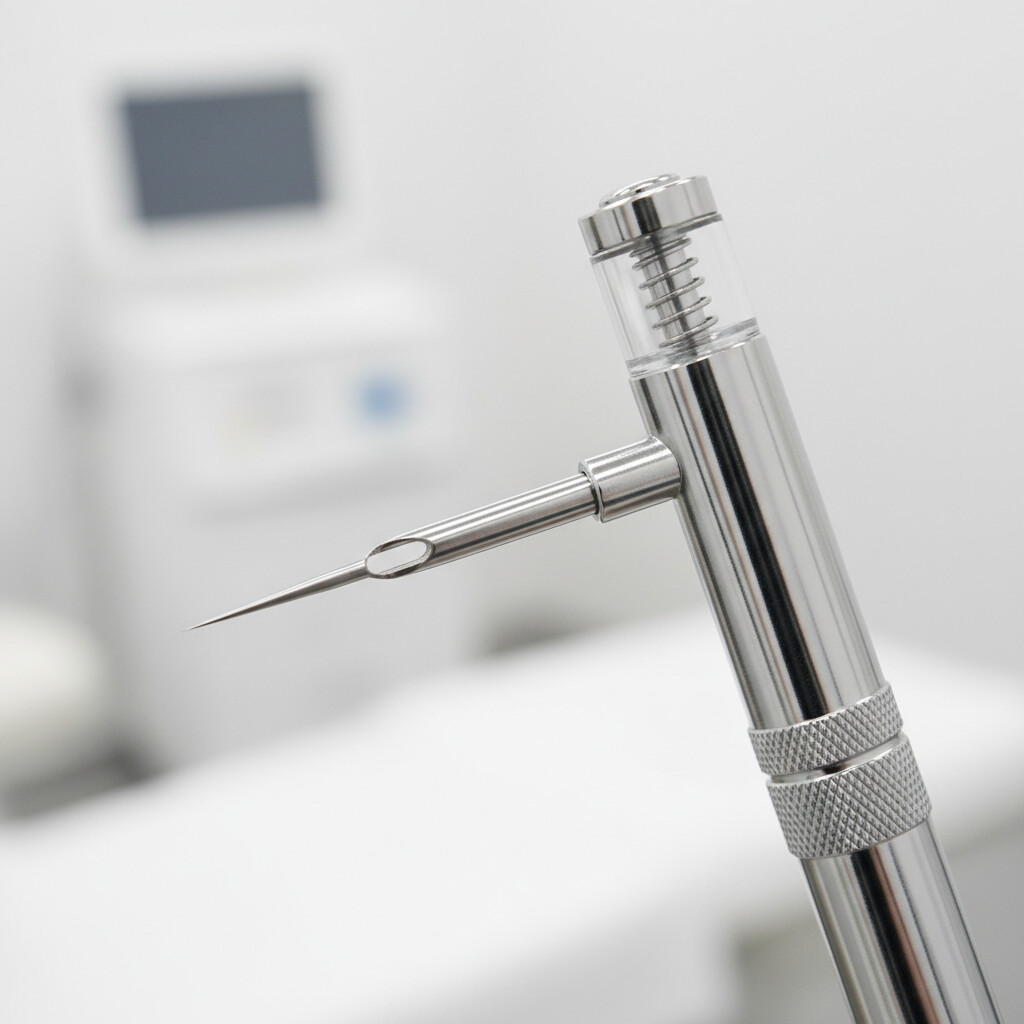
Because the needle’s diameter is precisely matched to the follicular unit being implanted, the openings are perfectly sized. This minimizes unnecessary damage to the surrounding capillaries and tissues. The simultaneous implantation also means that the area is not subjected to multiple steps of incision creation followed by implantation, reducing the overall surgical insult. Consequently, patients undergoing DHI typically experience significantly less bleeding during the surgery and in the immediate post-operative period. This not only contributes to a more comfortable experience but also aids in quicker wound closure and a lower risk of complications like infection.
Graft Survival and Natural Aesthetics
Beyond recovery speed and bleeding, DHI offers distinct advantages in ensuring the viability of transplanted grafts and achieving natural-looking results. The Choi implanter pen allows the surgeon to control the depth, angle, and orientation of each hair follicle with exceptional accuracy. This is critical for mimicking the natural growth patterns of hair. When hairs are implanted at the correct angle and density, the result appears seamless and undetectable as a transplant.
Furthermore, the ‘no-touch’ technique, where grafts are loaded directly into the implanter pen and immediately transplanted, minimizes the time the follicles are outside the body. This reduced ‘out-of-body’ time is crucial for maintaining the health and viability of the hair follicles, leading to higher graft survival rates and ultimately, denser and more robust results. The precision also allows for the creation of a natural hairline that is difficult to achieve with less controlled methods.
Who is a Good Candidate for DHI?
DHI is a versatile technique suitable for a wide range of patients experiencing hair loss, including men and women. It is particularly beneficial for those who:
- Desire a faster recovery time.
- Are concerned about bleeding and swelling.
- Seek the most natural-looking hairline and results.
- Have limited donor hair and want to maximize the viability of each follicle.
- May have had previous procedures and are looking for a refined approach.
It is essential to consult with a qualified and experienced hair transplant surgeon to determine if DHI is the best option for your specific needs and hair loss pattern. A thorough evaluation of your donor hair, hair loss extent, and overall health will guide the surgeon in recommending the most appropriate technique.
Conclusion
Direct Hair Implantation (DHI) represents a significant advancement in hair transplantation technology. Its ability to provide a faster recovery period, coupled with minimal bleeding and a high graft survival rate, makes it an attractive option for many individuals seeking to restore their hair. The precision offered by the Choi implanter pen ensures natural-looking results, making DHI a leading choice for those prioritizing both efficacy and a smooth recovery experience. By understanding these advantages, you can have a more informed discussion with your surgeon and confidently pursue the hair restoration journey that best suits you.