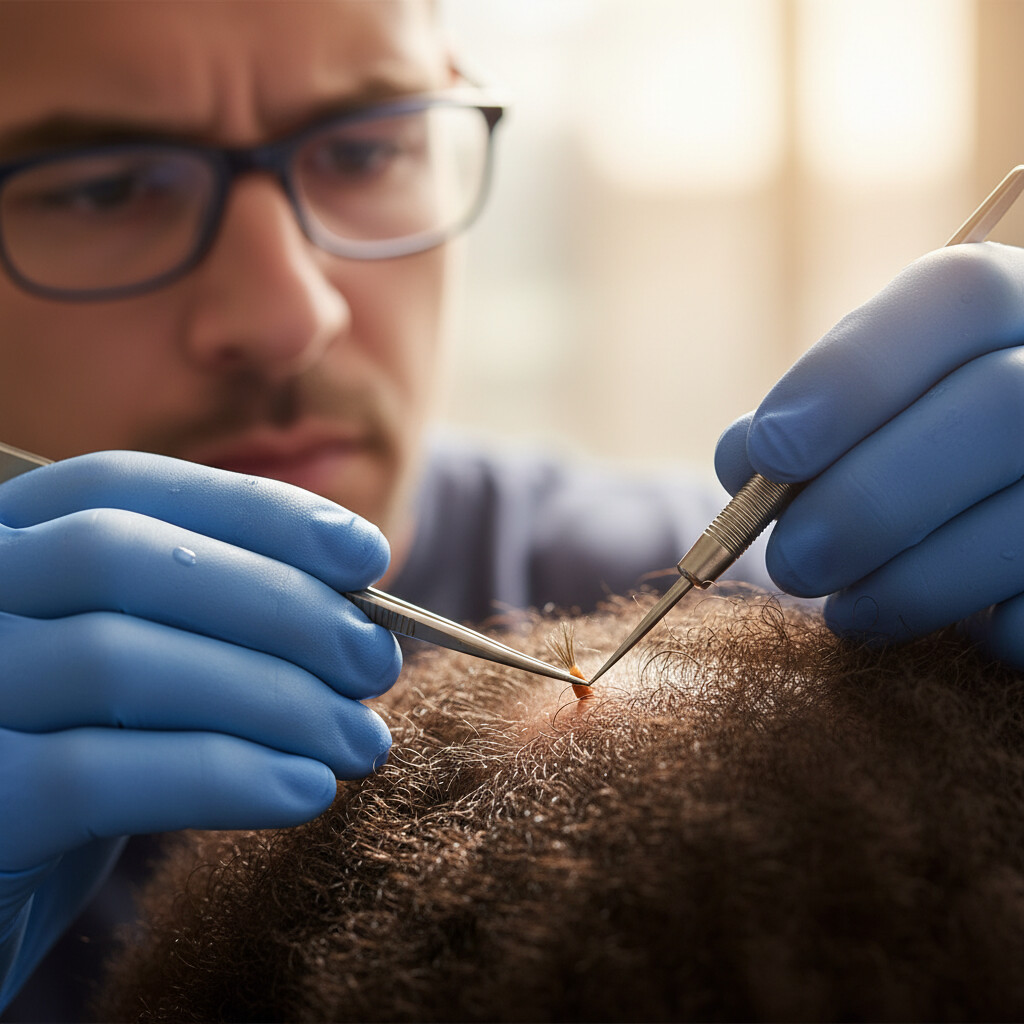
Considering a hair transplant can be a significant decision, and for individuals with Afro-textured hair, the process often requires a specialized approach. This is where the Afro Hair Transplant technique, also known as the Afro Technique, comes into play. Unlike hair transplants performed on other hair types, Afro-textured hair presents unique challenges and characteristics that necessitate specific surgical considerations to achieve natural-looking and successful results. This guide aims to provide a comprehensive overview of the Afro Hair Transplant, covering everything from understanding Afro hair to the surgical procedures, recovery, and expected outcomes.
Key Considerations for Afro Hair Transplants:
- Understanding Afro-Textured Hair: Its unique structure, curl patterns, and follicle characteristics.
- Surgical Techniques: Exploring FUE and FUT and their adaptations for Afro hair.
- Donor Area Management: Preserving density and avoiding visible scarring.
- Graft Survival and Growth: Factors influencing successful implantation and natural appearance.
- Pre- and Post-Operative Care: Essential steps for optimal healing and results.
- Choosing the Right Surgeon: The importance of experience with ethnic hair.
What Makes Afro-Textured Hair Unique?
Afro-textured hair is characterized by its tight curl pattern, which can range from gentle waves to very tight coils. This distinctive structure has significant implications for hair transplantation. Each hair follicle, when viewed under a microscope, is often oval-shaped and grows at an angle, with the curve of the hair emerging from the scalp. The hair shaft itself is also flatter and more elliptical compared to Caucasian or Asian hair.
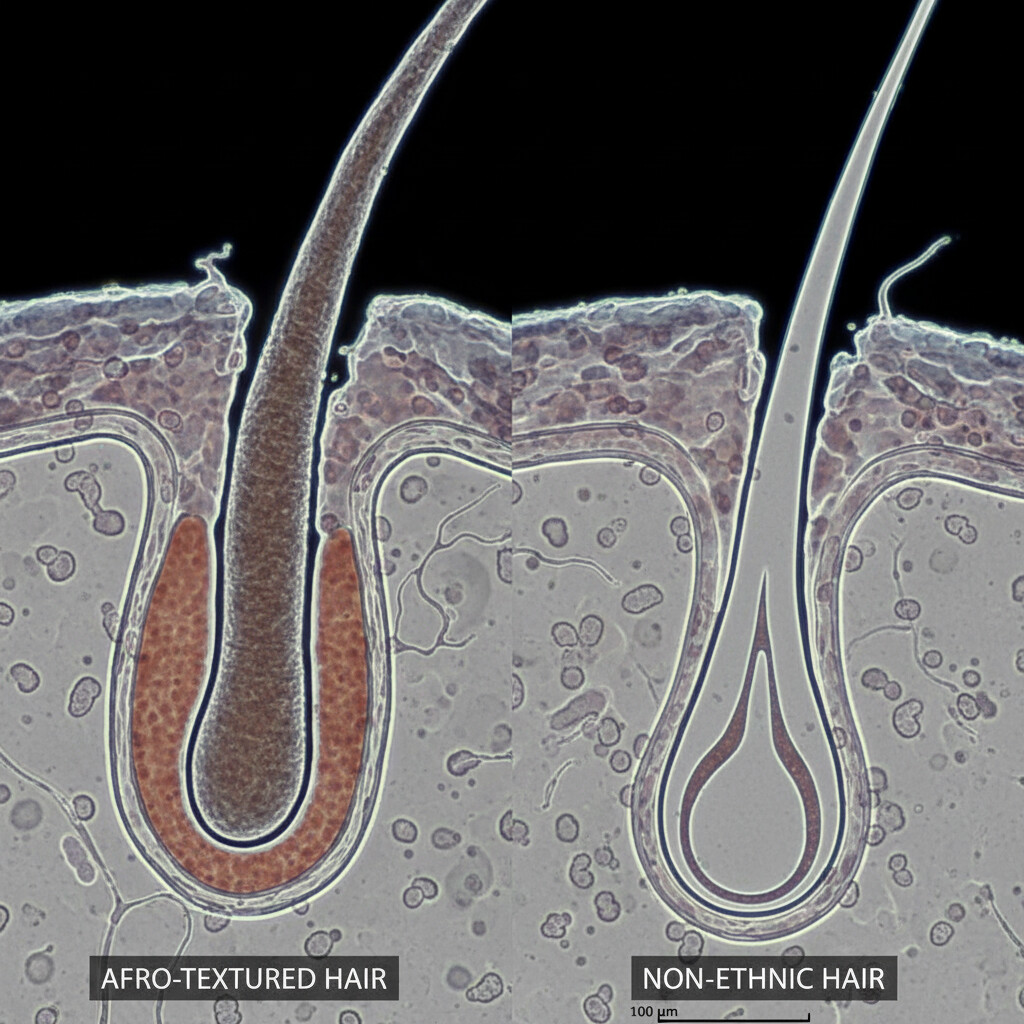
This tightly coiled structure extends beneath the scalp, meaning the hair root (or bulb) is also curved. This characteristic makes the extraction of follicular units more delicate. If not handled with extreme care, the curved root can be easily transected (cut) during the extraction process, leading to graft damage and reduced viability. Furthermore, Afro-textured hair tends to be drier and more prone to breakage, requiring meticulous handling throughout the procedure.
Surgical Techniques: FUE and FUT Adapted for Afro Hair
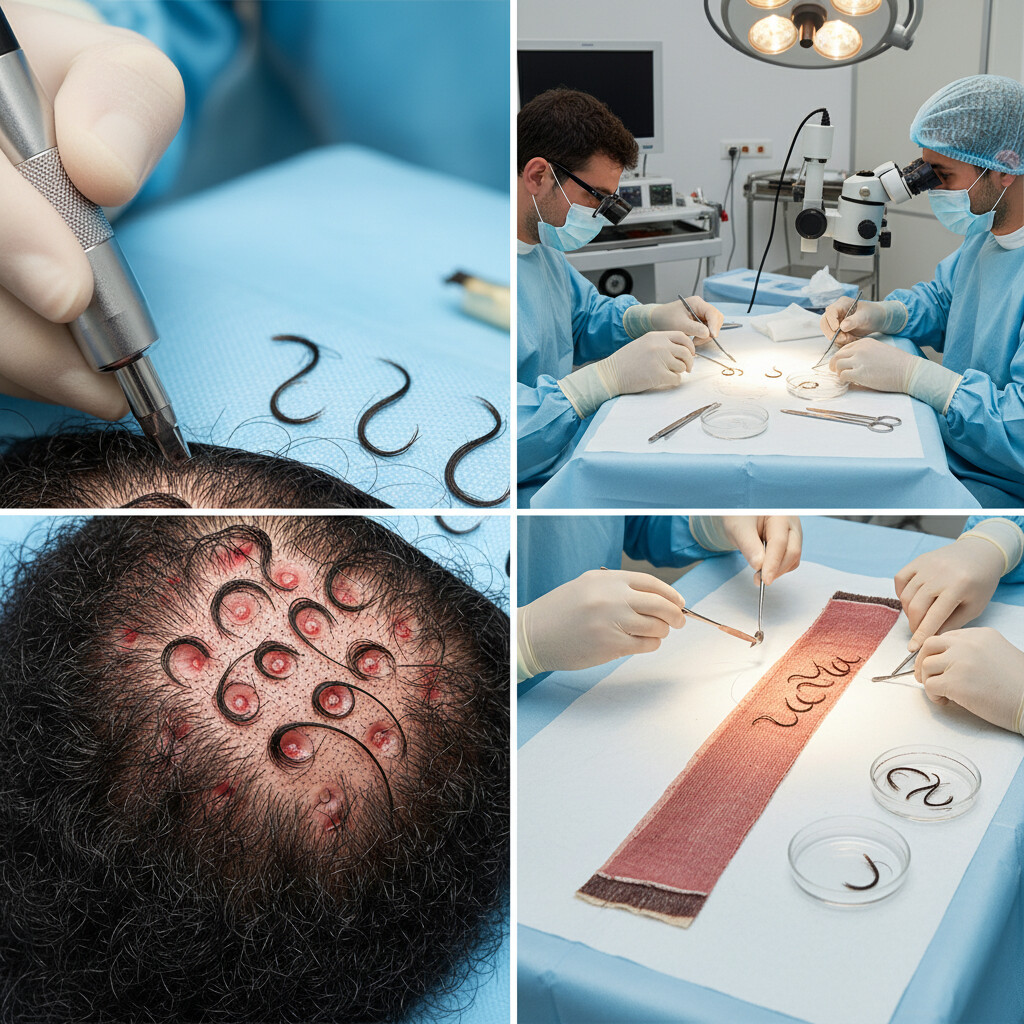
Two primary surgical techniques are used for hair transplantation: Follicular Unit Transplantation (FUT) and Follicular Unit Extraction (FUE). Both can be adapted for Afro-textured hair, but the specific challenges require modifications and heightened skill from the surgeon.
1. Follicular Unit Transplantation (FUT) for Afro Hair:
FUT, often referred to as the strip method, involves removing a thin strip of scalp from the donor area, which is then dissected under microscopes into individual follicular units for transplantation. For Afro hair, the primary concern with FUT is scarring. While FUT typically leaves a linear scar, the tight curls of Afro hair can sometimes help to camouflage this scar naturally, especially if the hair is kept at a reasonable length. However, surgeons must be adept at closing the wound meticulously to minimize tension and promote healing. The dissection process also requires specialized tools and techniques to avoid damaging the curved follicular units.
2. Follicular Unit Extraction (FUE) for Afro Hair:
FUE involves extracting individual follicular units directly from the donor area using a small, circular punch. This method leaves tiny, dot-like scars that are generally less noticeable than a linear scar from FUT, making it a popular choice for individuals who prefer shorter hairstyles. However, FUE presents unique challenges with Afro hair:
- Extraction Difficulty: The curved nature of the hair root makes it harder to extract intact follicular units without transection. Specialized tools, such as longer or specifically angled punches, and a highly skilled extraction technique are crucial.
- Low Transection Rate: The surgeon’s ability to achieve a low transection rate (damage to the hair root during extraction) is paramount. This often means longer extraction times and a more deliberate approach.
- Shaving the Donor Area: FUE typically requires shaving the donor area. For individuals with Afro hair, this can be a significant concern due to potential visibility issues. Techniques like ‘shaved-in’ FUE, where only small sections are shaved and disguised within longer hair, can be employed, but require advanced skill.
Donor Area Management
The donor area, typically the back and sides of the scalp, is where healthy hair follicles are harvested. For individuals with Afro hair, careful donor area management is critical for several reasons:
- Maintaining Natural Density: To avoid a visibly thinned or patchy appearance in the donor area, surgeons must ensure they don’t over-harvest. This means understanding the density of Afro-textured hair and planning the harvest accordingly.
- Scarring and Camouflage: As mentioned, the natural curl of Afro hair can aid in scar camouflage. However, the skill of the surgeon in creating minimal trauma during extraction (FUE) or in suturing the wound (FUT) is still vital.
- Ethnic Considerations: Some individuals of African descent may have a naturally lower scalp elasticity, which can influence the feasibility and outcome of FUT. A thorough assessment is necessary.
Graft Survival and Natural Appearance
The ultimate goal of any hair transplant is to achieve a full, natural-looking head of hair. Several factors contribute to successful graft survival and an aesthetically pleasing outcome for Afro hair transplants:
- Handling of Grafts: The harvested follicular units must be kept moist and viable until they are implanted. This requires a specialized preservation solution and careful handling by the surgical team.
- Implantation Technique: The angle, direction, and depth of implantation are crucial for achieving a natural hairline and density. Surgeons experienced with Afro hair understand how to place grafts to mimic the natural growth pattern of coiled hair.
- Recipient Area Preparation: The recipient sites must be created with precision to accommodate the follicular units and ensure proper blood supply for healing.
Pre- and Post-Operative Care
Proper care before and after the procedure is as important as the surgery itself for ensuring optimal results and minimizing complications.
Pre-Operative:
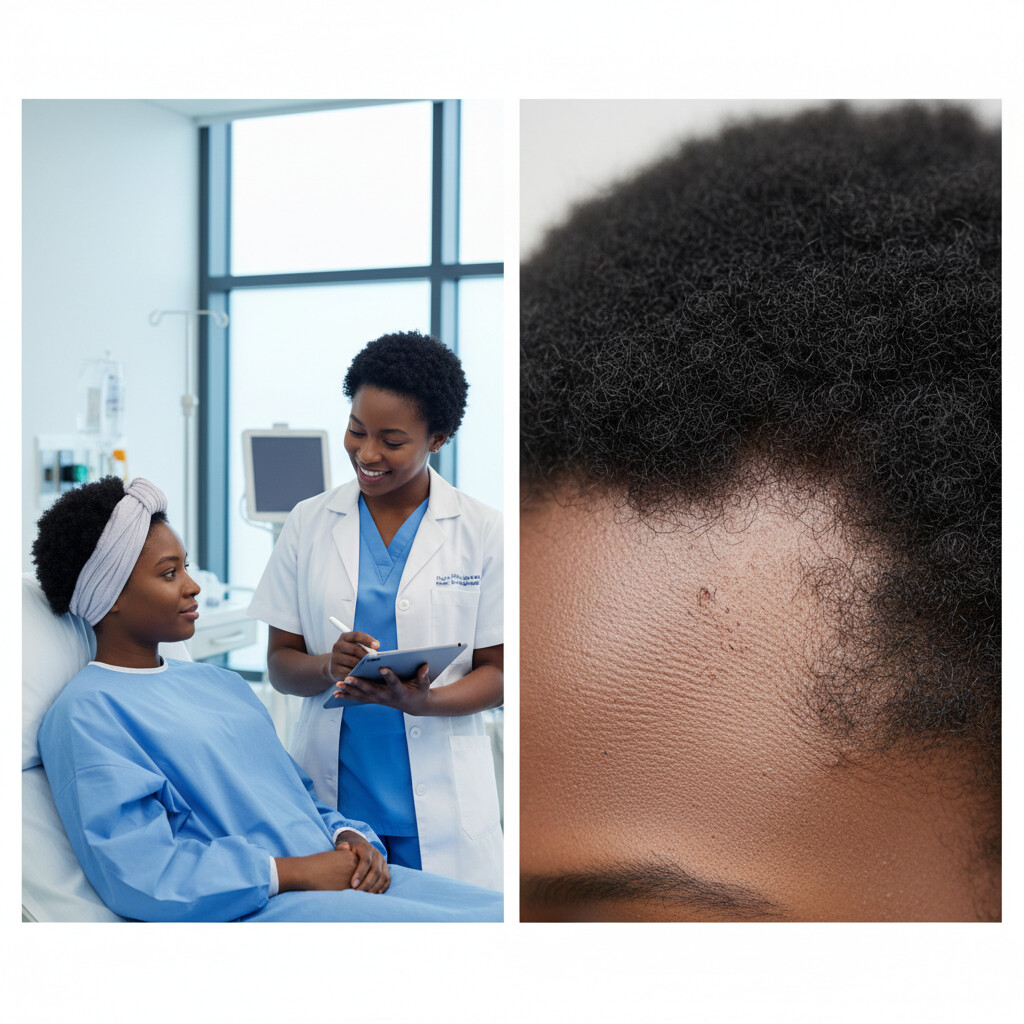
- Consultation: A thorough consultation with an experienced surgeon is the first step. Discuss your hair loss, expectations, medical history, and any medications you are taking. The surgeon will assess your donor area and hair characteristics.
- Medications: Avoid blood-thinning medications (like aspirin) and certain supplements for a period before surgery as advised by your doctor.
- Hair Care: Follow any specific hair care instructions given by the clinic.
Post-Operative:
- Rest: Allow for adequate rest in the days following the procedure.
- Wound Care: Follow the clinic’s instructions for cleaning the recipient and donor areas to prevent infection and promote healing.
- Avoidance: Refrain from strenuous activity, direct sun exposure, and touching or scratching the transplanted areas.
- Medications: Take any prescribed medications (e.g., antibiotics, pain relievers) as directed.
- Hair Washing: Gentle washing routines will be recommended, often starting a day or two after surgery.
- Patience: Hair growth is a gradual process. Initial shedding of transplanted hairs is normal, followed by new growth typically starting around 3-4 months post-surgery.
Choosing the Right Surgeon
This is perhaps the most critical factor for a successful Afro hair transplant. Look for surgeons who explicitly state they have experience and specialize in transplanting ethnic hair, particularly Afro-textured hair. Ask to see before-and-after photos of their previous Afro hair transplant patients. Inquire about their success rates, their approach to managing curved follicular units, and their techniques for minimizing scarring. A surgeon who understands the nuances of Afro hair will be better equipped to deliver natural-looking results and ensure patient satisfaction.
Conclusion
An Afro hair transplant, often referred to as the Afro Technique, is a specialized procedure tailored to the unique characteristics of ethnic hair. While it presents distinct challenges compared to other hair types, advancements in surgical techniques and the expertise of specialized surgeons ensure that successful and natural-looking results are achievable. By understanding the nuances of Afro-textured hair, the adapted surgical methods, and the importance of meticulous pre- and post-operative care, individuals can make informed decisions on their journey to restoring a fuller head of hair.