
Considering a hair transplant is a significant decision, and meticulous preparation is key to ensuring the best possible outcome. One common question that arises among patients is about the role of alcohol consumption in the pre-operative period. Understanding how long you need to abstain from alcohol before your hair transplant is crucial for minimizing risks and maximizing the effectiveness of the procedure.
This guide will walk you through the essential aspects of alcohol and hair transplantation, covering why abstaining is important, recommended timelines, and what to expect.
Key Points to Consider:
- Understanding Alcohol’s Impact on Healing: Delve into how alcohol affects the body’s natural healing processes.
- The Risks of Pre-Operative Drinking: Explore specific complications that can arise from consuming alcohol before surgery.
- Recommended Abstinence Periods: Learn the general guidelines for how long to stop drinking before and after your procedure.
- Alternatives and Managing Cravings: Discover strategies to cope with the urge to drink during the crucial abstinence period.
- Consulting Your Surgeon: Emphasize the importance of personalized advice from your medical professional.
Why Abstain from Alcohol Before a Hair Transplant?
Alcohol, particularly in excessive amounts, can have a detrimental effect on your body’s ability to heal and recover. A hair transplant, while minimally invasive, is still a surgical procedure that requires your body to be in optimal condition for healing and for the transplanted follicles to thrive.
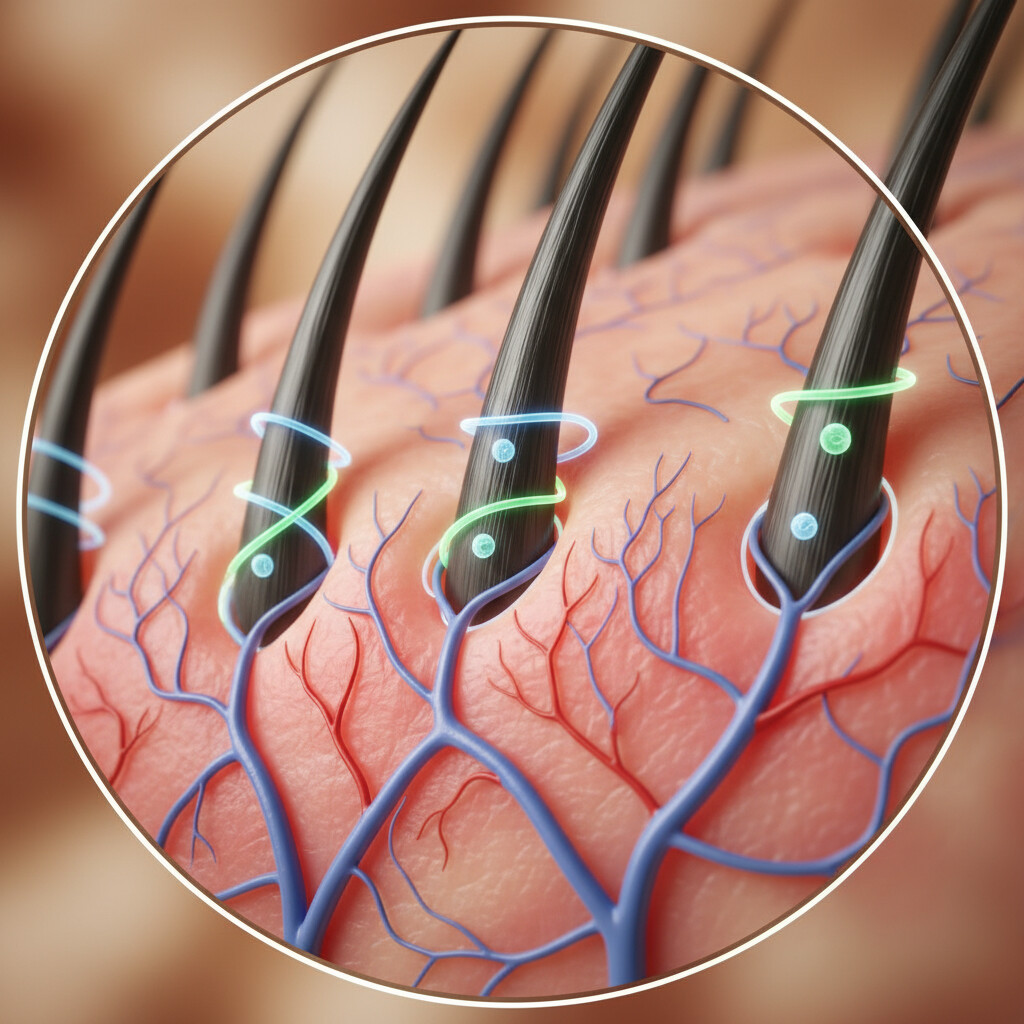
Alcohol is a vasodilator, meaning it widens blood vessels. Before a hair transplant, maintaining good blood circulation is vital for delivering essential nutrients and oxygen to the scalp, which aids in graft survival and minimizes swelling. However, excessive alcohol consumption can lead to increased bleeding during and after the surgery. This heightened risk of bleeding can complicate the procedure, potentially leading to graft displacement, increased bruising, and a prolonged recovery period.
Furthermore, alcohol can interfere with your immune system, making you more susceptible to infections. A healthy immune response is critical for preventing complications and ensuring the surgical site heals properly. By abstaining from alcohol, you allow your body to focus its resources on healing and recovery, reducing the risk of post-operative infections and other adverse events.
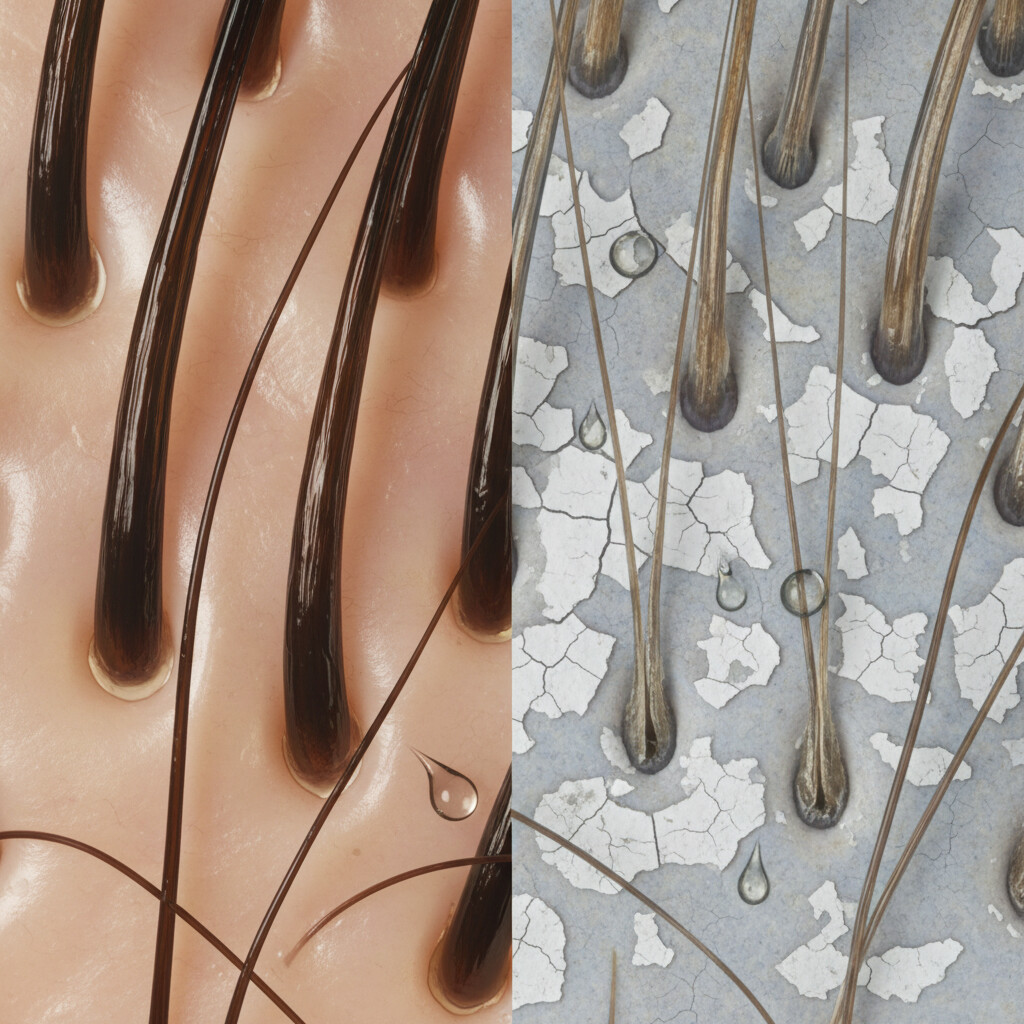
Alcohol also has dehydrating effects. Proper hydration is essential for overall health and plays a significant role in tissue repair. Dehydration can slow down the healing process and negatively impact the skin’s ability to support newly transplanted hair follicles.
The Risks Associated with Pre-Operative Alcohol Consumption
Consuming alcohol in the days or weeks leading up to your hair transplant can introduce several risks that could jeopardize the success of your procedure and your recovery:
- Increased Bleeding: As mentioned, alcohol’s vasodilatory properties can lead to excessive bleeding during the surgery. This can make it difficult for the surgeon to accurately place the grafts and may increase the risk of hematoma formation (blood clots).
- Impaired Healing: Alcohol can slow down the body’s natural healing mechanisms. This means that the incisions on your scalp might take longer to close, and the overall recovery process could be extended.
- Higher Risk of Infection: Alcohol can suppress the immune system, leaving you more vulnerable to bacterial or viral infections at the surgical site. Post-operative infections can lead to scarring, poor graft survival, and require further medical intervention.
- Anesthesia Complications: If you are receiving sedation or local anesthesia, alcohol in your system can interact with these medications, potentially leading to unpredictable and adverse reactions. It’s crucial to inform your anesthesiologist and surgeon about any alcohol consumption.
- Dehydration: Alcohol’s diuretic effect can leave you dehydrated, which is counterproductive to the healing process. Dehydrated tissues are less resilient and may not support the newly transplanted grafts as effectively.
How Long Should You Abstain From Alcohol?
The recommended abstinence period from alcohol before a hair transplant can vary slightly depending on the clinic and the surgeon’s specific protocols. However, a general guideline is advised for optimal results and safety.
Before the Procedure: Most surgeons recommend abstaining from alcohol for at least 48 to 72 hours (2 to 3 days) before your hair transplant surgery. Some may suggest a longer period, such as one week, especially if you are a heavy or regular drinker, to allow your body to fully clear the alcohol and its metabolites.
After the Procedure: The post-operative period is equally critical. It is generally advised to avoid alcohol for at least 7 days after your hair transplant. This allows the initial healing to occur without interference from alcohol’s negative effects. For some patients, especially those with a history of heavy drinking, the surgeon might recommend extending this period to two weeks or more.
It’s essential to understand that these are general guidelines. Your surgeon will provide you with the most accurate and personalized recommendations based on your medical history, the extent of the procedure, and your individual response to surgery. Always follow their specific instructions.
Managing Cravings and Alternatives
For many individuals, abstaining from alcohol, especially for extended periods, can be challenging. If you find yourself struggling with cravings, consider the following strategies:
- Stay Hydrated: Drink plenty of water, herbal teas, or juices. This helps in staying refreshed and can sometimes curb cravings.
- Engage in Distractions: Keep yourself busy with activities you enjoy, such as reading, watching movies, spending time with non-drinking friends, or engaging in light physical activity (as approved by your doctor).
- Seek Support: Talk to your partner, family, or friends about your goal. Their support can be invaluable during this period.
- Healthy Diet: Focus on nutritious meals. A balanced diet can improve your overall well-being and reduce the desire for alcohol.
- Mindfulness and Relaxation Techniques: Practices like deep breathing exercises, meditation, or yoga can help manage stress and reduce the urge to drink.
If you have a history of significant alcohol dependence, it is crucial to discuss this with your surgeon well in advance of your procedure. They may recommend seeking professional help or delaying the surgery until you have achieved a period of sobriety, ensuring your safety and the best possible outcome.

Consulting Your Surgeon: The Most Important Step
While this guide provides general information, the most critical advice regarding alcohol consumption before and after your hair transplant will come directly from your surgeon. They have your complete medical history, understand the specifics of the procedure they will perform, and can assess your individual risk factors.
Do not hesitate to ask your surgeon any questions you may have about alcohol, smoking, medications, or any other lifestyle factors that could affect your hair transplant. Open communication ensures that you are fully prepared and that your surgical team can provide the safest and most effective treatment plan for you.
In summary: Abstaining from alcohol for a period before and after your hair transplant is a vital step in preparing your body for surgery and ensuring optimal healing and graft survival. By following your surgeon’s specific recommendations and taking proactive steps to manage your health, you can significantly contribute to the success of your hair restoration journey.