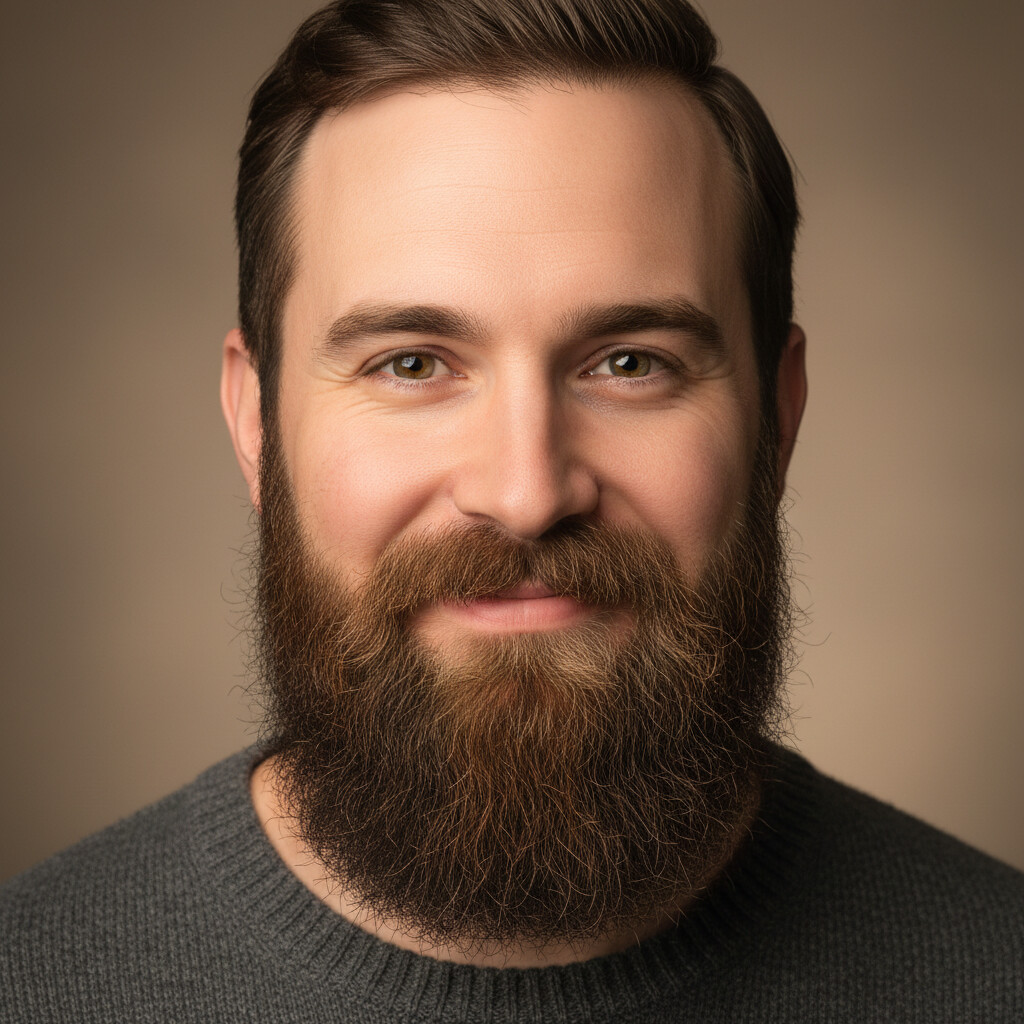
Beard transplantation is a cosmetic procedure that has gained significant popularity among men seeking to enhance their facial hair. Whether you desire a fuller beard, want to cover scars, or are looking to correct patchy growth, beard transplantation offers a viable solution. This guide will delve into the intricacies of the procedure, covering everything from candidacy to recovery and expected outcomes.
Key Aspects of Beard Transplantation:
- Understanding the Procedure: Learn about the different techniques used and what to expect during the surgery.
- Candidacy and Consultation: Determine if you are a suitable candidate and the importance of a thorough consultation.
- The Transplantation Process: A step-by-step look at how beard hair is transplanted.
- Recovery and Aftercare: What to do post-surgery to ensure optimal healing and results.
- Expected Outcomes and Longevity: Understanding the results and how long they typically last.
- Risks and Considerations: A balanced view of potential complications and important factors to weigh.
Understanding Beard Transplantation
Beard transplantation is a surgical procedure that involves harvesting hair follicles from a donor area, typically the back or sides of the scalp where hair is denser and genetically resistant to balding, and implanting them into areas of the beard where hair is sparse, absent, or scarred. The goal is to create a natural-looking beard that matches the patient’s desired density and pattern.
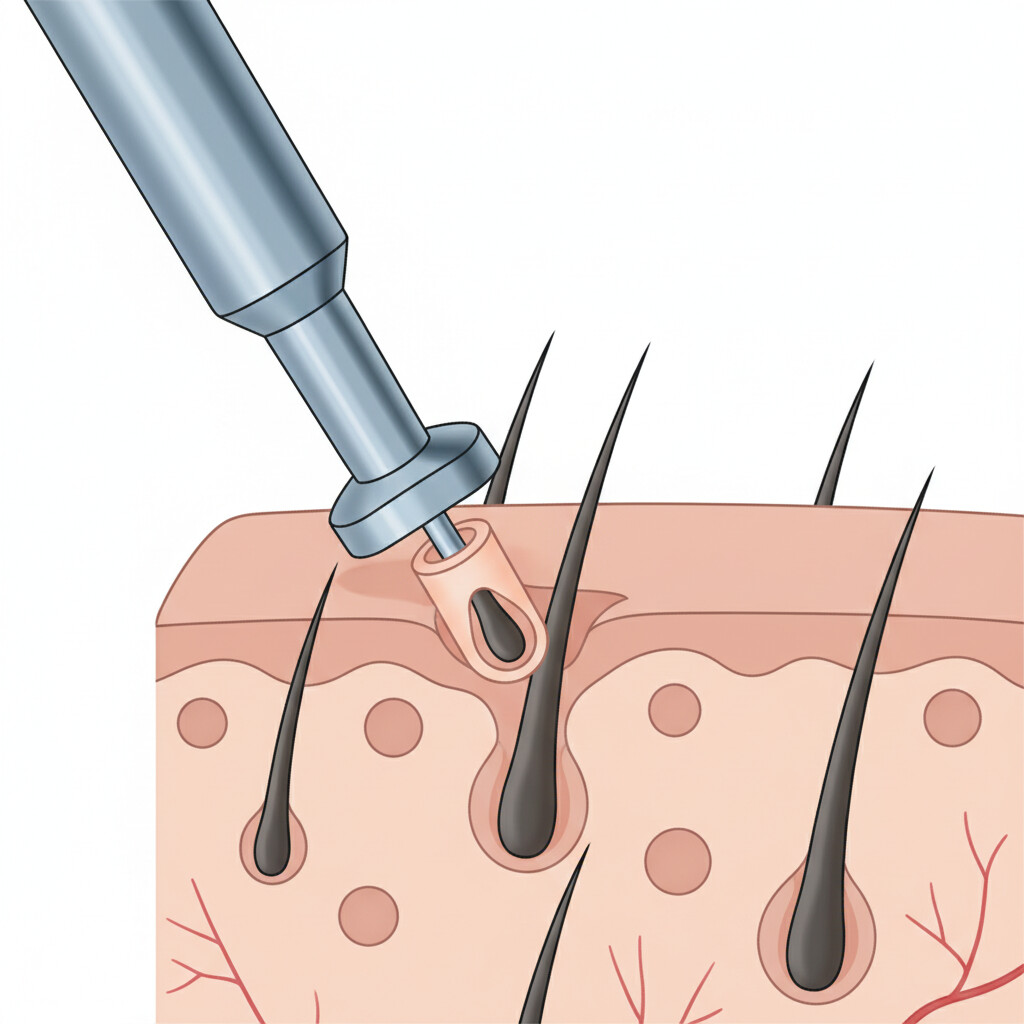
Two primary techniques are commonly employed: Follicular Unit Transplantation (FUT) and Follicular Unit Extraction (FUE). While FUT involves removing a strip of skin from the donor area and dissecting individual follicular units, FUE extracts individual follicular units directly from the scalp using a micro-punch tool. For beard transplantation, FUE is often preferred due to its minimally invasive nature, resulting in less scarring and a quicker recovery compared to FUT, especially in areas that might be visible.
Candidacy and Consultation
Not everyone is an ideal candidate for beard transplantation. A thorough consultation with a qualified and experienced hair transplant surgeon is crucial. During this consultation, the surgeon will assess several factors:
- Donor Area Assessment: The surgeon will examine the density and quality of hair in your donor area. Sufficient healthy hair is essential for a successful transplant.
- Facial Hair Goals: You will discuss your desired beard density, shape, and pattern. Realistic expectations are key, as the surgeon aims to create a natural look that complements your facial structure.
- Skin Condition: The condition of the skin on your face, including any scarring or previous procedures, will be evaluated.
- Medical History: Your overall health and any medical conditions or medications you are taking will be reviewed to ensure the procedure is safe for you.
It’s important to be open and honest with your surgeon about your expectations and any concerns you may have. This initial meeting sets the foundation for a successful outcome.
The Transplantation Process
The beard transplantation process, particularly using the FUE technique, can be broken down into several stages:
-
Preparation: The donor area (usually the scalp) is shaved to allow for easier access to the hair follicles. The recipient area (the beard area) may also be trimmed. Local anesthesia is administered to numb both areas, ensuring a pain-free experience.
-
Follicle Extraction: Using a specialized micro-punch tool (typically 0.7mm to 1.0mm in diameter), the surgeon meticulously extracts individual follicular units from the donor area. These units contain one or more hairs.
-
Graft Preparation: The extracted follicular units are carefully sorted and prepared under a microscope. Technicians ensure they are viable and ready for implantation. The number of grafts needed depends on the desired density and the area to be covered, often ranging from a few hundred to over 2,000 grafts.
-
Implantation: Tiny incisions are made in the recipient beard area using fine needles or blades. The angle, direction, and depth of these incisions are critical for achieving a natural-looking result. The surgeon then meticulously places the prepared follicular units into these incisions, paying close attention to the natural growth pattern of facial hair. This stage requires a high degree of artistic skill and precision.
Recovery and Aftercare
The recovery period following beard transplantation is generally straightforward, but diligent aftercare is essential for optimal healing and graft survival.
- Immediate Post-Op: You may experience some redness, swelling, and minor discomfort in both the donor and recipient areas. Small scabs will form around the transplanted follicles. Your surgeon will provide specific instructions, including how to gently clean the area and avoid touching or disturbing the grafts.
- First Few Days: It’s crucial to avoid strenuous activities, excessive sweating, and direct sunlight. Sleeping with your head elevated can help reduce swelling.
- First Week: The initial redness and swelling usually subside. The small crusts or scabs will start to fall off naturally. You should continue to follow your surgeon’s cleaning and care instructions.
- Two to Four Weeks: Most of the initial signs of the procedure will have disappeared. You may notice some of the transplanted hairs falling out – this is a normal part of the process known as ‘shock loss.’ The follicles remain intact underneath the skin and will begin to regrow.
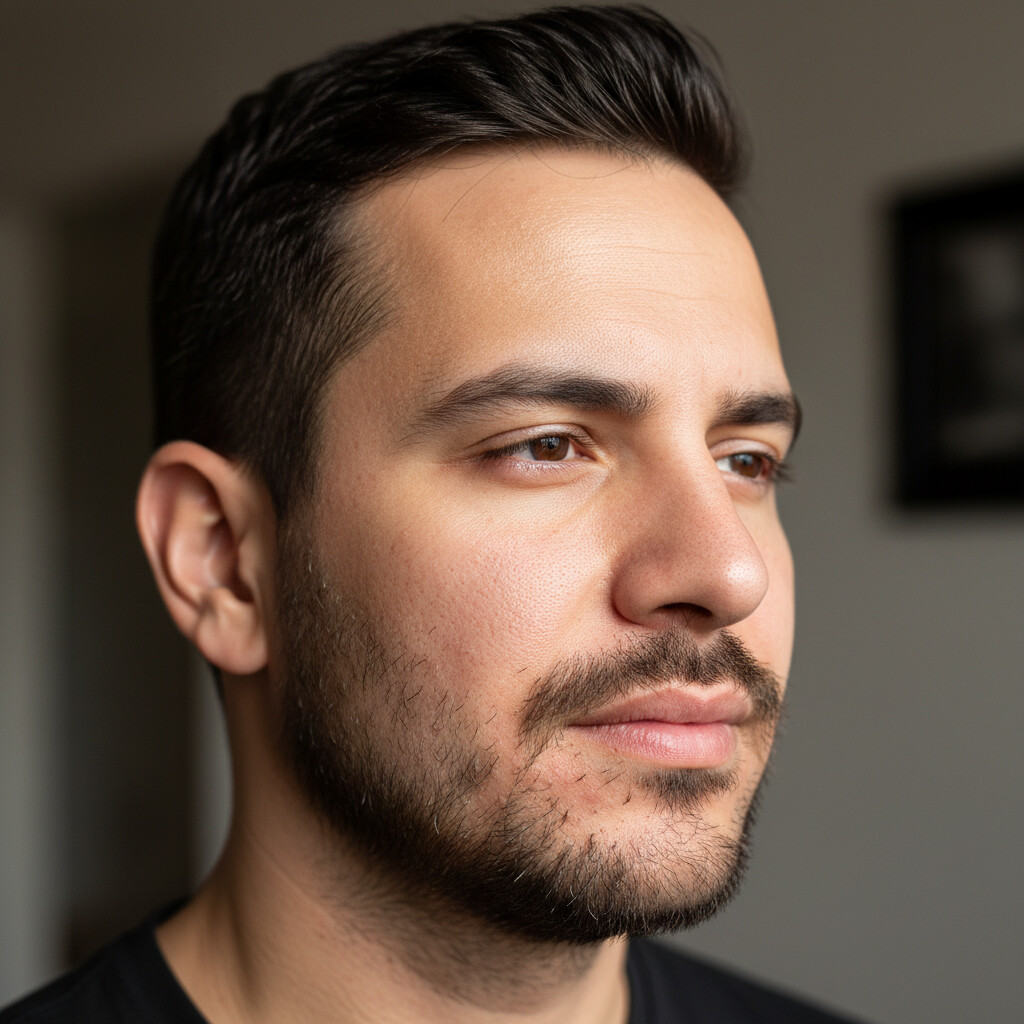
- Long-Term Care: Once the healing is complete, you can care for your transplanted beard just as you would a natural beard – washing, trimming, and styling it as desired. Your surgeon will provide guidance on when it is safe to resume normal grooming routines.
Expected Outcomes and Longevity
Beard transplantation results are typically very natural-looking because the transplanted hairs grow in the direction and at the angle of your existing facial hair. The final results usually become apparent between 9 to 12 months after the procedure, as the transplanted hairs go through their natural growth cycle.
Initially, you might experience shock loss, where the transplanted hairs shed within the first few weeks. This is a temporary phase, and the follicles will then enter a resting period before new hair growth begins. Over the next several months, you will see a gradual increase in hair density and thickness. The transplanted hairs are permanent, as they originate from scalp hair that is genetically programmed to grow throughout life. Therefore, the results are long-lasting, with many patients enjoying a full and natural beard for years to come.
Risks and Considerations
While beard transplantation is generally a safe procedure, like any surgery, it carries some risks and potential complications. It’s crucial to discuss these with your surgeon during the consultation.
- Infection: Although rare, infections can occur at the donor or recipient sites. Proper hygiene and following post-operative instructions minimize this risk.
- Scarring: While FUE results in minimal scarring (tiny dot scars that are usually unnoticeable), FUT can leave a linear scar at the donor site. The skill of the surgeon plays a significant role in minimizing scarring.
- Swelling and Bruising: These are common side effects and typically resolve within a week or two.
- Numbness: Temporary numbness in the donor or recipient areas can occur but usually resolves over time.
- Unnatural Appearance: If the grafts are not implanted at the correct angle or density, the result might appear unnatural. This highlights the importance of choosing an experienced surgeon with a good artistic eye.
- Graft Failure: While uncommon, some transplanted grafts may not survive. This can be due to various factors, including poor handling of grafts, inadequate blood supply, or improper post-operative care.
Factors to Consider:
- Cost: Beard transplantation is a significant investment. The cost varies depending on the number of grafts required, the clinic’s location, and the surgeon’s expertise.
- Time Commitment: The procedure itself can take several hours, and the full results take up to a year to manifest.
- Choosing the Right Surgeon: This is perhaps the most critical factor. Research clinics and surgeons thoroughly. Look for before-and-after photos, read patient reviews, and ensure the surgeon is board-certified and has extensive experience in facial hair transplantation.
Beard transplantation offers a transformative solution for men looking to achieve their desired facial hair. By understanding the process, carefully selecting a qualified surgeon, and adhering to post-operative care instructions, you can significantly increase your chances of achieving a successful and natural-looking result, boosting your confidence and appearance.