Hair loss is a common concern for many individuals, impacting self-esteem and overall appearance. As a result, hair transplantation has become an increasingly popular solution. However, a significant question that arises for potential patients is: Will a hair transplant be painful? The good news is that modern hair transplant procedures are designed to be as comfortable as possible, primarily through the effective use of local anesthesia and, in some cases, sedation. This guide will delve into how pain is managed during a hair transplant, what to expect, and the differences between local anesthesia and sedation.
Key Considerations for Pain Management in Hair Transplants:
- The Role of Local Anesthesia: How it numbs the scalp.
- Sedation Options: When and why they are used.
- The Transplant Procedure Itself: What sensations you might feel.
- Post-Operative Pain: Managing discomfort after the procedure.
- Choosing the Right Clinic: Factors that influence your comfort level.
Understanding Local Anesthesia in Hair Transplants
The cornerstone of pain management during a hair transplant is local anesthesia. Similar to what you’d experience at the dentist, local anesthesia involves injecting a numbing agent into the scalp. This agent blocks the nerve signals in the treated area, effectively preventing you from feeling any pain during the procedure.

The process typically begins with the injection of a small amount of lidocaine, often mixed with epinephrine. Lidocaine is the active anesthetic, while epinephrine serves a dual purpose: it constricts blood vessels, which helps to minimize bleeding during the surgery, and it prolongs the effect of the anesthetic. You will feel a few initial pricks as the anesthetic is injected, but these are usually mild and transient. Once the anesthetic takes effect, usually within a few minutes, the entire area where the grafts will be harvested and implanted becomes numb.
What to Expect During the Procedure with Local Anesthesia
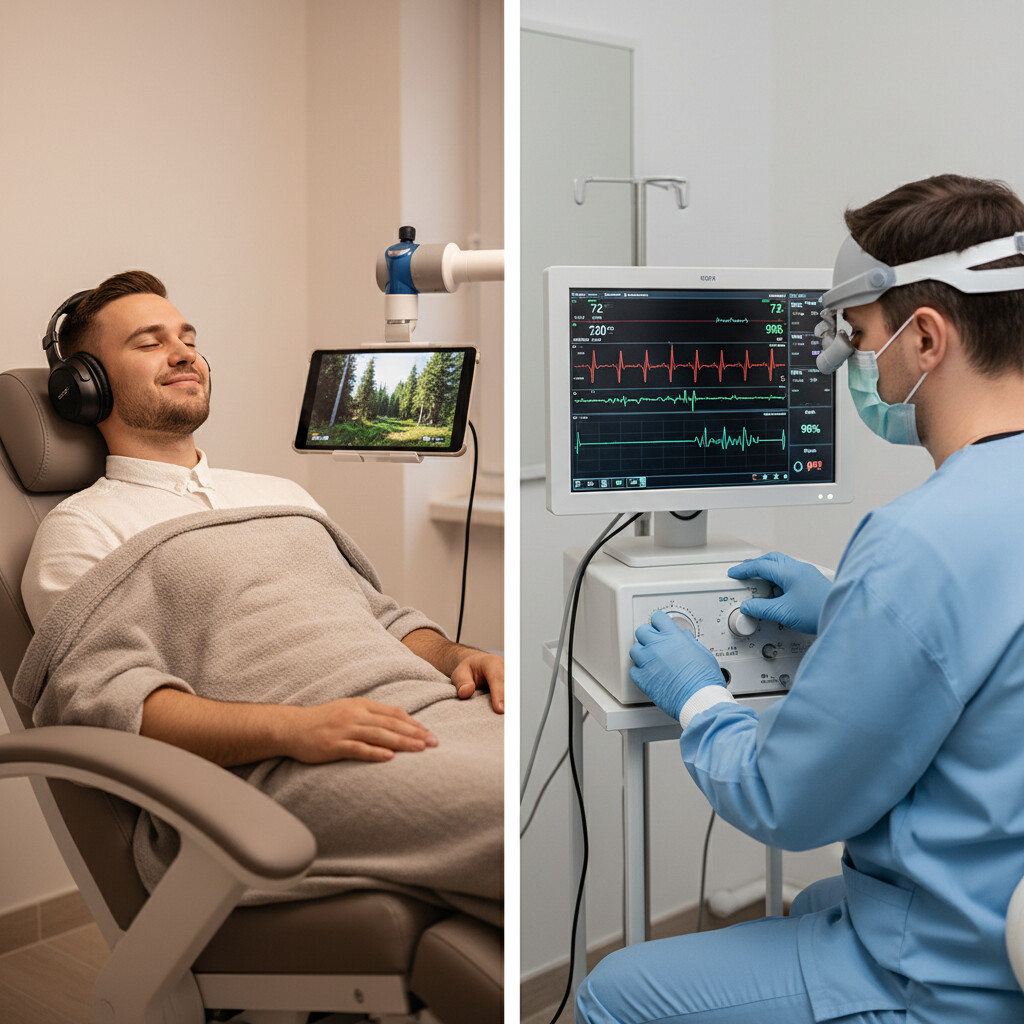
With effective local anesthesia, you should not feel any sharp pain during the harvesting of hair follicles (whether through FUT or FUE) or during the implantation process. You might feel some pressure or tugging sensations, especially when the surgeon is manipulating the scalp. This is normal and does not indicate pain. Most patients describe the experience as surprisingly comfortable, allowing them to relax, listen to music, or even watch something on a screen during the procedure.
The Role of Sedation
While local anesthesia is sufficient for most patients to remain pain-free, some individuals may experience anxiety or have a lower pain threshold. In such cases, sedation can be a valuable addition. Sedation is a process that uses medication to induce a state of relaxation and calmness. It is administered by a qualified medical professional, often an anesthesiologist, especially in more extensive procedures or when deeper sedation is required.
There are different levels of sedation:
- Minimal Sedation (Anxiolysis): You remain awake but are relaxed and less aware of your surroundings. You can respond to verbal cues.
- Moderate Sedation (Conscious Sedation): You are more relaxed and may have little memory of the procedure afterward. You can still respond to physical or verbal stimulation.
- Deep Sedation: You are on the edge of consciousness but can still be aroused. This is less common for standard hair transplants but might be used in specific scenarios.
Sedation is typically administered orally, intravenously (IV), or sometimes through a nasal spray. The type and level of sedation are tailored to the patient’s needs, the duration of the procedure, and the surgeon’s preference. For many, a mild oral sedative taken before the procedure can significantly ease anxiety, making the overall experience much more pleasant.
Post-Operative Pain Management
Once the local anesthesia begins to wear off, usually several hours after the procedure, you might experience some mild discomfort, soreness, or tightness in the scalp. This is generally well-managed with over-the-counter pain relievers like ibuprofen or acetaminophen. Your surgeon will provide specific post-operative instructions, including medication recommendations and guidelines for managing swelling and promoting healing.
It’s important to follow these instructions carefully. The initial discomfort is usually temporary and subsides within a few days. Proper care, including avoiding strenuous activities and following your doctor’s advice, plays a crucial role in minimizing post-operative pain and ensuring a smooth recovery.
Choosing the Right Clinic and Surgeon
Your comfort level during a hair transplant is significantly influenced by the expertise and approach of your chosen clinic and surgeon. Reputable clinics prioritize patient comfort and utilize best practices in anesthesia and sedation.

When considering a hair transplant, look for:
- Experienced Surgeons: Surgeons with extensive experience in performing hair transplants are more likely to execute the procedure efficiently and with minimal discomfort.
- Modern Techniques: Clinics employing advanced techniques like FUE (Follicular Unit Extraction) often lead to less invasive procedures and quicker recovery times.
- Anesthesia Protocols: Inquire about the specific anesthesia and sedation methods used. A good clinic will clearly explain their pain management strategy.
- Patient Reviews and Testimonials: Reading about other patients’ experiences can provide valuable insights into the comfort level offered by a particular clinic.
Conclusion
In summary, while the idea of a surgical procedure can be daunting, modern hair transplant techniques, coupled with effective local anesthesia and optional sedation, make the process remarkably pain-free for the vast majority of patients. The initial injections are the most noticeable part, after which the scalp is thoroughly numbed. Sensations of pressure are normal, but sharp pain is not expected. Post-operative discomfort is typically mild and easily managed with medication. By choosing a qualified and experienced surgeon and clinic that prioritizes patient comfort, you can significantly enhance your experience and achieve the desired results with minimal distress.