
What this guide will explain
- Understanding how to recognize the signs of a hair transplant
- Factors that influence detectability
- How modern techniques minimize visibility
- What to expect in terms of natural results
- Discussing your hair restoration with your barber
Introduction
Many individuals considering or who have undergone a hair transplant are curious about how discreet the procedure is. A common question that arises is whether their barber, who sees their hair regularly and has a trained eye for detail, can tell if they’ve had a hair transplant. This guide aims to provide a clear, reassuring answer for adults aged 35 and above who are focused on achieving natural, long-term results from their hair restoration journey.
We understand that discretion and natural appearance are paramount. This information is for you if you value maintaining privacy while enjoying the benefits of restored hair. You will learn about the factors that contribute to the visibility of a hair transplant, how advancements in techniques have made them increasingly undetectable, and what realistic expectations you should have regarding the outcome. The goal is to empower you with knowledge, allowing you to feel confident and informed about your hair restoration.
Understanding Detectability
In the past, older hair restoration techniques could sometimes leave subtle clues that might be noticeable to a keen observer. These might have included unnatural hairlines or areas where hair density appeared significantly different. However, modern hair transplant procedures have evolved dramatically, focusing on creating results that are virtually indistinguishable from naturally growing hair.
Key factors influencing whether someone might notice a hair transplant include:
- Technique Used: Newer methods, such as Follicular Unit Transplantation (FUT) and especially Follicular Unit Extraction (FUE), are designed for minimal scarring and a natural appearance. FUE, in particular, involves extracting individual follicular units, which leaves very small, often unnoticeable marks.
- Skill of the Surgeon: The artistry and precision of the hair transplant surgeon play a crucial role. An experienced surgeon will meticulously plan the hairline, consider the angle and direction of hair growth, and ensure natural density to blend seamlessly with existing hair.
- Time Since Procedure: Immediately after a procedure, there might be temporary signs of healing. However, once the healing is complete, the transplanted hair grows naturally, making it increasingly difficult to detect over time.
- Barber’s Experience: While barbers have a good eye for hair, most are not trained medical professionals specializing in hair restoration. Their assessment is typically based on general appearance rather than specific signs of surgical intervention.
How Modern Techniques Ensure Natural Results
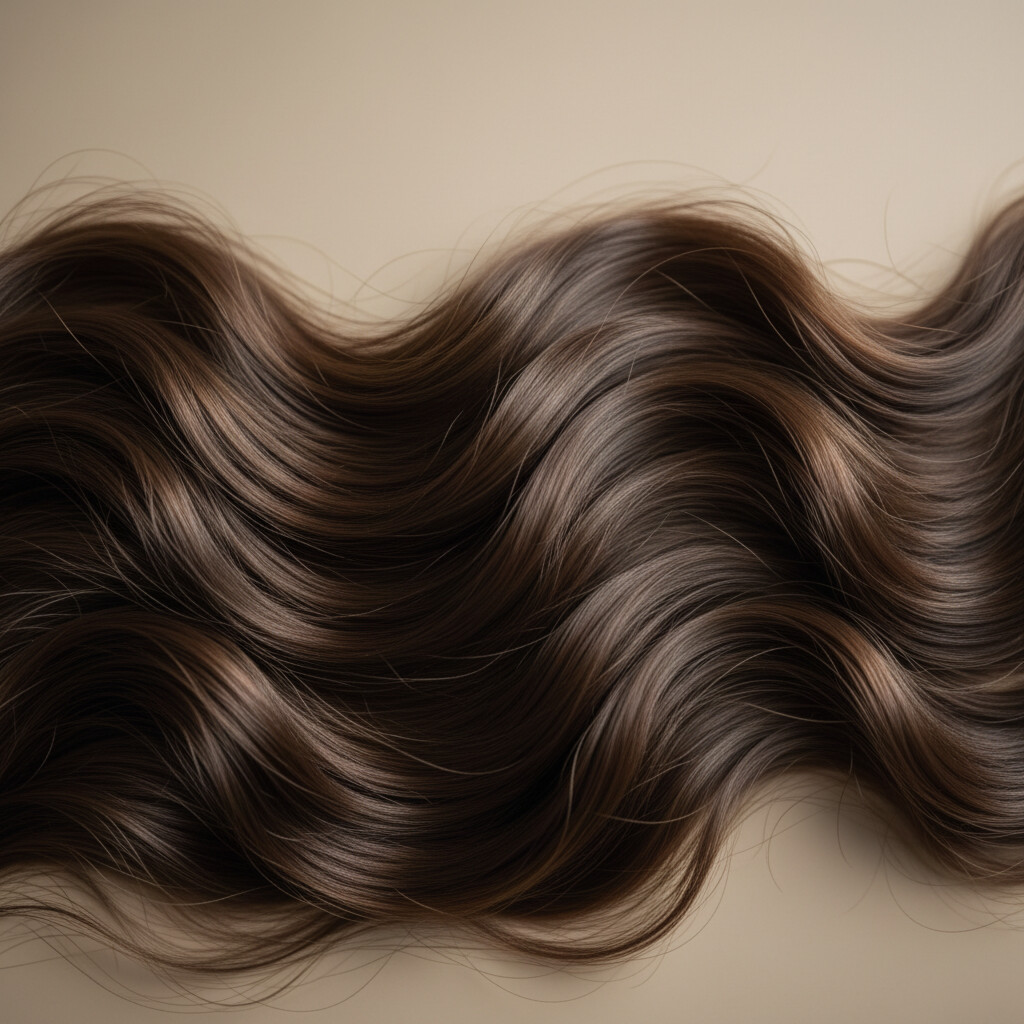
Modern hair transplant techniques are engineered to deliver outcomes that are both aesthetically pleasing and highly natural. The focus is on replicating the characteristics of natural hair growth, ensuring that the restored areas blend perfectly with the surrounding hair.
Follicular Unit Transplantation (FUT) involves removing a strip of scalp and dissecting it into individual follicular units. While this technique can yield excellent results, it does leave a linear scar. However, with skilled suturing and the ability to conceal this scar with the patient’s own hair (especially in longer hairstyles), it often remains undetectable.

Follicular Unit Extraction (FUE) is currently the most popular method. It involves harvesting individual follicular units directly from the donor area using tiny instruments. This technique results in minimal scarring, with each extraction site healing as a small dot. These dots are typically so small and numerous that they are imperceptible, especially when hair is kept at a moderate length. The transplanted hairs are then carefully placed into tiny incisions made in the recipient area, mimicking the natural direction, density, and angle of existing hair.
What to Expect: Comfort, Planning, and Outcomes
Hair restoration is a carefully planned process aimed at achieving a rejuvenated appearance. The focus is always on ensuring patient comfort throughout the planning and treatment stages, and on delivering results that enhance your natural look.
Planning and Decision-Making: The journey begins with a thorough consultation. A qualified hair restoration specialist will assess your hair loss pattern, discuss your goals, and recommend the most suitable technique. This is a collaborative process, ensuring your expectations are aligned with what is realistically achievable.

The Hair Restoration Process: The procedure itself is performed under local anesthesia, ensuring a comfortable experience. The time taken varies depending on the extent of the restoration. Post-procedure, a period of healing is expected, during which the transplanted hairs naturally shed before regrowing. This shedding phase is a normal part of the process and is temporary.
Long-Term, Natural-Looking Outcomes: The transplanted hairs begin to grow visibly within a few months. Over time, they thicken and integrate seamlessly with your existing hair. The ultimate goal is a result that looks completely natural, enhancing your appearance without drawing attention to the procedure itself. This means a restored hairline that frames your face appropriately and increased density that looks authentic.
Common Questions
Q1: Will my barber notice a scar from the procedure?
With modern techniques like FUE, the extraction sites are tiny dots that heal very discreetly. For FUT, a linear scar is present but is typically well-hidden by your existing hair, especially if you maintain a moderate haircut. A skilled surgeon will also aim to place the scar in an area that is naturally covered by hair. In most cases, the scar is not noticeable to a barber or anyone else.
Q2: Can people tell if my hair doesn’t look natural?
Experienced surgeons prioritize creating a natural appearance. They carefully design hairlines, ensuring the angle and direction of transplanted hair match your original growth patterns. The goal is for the restored hair to blend perfectly, making it virtually impossible for anyone to tell it’s transplanted.
Q3: How long does it take for the results to look completely natural?
While transplanted hair begins to grow within a few months, it takes about 12-18 months for the full results to become apparent, as the hair thickens and matures. During this time, the growth is entirely natural, and the result looks increasingly integrated and undetectable.
Q4: Should I tell my barber about my hair transplant?
This is a personal decision. Many people choose not to mention it, as the results are intended to be natural and discreet. If you have a long-standing relationship with your barber and feel comfortable, you can choose to share. However, there is no medical or practical reason why you would need to disclose it, as the appearance is designed to be completely normal.
Discussion Section
It’s reassuring to know that modern hair restoration techniques are designed for natural, discreet results. However, individual experiences can vary. What have others found in their experience regarding how natural their results appeared over time?
Were there any specific haircut styles or lengths that you found helped to blend your restored hair more effectively, especially in the initial growth phases?
For those who have consulted with or had their hair cut by their regular barber post-transplant, what was the general sentiment or observation, if any, from your barber?
Medical Disclaimer
This content is for informational purposes only and does not constitute medical advice. Hair restoration is a medical procedure, and individual results can vary. It is essential to consult with a qualified and experienced hair restoration specialist to assess your specific needs, discuss potential risks and benefits, and determine the most appropriate treatment plan for you. We do not make any guarantees regarding specific outcomes.