
What this guide will explain
- Understanding the sensitive period after a hair transplant.
- Key factors determining when hat-wearing is safe.
- Choosing the right kind of hat to minimize risks.
- Managing comfort and protecting your investment.
- Long-term considerations for your restored hair.
Navigating the Post-Hair Transplant Period: When Can You Wear a Hat?
A hair transplant represents a significant step towards restoring a fuller head of hair, and like any medical procedure, it requires a period of careful recovery. One of the most common questions that arise during this phase is about wearing a hat. The desire to protect the newly transplanted areas, conceal the initial healing, or simply maintain a sense of normalcy is understandable. However, timing and type are crucial.
This guide is designed for individuals who have undergone or are considering a hair transplant procedure and are looking for clear, practical advice on post-treatment care, specifically regarding headwear. We aim to provide you with a calm, informed perspective on when and how you can safely incorporate hats back into your routine without compromising your results. Our focus is on understanding the healing process and making informed decisions to protect your investment in hair restoration.
Understanding the Healing Timeline
The scalp undergoes a sensitive healing process immediately following a hair transplant. During this time, the newly implanted follicles are delicate and require protection from external factors that could disrupt their integration. It’s essential to understand that “hair transplant” is a broad term, and different techniques may have slightly varying recovery needs, though the general principles of protection remain consistent.
The primary goal in the initial weeks is to allow the transplanted grafts to establish themselves securely. Any undue pressure, friction, or potential for infection could negatively impact the outcome. Therefore, medical professionals provide specific post-operative instructions that must be followed diligently.

Prompt: A calm, well-lit consultation room in a premium medical clinic. A mature, professional-looking male doctor is speaking gently with a middle-aged male patient. The atmosphere is reassuring and focused on patient education. No visible medical equipment.
Alt: A doctor discussing hair transplant recovery with a patient in a clinic setting.
ImageName: consultation-room-discussion.jpg
Factors Influencing Hat-Wearing Decisions
Several key factors determine when it is safe to wear a hat after a hair transplant. These are primarily guided by the stage of healing and the specific instructions provided by your surgeon.
Initial Healing Phase (First Few Days to a Week)
In the immediate days following your procedure, direct contact with the scalp, especially the recipient area where grafts were placed, should be avoided. This means hats, caps, beanies, or any form of headwear are generally not recommended. The goal is to keep the area clean, undisturbed, and free from any pressure that could dislodge the fragile grafts or impede initial healing.
Establishing Grafts (Weeks 1-4)
As the initial healing progresses, typically within the first one to two weeks, the transplanted grafts begin to anchor themselves more firmly. This is a critical period where gentle protection becomes more feasible. However, the sensitivity remains. The skin may still be healing, and the follicles are not yet fully robust.
Your surgeon will provide a specific timeframe for when light headwear might be permissible. This often depends on how well your individual healing is progressing. It’s a gradual transition, moving from complete avoidance to very cautious use.
When Is It Generally Considered Safe?
Most surgeons advise waiting at least one to two weeks, and sometimes up to four weeks, before wearing a hat. The type of hat and how it fits are equally important. The general consensus is to wait until:
- The initial tenderness and swelling have significantly subsided.
- There are no open wounds or scabs in the treated areas.
- Your surgeon gives the go-ahead based on your personal healing progress.

Prompt: A subtly blurred background showing a modern, clean waiting area of a medical clinic. In the foreground, a well-dressed man in his late 40s is looking thoughtfully out of a window. Natural, soft lighting.
Alt: A man contemplating his next steps in a sophisticated clinic waiting area.
ImageName: clinic-waiting-area-contemplation.jpg
Choosing the Right Headwear: Protecting Your Investment
Once your surgeon indicates that wearing a hat is permissible, selecting the right type of headwear is paramount. The goal is to protect the scalp without causing any harm or discomfort.
Ideal Hat Characteristics:
- Loose-fitting: The hat should never feel tight or put pressure on the scalp. A loose fit allows for air circulation and prevents friction.
- Soft, breathable materials: Opt for materials like cotton or soft, natural fabrics. Avoid rough or synthetic materials that can irritate the scalp or trap heat.
- No internal seams or labels: Check the inside of the hat for any rough seams or tags that could snag or rub against the sensitive skin.
- Wide brim or comfortable design: Hats with wider brims can offer more protection from the sun. Ensure the design doesn’t press down directly on the most sensitive areas.
Hats to Avoid (Especially Initially):
- Tight-fitting caps or beanies: These can exert pressure and friction.
- Helmets or hard hats: Unless specifically approved by your surgeon, these should be avoided due to the high risk of impact and pressure.
- Hats made of rough materials: Such as certain types of wool or stiff synthetics.
It’s often recommended to start with looser styles, like a soft bucket hat or a very loose-fitting baseball cap, worn gently over the head rather than pulled down tightly.
Comfort, Expectations, and Long-Term Outcomes
Wearing a hat post-transplant is primarily about comfort and protection. While you might be eager to resume all normal activities, patience during the recovery phase is key to achieving the best possible long-term results.
Managing Comfort:
If your scalp feels tender or sensitive, even when wearing a suitable hat, it’s best to limit wear time. Listen to your body and your surgeon’s advice. The initial discomfort will subside as healing progresses.
Realistic Expectations:
Early on, the transplanted hair will be shed, which is a normal part of the process. You will not see the final results for several months. During this time, wearing a hat can help you feel more comfortable and confident while the new hair begins to grow. It’s a temporary aid, not a permanent solution for concealment.
Long-Term Natural Results:
The ultimate aim of hair restoration is to achieve natural-looking, permanent results. By adhering to post-operative care guidelines, including sensible decisions about headwear, you significantly contribute to the successful integration and growth of your transplanted hair. This careful approach in the initial stages ensures that your investment yields the desired outcome for years to come.
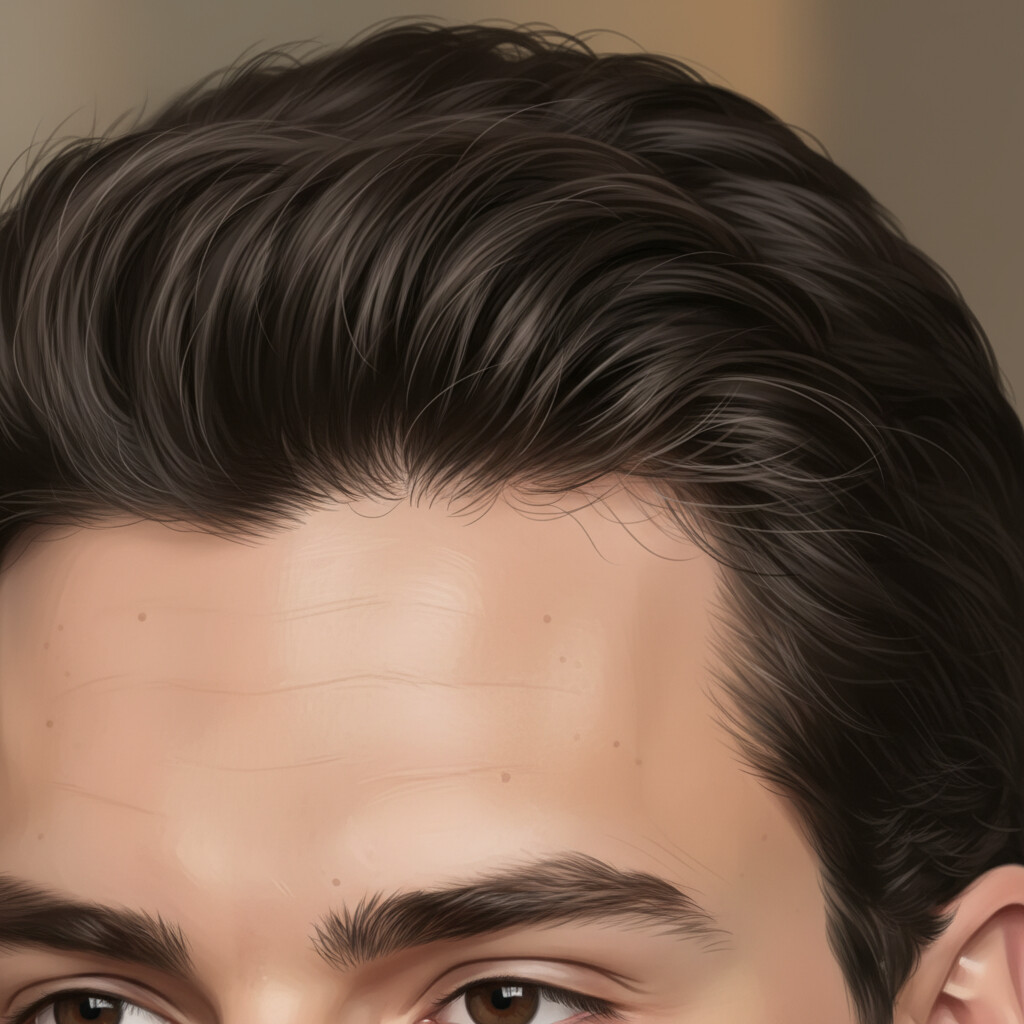
Prompt: A close-up, tasteful illustration of a subtle, natural-looking hairline on an adult male. The focus is on the density and natural angle of hair growth, not on medical specifics. Soft, natural lighting.
Alt: A close-up of a natural-looking hairline with healthy hair growth.
ImageName: natural-hairline-density-illustration.jpg
Common Questions About Wearing Hats Post-Hair Transplant
Here are answers to some frequently asked questions regarding headwear after a hair transplant:
Q1: How soon can I wear a baseball cap after a hair transplant?
A1: Generally, most surgeons recommend waiting at least 1-2 weeks, and sometimes up to 4 weeks, before wearing a baseball cap. When you do, choose a loose-fitting one made of soft material, and avoid pulling it down tightly. Always follow your surgeon’s specific advice.
Q2: Will wearing a hat affect the survival of the transplanted grafts?
A2: If worn too soon or if it’s too tight, a hat can potentially affect graft survival by causing friction, pressure, or dislodging the grafts. This is why adhering to the recommended waiting period and choosing the right hat is crucial.
Q3: Can I wear a beanie or a winter hat after a hair transplant?
A3: Beanies and other snug-fitting hats are usually not recommended for at least 4 weeks, or until your surgeon confirms it’s safe. Their tight nature poses a higher risk of friction and pressure compared to looser styles.
Q4: Is it okay to wear a hat for sun protection after the initial healing?
A4: Yes, once cleared by your surgeon (typically after the first few weeks), a hat can be excellent for sun protection. The scalp, especially the treated areas, can be sensitive to sun exposure. Choose a hat with a wide brim and breathable fabric for comfort and safety.
Discussion: Your Experiences with Post-Transplant Headwear
Navigating the recovery period after a hair transplant is a unique journey for everyone. Sharing experiences can offer valuable insights and reassurance to others considering or undergoing the procedure. We encourage you to share your thoughts and experiences in a constructive manner.
- For those who have had a hair transplant, what was your surgeon’s specific guidance regarding wearing hats, and how closely did you follow it?
- What types of hats did you find most comfortable and safe to wear during the initial recovery phase, and why?
- How did you manage your confidence and comfort levels during the period when wearing headwear was restricted?
Medical Disclaimer
This content is intended for informational purposes only and does not constitute medical advice. The information provided here is general and may not apply to your specific situation. Hair transplant procedures and recovery processes vary from individual to individual. It is essential to consult with a qualified hair restoration surgeon or medical professional for personalized advice, diagnosis, and treatment recommendations. They can assess your unique condition and provide guidance tailored to your needs.