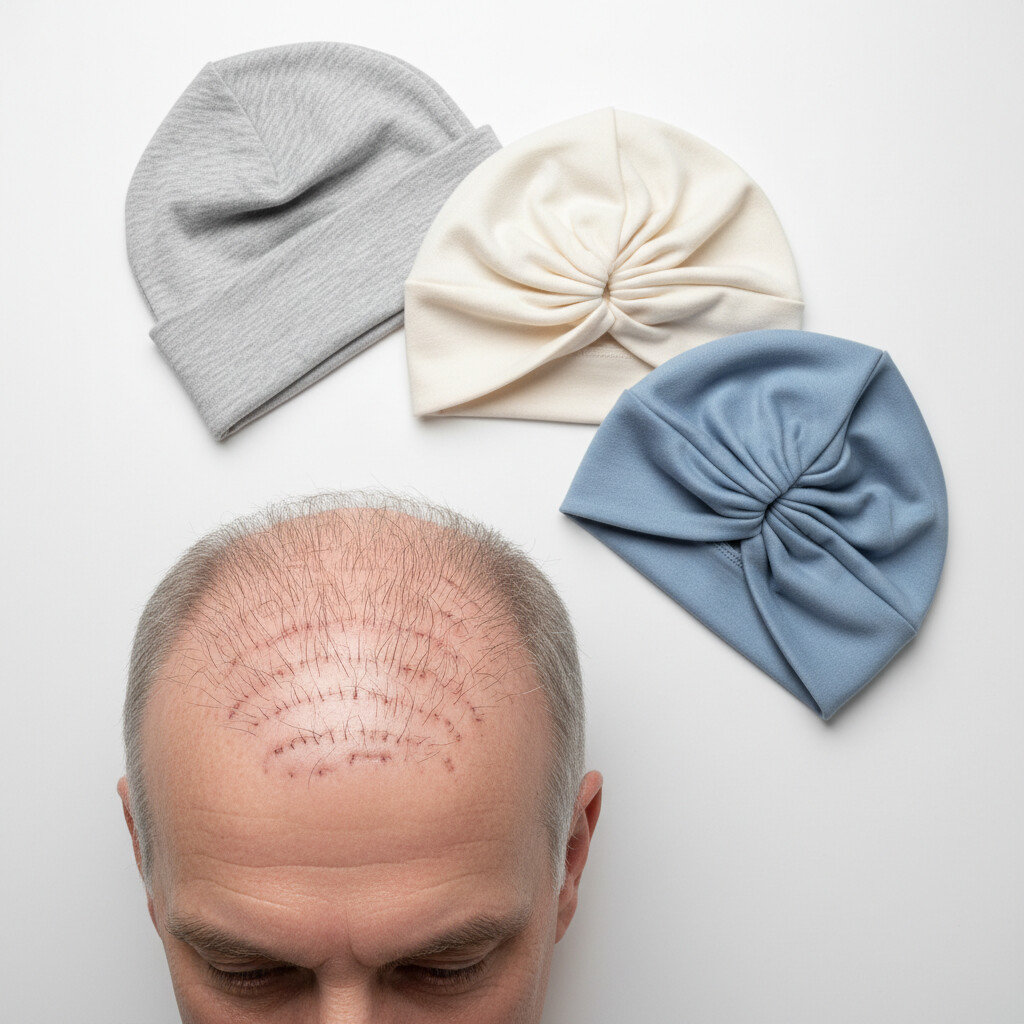
Deciding to undergo a hair transplant is a significant step towards regaining a fuller head of hair. As you navigate the recovery process, numerous questions arise, and one of the most common is: “Can I wear a hat after a hair transplant?” This is a valid concern, as hats can offer comfort, sun protection, and a sense of privacy during the initial healing stages. However, the answer isn’t a simple yes or no. It depends on the type of hat, how tightly it fits, and crucially, how long it has been since your procedure. This comprehensive guide will walk you through the essential considerations, timelines, and recommendations for wearing a hat post-hair transplant.
Key Considerations for Wearing a Hat After Hair Transplant:
- Timing is Crucial: Understand the recommended waiting period before wearing any headwear.
- Hat Type Matters: Differentiate between loose-fitting and tight-fitting hats and their implications.
- Hygiene is Paramount: Learn how to keep your scalp clean and prevent infection.
- Sun Protection: Recognize the importance of shielding your scalp from UV rays.
- Listen to Your Surgeon: Always adhere to your specific clinic’s post-operative instructions.
The Immediate Post-Operative Period (First Few Days)
Immediately following your hair transplant surgery, your scalp will be in a highly sensitive and fragile state. Tiny incisions have been made to implant hair follicles, and these sites need time to begin healing without disruption. During this initial period, wearing a hat is generally not recommended unless specifically advised by your surgeon. The primary concerns are:
- Risk of Infection: Any friction or pressure on the scalp can dislodge grafts or introduce bacteria, leading to infection. Hats, especially if not impeccably clean, can harbor germs.
- Trauma to Grafts: The newly transplanted follicles are delicate. A tight hat can cause friction, pulling, or even displacement of these grafts, jeopardizing the success of the procedure.
- Swelling and Discomfort: The scalp may be swollen and tender. A hat can increase pressure and discomfort.
Your surgeon will typically provide a protective covering, often a loose bandage or a specific type of surgical cap, to shield your scalp during the first 24-48 hours. This is designed for protection without compromising the grafts.
The First Week: A Gradual Approach
As you move into the first week post-surgery, the initial sensitivity begins to subside. However, the grafts are still in their nascent stages of integration. The general guideline during this period is to avoid tight-fitting hats altogether. If you absolutely must wear headwear, a very loose-fitting, soft cap might be permissible, but only with your surgeon’s explicit approval. The key is that the hat should not make any contact with the transplanted areas. Imagine it floating above your scalp – that’s the ideal scenario.
Why the caution? Even slight pressure can impede blood flow to the healing follicles, which is essential for their survival and growth. Additionally, the crusts that form around the graft sites are delicate and can be easily disturbed, leading to scarring or incomplete healing.
After the First Week: Introducing Loose-Fitting Hats
Around the 7-10 day mark, depending on your individual healing progress and your surgeon’s assessment, you might be cleared to wear loose-fitting hats. This is a significant milestone, offering more freedom and protection. Examples of suitable hats include:
- Soft Beanies: Made from breathable, natural fibers like cotton or bamboo, ensuring they are not overly tight.
- Bucket Hats: Provided they are not snug around the hairline.
- Baseball Caps (Loosely Worn): Crucially, the cap must not press down on the scalp. It should sit comfortably without touching the transplanted area.
Crucial Reminders When Wearing Loose Hats:
- Hygiene: Ensure the hat is freshly laundered and free from any potential contaminants.
- Gentle Application: Put the hat on and take it off very carefully, ensuring no snagging or pulling on the healing scalp.
- Avoid Direct Sunlight: Even with a hat, prolonged direct sun exposure should be minimized, especially during the first month.
The Second Week and Beyond: Expanding Your Options
As your scalp continues to heal, typically by the second week (around 10-14 days), the crusts usually start to fall off, and the tenderness significantly reduces. At this stage, your surgeon may give you the green light to wear slightly more fitted hats, but caution is still advised. You can generally transition to more conventional baseball caps and other soft headwear, but the principle of avoiding excessive pressure remains paramount.
What to Avoid During the First Month (and beyond):
- Tight Hats: This cannot be stressed enough. Any hat that feels snug or leaves an indentation on your scalp should be avoided.
- Heavy or Ill-Fitting Headwear: Helmets, hard hats, or anything that exerts significant pressure.
- Unclean Hats: Always wear a clean hat to prevent infection.
Sun Protection: A Vital Role of Hats
One of the most important reasons to wear a hat after a hair transplant is sun protection. The newly transplanted skin and follicles are more susceptible to sun damage than your existing hair. UV rays can cause inflammation, redness, and potentially damage the delicate grafts, hindering their growth.
A wide-brimmed hat or a baseball cap worn loosely can provide essential shade. It’s recommended to continue prioritizing sun protection for at least the first 3-6 months post-procedure, even when not wearing a hat.
The Psychology of Wearing a Hat Post-Hair Transplant
Beyond the physical healing, wearing a hat can offer significant psychological benefits. In the initial weeks, especially as the transplanted hairs may shed (a normal part of the process) or the scalp appears slightly pink or uneven, a hat can provide a sense of normalcy and confidence. It allows you to go about your daily activities without feeling self-conscious about the visible signs of healing.
This can be particularly helpful when returning to work or social engagements.
When Can I Wear My Favorite Tight Beanie or Cap?
This is often the question on people’s minds. Generally, you can return to wearing your usual, more fitted hats after approximately 4 weeks, or once your surgeon confirms that the healing is complete and the grafts are securely rooted. By this time, the scalp should be fully healed, and the risk of dislodging grafts from pressure or friction is minimal. However, always err on the side of caution and consult your surgeon for personalized advice.
Important Note on Cleaning Your Scalp:
Before and after wearing any hat, it’s essential to follow your surgeon’s instructions for gentle scalp cleansing. Proper washing helps remove sweat, oils, and potential bacteria, further reducing the risk of infection. Ensure your hands are clean before touching your scalp, and use only the recommended shampoos and techniques.
In Summary:
Can you wear a hat after a hair transplant? Yes, but timing and type are paramount.
- Days 1-7: Avoid hats unless it’s a specific, surgeon-approved loose covering. Focus on graft protection.
- Week 1-2: Introduce very loose-fitting, soft hats if approved by your surgeon. Ensure no contact with the scalp.
- Week 2-4: Gradually transition to looser baseball caps and soft headwear, ensuring no pressure.
- After 4 Weeks: Generally safe to return to your usual hats, provided the scalp is fully healed and your surgeon concurs.
Always prioritize hygiene, gentle handling, and adequate sun protection. Your hair transplant journey is an investment in your confidence, and following these post-operative guidelines will help ensure the best possible outcome. When in doubt, always consult your hair transplant clinic for the most accurate and personalized advice regarding your recovery.