
Poor nutrition can affect a hair transplant, but mainly at the extremes. A genuine deficiency, such as low iron, low protein intake or a crash diet around the time of surgery, can slow wound healing and trigger extra shedding of your native hair. For someone who eats a reasonably varied diet, food has a much smaller effect on graft survival than surgical skill, graft handling and aftercare. Nutrition is worth getting right, but no diet or supplement will make up for a poorly performed procedure.
Key takeaways
- Graft survival depends mostly on what happens in the operating room: how grafts are extracted, kept hydrated and cooled, and placed. After surgery, following aftercare and not disturbing the grafts matters most.
- Real deficiencies matter. Low iron stores, low protein intake, very low-calorie dieting and some medical conditions can impair healing and cause telogen effluvium, a diffuse shedding of native hair.
- If you suspect a deficiency, get tested before surgery rather than guessing with supplements.
- Some supplements can increase bleeding or interfere with blood tests. Tell your surgeon about everything you take.
- Avoid starting a strict diet or rapid weight loss in the months around your transplant.
What actually decides graft survival
A graft is a tiny piece of living tissue. Between being removed from the donor area and being placed in the recipient area, it depends on the surgical team to keep it alive. The main factors are:
- Careful extraction and handling. Grafts damaged during extraction or squeezed during placement are less likely to grow.
- Time out of the body and storage. Grafts need to be kept moist and cool and placed without unnecessary delay.
- Recipient site creation. Incisions of the right size, depth and density support a good blood supply.
- Aftercare. Not rubbing, scratching or knocking the grafts while they anchor during the first 10-14 days, and following the washing routine.
Our guide to causes of hair transplant failure goes into these in more detail. Nutrition sits in the background: it supports the healing that lets grafts establish a blood supply, but it is rarely the reason a transplant succeeds or fails.
When nutrition can make a difference
Protein and calorie intake
Wound healing needs protein and energy. People who eat very little, follow extreme diets or have conditions that affect absorption can heal more slowly. Very rapid weight loss is also a known trigger for telogen effluvium, which typically shows up as diffuse shedding a few months after the trigger. If that happens after a transplant, it affects your native hair and can make the early months look thinner.
This is different from the normal shedding of transplanted hairs, which usually happens between weeks 2 and 8, and from shock loss, which is temporary loss of native hairs near the operated areas. Our guide on telogen effluvium explains how it differs.
Iron
Low iron stores are a common, treatable contributor to hair shedding, especially in women and in people who eat little red meat. Low iron can also leave you more tired during recovery. A blood test that includes ferritin shows your iron stores better than a basic blood count alone. See what causes hair loss for other medical causes to rule out.
Zinc, vitamin D and others
Zinc plays a role in wound healing, and low vitamin D is common in general. Deficiencies are worth correcting if a test shows them. Taking extra when your levels are normal has not been shown to improve graft survival, and very high doses of some nutrients, including vitamin A and selenium, can themselves cause hair loss.
Before surgery: practical steps
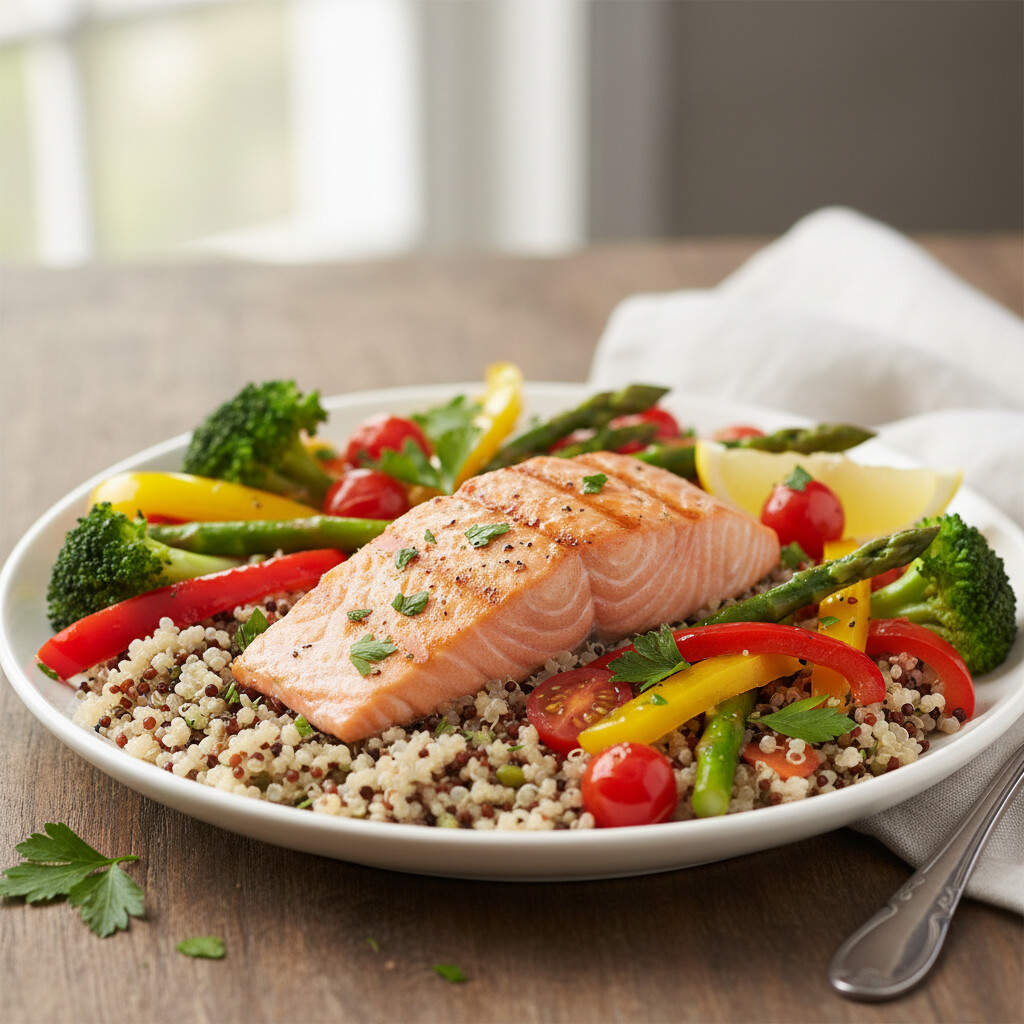
- Eat normally and well. A varied diet with enough protein (meat, fish, eggs, dairy, beans, lentils), fruit, vegetables and whole grains covers most needs.
- Don’t start a crash diet. If you are planning to lose weight, discuss the timing with your doctor.
- Get tested if you have risk factors. These include a restrictive diet, heavy periods, previous anaemia, digestive conditions, weight-loss surgery or unexplained diffuse shedding. Your GP can check ferritin, vitamin D, B12 and thyroid function where appropriate.
- Review your supplements with your surgeon. Fish oil, vitamin E, garlic, ginkgo and some herbal products can increase bleeding and are often paused before surgery. High-dose biotin can distort some blood test results, so mention it before any lab work.
After surgery: supporting recovery
- Keep eating regular meals. Some people lose their appetite in the first days after surgery. Try to keep up protein intake and drink enough water, unless your doctor has told you to limit fluids.
- Limit alcohol. Many surgeons ask patients to avoid it for the first days to a week, as it can increase swelling and bleeding and interact with medication.
- Don’t smoke. Smoking reduces blood flow to the skin and is a more significant risk to healing than most dietary factors.
- Keep perspective. No food speeds up the growth timeline. New hair usually starts to appear around months 3-4, and the result develops over 12-18 months.
Our guide on diet and nutrition after a hair transplant gives more meal ideas for the recovery period.
What about supplements?
Hair supplements are heavily marketed to transplant patients. For people without a deficiency, the evidence that they improve graft survival or final density is limited. If a test shows a deficiency, correcting it under medical guidance makes sense. Our guide Can Supplements Improve Hair Transplant Results? looks at the common products in more detail. The same caution applies to add-on treatments such as PRP: ask what the evidence is and what you are paying for.

When to contact your doctor or surgeon
- Wounds that are slow to heal, keep weeping, or show signs of infection such as spreading redness, warmth, pus or fever
- Diffuse shedding of your native hair across the scalp, especially if you have also lost weight, changed your diet or been unwell
- Symptoms that might point to a deficiency, such as unusual tiredness, breathlessness, pale skin or brittle nails
- Before starting any new supplement in the weeks around surgery
Common questions
Can a poor diet make my grafts fail?
In someone who is severely malnourished or has a significant deficiency, healing can be affected. In a person who eats a normal, varied diet, graft loss is far more often related to surgical handling, aftercare or physical trauma than to food.
Should I take hair vitamins before my transplant?
Only if a doctor recommends it or a test shows you need them. Tell your surgeon about any supplement you take, as some are paused before surgery.
Will eating more protein make my hair grow faster?
No. Enough protein supports normal healing and hair growth, but extra protein does not speed up the growth timeline.
Discussion
Did you change your diet or get blood tests before your transplant? Share what you did, whether any deficiency was found, and how your recovery went.
Related guides
- Can Supplements Improve Hair Transplant Results?
- What to Eat After a Hair Transplant: Diet for Healing and Growth
- Does PRP Help a Hair Transplant? Benefits, Evidence and Limits
- Smoking and Hair Transplants: How It Affects Results and When to Quit
- What Is Telogen Effluvium? Stress Hair Loss Symptoms and Recovery
About this guide: ForumHairTransplant.com is an independent patient community. We are not affiliated with any clinic or surgeon, and we don’t accept payment for rankings, reviews or recommendations. This article is general information, not medical advice. Talk to a qualified doctor about your own situation.