
What this guide will explain
- The natural graying process and its impact on hair transplants.
- Whether transplanted hair follicles will retain their original color.
- What influences the color of your transplanted hair over time.
- Realistic expectations regarding the longevity of hair color after a transplant.
- Factors to consider when planning hair restoration for long-term aesthetic harmony.
Understanding the Natural Graying Process
As we age, a natural biological process occurs that affects the color of our hair: graying. This phenomenon is primarily driven by a decrease in melanin production within the hair follicles. Melanin is the pigment responsible for giving our hair its natural color, whether it’s brown, black, blonde, or red. Specialized cells called melanocytes within the hair follicle produce melanin. Over time, these melanocytes can become less active or even cease to function, leading to hair strands growing without pigment, resulting in a gray or white appearance.
This process is influenced by a combination of genetics and aging. While some individuals may begin to see gray hairs in their late twenties or early thirties, others might not notice significant changes until much later in life. The timing and extent of graying are largely predetermined by your genetic makeup. Environmental factors and lifestyle choices may play a minor role, but genetics is the dominant factor.
For individuals considering or undergoing a hair transplant, understanding this natural aging process is crucial. It helps set realistic expectations about the long-term appearance of their hair, including the color of both existing and transplanted strands. The goal of hair restoration is not just to restore density but also to achieve a natural and aesthetically pleasing look that is harmonious with your overall appearance over time.
Will Transplanted Hair Turn Gray?
The answer to whether transplanted hair will turn gray is generally yes, but with an important nuance related to the source of the hair follicles. Hair follicles used in transplantation are typically harvested from the donor area, which is usually the back or sides of the scalp. These areas are known as the ‘permanent zone’ because the hair there is genetically programmed to be resistant to the balding process caused by DHT (dihydrotestosterone).
However, this genetic programming also extends to the hair’s natural characteristics, including its color and its tendency to gray over time. Therefore, the transplanted hair follicles, having originated from the permanent zone, will continue to follow their natural life cycle. If the hair in the donor area is predisposed to graying at a certain age, the transplanted hair will also eventually exhibit graying characteristics.
Think of it this way: you are transplanting the hair follicles along with their inherent genetic instructions. These instructions dictate not only growth and resistance to loss but also the eventual changes in pigmentation. So, while the transplanted hair might initially match the color of the surrounding hair, it will eventually age and gray in a manner consistent with the individual’s natural aging process. This means that if you start to see gray hairs in your donor area, you can expect the transplanted hairs to follow suit as time progresses.
Factors Influencing Transplanted Hair Color Over Time
Several factors play a role in how the color of transplanted hair evolves. The primary determinant, as mentioned, is the genetic predisposition of the donor hair. If your family history indicates early or significant graying, it’s highly probable that your transplanted hair will also gray, and potentially at a similar pace.
Genetics: This is the most significant factor. Your genes dictate the lifespan and pigment-producing activity of your melanocytes. If your genetic blueprint includes early graying, the transplanted follicles, being from the same genetic pool, will reflect this.
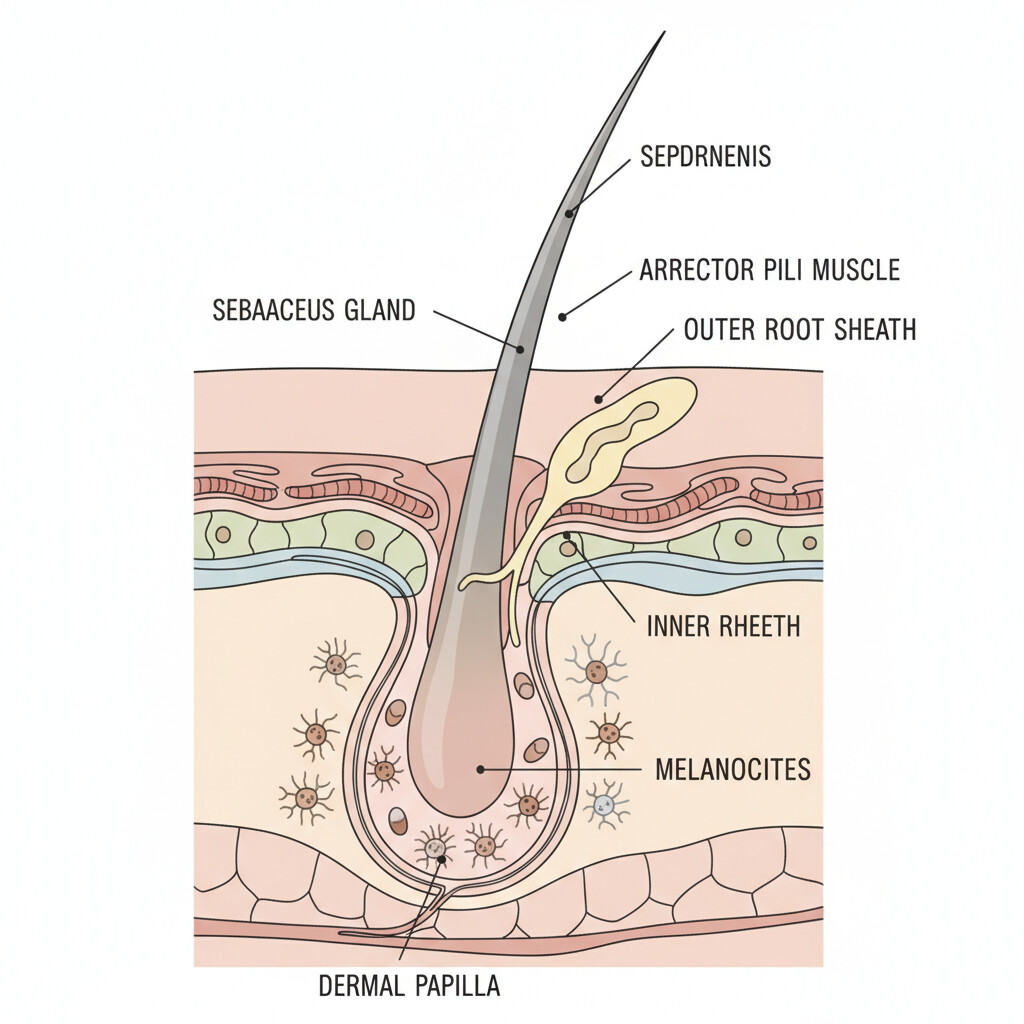
Age: As you age, the natural graying process becomes more pronounced. The transplanted hair is subject to the same aging process as the hair you’ve always had. The timing of graying in transplanted hair often mirrors the timing of graying in the original, non-transplanted hair from the same individual.
Hormonal Changes: While not directly causing graying, significant hormonal shifts can sometimes influence the overall health and appearance of hair, potentially affecting pigmentation indirectly in some individuals. However, the direct link between hormones and graying is less established than that of genetics and aging.
General Hair Health: Overall hair health can play a role in how vibrant hair color appears. Factors like nutrition, stress levels, and scalp health can influence the quality of hair growth. While they may not initiate graying, poor hair health might make existing gray hairs more noticeable or affect the perceived richness of the original color.
It’s important to remember that the transplanted hair is essentially your own hair, just relocated. It will behave and age just like the hair it was taken from, including its eventual transition to gray.
Realistic Expectations for Long-Term Results
When considering a hair transplant, it’s vital to have realistic expectations about the long-term aesthetic outcome. Hair restoration is a journey, and understanding how your hair will look years down the line is part of that journey. The aim is always to achieve a natural and harmonious appearance, and this includes accounting for natural changes like graying.
Color Harmony: Over time, as the transplanted hair begins to gray, it will likely blend with your naturally graying native hair. This natural blending often results in a softer, more gradual transition, which can look quite aesthetically pleasing and avoid the stark contrast that might occur if transplanted hair remained its original color indefinitely.

Gradual Change: Graying is typically a gradual process. You won’t wake up one day with completely white transplanted hair. Instead, you’ll notice an increasing number of gray strands appearing over months and years, mirroring the progression in your donor areas. This gradual change is often perceived as natural and less noticeable than an abrupt shift in color.
Future Treatments: For some individuals, particularly those who wish to maintain a specific color for an extended period, future interventions might be considered. This could include dyeing the hair or, in some cases, considering future transplant procedures if additional density is desired and the donor area permits. However, the primary goal of a well-planned transplant is to provide a sustainable, natural-looking result that ages gracefully with you.
Consultation is Key: Discussing your long-term vision with your hair restoration surgeon is essential. They can provide insights based on your age, genetic predisposition, and the characteristics of your donor hair. Understanding these factors helps in setting achievable goals for both density and long-term appearance.
Planning for Aesthetic Harmony
Successful hair restoration is about more than just increasing hair density; it’s about achieving a balanced and natural look that evolves gracefully with age. This involves thoughtful planning that considers the future appearance of your hair, including its color.
Donor Hair Characteristics: A surgeon will assess the characteristics of your donor hair, including its color, texture, and curl. Crucially, they will also consider the pattern and timing of graying in your donor area. This information is vital for predicting how the transplanted hair will look in the future.
Hairline Design: The hairline is a critical element of a natural-looking result. Planning a hairline that suits your age and facial features, and which can accommodate future changes like graying, is paramount. A hairline designed with future graying in mind can appear more natural as the surrounding hair ages.
Conservative Approach: Often, a conservative approach to hairline design and density in the initial stages allows for adjustments later if needed. This also allows the patient time to observe how their hair, including transplanted hair, changes over time.
Patient Goals: Open communication about your aesthetic goals and concerns is crucial. If maintaining a specific hair color is a high priority, discussing options like timing of procedures relative to graying, or potential future cosmetic solutions, can be part of the overall strategy.
Ultimately, planning for aesthetic harmony means embracing the natural aging process and working with it, rather than against it. A well-executed hair transplant aims to provide a foundation for a naturally aging appearance.
Common Questions
Q1: If my donor hair is gray, can it still be transplanted?
A1: Yes, gray or white hair can absolutely be transplanted. The follicles themselves are viable and will grow hair. The color of the transplanted hair will simply be gray, matching the donor area. In some cases, transplanting gray hair can even help create a more natural blend with existing gray hair in the recipient area, especially if the balding is occurring in an area that has already started to turn gray.
Q2: How long does it take for transplanted hair to start graying?
A2: The timing of graying in transplanted hair is generally consistent with the natural graying timeline of the individual. If you started graying at age 40, you might expect the transplanted hair to begin showing signs of graying around that age as well. There isn’t a fixed period after transplantation; rather, it follows your personal genetic clock for aging and pigment loss.
Q3: Can I dye my transplanted hair?
A3: Yes, transplanted hair can be dyed just like your original hair. Once the scalp has fully healed after the procedure (typically after a few weeks to a couple of months, as advised by your surgeon), you can resume normal hair care practices, including coloring. The transplanted follicles are your own, so they will respond to dyes in the same way.
Q4: Will the color of transplanted hair always match my native hair?
A4: Initially, yes, the transplanted hair will match the color of the donor hair, which is typically chosen to match the surrounding native hair in the recipient area. However, over many years, as your native hair begins to gray and the transplanted hair also begins to gray (due to genetics), they will likely gray at a similar rate, maintaining a natural blend. The key is that both sets of hair are subject to the same biological aging processes.
Discussion Section
We encourage you to share your experiences and insights regarding hair color changes after restoration. Your perspective is valuable for others considering or undergoing similar journeys.
- For those who have undergone hair transplantation, have you observed your transplanted hair graying over time? How has this process compared to the graying of your original hair?
- How important is maintaining a consistent hair color to you when considering or evaluating the results of a hair transplant, especially in the long term?
- What are your thoughts on embracing natural graying as part of the aging process alongside hair restoration? Have you considered or used cosmetic options to manage hair color changes post-transplant?
Medical Disclaimer
This content is intended for informational purposes only and does not constitute medical advice. Hair restoration is a medical procedure, and individual results can vary significantly. It is essential to consult with a qualified and experienced hair restoration specialist to discuss your specific situation, candidacy, potential risks, and expected outcomes. They can provide personalized advice based on a thorough examination and assessment of your unique needs.