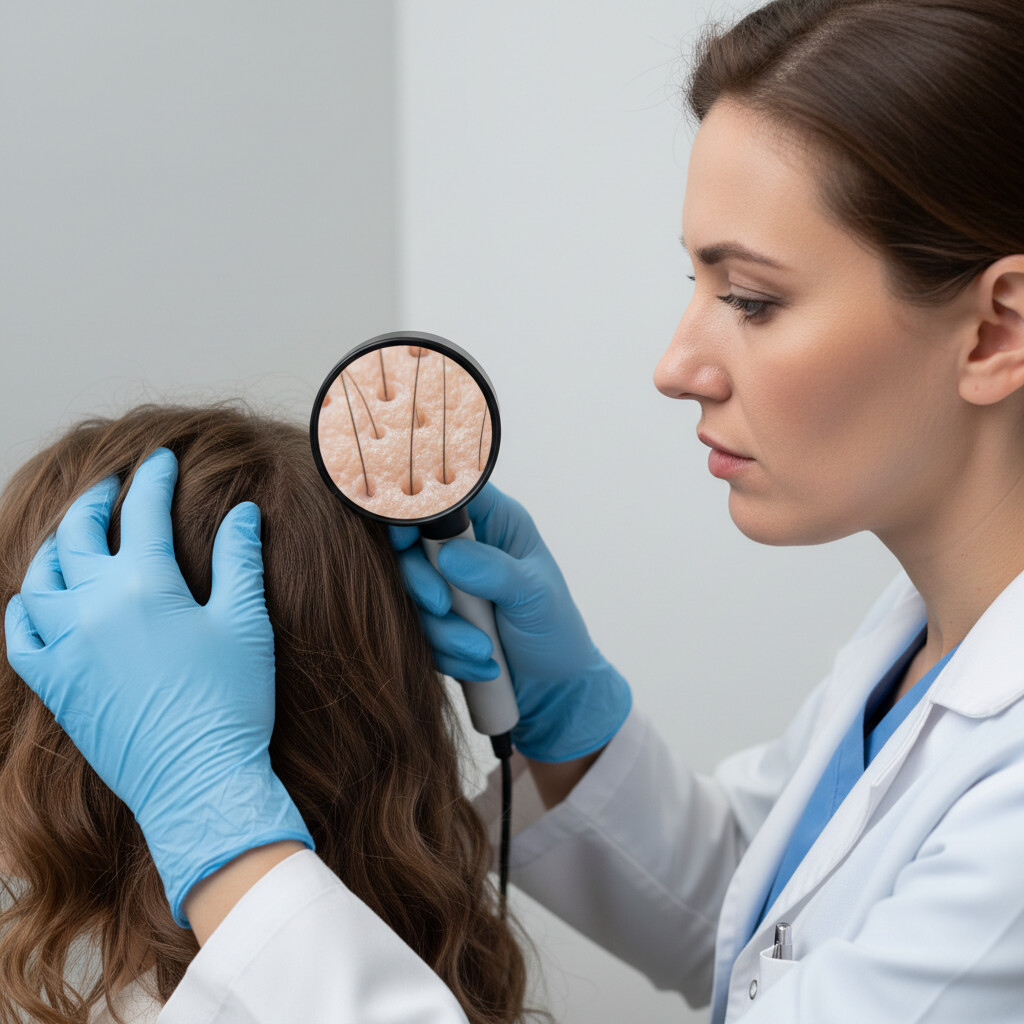
Hair loss is a common concern for many individuals, impacting self-esteem and appearance. While numerous treatments exist, hair transplantation has emerged as a highly effective and permanent solution. However, for individuals managing chronic conditions like diabetes, the question of safety and suitability often arises. This article delves into whether the Follicular Unit Extraction (FUE) hair transplant method is safe for diabetics, addressing potential risks, considerations, and the importance of proper medical consultation.
Understanding FUE Hair Transplantation
Follicular Unit Extraction (FUE) is a state-of-the-art hair transplant technique that involves harvesting individual hair follicles from a donor area (typically the back or sides of the head) and transplanting them to the thinning or bald areas. Unlike older methods that removed a strip of skin, FUE leaves minimal scarring and offers a faster recovery time. The procedure is minimally invasive, making it an attractive option for many.
Diabetes: A Chronic Condition and Its Implications
Diabetes Mellitus is a chronic metabolic disorder characterized by elevated blood glucose levels over prolonged periods. This condition can affect various bodily functions, including circulation, wound healing, and the immune system. These physiological changes can have implications for surgical procedures, including hair transplantation.
FUE Hair Transplants and Diabetes: Is it Safe?
The primary concern for diabetics undergoing any surgical procedure is the potential for complications related to their condition. These can include:
- Impaired Wound Healing: High blood sugar levels can impede the body’s natural ability to heal, potentially leading to slower recovery and an increased risk of infection at the graft sites.
- Increased Risk of Infection: Diabetes can compromise the immune system, making individuals more susceptible to infections. The small incisions made during FUE, while generally safe, still present a potential entry point for bacteria.
- Circulatory Issues: Poor circulation, common in advanced diabetes, can affect the viability of transplanted follicles. Adequate blood supply is crucial for the survival and growth of these grafts.
Despite these potential challenges, FUE hair transplantation can be safe and successful for many diabetics, provided certain precautions are taken and their condition is well-managed.
Key Considerations for Diabetics Seeking FUE Hair Transplants
-
Blood Sugar Control: This is the most critical factor. Individuals with well-controlled diabetes (achieving target HbA1c levels) generally have a much lower risk of complications. Uncontrolled diabetes significantly increases the risks associated with surgery.
-
Consultation with Both Endocrinologist and Surgeon: It is imperative for diabetic patients to consult with their endocrinologist before considering a hair transplant. The endocrinologist can assess the overall health status, blood sugar control, and provide clearance or recommendations. Subsequently, a thorough consultation with an experienced hair transplant surgeon is necessary. The surgeon will evaluate the donor area, the extent of hair loss, and discuss the individual’s medical history to determine suitability.
-
Medication Management: Patients must inform their surgeon about all medications they are taking, including those for diabetes, blood thinners, or any other condition. Adjustments to medication may be required before, during, and after the procedure.
-
Pre-operative and Post-operative Care: Strict adherence to pre-operative and post-operative instructions is vital. This includes maintaining good hygiene, proper wound care, and following the surgeon’s guidelines for activity and medication.
-
Choosing an Experienced Surgeon: Selecting a clinic and surgeon with experience in treating patients with chronic conditions is highly recommended. They will be better equipped to manage potential challenges and tailor the procedure to the individual’s needs.
The Procedure for Diabetics: What to Expect
When a diabetic patient is deemed a suitable candidate for FUE, the procedure itself is largely the same. However, the surgical team will likely implement enhanced monitoring and care protocols. This might include:
- Blood Glucose Monitoring: Blood sugar levels may be monitored more frequently during and immediately after the procedure.
- Antibiotic Prophylaxis: To minimize infection risk, prophylactic antibiotics might be prescribed.
- Gentle Handling of Grafts: The surgeon will likely exercise extra care in handling and implanting the grafts to ensure optimal survival rates.
Potential Risks and How to Mitigate Them
- Infection: Mitigated by good blood sugar control, sterile surgical environment, and potentially prophylactic antibiotics. Post-operative hygiene is crucial.
- Poor Graft Survival: Mitigated by excellent blood sugar control, good circulation, and careful surgical technique. Avoiding smoking (which constricts blood vessels) is also important.
- Delayed Healing: Mitigated by achieving optimal blood sugar levels and following post-operative care instructions diligently.
Conclusion
FUE hair transplantation can be a safe and effective option for individuals with diabetes, but it requires careful planning, stringent blood sugar control, and open communication between the patient, their endocrinologist, and their hair transplant surgeon. By taking the necessary precautions and working closely with a qualified medical team, diabetics can achieve successful hair restoration results and regain their confidence. The decision to proceed should always be made on an individual basis after a comprehensive medical evaluation.