
What this guide will explain
- Understanding the different areas of hair loss: crown and hairline.
- Factors influencing the decision on which area to prioritize for treatment.
- How a personalized consultation guides prioritization.
- Realistic expectations for addressing both crown and hairline.
- The importance of a long-term vision in hair restoration planning.
Introduction
Deciding on the right approach for hair restoration can be a complex process, especially when experiencing thinning or loss in multiple areas of the scalp. Two common areas of concern for many individuals are the crown and the hairline. Both play significant roles in the overall perception of hair density and frame the face, respectively. For individuals aged 35 and above who are considering or undergoing hair restoration, understanding which area to prioritize is a crucial step in achieving natural-looking and satisfying long-term results. This guide is designed to provide a clear, calm overview of the considerations involved when deciding between addressing the crown or the hairline first, empowering you with knowledge for informed discussions with your hair restoration specialist.
This information is intended for mature individuals who are thoughtfully evaluating their hair restoration options. Our aim is to offer a balanced perspective, focusing on realistic expectations, strategic planning, and the importance of a personalized medical assessment. You will learn about the distinct characteristics of crown and hairline restoration and the factors that influence treatment prioritization, enabling you to approach your consultation with greater clarity and confidence.
Understanding Hair Loss Patterns
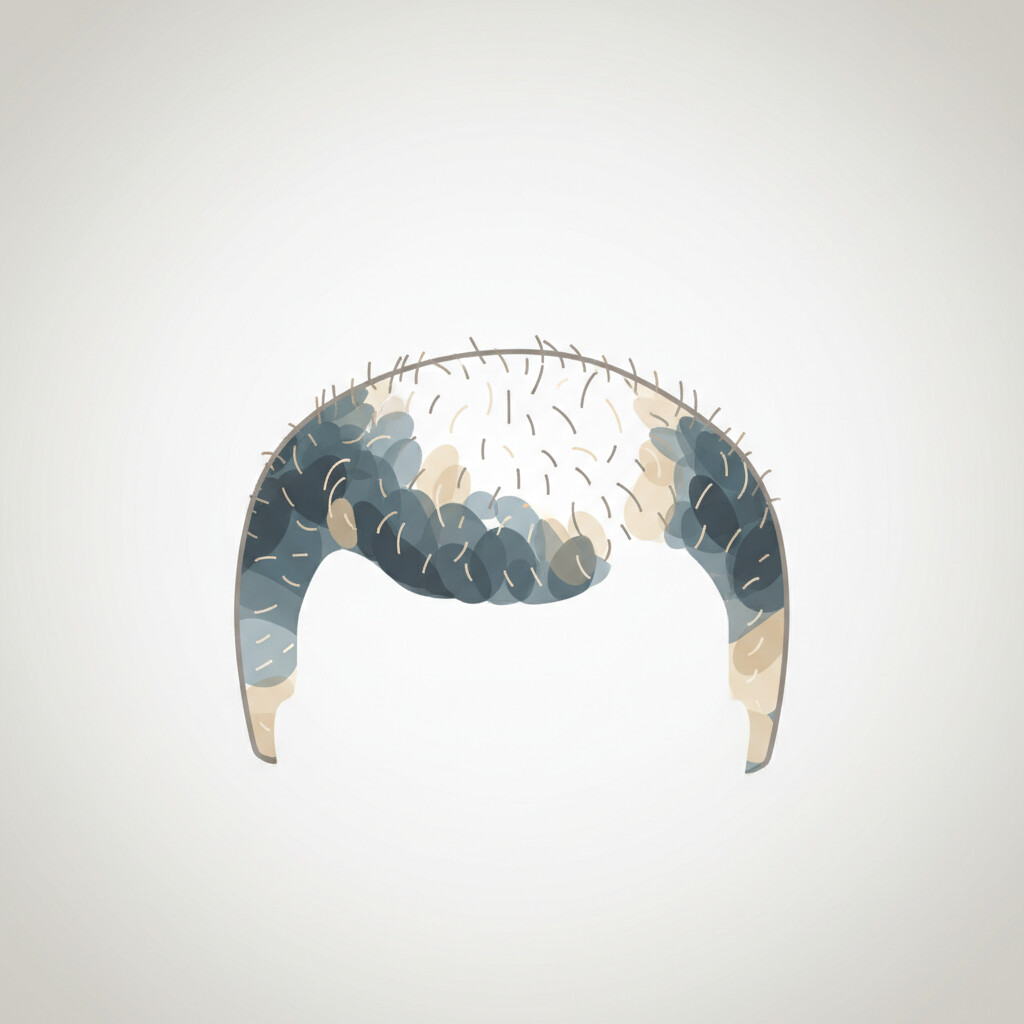
Hair loss often follows predictable patterns, and understanding these is fundamental to effective restoration. The crown, located at the very top of the head, and the hairline, which defines the front of the scalp and frames the face, are distinct areas with different aesthetic impacts when thinning occurs.
The Crown: Hair loss in the crown area typically presents as a widening of the parting or a thinning patch that can eventually expose the scalp. This area can be challenging to conceal as hair naturally parts or lies flat. When significantly thinned, the crown can give an overall impression of reduced density across the entire scalp.
The Hairline: The hairline is critical for facial aesthetics and contributes significantly to a youthful appearance. Loss here often manifests as a receding front, making the forehead appear larger. A well-defined, natural-looking hairline is essential for a balanced and aesthetically pleasing facial profile. Receding hairlines are a common concern and can impact self-perception significantly.
Factors Influencing Prioritization
The decision to prioritize the crown or hairline is not arbitrary. It is a strategic choice made in consultation with a medical professional, taking into account several key factors:
1. Extent and Progression of Loss
- Severe Hairline Recession: If the hairline has receded significantly, leaving a large, bald area at the front, this often takes precedence. Restoring the hairline can have an immediate and profound impact on facial aesthetics and a person’s overall appearance. A strong hairline helps to frame the face and can make one appear younger.
- Extensive Crown Thinning: Conversely, if the crown area is extensively thinned or bald, and the hairline, while perhaps slightly thinned, is still relatively intact, addressing the crown might be the priority. Restoring density to the crown can improve the overall impression of fullness, especially from the sides and top view.
2. Donor Hair Availability
Hair restoration procedures rely on the availability of healthy donor hair, typically from the back and sides of the scalp. The total amount of donor hair dictates how much can be transplanted and where. Specialists will assess your donor capacity to determine the feasibility of addressing both areas comprehensively or if a phased approach is necessary. Sometimes, donor limitations might steer the prioritization towards the area that offers the most significant aesthetic improvement initially.
3. Desired Aesthetic Outcome
- Framing the Face: For many, restoring a natural-looking hairline is the primary goal. This can dramatically enhance facial features and confidence. If the hairline is a major source of self-consciousness, it is often prioritized.
- Overall Density: For others, the most noticeable aspect of their hair loss is the lack of overall fullness, often stemming from a thinned crown. Restoring density in this area can provide a significant visual improvement, especially when viewed from above or in profile.
4. Age and Long-Term Vision
Hair restoration is often a long-term endeavor. A qualified specialist will consider your age and the likely progression of hair loss. The strategy might involve addressing the most critical area first, with the understanding that future sessions may be needed to refine results or address other areas as hair loss continues. A conservative approach to the hairline might be taken initially to preserve donor hair for potential future thinning in other areas.
The Consultation Process: Guiding Your Decision
An in-depth consultation is the cornerstone of successful hair restoration. This is where your specialist will meticulously assess your specific situation and guide the prioritization process.
Medical Assessment
During the consultation, the specialist will perform a thorough examination of your scalp, evaluate the pattern and density of your hair loss, and assess the quality and quantity of your donor hair. They will also discuss your medical history to ensure the safest and most effective treatment plan.
Discussing Your Goals
It is vital to openly communicate your personal goals and concerns. What aspect of your hair loss bothers you the most? What are your expectations for the outcome? Sharing your perspective helps the specialist tailor the treatment strategy to your individual needs and priorities.
Developing a Strategic Plan
Based on the medical assessment and your goals, the specialist will propose a personalized treatment plan. This plan will outline which area to address first, the number of sessions recommended, and the anticipated outcomes. The plan often considers a phased approach, especially for significant loss in both areas, ensuring that results are natural-looking and sustainable over time.
Realistic Expectations and Outcomes
Understanding what to expect is crucial for satisfaction with any hair restoration procedure.
Phased Approach
In many cases, especially where both the crown and hairline require attention, a phased approach is the most effective strategy. This means addressing one area in a primary session and planning for subsequent sessions to refine or address the other area. This allows for optimal graft placement and ensures that the results appear natural as the hair grows in.
Natural Growth and Appearance
Hair restoration aims to create a natural appearance. This involves careful planning of graft placement, angulation, and density to mimic natural hair growth patterns. The growth of transplanted hair is a gradual process, with initial results appearing several months after the procedure and full results typically visible within 12-18 months.
Long-Term Perspective
Hair loss can be a progressive condition. A well-thought-out plan considers the potential for future thinning. This often means prioritizing the area that has the most significant immediate aesthetic impact or strategically preserving donor hair for future needs. The goal is not just an immediate fix but a sustainable, aesthetically pleasing look for years to come.

Common Questions About Prioritization
Q1: If I have thinning in both my crown and hairline, which should I address first?
A1: The decision depends on your specific pattern of loss, the extent of thinning in each area, your age, donor hair availability, and your personal aesthetic priorities. Typically, if the hairline recession is significantly impacting your facial appearance, it may be prioritized. If overall density is the primary concern and the crown is extensively thinned, that might come first. A detailed consultation with a specialist is essential to determine the best order for you.
Q2: Can I have both my crown and hairline treated at the same time?
A2: While sometimes possible, treating both areas extensively in a single session is often not recommended due to limitations in donor hair supply and the desire to achieve the most natural and dense results. A phased approach, addressing one area first and planning for subsequent sessions, usually yields better long-term outcomes and allows for more precise placement. Your specialist will advise on the best strategy based on your individual circumstances.
Q3: How does age affect the decision on where to prioritize treatment?
A3: Age is a significant factor because hair loss is often a progressive condition. A younger individual might benefit from a conservative approach, focusing on the most prominent area of loss while preserving donor hair for potential future thinning. An older individual with stabilized hair loss might have more flexibility. The specialist will consider your age in relation to the likely long-term progression of your hair loss to create a sustainable plan.
Q4: Will restoring my hairline make me look younger?
A4: Restoring a well-placed, natural-looking hairline can significantly enhance facial aesthetics and contribute to a more youthful appearance. A receding hairline can make the forehead appear larger and alter facial proportions. By lowering and redefining the hairline, the face is framed more harmoniously, which can indeed create a younger-looking effect. However, the goal is always a natural result, not an unnaturally low or aggressively shaped hairline.
Discussion Section
As we’ve explored, prioritizing between the crown and hairline involves careful consideration of individual factors and a strategic approach to hair restoration. Every person’s journey with hair loss is unique, and sharing experiences can offer valuable insights.
- For those who have undergone hair restoration, how did you decide which area (crown or hairline) to address first? What were the key factors in your decision-making process?
- What are your thoughts on the importance of framing the face with a restored hairline versus achieving overall scalp density with crown restoration?
- How have your long-term expectations for hair restoration evolved as you’ve learned more about the process and potential outcomes?
Medical Disclaimer
This guide provides general information and should not be considered medical advice. Hair restoration is a medical procedure, and individual results can vary. It is essential to consult with a qualified and experienced hair restoration specialist to discuss your specific condition, goals, and suitability for treatment. Only a professional can provide a personalized assessment and recommend the most appropriate course of action for your unique situation.