Considering a hair transplant is a significant decision, and understanding the different techniques available is crucial for making an informed choice. Among the most advanced and popular methods is the Direct Hair Implantation (DHI) technique. This comprehensive guide will walk you through everything you need to know about DHI, from what it is to its benefits, the procedure itself, and what to expect during recovery. By the end, you’ll have a clear picture of whether DHI is the right option for your hair restoration journey.
What is DHI Hair Transplant?
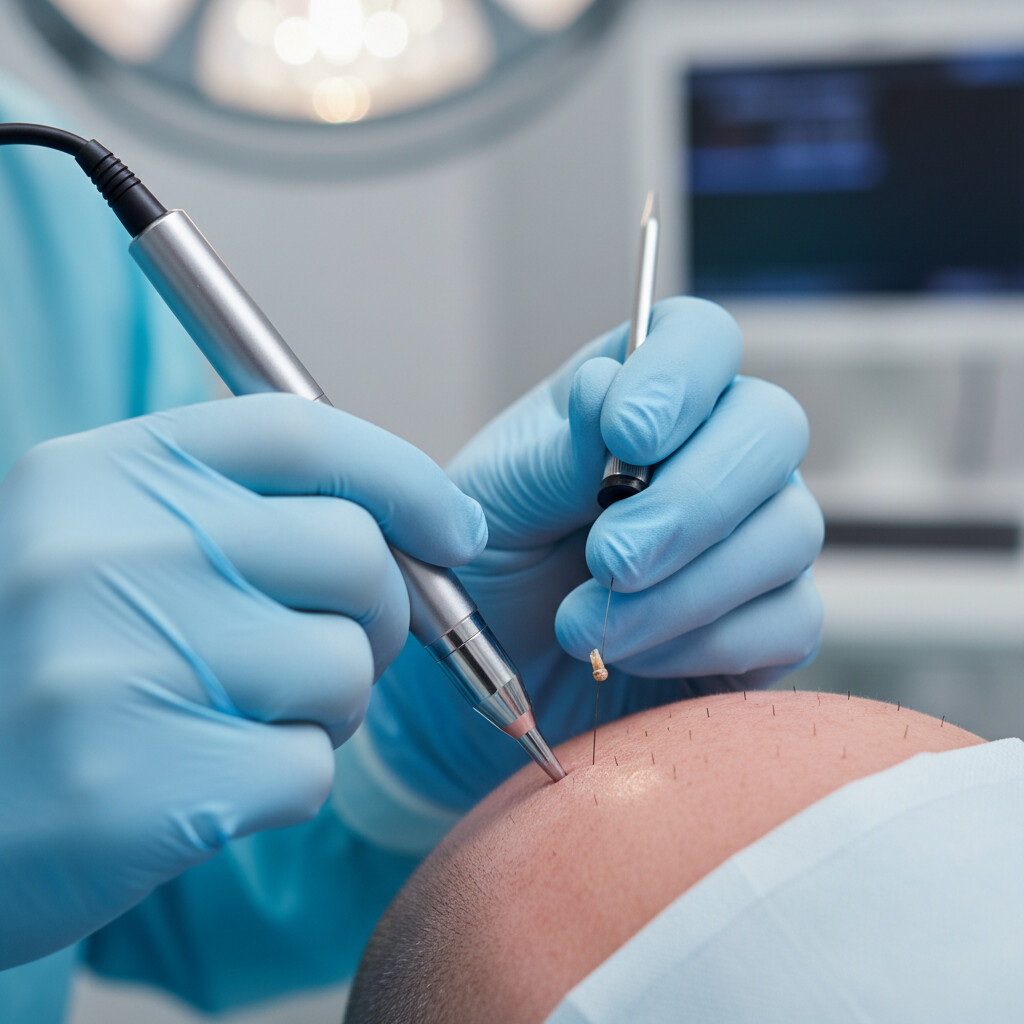
DHI, or Direct Hair Implantation, is a sophisticated evolution of traditional hair transplantation methods like Follicular Unit Transplantation (FUT) and Follicular Unit Extraction (FUE). The core principle remains the same: harvesting healthy hair follicles from a donor area (typically the back or sides of the head) and transplanting them to areas experiencing hair thinning or baldness. However, DHI distinguishes itself through its specialized implantation tool, often referred to as a ‘Choi Implanter Pen’.
Unlike FUE, where small channels are created in the recipient area before grafts are placed, DHI allows for simultaneous extraction and implantation. The Choi Implanter Pen is a pen-like device with a fine needle tip. It is used to both create the incision (channel) for the graft and implant the follicular unit into the scalp in a single, precise motion. This direct implantation method offers several advantages, including greater control over the angle, depth, and direction of each transplanted hair, leading to a more natural-looking and dense result.
Key Benefits of DHI Hair Transplantation
Choosing DHI for your hair transplant comes with a range of benefits that make it an attractive option for many individuals:
- Natural-Looking Results: The precision offered by the Choi Implanter Pen allows surgeons to meticulously control the angle, direction, and depth of each implanted follicle. This careful placement mimics natural hair growth patterns, resulting in a very natural and aesthetically pleasing outcome.
- High Graft Survival Rate: Because the follicular units are handled minimally and implanted directly, they experience less trauma. This reduced trauma contributes to a higher survival rate for the transplanted grafts, meaning more of your transplanted hair will grow successfully.
- Minimally Invasive Procedure: DHI is a minimally invasive technique that does not require extensive cutting or incisions in the recipient area, unlike FUT. The small, needle-like insertion points lead to less scarring and a quicker healing process.
- Reduced Trauma to Grafts: The direct implantation process means that the harvested follicular units spend less time outside the body. This is critical for maintaining the health and viability of the grafts, ultimately leading to better growth.
- Faster Recovery: Due to the less invasive nature of the procedure and the smaller wound sites, patients often experience a faster and more comfortable recovery compared to other methods. Many can return to their normal activities within a few days.
- No Pre-Cutting or Channeling: The unique DHI tool eliminates the need for separate channel creation. This integrated process streamlines the procedure and can lead to denser packing of grafts in specific areas.
The DHI Hair Transplant Procedure Step-by-Step
The DHI procedure is typically performed under local anesthesia and is usually completed within a single day, though the duration can vary based on the number of grafts needed.
-
Consultation and Planning: The process begins with a thorough consultation with a hair transplant specialist. During this phase, your hair loss pattern, donor area density, and desired outcome are assessed. The specialist will determine the number of grafts required and map out the implantation plan, considering the aesthetic goals.
-
Donor Area Preparation: The donor area (usually the occipital scalp) is prepared. The hair in this region is trimmed short to allow for easy access to the individual follicular units.
-
Graft Extraction (FUE Method): Although DHI is a distinct implantation technique, the grafts are typically harvested using the FUE method. Using a specialized micro-punch tool, individual follicular units, each usually containing 1-4 hairs, are carefully extracted one by one from the donor area. These extracted grafts are then stored in a special solution to keep them viable.
-
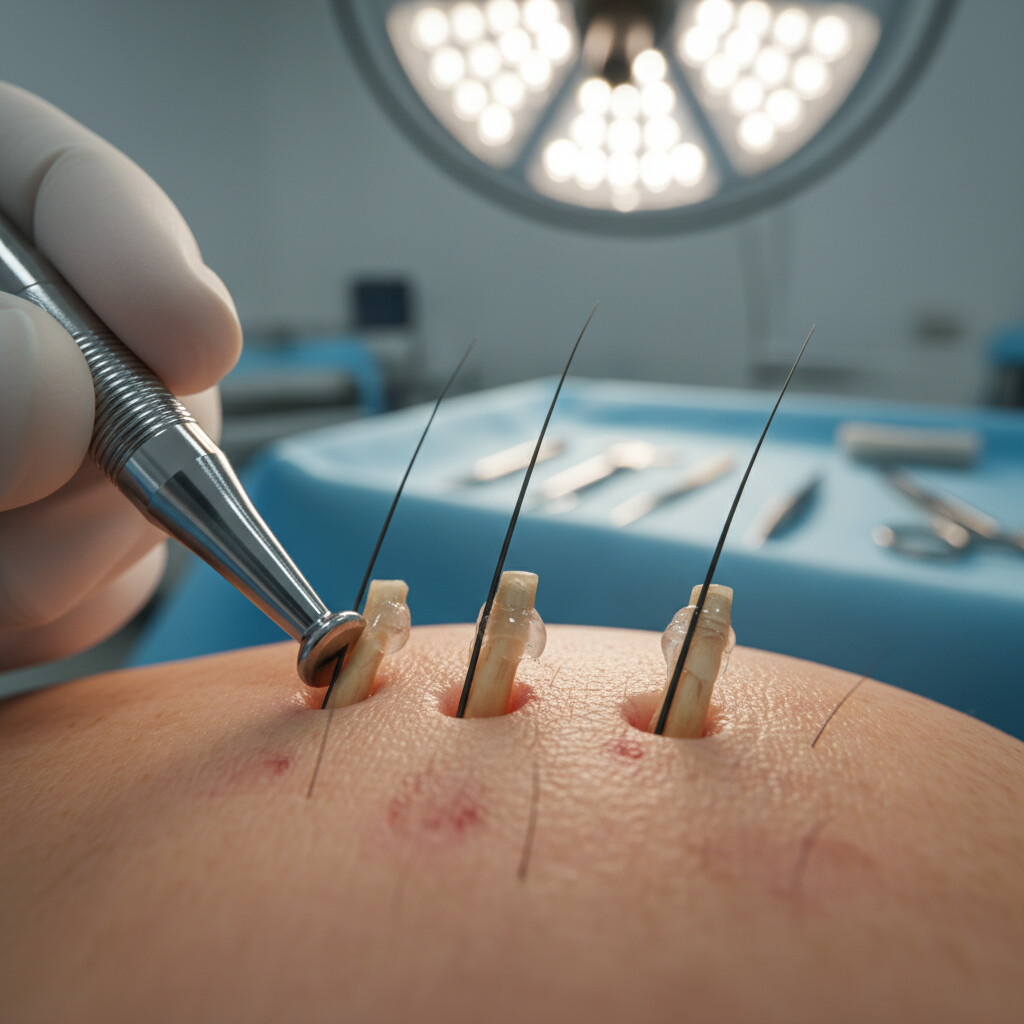
Graft Implantation (DHI Method): This is where the DHI technique truly shines. The harvested follicular units are loaded into the Choi Implanter Pen. The surgeon then uses this pen to simultaneously create a small opening in the recipient scalp and insert the follicular unit at a precise angle, depth, and direction. This allows for immediate implantation, minimizing the time the grafts are outside the body and ensuring optimal placement for a natural look.
-
Post-Procedure Care: After the implantation is complete, the treated areas are gently cleaned. Instructions for post-operative care, including medication, washing guidelines, and activity restrictions, will be provided.
What to Expect After a DHI Hair Transplant
Recovery from a DHI hair transplant is generally smoother and quicker than with other methods, but it’s essential to follow your surgeon’s post-operative instructions carefully to ensure the best results.
- Immediate Post-Op: You may experience some redness, swelling, and minor discomfort in both the donor and recipient areas. Tiny crusts or scabs will form around the newly implanted grafts. These are normal and should not be picked at.
- First Few Days: Most patients can resume light activities and return to work within 2-3 days, provided their job doesn’t involve strenuous physical exertion or direct impact to the scalp. You’ll need to be careful when sleeping to avoid pressure on the transplanted areas.
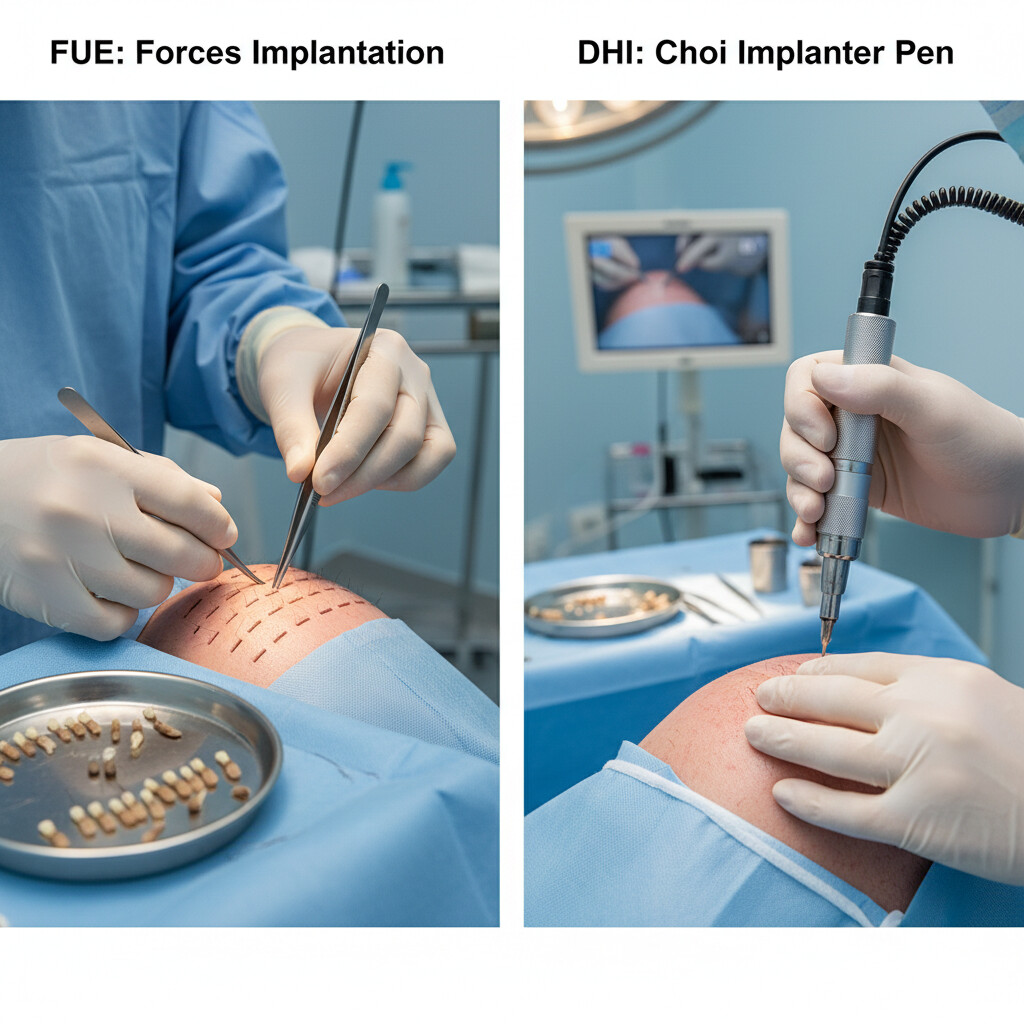
- First Two Weeks: The initial scabs will typically fall off within the first 7-14 days. You will also likely experience what’s known as ‘shock loss,’ where the transplanted hairs shed. This is a normal part of the process, and new hair growth will begin soon after.
- 1-3 Months: New hair growth should begin to emerge. Initially, these hairs may be fine and sparse, but they will gradually thicken over time.
- 3-6 Months: Significant hair growth will be visible. The transplanted hairs will continue to thicken and lengthen, becoming more noticeable.
- 6-12 Months: The majority of your transplanted hair will have grown, and the final results will become increasingly apparent. The transplanted hair will continue to mature and blend with your existing hair.
- 12+ Months: The full results of the DHI hair transplant are typically visible around the 12-month mark, with continued maturation and density improvements possible beyond this point.
Who is a Good Candidate for DHI Hair Transplant?
DHI hair transplantation is an excellent option for many individuals experiencing hair loss, including:
- Men and Women: Both genders can benefit from DHI for various types of hair loss, including androgenetic alopecia (male and female pattern baldness).
- Those Seeking Natural Results: Individuals who prioritize a natural hairline and density will appreciate the precision of DHI.
- Patients with Limited Donor Hair: The efficiency of DHI in graft placement can be advantageous for patients with limited donor hair resources, as it maximizes the yield from each graft.
- Individuals Who Prefer Minimally Invasive Procedures: If you want to avoid linear scars associated with FUT and prefer a less invasive approach, DHI is a strong contender.
- Receding Hairlines and Crown Thinning: DHI is highly effective for restoring density in areas like the hairline, part lines, and the crown of the head.
DHI vs. FUE: Understanding the Differences
While DHI utilizes FUE for graft extraction, its implantation method is what sets it apart. Here’s a quick comparison:
- FUE (Follicular Unit Extraction): Involves extracting individual follicular units and then creating separate micro-incisions or channels in the recipient area where the grafts are placed. This requires two distinct steps for implantation.
- DHI (Direct Hair Implantation): Uses the same extraction method (FUE) but employs the Choi Implanter Pen to create the opening and insert the graft simultaneously. This is a single-step implantation process.
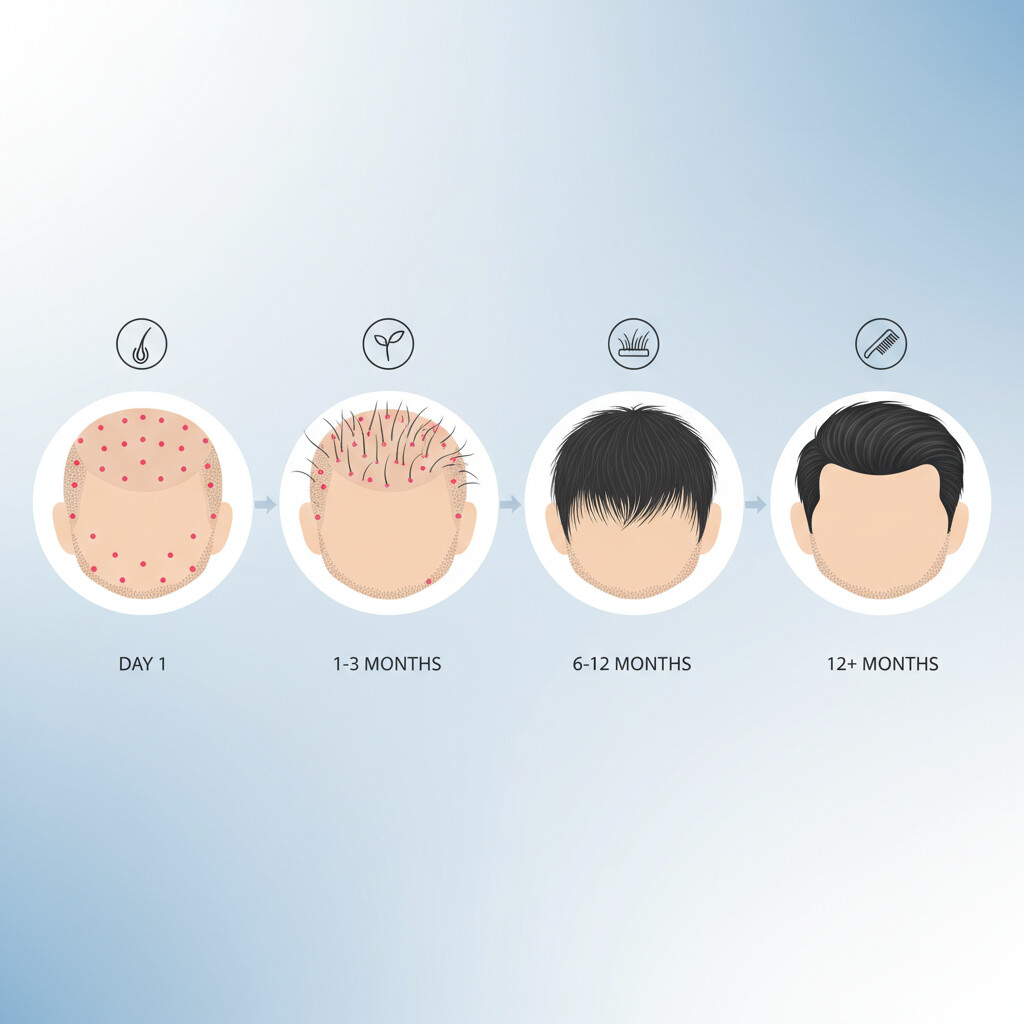
The key differentiator is the tool used for implantation and the integrated nature of the DHI process, which leads to enhanced control and potentially better graft survival and aesthetic outcomes. However, the choice between DHI and FUE (or other methods) often depends on the patient’s specific needs, the surgeon’s expertise, and the desired outcome. Some surgeons may also offer FUE with manual or automatic implanters that can achieve similar results to DHI, highlighting the importance of consulting with an experienced professional.
Conclusion
The DHI hair transplant technique represents a significant advancement in the field of hair restoration. Its precision, minimally invasive nature, and ability to produce natural-looking results make it a top choice for individuals seeking to combat hair loss effectively. By understanding the procedure, its benefits, and the recovery process, you can make a more confident decision about whether DHI is the right path for you. Remember, a thorough consultation with a qualified and experienced hair transplant surgeon is the most crucial step in planning your successful hair restoration journey.