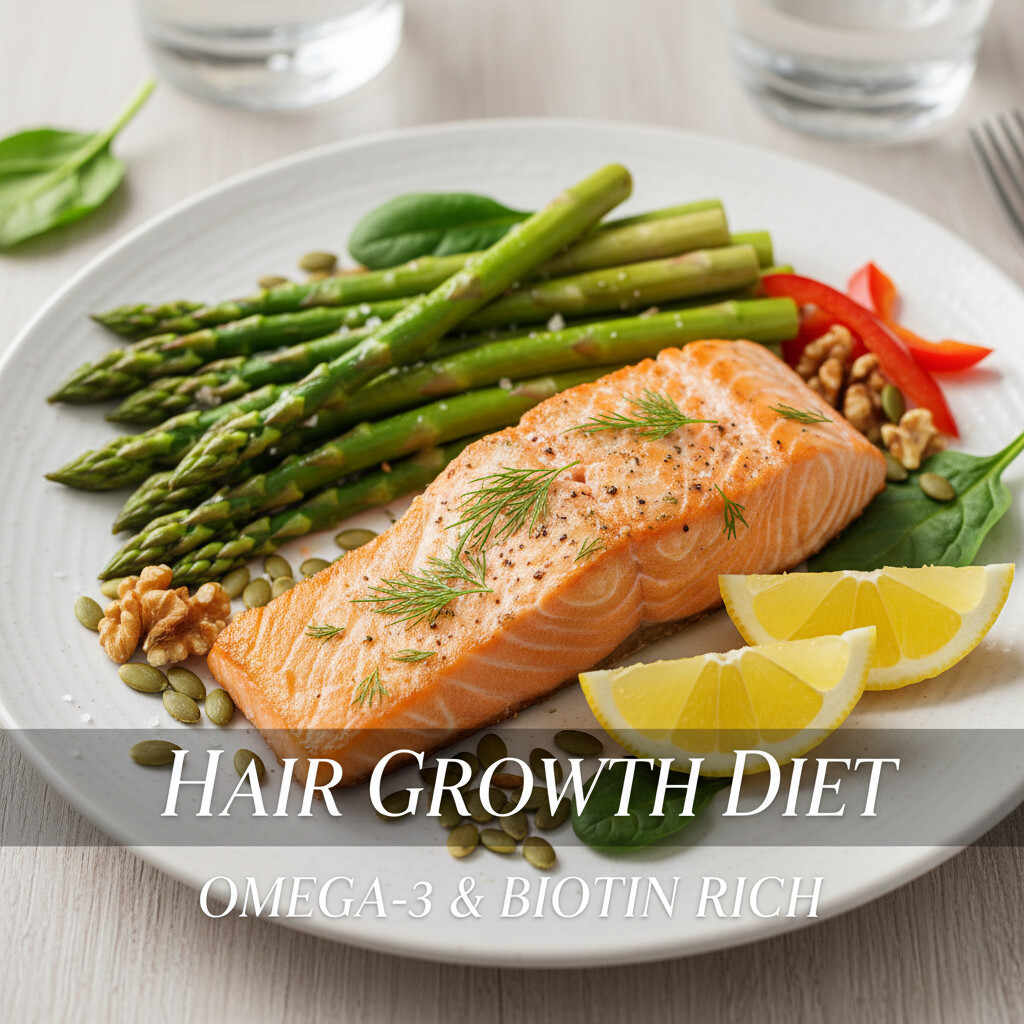
A hair transplant is a significant procedure, and while the surgical aspect is crucial, the recovery and long-term success heavily rely on your post-operative care. Among the most vital, yet often overlooked, components of this care is your diet and nutrition. What you eat plays a direct role in how well your transplanted hair grows and how quickly your scalp heals. This guide will walk you through the essential dietary considerations for optimal results after your hair transplant.
Key Areas We’ll Cover:
- The Importance of Nutrition for Hair Growth
- Essential Nutrients for Post-Transplant Recovery
- Foods to Prioritize for Healthy Hair Growth
- Foods to Avoid or Limit
- Hydration: The Unsung Hero of Recovery
- Supplements: When and If They Are Necessary
The Importance of Nutrition for Hair Growth
Hair is primarily composed of a protein called keratin. For your body to produce healthy hair, it needs a consistent supply of essential vitamins, minerals, and proteins. After a hair transplant, your scalp is in a healing phase. During this time, your body requires even more resources to repair the micro-injuries caused by the procedure and to support the new hair follicles. A well-balanced diet provides these crucial building blocks, promoting faster healing, reducing the risk of infection, and ultimately fostering robust hair growth from the newly implanted grafts.
Conversely, a poor diet can hinder the healing process, potentially leading to slower graft survival and compromised results. Malnutrition can weaken your immune system, making you more susceptible to complications, and it deprives your hair follicles of the necessary nutrients to thrive.
Essential Nutrients for Post-Transplant Recovery
Several key nutrients are particularly vital for individuals recovering from a hair transplant. Focusing on these can make a significant difference in your healing and hair growth journey.
- Protein: As the building block of hair, protein is indispensable. It aids in tissue repair and the formation of new hair strands. Good sources include lean meats, fish, eggs, dairy products, legumes, and tofu.
- Vitamins:
- Vitamin A: Essential for cell growth, including hair. It also helps the scalp produce sebum, a natural oil that keeps hair moisturized. Found in sweet potatoes, carrots, spinach, and eggs.
- B Vitamins (especially Biotin): Biotin (Vitamin B7) is renowned for its role in keratin production. Other B vitamins help create red blood cells, which carry oxygen and nutrients to the scalp and hair follicles. Sources include whole grains, eggs, nuts, and leafy greens.
- Vitamin C: A powerful antioxidant that aids in collagen production, crucial for tissue repair. It also helps the body absorb iron. Abundant in citrus fruits, berries, bell peppers, and broccoli.
- Vitamin D: May help create new follicles, the pores where new hair can grow. Sunlight exposure is a primary source, but it’s also found in fatty fish, fortified foods, and egg yolks.
- Vitamin E: Another antioxidant that can help prevent oxidative stress. Found in nuts, seeds, spinach, and avocado.
- Minerals:
- Iron: Crucial for carrying oxygen in the blood, which is vital for hair growth. Iron deficiency (anemia) is a common cause of hair loss. Rich sources include red meat, spinach, lentils, and fortified cereals.
- Zinc: Plays a role in hair tissue growth and repair. It also helps keep the oil glands around the follicles working properly. Found in oysters, beef, pumpkin seeds, and lentils.
- Selenium: An antioxidant mineral that plays a role in hair health. Brazil nuts are an excellent source.
- Omega-3 Fatty Acids: These healthy fats can help reduce inflammation and promote a healthy scalp environment. Found in fatty fish (salmon, mackerel), flaxseeds, chia seeds, and walnuts.
Foods to Prioritize for Healthy Hair Growth
Incorporating these nutrient-dense foods into your diet can significantly support your post-hair transplant recovery and stimulate healthy hair growth:
-
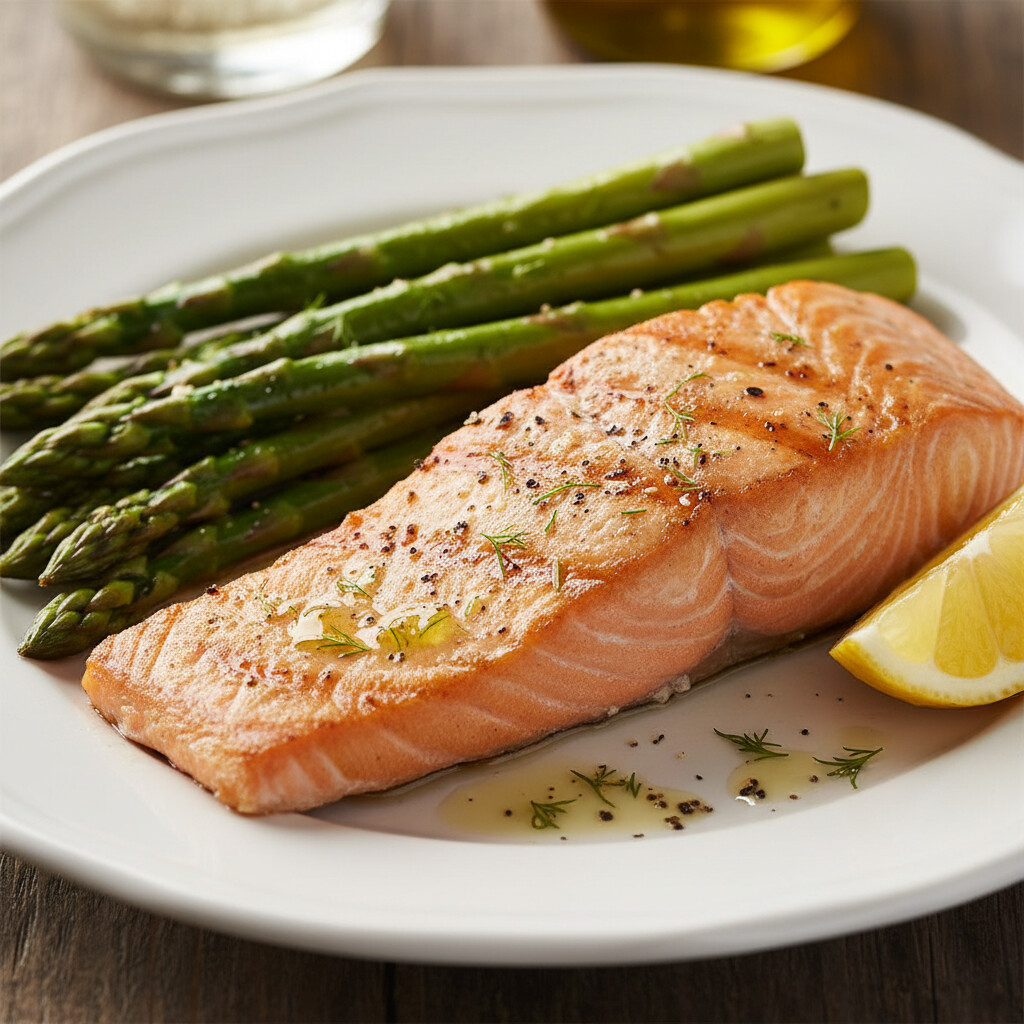
Fatty Fish: Salmon, mackerel, and herring are excellent sources of protein, Vitamin D, and Omega-3 fatty acids.
: A close-up shot of a plate with grilled salmon, asparagus, and a lemon wedge, emphasizing healthy fats and protein. Aim to consume 2-3 servings per week.
-
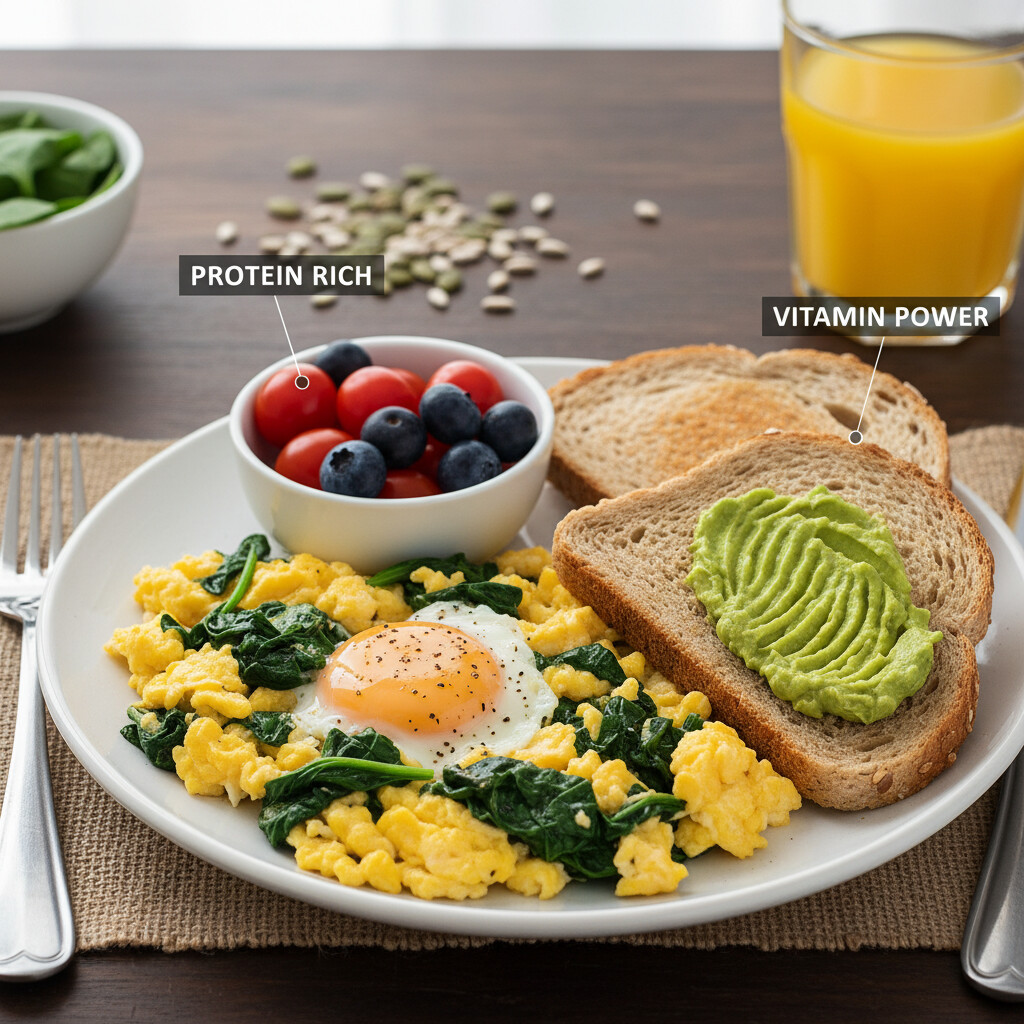
Eggs: A powerhouse of protein, biotin, and Vitamin D. They are versatile and can be incorporated into various meals.
: A visually appealing image of scrambled eggs with spinach and whole-wheat toast, highlighting protein and vitamins. Ensure they are fully cooked.
-
Berries: Rich in antioxidants like Vitamin C, which helps protect hair follicles from damage and aids in collagen production. Blueberries, strawberries, and raspberries are great choices.
-
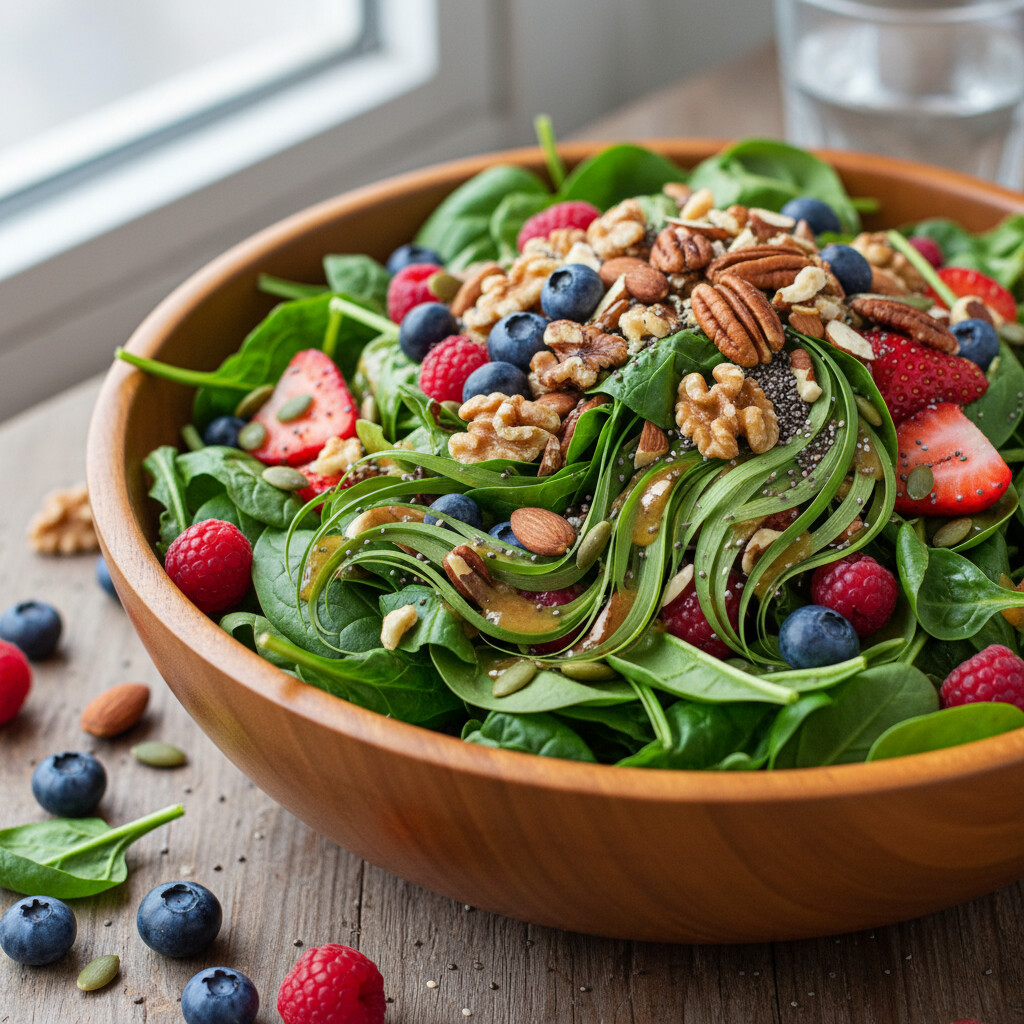
Spinach and Other Leafy Greens: Packed with folate, iron, Vitamin A, and Vitamin C. These nutrients are crucial for hair growth and scalp health.
: A vibrant salad featuring spinach, mixed greens, berries, and nuts, showcasing a variety of hair-healthy ingredients. Include them in salads, smoothies, or as side dishes.
-
Nuts and Seeds: Almonds, walnuts, chia seeds, and flaxseeds provide Vitamin E, zinc, selenium, and Omega-3 fatty acids. A small handful daily can be beneficial.
-
Sweet Potatoes: An excellent source of beta-carotene, which the body converts into Vitamin A, essential for hair growth and scalp health.
-
Lean Meats and Poultry: Provide high-quality protein and essential minerals like iron and zinc. Opt for chicken breast, turkey, or lean beef.
-
Legumes: Beans, lentils, and peas are great plant-based sources of protein, iron, zinc, and biotin.
Foods to Avoid or Limit
Just as certain foods promote growth, others can hinder your recovery and hair health. It’s advisable to limit or avoid the following:
- Sugary Foods and Drinks: High sugar intake can lead to inflammation, which can negatively impact healing and hair growth. It can also disrupt the balance of hormones that influence hair growth. This includes sodas, candies, pastries, and processed snacks.
- Highly Processed Foods: Often lack essential nutrients and are high in unhealthy fats, sodium, and sugar. Examples include fast food, pre-packaged meals, and most processed meats.
- Excessive Alcohol: Can dehydrate the body and interfere with nutrient absorption. It’s best to limit alcohol consumption, especially in the initial recovery phase.
- Raw or Undercooked Foods (especially in the initial healing phase): To minimize the risk of foodborne illnesses, which could complicate recovery, ensure all meats, poultry, fish, and eggs are thoroughly cooked. Be mindful of raw sprouts or unpasteurized dairy.
Hydration: The Unsung Hero of Recovery
Water is fundamental for overall health and is particularly critical after a hair transplant. Proper hydration supports cell function, aids in nutrient transport to the follicles, and helps flush out toxins. Dehydration can slow down the healing process and negatively impact hair growth. Aim to drink at least 8-10 glasses of water per day. Herbal teas and broths can also contribute to your fluid intake, but water should be your primary beverage.
Supplements: When and If They Are Necessary
While a balanced diet should be your first line of defense, your doctor might recommend certain supplements if you have specific deficiencies or if your dietary intake is insufficient. Common supplements considered for hair health include:
- Biotin: Often taken for hair and nail strength.
- Vitamin D: If your levels are low.
- Iron: For those with diagnosed iron deficiency anemia.
- Zinc: If levels are found to be low.
Crucially, always consult with your hair transplant surgeon or a healthcare professional before starting any new supplements. They can assess your individual needs and recommend appropriate dosages to avoid potential interactions or side effects. Self-prescribing supplements can be ineffective or even harmful.
Conclusion
Your diet is a powerful tool in ensuring the success of your hair transplant. By focusing on nutrient-rich foods that support healing and hair growth, and by minimizing foods that can hinder your progress, you are actively contributing to achieving the best possible outcome. Remember that consistency is key. Make these dietary changes a part of your lifestyle, not just a temporary fix. Coupled with proper surgical technique and diligent post-operative care, a healthy diet will pave the way for thicker, fuller, and healthier-looking hair for years to come.