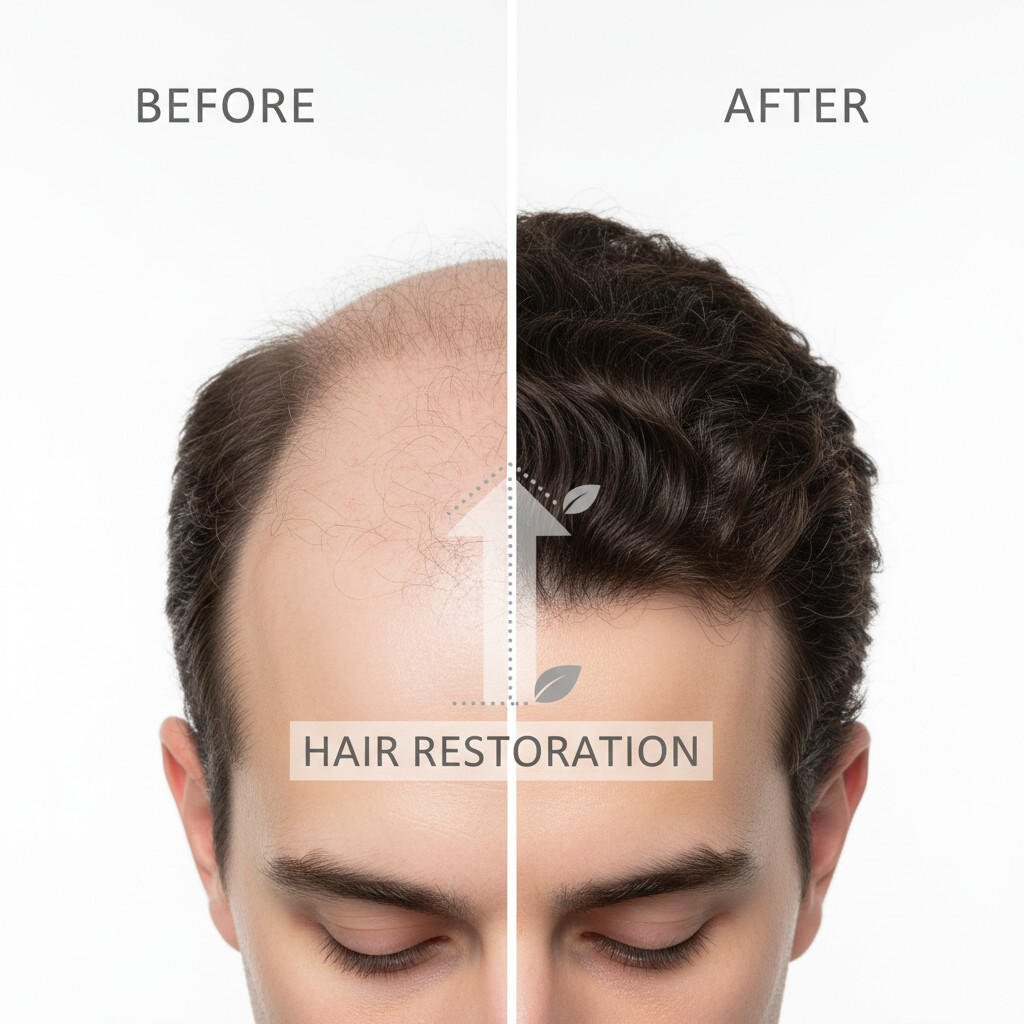
Considering a hair transplant is a significant decision, and one of the most common questions potential patients have is whether a single session will suffice or if multiple procedures are necessary. The answer isn’t a simple yes or no; it depends on a variety of individual factors. Understanding these factors can help you set realistic expectations and plan your hair restoration journey effectively. This guide will delve into the key elements that determine the number of hair transplant sessions you might need.
Checklist: Factors Influencing Hair Transplant Session Count
- Extent of Hair Loss: The severity and pattern of your baldness are primary determinants.
- Desired Hair Density: How full you want your final result to be plays a crucial role.
- Donor Hair Availability: The quality and quantity of hair in your donor area are critical.
- Hair Characteristics: Factors like hair color, texture, and thickness impact the outcome.
- Age and Progression of Hair Loss: Future hair loss patterns need to be considered.
- Type of Hair Transplant Technique: Different methods have different implications for session planning.
- Patient Expectations and Budget: Realistic goals and financial planning are essential.
The Extent of Hair Loss: A Primary Driver
The most significant factor influencing the number of sessions is the extent of your hair loss. Hair loss is often categorized using scales like the Norwood-Hamilton scale for men and the Ludwig scale for women. These scales classify the severity and pattern of baldness.
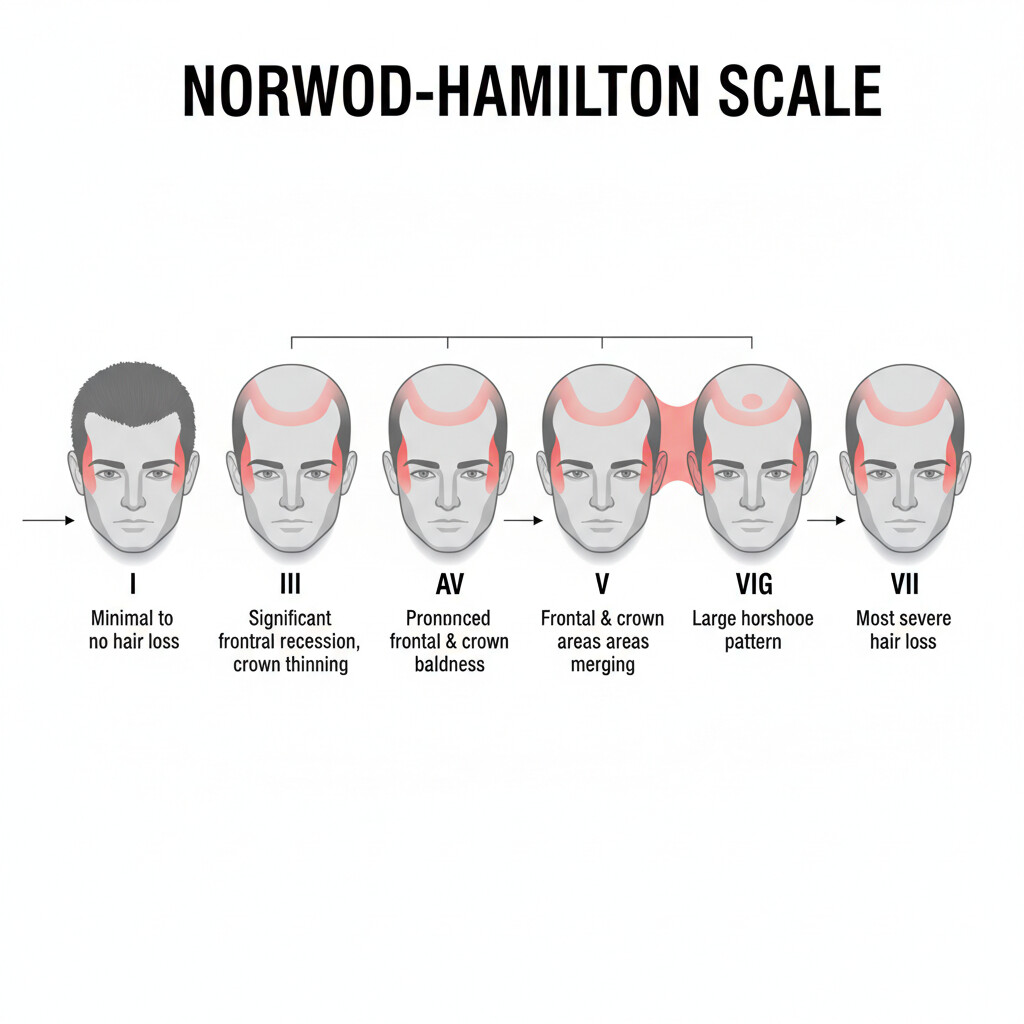
If you have mild to moderate hair loss, particularly in the frontal hairline or a small thinning area on the crown, a single, well-executed hair transplant session might be sufficient to achieve a natural-looking and satisfactory result. This is because a single session can effectively transplant a considerable number of follicular units to cover these areas. However, for individuals with advanced hair loss, characterized by extensive thinning or baldness across large areas of the scalp (e.g., Norwood 5, 6, or 7), achieving a dense and comprehensive restoration in one go is often impossible and inadvisable.
Attempting to transplant too many grafts in a single session can overwhelm the scalp’s healing capacity, potentially lead to suboptimal graft survival, and result in an unnatural appearance. Therefore, in cases of extensive hair loss, a phased approach with multiple sessions spaced several months apart is typically recommended. This allows for gradual restoration, better graft integration, and a more natural-looking outcome over time. Each session can focus on a different area or add density to previously transplanted zones.
Desired Hair Density: The Quest for Fullness
Another critical factor is the level of density you wish to achieve. Density refers to the number of hair follicles transplanted per square centimeter. Some patients are content with a natural-looking coverage that restores their hairline and fills in thinning areas, while others desire a very dense, full head of hair, often mimicking the thickness they had in their youth.
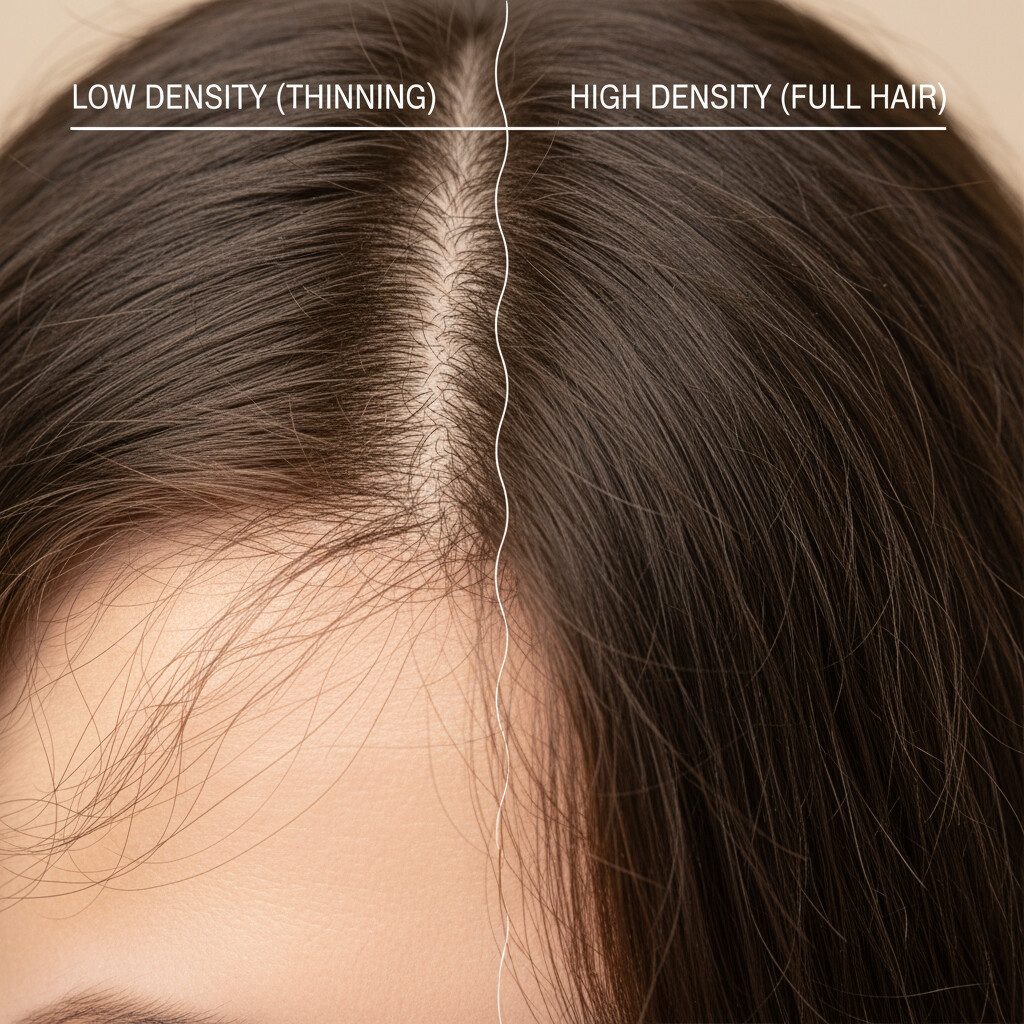
Achieving a very high density, especially in areas that are already significantly thinned, often requires a larger number of grafts than can be safely and effectively transplanted in a single procedure. Surgeons aim to balance the desire for density with the available donor hair and the scalp’s physiological limits. To reach a desired high density, particularly in areas with significant loss, multiple sessions might be necessary. This allows the surgeon to strategically add more grafts in subsequent procedures, building up the density gradually without compromising the health of the scalp or the survival of the transplanted grafts.
Donor Hair Availability: The Crucial Resource
The success of any hair transplant hinges on the availability of healthy, viable donor hair. The donor area, typically the back and sides of the scalp, has hair that is genetically resistant to the hormones causing baldness. The number of follicular units that can be safely extracted from the donor area is limited.
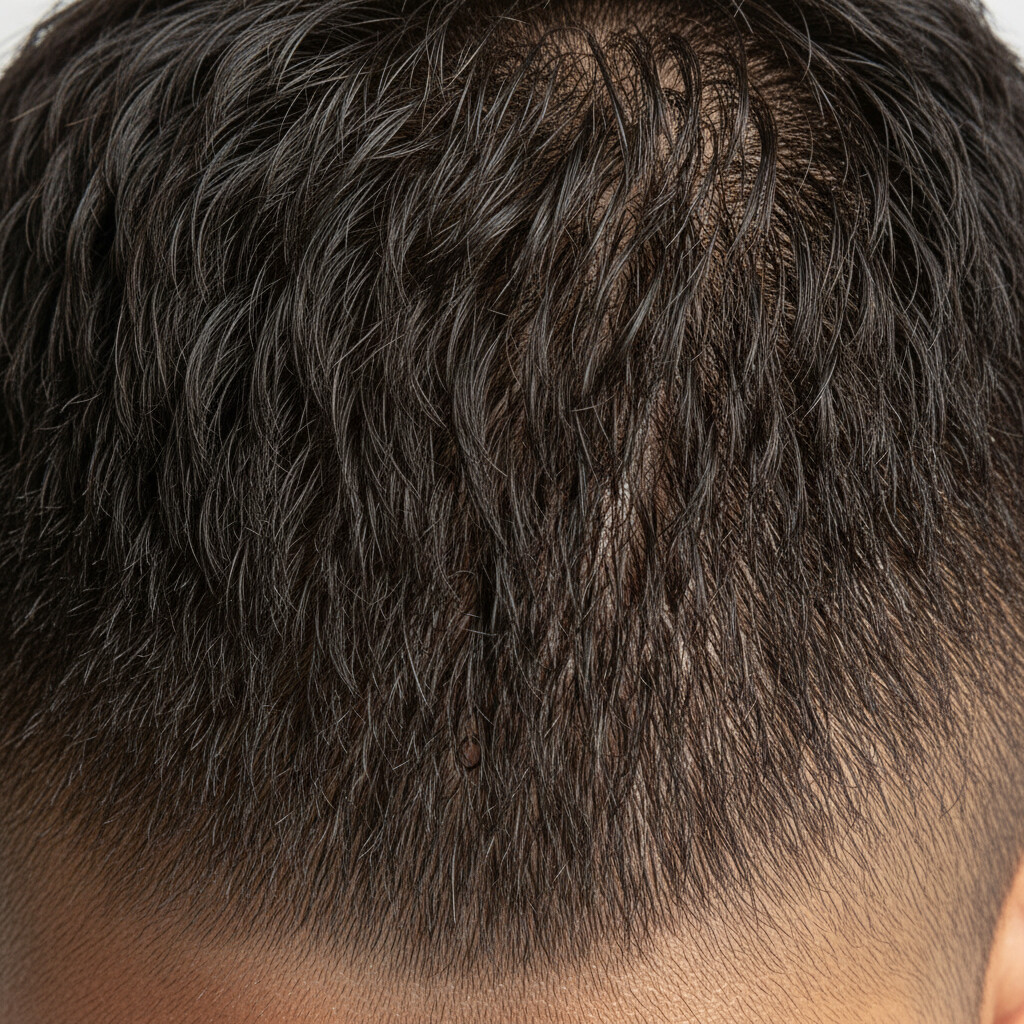
Surgeons assess the density, thickness, and coverage of your donor area to determine how many grafts can be harvested without causing noticeable thinning in the donor region itself. If you have a limited donor supply but extensive hair loss or a desire for high density, you may need multiple sessions to achieve your goals. In such cases, the surgeon will carefully plan the extraction and transplantation over several procedures, ensuring that the donor area remains aesthetically acceptable. Sometimes, if the donor supply is severely limited, patients may need to temper their expectations regarding density or consider alternative areas for grafting (though these are less common and carry different risks).
Hair Characteristics: The Aesthetic Impact
Individual hair characteristics also play a role. Hair color, texture, and thickness can influence how dense the transplanted hair appears. For instance:
- Hair Color and Scalp Contrast: Individuals with dark hair and a fair scalp often appear to have denser hair even with a lower graft count due to the contrast. Conversely, fair-haired individuals with fair skin might require a higher density to achieve a similar visual effect.
- Hair Texture and Thickness: Thicker, coarser hair provides more coverage than finer hair. If your hair is naturally fine, more grafts might be needed to achieve the desired fullness.
- Hair Curl: Curly hair follicles tend to provide more coverage than straight hair because the curl creates a spring-like effect, offering greater volume and apparent density.
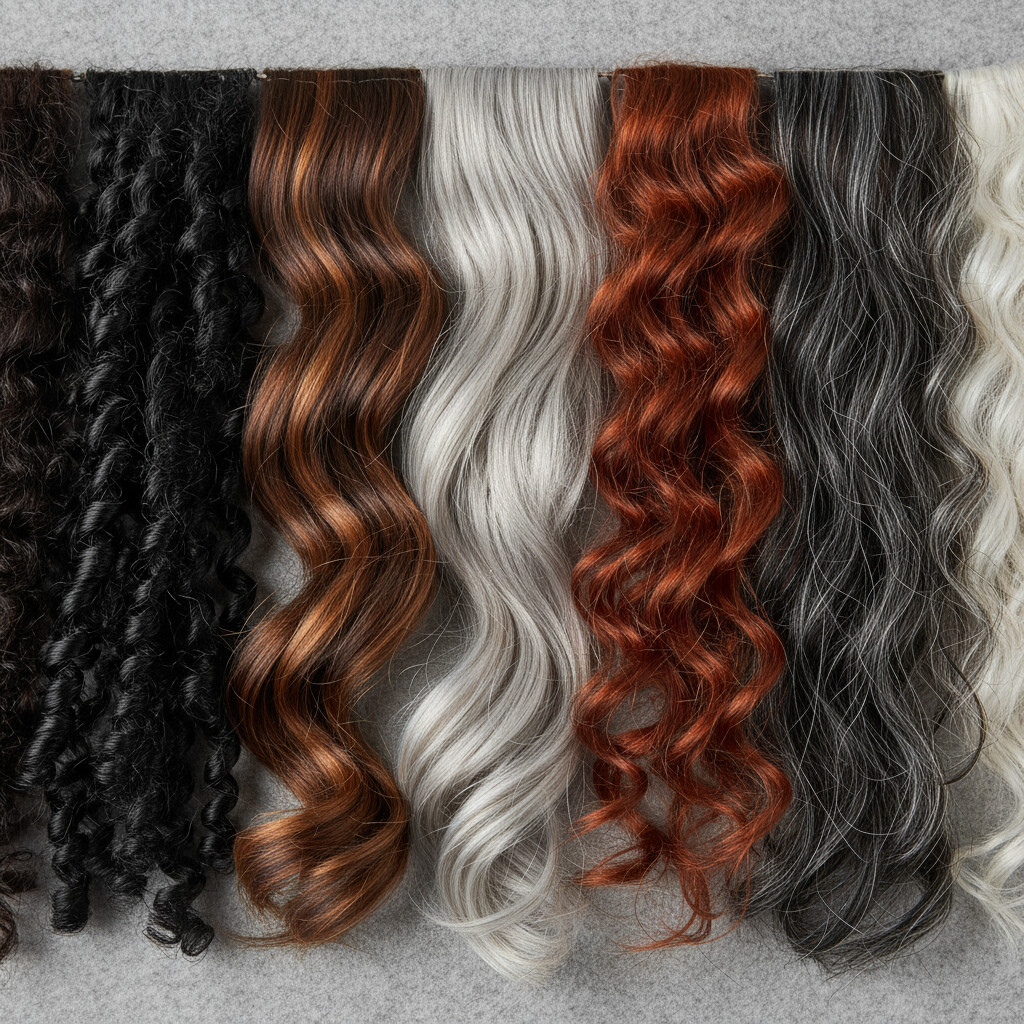
These characteristics mean that the same number of transplanted grafts might look denser on one person than another. Surgeons consider these aesthetic factors when planning the number of sessions needed to meet your specific density and appearance goals.
Age and the Progression of Hair Loss
Hair loss is often a progressive condition. For younger individuals experiencing hair loss, it’s crucial for the surgeon to consider the likely future progression of their baldness. A hair transplant performed at a young age without considering future loss can lead to an unnatural appearance down the line, with transplanted hair in the front and thinning or baldness continuing behind it.
In such cases, surgeons may recommend a conservative approach, transplanting to restore the hairline and fill initial thinning areas. They might also advise waiting or planning for future sessions as the hair loss pattern becomes more defined. This approach ensures that the transplanted hair integrates well with the natural progression of hair loss, maintaining a harmonious and youthful appearance over time. Sometimes, multiple sessions are planned from the outset to account for this progression, addressing both current loss and anticipated future thinning.
Type of Hair Transplant Technique
Different hair transplant techniques have different implications for session planning and graft capacity. The two primary methods are:
- Follicular Unit Transplantation (FUT): This technique involves removing a strip of skin from the donor area, dissecting it into individual follicular units, and then transplanting them. FUT can yield a large number of grafts in a single session, but it leaves a linear scar.
- Follicular Unit Extraction (FUE): This method involves extracting individual follicular units directly from the donor area using a micro-punch tool. FUE allows for a more natural and less noticeable donor scar (tiny dots) and is often preferred for smaller procedures or when very short hairstyles are desired. However, the number of grafts that can be extracted per session in FUE is typically limited by the time it takes to extract and implant them, and the capacity of the donor area to heal.
While both techniques can be used for multiple sessions, the decision might be influenced by the maximum number of grafts that can be safely and effectively transplanted in one session using the chosen method, aiming for optimal graft survival and patient comfort.
Patient Expectations and Budget
Finally, realistic patient expectations and budget considerations play a significant role. A comprehensive hair restoration can be a substantial investment. Some patients may opt for multiple sessions spread over time to manage costs, while others may prioritize achieving their desired results as quickly as possible through potentially more intensive procedures.
It’s crucial to have an open discussion with your surgeon about your expectations, the potential outcomes, the number of sessions required, and the associated costs. A skilled surgeon will guide you through these considerations, ensuring you have a clear understanding of the process and the results you can realistically achieve. Setting achievable goals and aligning them with your budget will contribute to a positive and satisfying hair transplant experience.
Conclusion: A Personalized Approach
In summary, the decision of whether you need one or more hair transplant sessions is highly personalized. It depends on the extent of your hair loss, your desired density, the availability of donor hair, your hair characteristics, age, the chosen technique, and your personal expectations and financial plan. A thorough consultation with an experienced hair transplant surgeon is the best way to determine the optimal treatment plan for your unique situation. They will assess all these factors and provide a clear roadmap for achieving your hair restoration goals, whether it takes one session or several.