
Embarking on a hair transplant journey is a significant step towards regaining a fuller head of hair, and it’s natural to have questions about what to expect during the recovery process. One of the most common concerns revolves around the fate of the transplanted hair, specifically whether it falls out and why. This phenomenon is often referred to as ‘shock loss,’ and understanding it is key to a smooth and reassuring recovery.
What You Can Expect: A Gentle Overview
This guide aims to demystify the post-transplant experience, focusing on the natural shedding of transplanted hair and what it means for your long-term results. We’ll cover:
- The initial period after your procedure.
- Why transplanted hairs might shed.
- The concept of “shock loss” and its normality.
- What happens to the follicles during this phase.
- The exciting regrowth phase that follows.
- How to support your journey to fuller hair.
The Journey Begins: Immediately After Transplantation
Following your hair transplant procedure, you’ll be given specific aftercare instructions to ensure the best possible healing environment. In the initial days and weeks, the transplanted areas will be sensitive, and it’s crucial to follow your clinic’s guidance carefully. You might notice tiny crusts forming around the newly placed hairs, which are a normal part of the healing process and will typically resolve on their own within a week or two. Your medical team will provide gentle methods for cleaning and caring for these areas.
The Natural Shedding: A Crucial Part of the Process
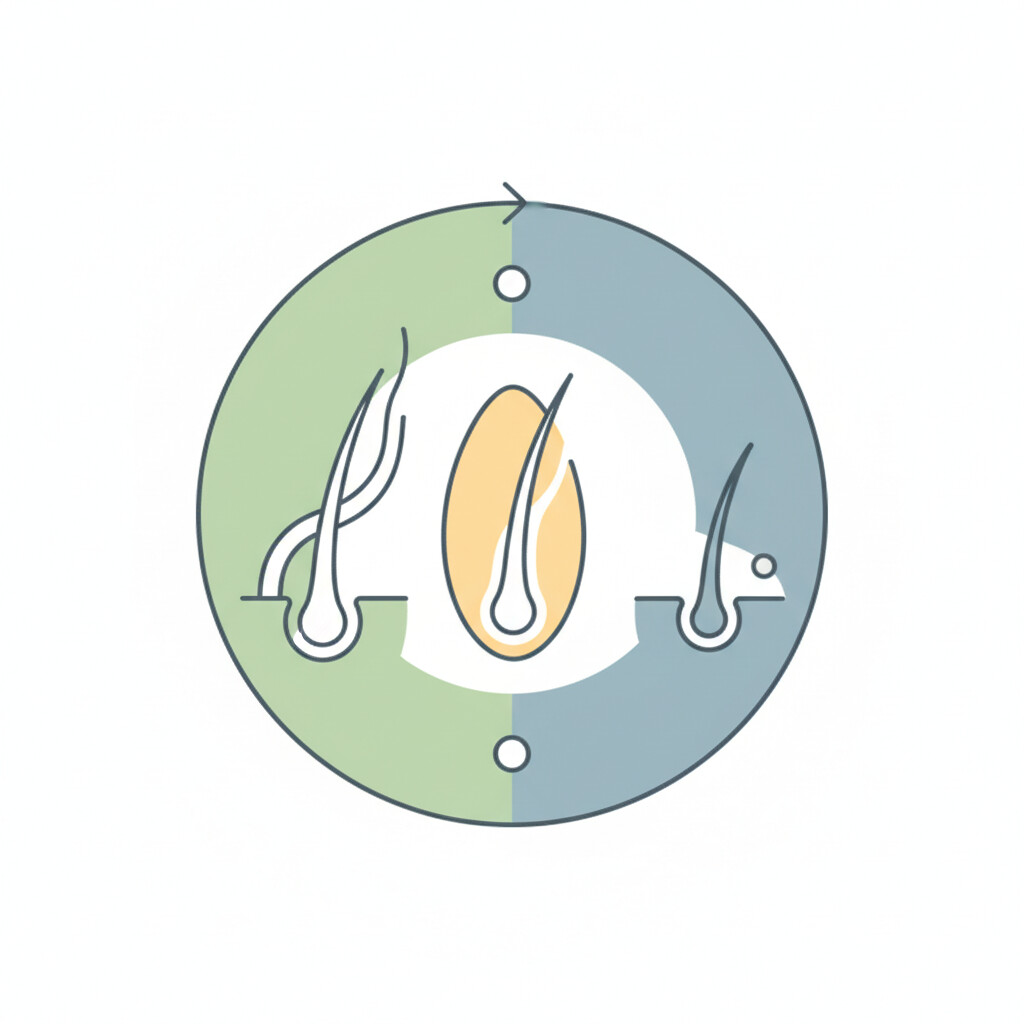
It’s quite common, and indeed expected, for many of the transplanted hairs to shed within the first 2-6 weeks after the procedure. This might sound alarming, but it’s a completely natural and healthy part of the hair growth cycle. Think of it as the transplanted hair preparing for its new, permanent home. The hair shaft, the visible part of the hair, detaches from the follicle, the root structure beneath the skin. The follicle itself remains intact and healthy, ready to begin the process of producing new hair.
Understanding “Shock Loss”
“Shock loss” is a term used to describe a temporary shedding of hair that can occur not only in the transplanted areas but sometimes also in the surrounding, non-transplanted (native) hair. This shedding is usually temporary and is a response to the physiological stress the scalp experiences during the transplantation process. The procedure, while minimally invasive, can cause a temporary disruption to the normal hair cycle for some surrounding hairs. This means hairs that were in a resting phase might be prompted to enter the shedding phase earlier than they naturally would have.
It’s important to emphasize that “shock loss” is not a sign of transplant failure. On the contrary, it’s often an indicator that the procedure has prompted a response in the hair follicles. The follicles themselves are not damaged; they are simply reacting to the change. The native hairs affected by shock loss typically begin to regrow within a few months, just like the transplanted hairs.
What Happens to the Follicles?
This is where the magic truly lies. The follicles are the tiny structures in the scalp that are responsible for growing hair. During a hair transplant, these follicles are carefully relocated from a donor area (usually the back or sides of the head, where hair is typically resistant to thinning) to the areas needing more coverage. When transplanted hairs shed, it’s the hair shaft detaching, not the follicle being lost. The follicle stays anchored in its new position under the skin.
Think of it like transplanting a plant. You might remove the plant, and it looks bare for a moment, but the roots are what matter for future growth. The hair follicle is the root. Once it’s settled in its new location, it needs a period to rest and adjust before it can start producing a new, healthy hair shaft. This resting period is what leads to the shedding phase.
The Exciting Regrowth Phase
After the shedding period, the dormant follicles begin their work. Typically, you’ll start to see new hair growth emerging around 3-5 months post-transplant. At first, these new hairs might be fine and sparse, but they will gradually thicken and become more prominent over time. The full results of a hair transplant can take 12-18 months to become apparent, as the transplanted follicles mature and produce healthy, strong hair.
This regrowth is the visible confirmation that the transplanted follicles are healthy and have successfully established themselves in their new location. Patience is key during this phase, as the transformation is a gradual one.

Supporting Your Hair’s Journey
To support the health of your transplanted follicles and encourage optimal growth, adhering to your clinic’s post-operative care instructions is paramount. This often includes:
- Gentle Cleansing: Using mild shampoos and avoiding harsh scrubbing.
- Avoiding Strenuous Activity: Giving your scalp time to heal without excessive sweating or impact.
- Medications (If Prescribed): Some individuals may benefit from minoxidil or finasteride, which can help strengthen existing hair and potentially support new growth. Always consult your doctor before starting any new medication.
- Healthy Lifestyle: A balanced diet rich in vitamins and minerals, adequate hydration, and managing stress can contribute to overall hair health.
A Reassuring Outlook
Experiencing some hair shedding after a transplant is a normal, expected, and even positive sign that the procedure is working correctly. “Shock loss” is a temporary phase, and the underlying follicles are robust and preparing for renewed growth. By understanding this process and following diligent aftercare, you are setting the stage for the successful and satisfying results of your hair transplant. Trust in the process, be patient, and look forward to the gradual return of a fuller, more confident you.