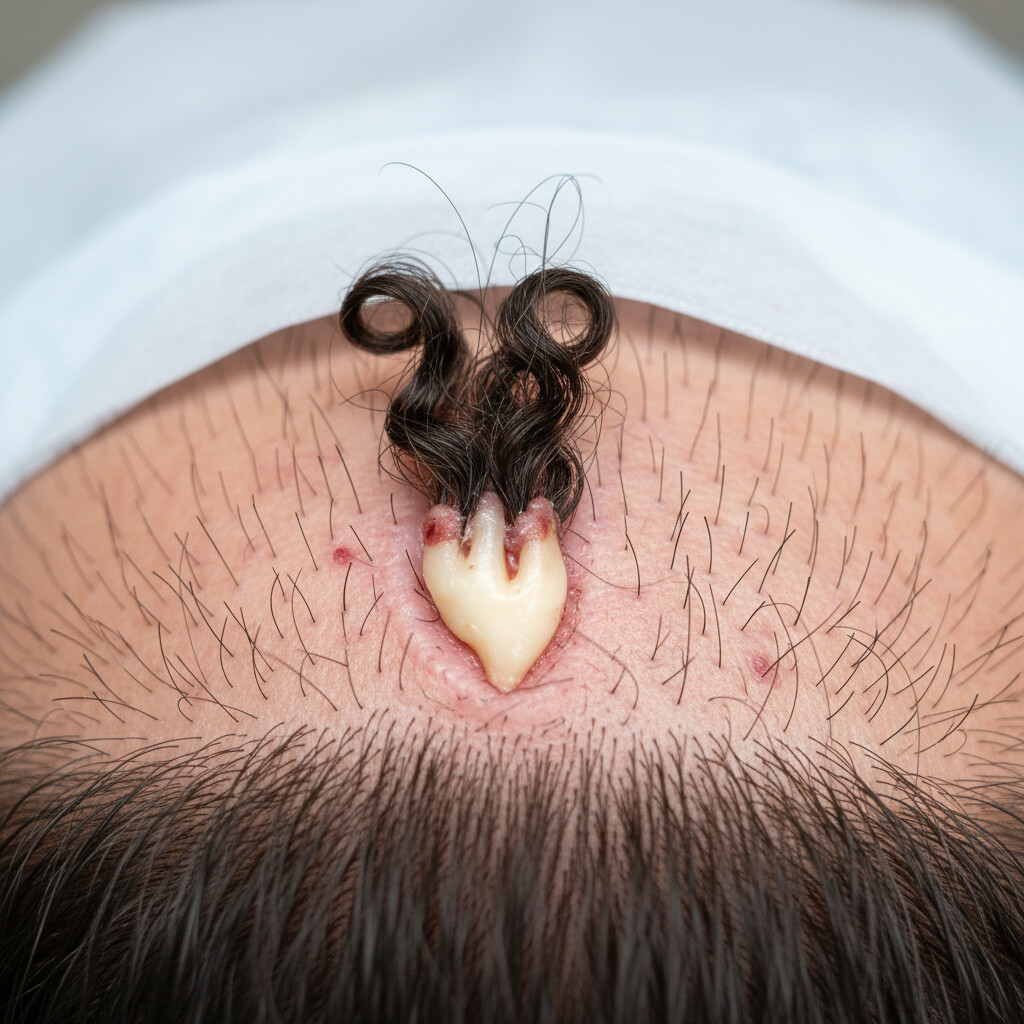
Considering a hair transplant is a significant decision, and understanding the intricacies of the procedure is crucial for setting realistic expectations and achieving optimal results. One of the most fundamental aspects of a successful hair transplant lies in the selection of the donor area. This is where hair follicles are harvested to be transplanted to the thinning or bald areas of the scalp. For many, the question arises: why is the hair at the nape of the neck, and surrounding areas, so consistently used and often so successful?
The answer lies in a fascinating biological characteristic: the genetic resistance of these hair follicles to Dihydrotestosterone (DHT). DHT is the primary culprit behind androgenetic alopecia, commonly known as male or female pattern baldness. To fully grasp the importance of donor area selection, let’s break down the key elements:
Key Considerations for Donor Area Selection:
- DHT Resistance: Understanding why certain areas are resistant to hair loss.
- Follicular Unit Transplantation (FUT) vs. Follicular Unit Extraction (FUE): How donor hair is harvested.
- Donor Hair Density: The importance of sufficient hair in the donor zone.
- Scarring and Healing: Managing the impact on the donor site.
- Post-Operative Care: Ensuring proper healing and minimizing complications.
The Science Behind DHT Resistance
Hair loss, particularly pattern baldness, is largely driven by a sensitivity to DHT. DHT is a more potent form of testosterone, and in genetically predisposed individuals, it binds to androgen receptors in hair follicles. This binding process triggers a miniaturization of the hair follicle. Over time, the hair shafts produced by these follicles become progressively thinner, shorter, and less pigmented, until eventually, the follicle stops producing hair altogether.
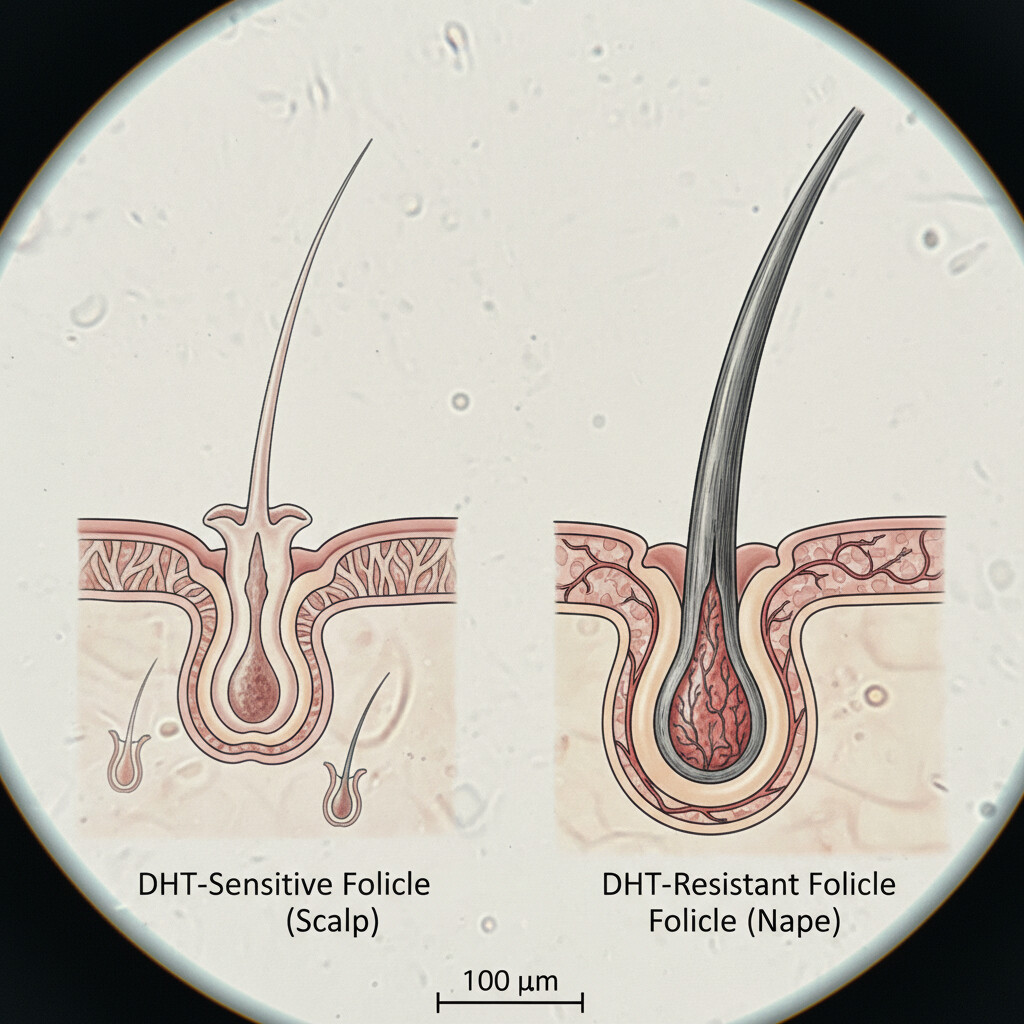
The hair on the top and front of the scalp, which is typically affected by pattern baldness, is genetically programmed to be sensitive to DHT. However, the hair follicles located at the back and sides of the head, often referred to as the ‘permanent zone’ or ‘donor area,’ possess a remarkable genetic immunity to DHT. This immunity means that even in the presence of high DHT levels, these follicles continue to produce healthy, thick hair throughout a person’s life.
Why is the Nape So Special?
Scientists believe that the follicles in the permanent zone have a different genetic makeup or are less susceptible to the miniaturizing effects of DHT. While the exact mechanisms are still being researched, the clinical evidence is undeniable. Hair transplanted from the nape and sides of the head, when placed in a balding area, retains its DHT-resistant characteristics. This is the cornerstone of why hair transplantation is a viable and often permanent solution for hair loss.
Harvesting Donor Hair: FUT vs. FUE
There are two primary methods for harvesting donor hair: Follicular Unit Transplantation (FUT) and Follicular Unit Extraction (FUE).
-
Follicular Unit Transplantation (FUT): This traditional method involves surgically removing a strip of scalp tissue from the donor area (typically the nape). The strip is then dissected under microscopes by a team of technicians to isolate individual follicular units, which contain one to four hairs. The donor area is then closed with sutures, leaving a linear scar.
- Pros: Can yield a larger number of grafts in a single session, often faster harvesting time per graft.
- Cons: Leaves a linear scar, longer recovery time, potential for nerve damage or tightness in the donor area.
-
Follicular Unit Extraction (FUE): In FUE, individual follicular units are extracted directly from the scalp using a specialized micro-punch tool (typically 0.8mm to 1.2mm in diameter). This method creates tiny, circular scars, which are usually less noticeable and heal more discreetly than the linear scar of FUT. The extracted units are then prepared for implantation.
- Pros: Minimally invasive, virtually scarless results (small dot scars), faster recovery, ability to harvest body hair.
- Cons: Can be more time-consuming and labor-intensive, potentially higher cost per graft, requires careful shaving of the donor area.
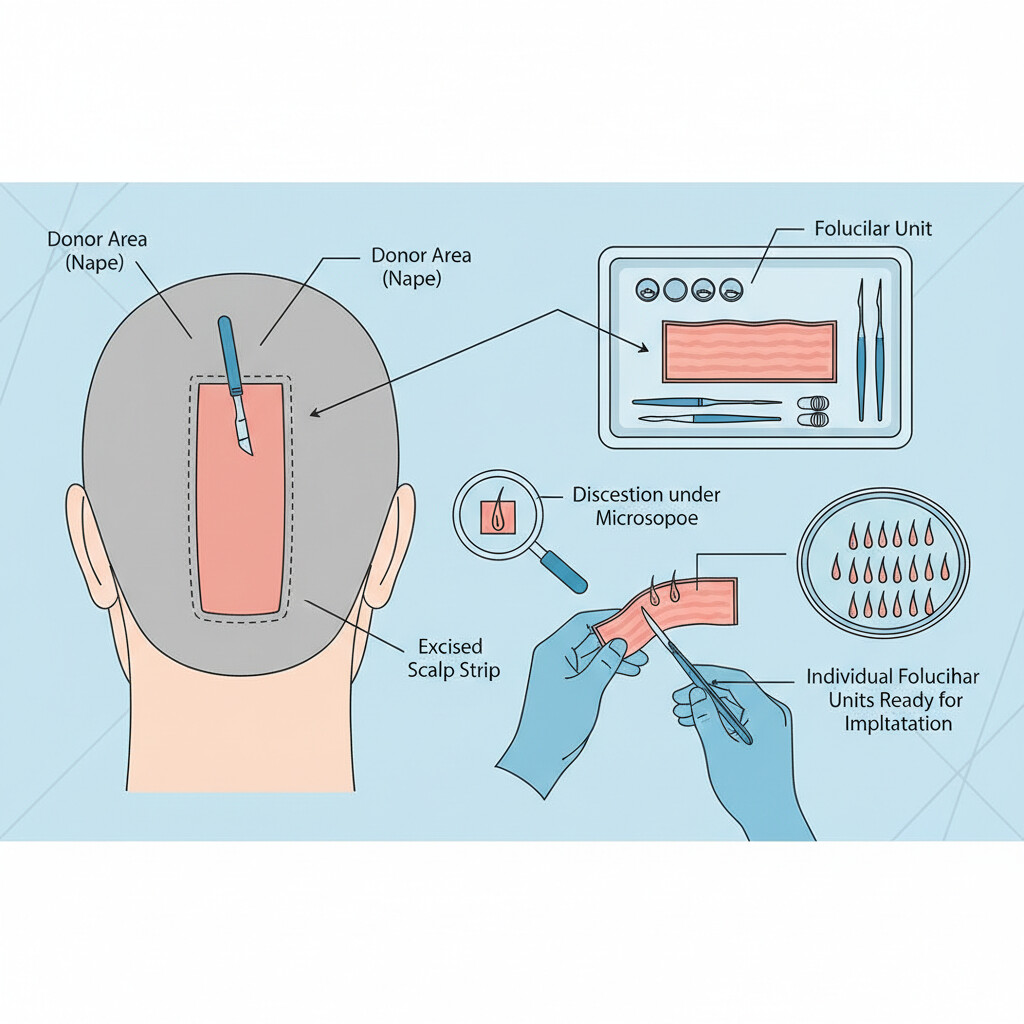
Both methods utilize the DHT-resistant hair from the permanent zone. The choice between FUT and FUE depends on various factors, including the patient’s hair loss pattern, desired density, lifestyle, and the surgeon’s recommendation.
Donor Hair Density and Its Significance
For a hair transplant to be effective, the donor area must have sufficient hair density. A qualified surgeon will assess your donor area to determine if you have enough healthy follicles to cover the thinning areas without creating a noticeable thinning in the donor zone itself. Generally, individuals with higher hair density in the nape and sides are better candidates for more extensive procedures.
If donor hair density is low, the surgeon may need to be more conservative with the number of grafts transplanted, or they might consider alternative donor areas (like the beard or chest, though these have different characteristics) or less invasive techniques to maximize the use of available grafts.
Scarring and Healing in the Donor Area
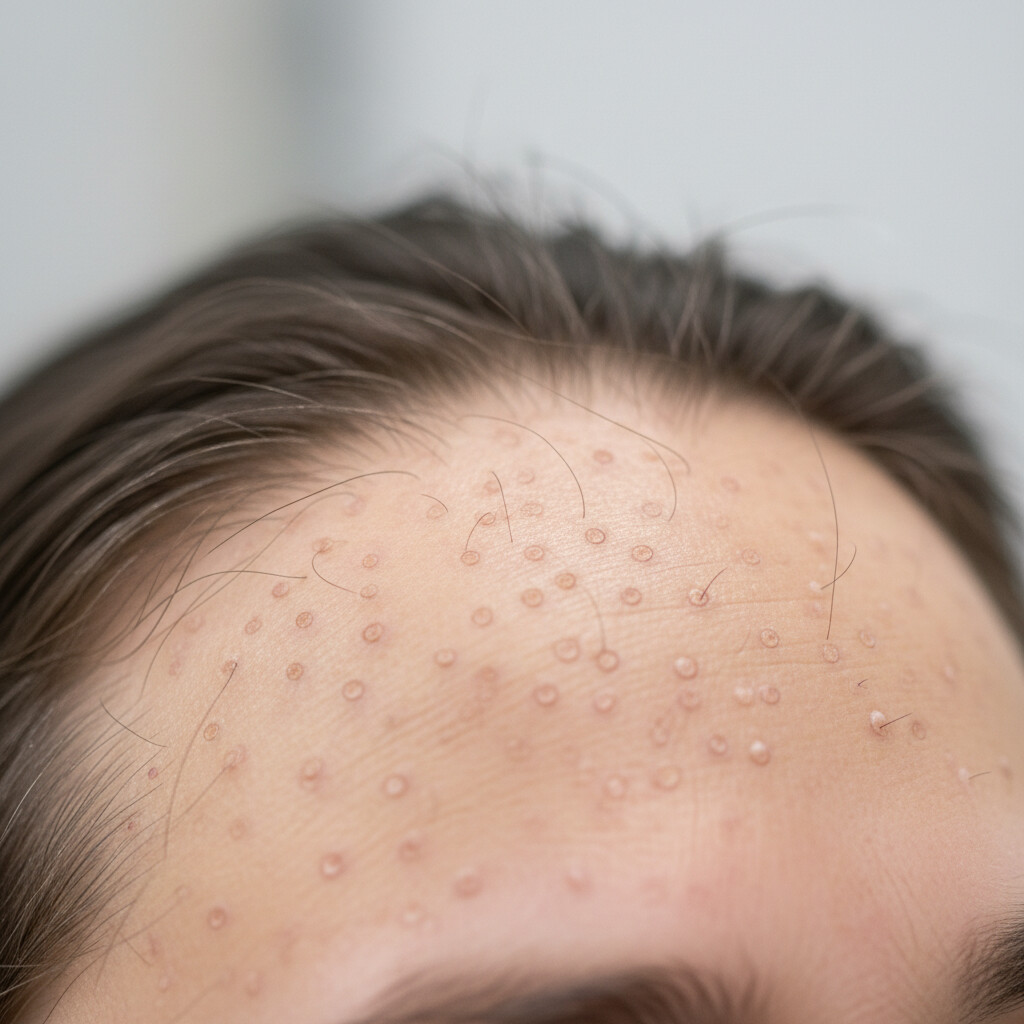
Post-operative care of the donor area is paramount for successful healing and aesthetic outcomes. With FUT, the linear scar needs careful attention to ensure it heals properly and remains as inconspicuous as possible, often hidden by the surrounding hair.
FUE, while leaving smaller dot scars, still requires proper care to prevent infection and promote rapid healing. Patients are typically given specific instructions on wound care, including cleaning, applying ointments, and avoiding strenuous activities that could disrupt the healing process.
Post-Operative Care for the Donor Site
Adhering strictly to post-operative instructions is crucial for both the recipient and donor sites. For the donor area, this typically involves:
- Gentle Cleaning: Keeping the area clean as instructed by your surgeon.
- Avoiding Direct Sun Exposure: Protecting the healing skin from UV damage.
- Refraining from Strenuous Activity: Allowing tissues to repair without undue stress.
- Medication: Using any prescribed antibiotics or anti-inflammatories to prevent infection and manage swelling.
Conclusion:
The resilience of hair follicles in the nape and sides of the head to DHT is the scientific bedrock upon which successful hair transplantation is built. This genetic characteristic ensures that transplanted hair, when taken from these areas, will continue to grow for a lifetime, effectively addressing pattern baldness. When choosing a hair transplant surgeon, it’s essential to discuss donor area assessment, the chosen harvesting technique (FUT or FUE), and the post-operative care plan to ensure you are well-informed and prepared for your journey towards regaining a fuller head of hair.