
Considering a hair transplant is a significant step towards regaining your confidence and achieving a fuller head of hair. While the procedure itself is highly effective, proper preparation is crucial for a safe and successful outcome. One of the most important aspects of pre-operative care involves managing your medications. Certain medications, particularly those that affect blood clotting, can increase the risk of bleeding during and after the surgery, potentially complicating the healing process and affecting the results. This guide will walk you through the key medications you’ll likely need to temporarily stop taking before your hair transplant, focusing on common culprits like Aspirin, various blood thinners, and Omega-3 fatty acids.
Key Checklist Before Your Hair Transplant:
- Understand the Risks: Learn why stopping certain medications is vital for minimizing bleeding.
- Identify Problematic Drugs: Recognize common medications like Aspirin, NSAIDs, and anticoagulants.
- Explore Alternatives: Discuss with your doctor if any safer alternatives exist for your condition during the recovery period.
- Create a Timeline: Plan when to stop and restart these medications in coordination with your surgeon.
- Communicate with Your Team: Maintain open dialogue with both your primary physician and your hair transplant surgeon.
Why Medication Management is Crucial for Hair Transplants
The primary concern with certain medications before a hair transplant is their impact on blood coagulation. Hair transplantation involves making tiny incisions in the scalp to harvest and implant hair follicles. These micro-incisions, while intended to be minimally invasive, naturally lead to some bleeding. Medications that thin the blood or inhibit platelet aggregation can significantly exacerbate this bleeding, making the surgical field difficult to manage for the surgeon. Excessive bleeding can not only complicate the procedure itself but also increase the risk of post-operative hematoma (blood collection), infection, and potentially compromise the survival of the transplanted grafts due to poor blood supply to the healing scalp.

Common Culprits: Aspirin and NSAIDs
Aspirin is perhaps the most well-known medication that affects blood clotting. It works by irreversibly inhibiting an enzyme called cyclooxygenase (COX), which is essential for the production of prostaglandins and thromboxanes. Thromboxanes play a critical role in platelet aggregation, the process by which platelets clump together to form a clot. By inhibiting thromboxane production, Aspirin makes platelets less sticky, thus increasing the time it takes for blood to clot.
Non-Steroidal Anti-Inflammatory Drugs (NSAIDs) are another common group of medications that share similar blood-thinning properties. This group includes widely available over-the-counter drugs like Ibuprofen (Advil, Motrin) and Naproxen (Aleve), as well as prescription-strength NSAIDs. Like Aspirin, NSAIDs also inhibit COX enzymes, though their effect on platelet function is generally reversible and shorter-lived compared to Aspirin. However, even their temporary effect can be significant enough to warrant discontinuation before surgery.
Recommendation: Generally, patients are advised to stop taking Aspirin and NSAIDs at least 7-10 days prior to their hair transplant surgery. This duration allows the body to clear these medications and for platelet function to return to normal, significantly reducing the risk of excessive bleeding. Always consult your surgeon and primary doctor for specific guidance, as the exact timeframe can vary based on your individual health status and the dosage you are taking.
Understanding Blood Thinners (Anticoagulants and Antiplatelets)
This category encompasses a broader range of medications designed to prevent blood clots. They are often prescribed to individuals with a history of or risk factors for cardiovascular diseases such as deep vein thrombosis (DVT), pulmonary embolism (PE), atrial fibrillation (AFib), or those who have had heart valve replacements or experienced a heart attack or stroke.
- Anticoagulants: These drugs work by interfering with the clotting cascade, a series of biochemical reactions that lead to the formation of a blood clot. Common examples include:
- Warfarin (Coumadin): A vitamin K antagonist that requires regular monitoring of blood clotting levels (INR).
- Direct Oral Anticoagulants (DOACs): Newer medications like Rivaroxaban (Xarelto), Apixaban (Eliquis), Dabigatran (Pradaxa), and Edoxaban (Savaysa). These generally have a shorter half-life than Warfarin but still require careful management.
- Antiplatelet Agents: These medications, similar to Aspirin and NSAIDs, prevent platelets from aggregating. Examples include:
- Clopidogrel (Plavix): Often prescribed after heart attacks or stent placement.
- Ticagrelor (Brilinta): Also used in similar cardiovascular conditions.
- Dipyridamole: Sometimes used in combination with Aspirin.
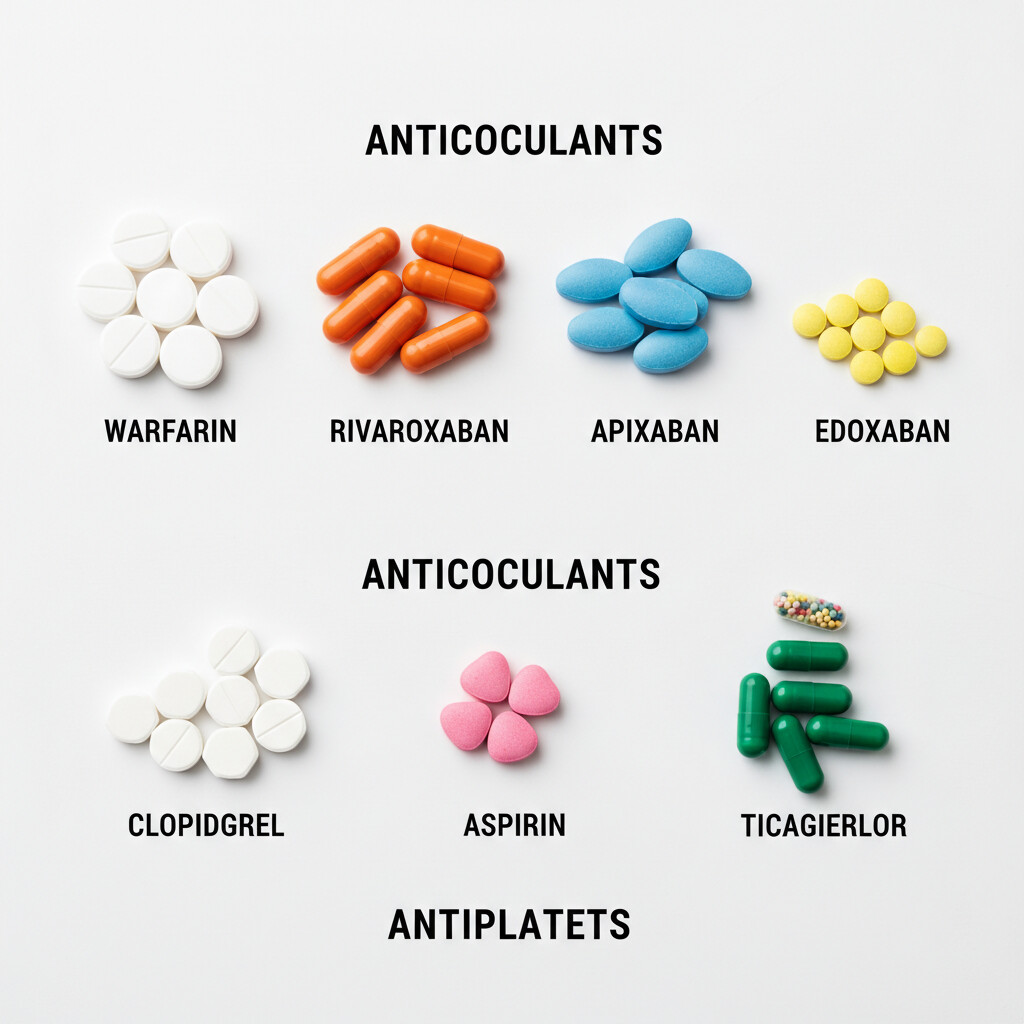
Recommendation: The decision to stop these medications is more complex due to the underlying medical conditions they are treating. Never stop taking prescribed anticoagulants or antiplatelet agents without explicit instructions from both your prescribing physician and your hair transplant surgeon. Your medical team will assess the risks of stopping these medications versus the risks of bleeding during surgery. In some cases, a temporary switch to a different anticoagulant (like a heparin injection) might be recommended, or a slightly modified surgical approach might be employed. The typical stopping window for these medications can range from 3 to 7 days, but this is highly individualized.
Omega-3 Fatty Acids and Other Supplements
While often considered natural and beneficial, certain dietary supplements can also affect blood clotting. Omega-3 fatty acids, commonly found in fish oil supplements, have been shown to have mild anticoagulant and antiplatelet effects. Even though these effects are generally less potent than those of prescription blood thinners, they can still contribute to increased bleeding risk in the context of surgery.
Other supplements that may affect bleeding include:
- Vitamin E: In high doses, it can inhibit platelet aggregation.
- Ginkgo Biloba: Known for its potential to affect platelet function.
- Garlic and Ginseng: Some studies suggest they may also have mild blood-thinning properties.

Recommendation: It is prudent to discontinue high-dose Omega-3 supplements and other potentially blood-thinning herbs or vitamins for at least 7-10 days before your hair transplant. Always inform your surgeon about all the supplements you are taking, even those you consider harmless.
The Importance of Open Communication
Navigating medication adjustments before surgery can feel daunting, but clear and open communication with your healthcare team is your most powerful tool. Your hair transplant surgeon will provide specific instructions regarding which medications to stop, when to stop them, and when it is safe to resume them. It is equally important to discuss these plans with your primary care physician or the specialist who prescribed the medication, especially if it’s for a chronic condition.
Your surgeon needs a complete medical history, including all prescription drugs, over-the-counter medications, and supplements you are currently taking. This information allows them to make informed decisions about managing your medications safely, balancing the need to reduce surgical risks with the necessity of continuing essential treatments for your underlying health conditions.
What Happens After the Surgery?
Once your hair transplant surgery is completed and the initial healing phase begins, your surgeon will advise you on when it is safe to restart your medications. For medications like Aspirin or NSAIDs, this is usually within 24-48 hours after the procedure, provided there is no excessive bleeding. For more potent blood thinners, the timeline for restarting will be carefully determined by your medical team, considering the type of medication, your individual risk factors, and the progress of your healing. Adhering to these post-operative instructions is just as critical as the pre-operative ones for ensuring a smooth recovery and optimal results.
Conclusion
Preparing for a hair transplant involves meticulous attention to detail, and medication management is a cornerstone of this preparation. By understanding the role of medications like Aspirin, blood thinners, and Omega-3s in blood clotting, and by working closely with your medical team, you can significantly enhance the safety and success of your hair transplant procedure. Always prioritize honest and thorough communication with your surgeon to ensure you are following the most appropriate and personalized pre-operative and post-operative medication plan.