
What this guide will explain
- When it is safe to resume different types of exercise
- How physical activity impacts your hair transplant results
- Tips for a comfortable and safe return to your fitness routine
- Understanding the importance of patience during recovery
Introduction
Undergoing a hair transplant is a significant step towards restoring your appearance and confidence. For many, maintaining an active lifestyle is a crucial part of their overall well-being. However, understanding when and how to safely reintroduce exercise after your procedure is vital for ensuring the best possible outcome. This guide is designed for individuals aged 35 and above who have recently had a hair transplant and are eager to return to their fitness routines. We aim to provide clear, calm, and practical information to help you navigate this recovery phase thoughtfully, focusing on protecting your investment and promoting successful healing.
It’s natural to want to resume your normal activities, including exercise, as soon as possible. However, the initial period following a hair transplant requires careful consideration. The transplanted hair follicles are delicate and need time to establish themselves securely. Engaging in strenuous physical activity too soon can disrupt this process, potentially affecting the survival of the grafts and the final aesthetic result. This guide will walk you through the recommended timelines and precautions, empowering you to make informed decisions about your post-operative exercise plan.
By the end of this guide, you will have a clearer understanding of the different stages of recovery related to physical activity. You will learn about the types of exercises that are generally considered safe at various points post-procedure, and what to avoid. Our goal is to equip you with the knowledge to return to exercise confidently and safely, minimizing risks and maximizing the long-term success of your hair restoration. We emphasize patience and a gradual approach, ensuring your focus remains on healing and achieving natural, lasting results.
Understanding the Impact of Exercise on Your Hair Transplant
During the initial healing phase, your scalp is undergoing a critical process of recovery. The transplanted follicular units need time to anchor themselves properly into their new locations. Elevated heart rate, increased blood pressure, and excessive sweating associated with strenuous exercise can potentially create an environment that is not conducive to optimal graft healing and integration.

Sweat, particularly, can be a concern. While sweat itself is not inherently harmful, a buildup of sweat on the scalp, especially if not managed properly, can increase the risk of infection. It can also potentially irritate the healing recipient sites. Therefore, managing sweat effectively and keeping the scalp clean are important considerations as you begin to increase your activity levels.
Gradual Return to Exercise: What to Expect
The journey back to your regular exercise routine is best approached with a phased strategy. This gradual return allows your body and the transplanted follicles to adapt without undue stress. While individual recovery times can vary, general guidelines can help shape your expectations and planning.
Initial Phase (First Few Days to a Week):
In the immediate days following your procedure, rest is paramount. Focus on gentle movements and avoid any activity that could put strain on your head or increase blood pressure significantly. Light walking is usually permissible and can be beneficial for circulation, but this should be done at a very relaxed pace.
Light Activity (1-2 Weeks Post-Procedure):
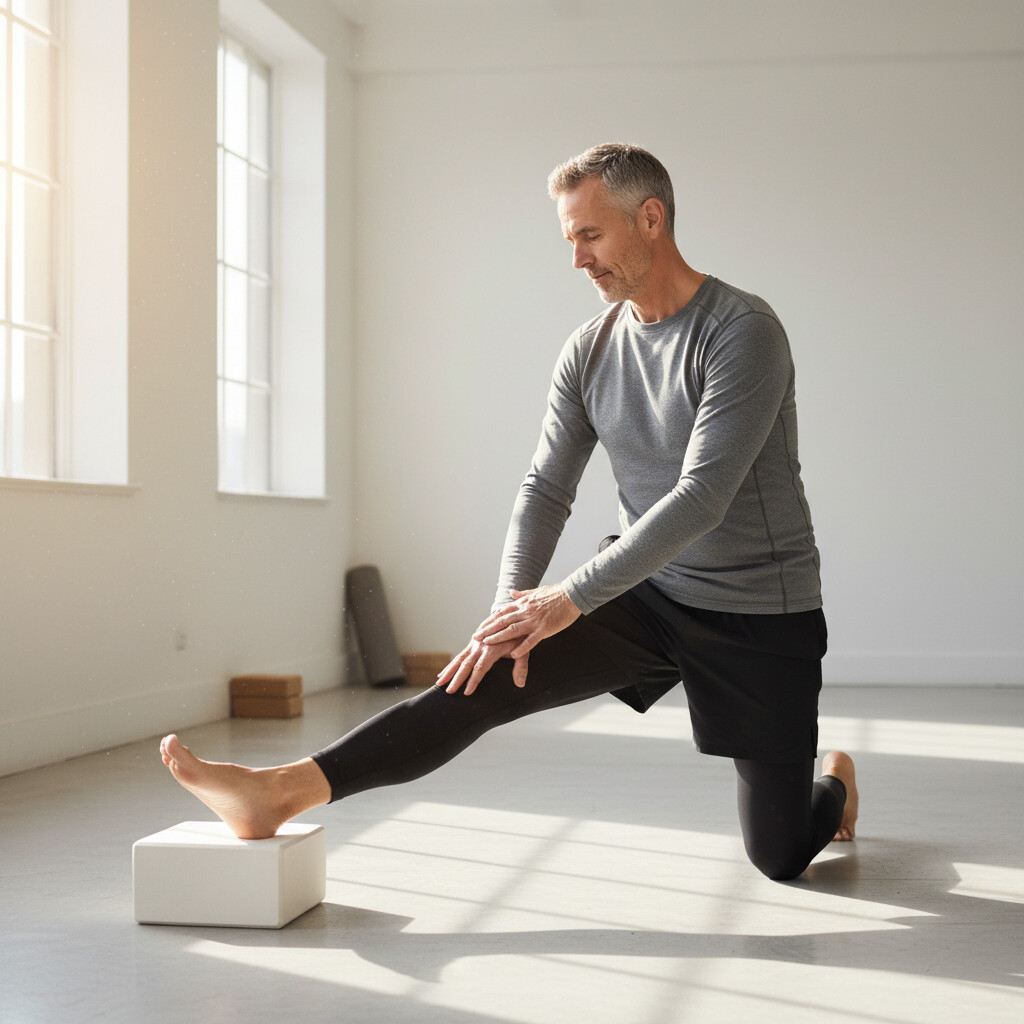
After the first week, most individuals can begin to introduce very light activities. This might include gentle stretching, yoga (without inversional poses), or short, slow-paced walks. The key is to keep your heart rate moderate and avoid any activities that cause you to perspire heavily or involve bending over for extended periods. The aim is to gently reawaken your body to movement without compromising the healing scalp.
Moderate Activity (2-4 Weeks Post-Procedure):
As you move into the third and fourth weeks, you can typically start incorporating more moderate forms of exercise. This could include activities like jogging, cycling at a steady pace, or using cardio machines like ellipticals. You should still be mindful of sweating and avoid activities that involve significant jarring or direct impact to the head. Listen to your body; if you feel any discomfort or excessive strain, ease back into it.
Strenuous Activity and Sports (4-8 Weeks and Beyond):
Most individuals find they can return to their full, strenuous workout routines and most sports around the 4-week mark, and often sooner. However, it is crucial to assess your personal healing progress. Activities involving a high risk of impact to the head, such as martial arts or contact sports, may require a longer waiting period, potentially up to 8 weeks or more, depending on your surgeon’s advice and your specific recovery.
Practical Considerations for a Safe Return
Planning is essential for a smooth transition back to exercise. Understanding the typical progression and potential challenges can help you prepare and manage your return effectively.
Protecting Your Investment:
Your hair transplant is a significant investment in your appearance. Adhering to post-operative guidelines, including those for exercise, is crucial for protecting this investment. Rushing back to intense activity can jeopardize the integration of the grafts, leading to suboptimal results. Patience during this phase is not just about healing; it’s about ensuring the long-term success and natural appearance of your restored hair.
Comfort and Expectations:
It’s important to set realistic expectations for your return to exercise. You might not feel ready for your previous intensity levels immediately. Pay attention to how your body feels. Some mild soreness or tightness in the scalp might persist for a few weeks. Pushing through discomfort is not recommended. Focus on gradual progression and celebrating small victories as you regain your fitness.
Hygiene and Sweat Management:
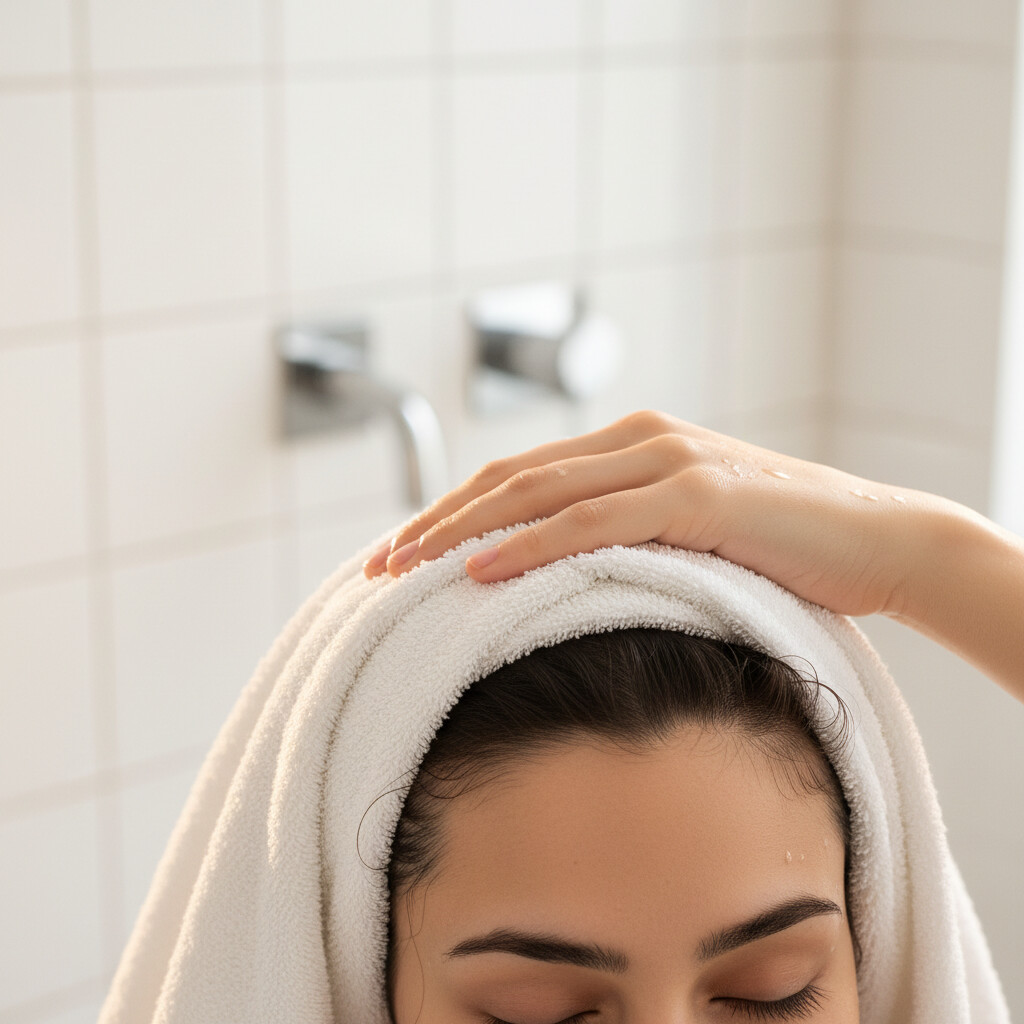
As you increase your activity, managing sweat becomes more important. Gently cleanse your scalp after exercising, following the specific instructions provided by your clinic. Using a mild, recommended shampoo and patting the scalp dry with a clean towel is usually advised. Avoid harsh rubbing or scrubbing. If sweating is a significant concern, consider lighter workouts or exercising in cooler environments during the initial stages.
Long-Term, Natural-Looking Outcomes:
Ultimately, the goal of any hair restoration is to achieve natural and lasting results. By respecting the recovery timeline for exercise, you are contributing directly to the optimal integration and growth of your transplanted hair. This careful approach ensures that your results look natural for years to come, blending seamlessly with your existing hair.
Common Questions (FAQ)
-
Can I walk or jog after a hair transplant?
Gentle walking is generally encouraged within the first few days to promote circulation, as long as it’s at a relaxed pace and doesn’t cause discomfort. Jogging might be introduced around the 2-week mark, provided it’s light and you monitor your heart rate and avoid excessive sweating. -
When can I go back to the gym and lift weights?
Most individuals can return to the gym for light workouts, such as using cardio machines or performing bodyweight exercises, around the 1-2 week mark. Resuming weightlifting, especially with heavier weights that increase blood pressure significantly, is typically advised after 2-3 weeks, or once you are cleared by your clinic. Always start lighter than you are used to. -
Is sweating bad for transplanted hair?
If you are concerned, speak with your provider about sweat management techniques.
While moderate sweating is generally fine, excessive sweating that leads to the scalp being constantly wet and potentially unhygienic can pose a risk. It’s important to manage sweat by cleansing the scalp gently after exercise and avoiding environments that promote extreme perspiration during the initial healing weeks.
-
What if I play a contact sport? When can I resume?
Contact sports, due to the high risk of impact to the scalp, usually require a longer recovery period. Many surgeons recommend waiting at least 4-8 weeks, and sometimes longer, before returning to activities like football, boxing, or martial arts. This decision should be based on your individual healing progress and your surgeon’s professional recommendation.
Discussion Section
Returning to exercise after a hair transplant is a common concern for many active individuals. Sharing experiences can be incredibly helpful for others navigating this phase. Here are a few questions to consider:
- What strategies did you use to manage your activity levels during the first few weeks after your hair transplant, and how did you feel about them?
- For those who have returned to strenuous exercise, were there any unexpected challenges or benefits you encountered during the process?
- How did you balance the desire to resume your fitness routine with the need to protect your hair transplant results, and what advice would you give to someone just starting this phase?
Medical Disclaimer
This information is intended for general guidance and educational purposes only and does not constitute medical advice. The recovery process and timelines for physical activity after a hair transplant can vary significantly from person to person. It is essential to consult with your qualified hair restoration surgeon or medical professional to discuss your specific situation, receive personalized recommendations, and obtain clearance before resuming any exercise or physical activity. Always follow the post-operative instructions provided by your clinic.