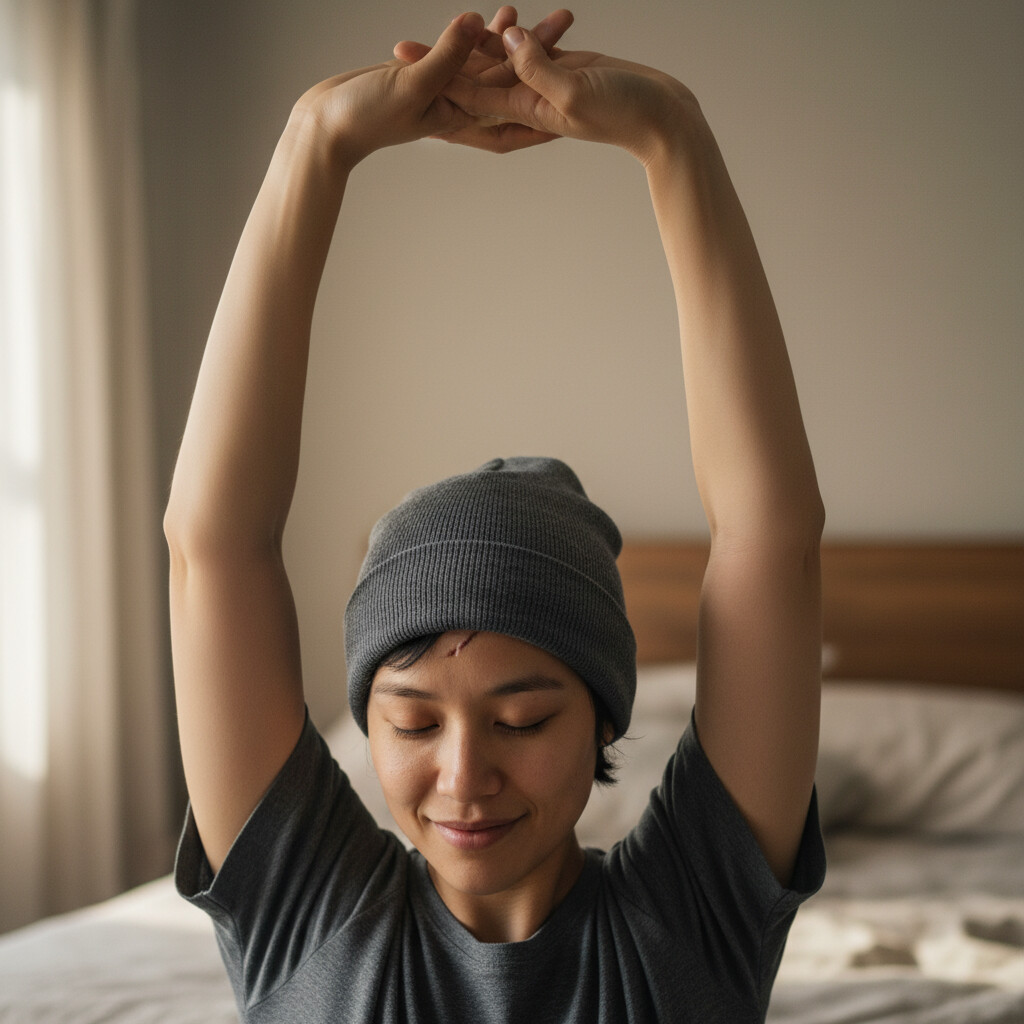
Most people can go for gentle walks within a day or two of a hair transplant, return to light exercise after about one to two weeks, and resume heavy weights and intense training after around three to four weeks. Contact sports and anything with a real risk of a blow to the head usually need to wait longer, often four to six weeks or more. After FUT (strip surgery), the donor wound can mean a longer break from heavy lifting. Timelines vary between clinics, so treat these as typical ranges and follow your own surgeon’s advice.
Key takeaways
- The first 7-10 days matter most. Grafts are still anchoring, and raised blood pressure, heavy sweating and knocks can cause problems.
- Walking is usually fine from the start. Build up gradually: light cardio first, then weights, then contact sports.
- Sweat is not harmful once the grafts are secure, but rinse it off gently and don’t rub the scalp.
- FUT patients usually need to avoid heavy lifting and neck-straining exercises for longer to protect the donor scar.
- Stop and contact your clinic if exercise causes bleeding, a sudden increase in swelling or pain.
Why exercise needs to wait
For the first days after surgery, the grafts are held in tiny incisions mainly by clotting, and they have not yet connected to the blood supply. Our guide on how long it takes for grafts to become secure explains this in detail. Intense exercise can interfere in several ways:
- Raised blood pressure. Hard exertion, heavy lifting and straining raise blood pressure. In the first days this can cause bleeding from the recipient or donor sites and, in rare cases, push grafts out.
- Heavy sweating. Sweat on a fresh wound can irritate it and makes it harder to keep clean. Wiping sweat away also tempts people to rub the grafts.
- Knocks and friction. A ball, an elbow, a barbell, gym equipment or a tight headband can dislodge grafts in the first week or so.
- Swelling. Bending over, head-down positions and straining can make forehead swelling worse in the first days.
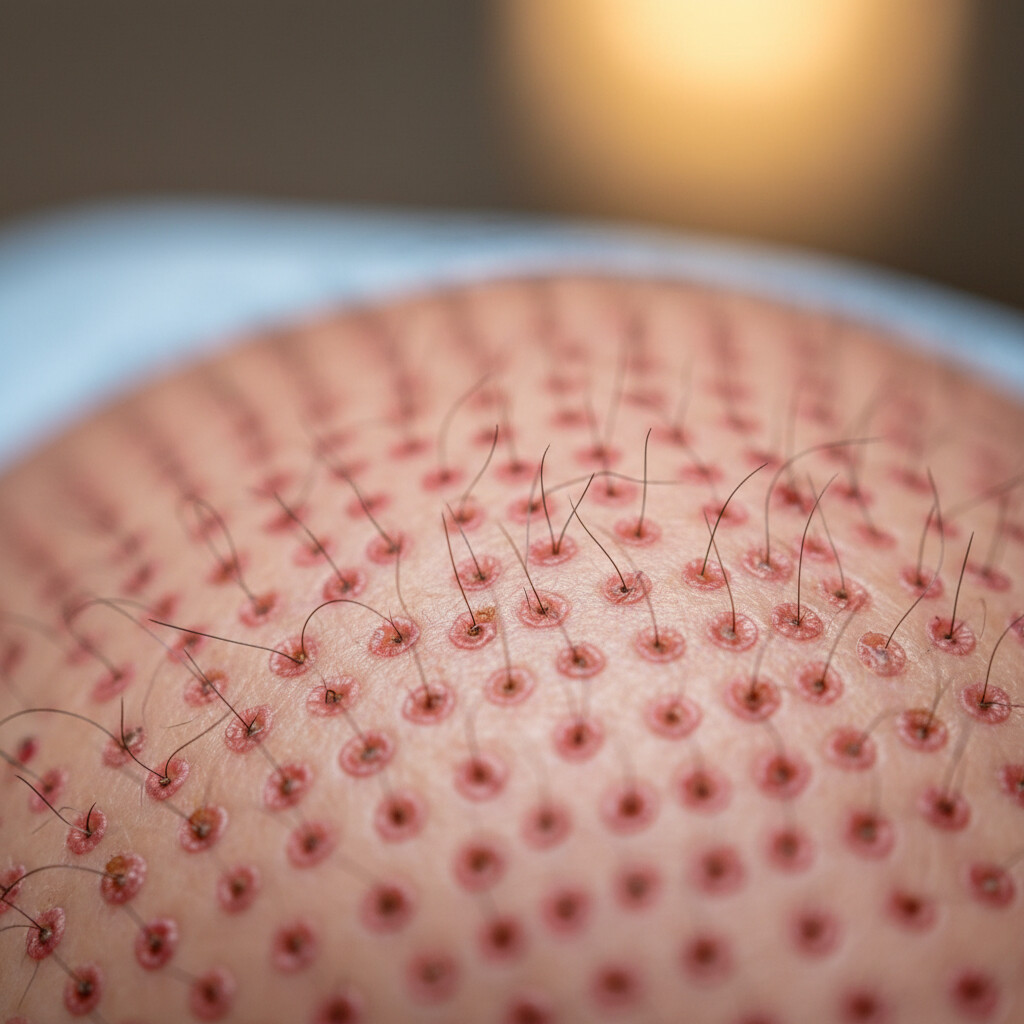
Typical timeline for returning to exercise
The ranges below reflect common practice after FUE. Some clinics are stricter and some are more relaxed. If your clinic’s instructions differ, follow theirs.
Days 0-3: rest
- Short, easy walks around the house or outside are fine and help circulation.
- Avoid bending over, lifting anything heavy and anything that makes you breathe hard.
- Keep your head raised when resting and sleeping.
Days 4-7: gentle movement
- Longer walks at a relaxed pace are usually fine.
- Still avoid sweating heavily, lifting, bending and head-down positions.
- Wear only a loose hat outdoors if your clinic allows one.
Weeks 2-3: light exercise
Once the grafts are secure and most scabs are gone (often around day 10-14), many surgeons allow:
- brisk walking, light jogging, a stationary bike or cross-trainer at moderate effort,
- light weights or bodyweight exercises without straining or holding your breath,
- gentle stretching and yoga, avoiding inversions and positions that press the head on the mat.
Keep the effort moderate. Some sweating is fine now; rinse it off gently afterwards.
Weeks 3-4: heavier training
Most people can gradually return to normal gym routines, including heavier weights and higher-intensity cardio. Start lighter than before and build up over a week or two. Avoid exercises where the bar or equipment touches your head or where you rest your scalp on a bench or mat until the skin is fully healed.
Weeks 4-6 and later: contact sports and high-risk activities
Football, rugby, boxing, martial arts, wrestling and other activities with a real chance of a blow to the head usually wait until at least four to six weeks, sometimes longer. Ask your surgeon before going back. Activities that need a helmet, such as cycling or skiing, depend on when a helmet can be worn comfortably without rubbing the grafts. Don’t ride without a helmet to get around this.
Swimming, saunas and hot yoga
Pools, the sea, saunas and steam rooms are usually avoided for around two to four weeks, because of infection risk, chlorine or salt on healing skin, and heat. See when you can swim after a hair transplant for details.
If you had FUT (strip surgery)
After FUT, the donor area is a stitched wound at the back of the head. Heavy lifting, intense stretching and exercises that bend the neck forward under load put tension on it. This can cause pain, bleeding or a wider scar. Many surgeons ask FUT patients to avoid heavy weights and strenuous stretching for longer than FUE patients, often several weeks, until the wound has healed and gained strength. Ask your surgeon for a specific date.
Sweat, washing and sun
- After exercising, rinse your scalp with lukewarm water and a mild shampoo as your clinic instructs. Pat it dry; don’t rub. Our guide on the best shampoo after a hair transplant covers what to look for.
- Don’t wear sweatbands or tight caps over the recipient area in the early weeks.
- Training outdoors means sun exposure. Healing skin burns easily, so wear a loose hat or train at cooler times of day. See sun exposure after a hair transplant.

Tips for a safe return
- Increase one thing at a time: duration, then intensity, then load.
- Avoid holding your breath while lifting (straining raises pressure in the head).
- Drink water and don’t train in very hot conditions in the first weeks.
- Stop if something feels wrong: throbbing in the scalp, bleeding or a sudden increase in swelling.
- Plan your work and training together. Many people return to desk work within about 2-7 days, but physical jobs have the same limits as the gym. See going back to work after a hair transplant.
Does exercise help hair growth?
Regular exercise is good for your general health, and good health supports healing. However, there is no good evidence that exercise prevents or slows pattern hair loss or makes transplanted hair grow better. Returning to your routine is about your well-being, not about boosting your result.

When to contact your surgeon
Stop exercising and contact your clinic, or a local doctor, if you notice:
- bleeding from the recipient or donor area that doesn’t stop after 10-15 minutes of gentle pressure,
- grafts coming out after a knock or fall in the first two weeks,
- a sudden increase in swelling, or swelling spreading around the eyes after it had settled,
- increasing pain, spreading redness, warmth, pus or a fever,
- an FUT wound that opens, bleeds or becomes very painful after exercise.
Common questions
Can I walk the day after a hair transplant?
Yes. Gentle walking is usually encouraged from the first days. Keep the pace easy and avoid crowds where your head could be bumped.
When can I lift weights again?
Light weights are often allowed from about two weeks, and heavier lifting from around three to four weeks after FUE. After FUT, heavy lifting is often restricted for longer. Your surgeon’s advice comes first.
Is sweating bad for my grafts?
Heavy sweating is best avoided in the first week or so. Once the grafts are secure, sweat is not harmful; rinse it off gently.
Can I do push-ups or yoga?
Push-ups and gentle yoga are usually fine from around two weeks. Avoid inversions and poses that press your head to the floor until your surgeon agrees.
Discussion
How soon did you get back to the gym or your sport after your transplant, and what did your clinic tell you? Did you notice any problems when you started, such as swelling or bleeding? Share your timeline to help others plan their recovery.
Related guides
- Hair Transplant Aftercare: What to Do From Day 1 to Month 12
- Swelling After Hair Transplant: How Long It Lasts and What Helps
- Can I Wear a Hat After a Hair Transplant? When and Which Type
- How to Sleep After a Hair Transplant
About this guide: ForumHairTransplant.com is an independent patient community. We are not affiliated with any clinic or surgeon, and we don’t accept payment for rankings, reviews or recommendations. This article is general information, not medical advice. Talk to a qualified doctor about your own situation.