
Embarking on the Journey of Hair Restoration
For many men over 35, the gradual thinning or receding of hair is a natural part of aging. While it’s a common experience, the emotional impact can be significant, leading many to explore hair restoration as a potential solution. The decision to undergo a hair transplant is a major one, often preceded by extensive research and contemplation. However, the online world can sometimes present a curated version of reality, focusing heavily on immediate visual transformations without fully detailing the nuances of the process, recovery, and long-term outcomes.
This guide is designed for individuals in their late thirties and beyond who are seriously considering hair restoration. Our aim is to provide a balanced perspective, bridging the gap between common expectations and the reality of the hair restoration journey. We want to equip you with a clear, realistic understanding of what to anticipate, from the initial consultation through to achieving natural, enduring results. By focusing on informed decision-making, we hope to empower you to approach this significant step with confidence and clarity.
What this guide will explain:
- The fundamental aspects of modern hair restoration.
- Realistic expectations regarding the visual outcome and timeline.
- The importance of thorough planning and consultation.
- Factors contributing to a natural and long-lasting appearance.
- What to expect during the initial recovery period.
- Common questions and considerations for mature individuals.
Understanding Modern Hair Restoration
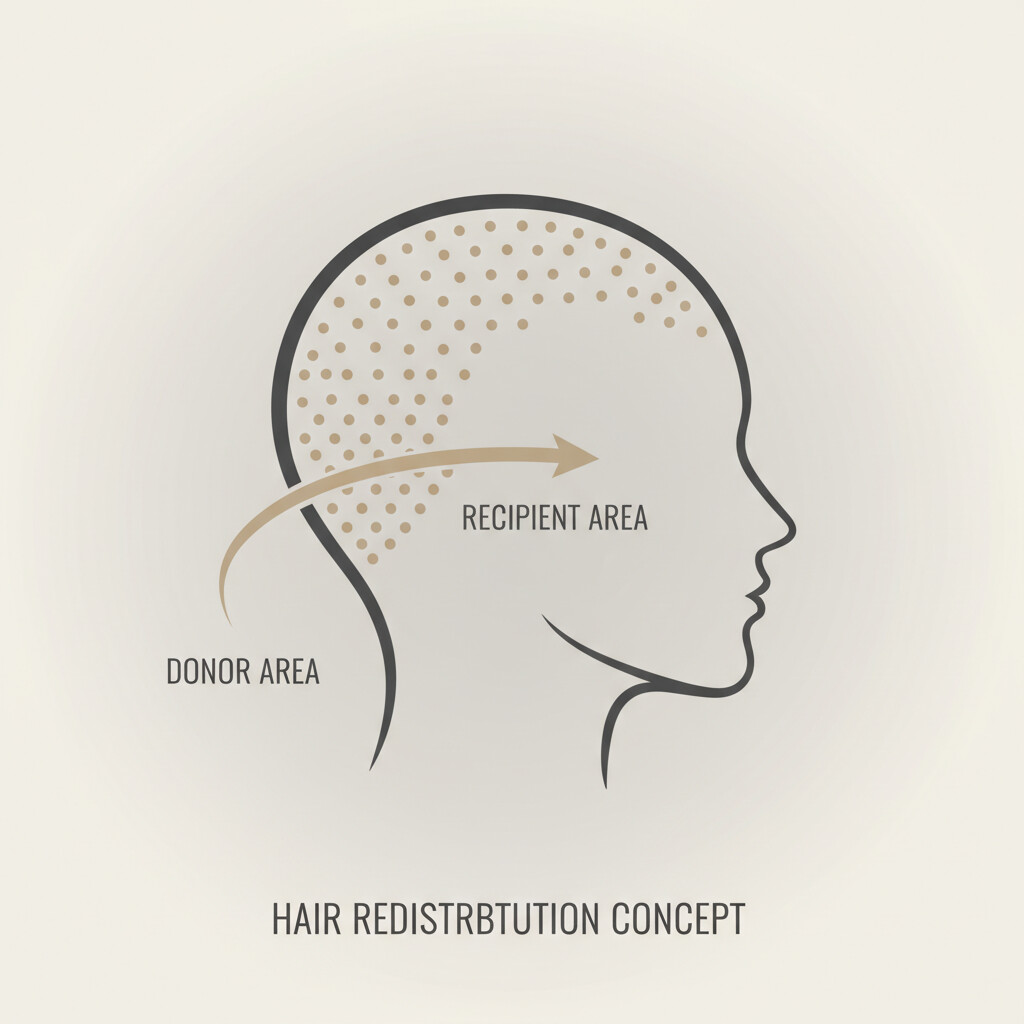
Modern hair restoration techniques have advanced significantly, offering more natural-looking results than ever before. The primary goal is to redistribute healthy, growing hair follicles from one area of the scalp (the donor area, typically the back and sides of the head) to areas experiencing thinning or baldness. This is not about growing new hair, but rather relocating existing, robust hair to frame the face and create a fuller appearance.
It’s crucial to understand that hair restoration is a medical procedure that requires careful planning and skilled execution. The success of the procedure relies on several key factors: the quality and density of the donor hair, the skill of the surgical team in placing the transplanted hairs, and the patient’s individual hair growth patterns and scalp condition. A well-executed procedure looks natural because the transplanted hairs are placed at the correct angle, density, and distribution to mimic natural hair growth.
Setting Realistic Expectations: The Timeline and Visual Outcome
One of the most common discrepancies between expectation and reality lies in the perceived speed and immediacy of results. It’s vital to understand that hair restoration is a marathon, not a sprint.
- Initial Appearance: Immediately following the procedure, the transplanted areas will look subtly different, but the full visual impact is not yet apparent. The focus is on allowing the follicles to heal and settle.
- The Shedding Phase: Within a few weeks, most of the transplanted hairs will shed. This is a normal and expected part of the process. The hair shaft detaches, but the follicle remains alive and intact beneath the scalp, preparing to grow new hair.
- Regrowth Begins: New hair growth typically begins to emerge around 3-4 months post-procedure. Initially, these hairs may be fine and sparse.
- Visible Progress: By 6-9 months, noticeable growth is usually visible, and the hair starts to appear fuller. The shape of the new hairline becomes clearer.
- Final Results: The most significant changes occur between 12 and 18 months. By this point, the transplanted hairs have grown to their full length and density, revealing the final, natural-looking outcome. It is this prolonged period of growth that ultimately defines the success and natural appearance of the restoration.
It’s important to remember that patience is key. Quick, dramatic results are rarely indicative of a natural or long-term outcome. The gradual nature of regrowth ensures that the changes appear organic and blend seamlessly with existing hair.
The Art of Naturalness: Planning and Placement
Achieving a natural look is the cornerstone of successful hair restoration. This involves meticulous planning and artistic precision in how the hair is placed.
Consultation and Treatment Planning
A thorough consultation is the first and most critical step. A qualified medical professional will assess your hair loss pattern, analyze your donor area, discuss your goals, and recommend a personalized treatment plan. This discussion should cover:
- Hairline Design: Creating a hairline that is age-appropriate, asymmetrical (as natural hairlines are), and complements your facial structure. Overly straight or low hairlines often look unnatural.
- Density: Determining the appropriate number of grafts needed to achieve a natural density without overharvesting the donor area.
- Angling and Direction: Understanding that individual hairs grow in specific directions and at certain angles. Replicating this natural growth pattern is essential for a realistic appearance.
The Skill of the Team
The expertise of the medical team in placing each graft is paramount. This is where the art meets the science. The surgeon’s understanding of hair growth dynamics, facial aesthetics, and meticulous attention to detail ensures that the transplanted hair integrates seamlessly with your existing hair.

Navigating the Recovery and Long-Term Outlook
While the focus is often on the visible outcome, understanding the recovery process and long-term considerations is equally important for managing expectations.
Initial Comfort and Care
Following a hair restoration procedure, the focus is on ensuring comfort and promoting healing. Patients typically experience minimal discomfort, and most can return to light daily activities relatively quickly. The medical team will provide specific post-procedure instructions to guide you through this initial phase, emphasizing gentle care for the treated areas to support optimal follicle survival and healing.
Long-Term Lifestyle
It’s important to remember that hair restoration addresses the area where hair was transplanted. If hair loss continues in non-treated areas, a natural appearance might be maintained through further procedures or medical therapies, as advised by your doctor. Maintaining a healthy lifestyle, including a balanced diet and avoiding smoking, can also support overall hair health. Protecting the scalp from excessive sun exposure is also advisable, as it is for natural hair.
Frequently Asked Questions
Q1: Will the transplanted hair look like my original hair?
Yes, the transplanted hair is your own hair, taken from a part of your scalp where it is genetically programmed to grow permanently. Therefore, it will grow back in its new location with the same characteristics (color, texture, growth rate) as it had in the donor area. The skill in placement ensures it blends naturally.
Q2: How many procedures will I likely need?
This varies greatly depending on the extent of hair loss and the desired density. Some individuals achieve their goals with a single procedure, while others may opt for multiple sessions over time to achieve greater fullness or address further progression of hair loss. Your medical team will provide guidance based on your specific situation.
Q3: Can I feel the transplanted hair grafts once they grow in?
Once the transplanted hair grows out, it will feel and behave just like your natural hair. You will be able to comb it, style it, and it will have normal sensation. The grafts themselves, the follicular units beneath the skin, are not typically felt as distinct entities once healed and integrated.
Q4: Is hair restoration painful?
Discomfort during the procedure is minimized through local anesthesia, similar to dental work. Patients are typically awake but relaxed. Post-procedure, any discomfort is usually mild and manageable with prescribed or recommended over-the-counter pain relief. The focus is on patient comfort throughout the process.
Q5: What if I decide not to proceed after researching?
It’s perfectly acceptable to research and decide that hair restoration is not the right path for you at this time, or at all. Understanding the process, timelines, and commitment involved is the goal. Many factors influence this decision, including personal goals, financial considerations, and comfort with the procedure. The most important outcome of your research should be making an informed choice that feels right for you.

Let’s Discuss Your Experience
Sharing experiences can be incredibly valuable for others navigating the decision-making process. We encourage you to share your thoughts and insights respectfully.
- What was the most surprising aspect of your hair restoration journey that you hadn’t anticipated from your initial research?
- How did you personally define and measure success throughout the different stages of regrowth?
- Beyond the visible results, what other positive impacts, if any, has your hair restoration experience had on your confidence or outlook?
Medical Disclaimer
This content is intended for informational purposes only and does not constitute medical advice. Hair restoration is a medical procedure, and individual results may vary. It is essential to consult with a qualified and experienced medical professional to discuss your specific condition, goals, and suitability for any hair restoration treatment. They can provide a personalized assessment and recommend the best course of action for your unique needs. We do not make any guarantees regarding specific outcomes.