Hair loss is a common concern for millions worldwide, impacting self-esteem and confidence. Fortunately, advancements in hair transplantation offer increasingly effective and natural-looking solutions. While traditional methods have evolved, newer techniques are pushing the boundaries of what’s possible. This guide delves into three cutting-edge approaches: SDHI (Sequential Direct Hair Implantation), NEO FUE (New Generation Follicular Unit Extraction), and Robotic Hair Transplantation. Understanding these methods can empower you to make informed decisions about restoring your hair.
Key Takeaways for Advanced Hair Transplant Techniques:
- SDHI: Precision and Natural Density: Learn how this method enhances graft placement for a more natural hairline and superior density.
- NEO FUE: Minimally Invasive Excellence: Discover the benefits of this refined FUE technique, focusing on graft quality and faster healing.
- Robotic Hair Transplantation: Automation and Accuracy: Understand how robotics can assist surgeons for potentially more precise and consistent results.
- Candidate Selection: Recognize that not all techniques are suitable for everyone; proper assessment is crucial.
- Consultation is Key: Emphasize the importance of discussing these advanced options with a qualified hair transplant surgeon.
Understanding the Evolution: From FUT to FUE
Before diving into the advanced methods, it’s helpful to briefly recall the progression of hair transplantation. The Follicular Unit Transplantation (FUT) method, also known as strip harvesting, involved removing a strip of scalp from the donor area and dissecting individual follicular units. While effective, it left a linear scar. Follicular Unit Extraction (FUE) emerged as a less invasive alternative, where individual follicular units are extracted directly from the donor area using micro-punches. This results in minimal scarring, often imperceptible, and allows for shorter hairstyles. Most advanced techniques build upon the principles of FUE.
SDHI: The Art of Sequential Direct Hair Implantation
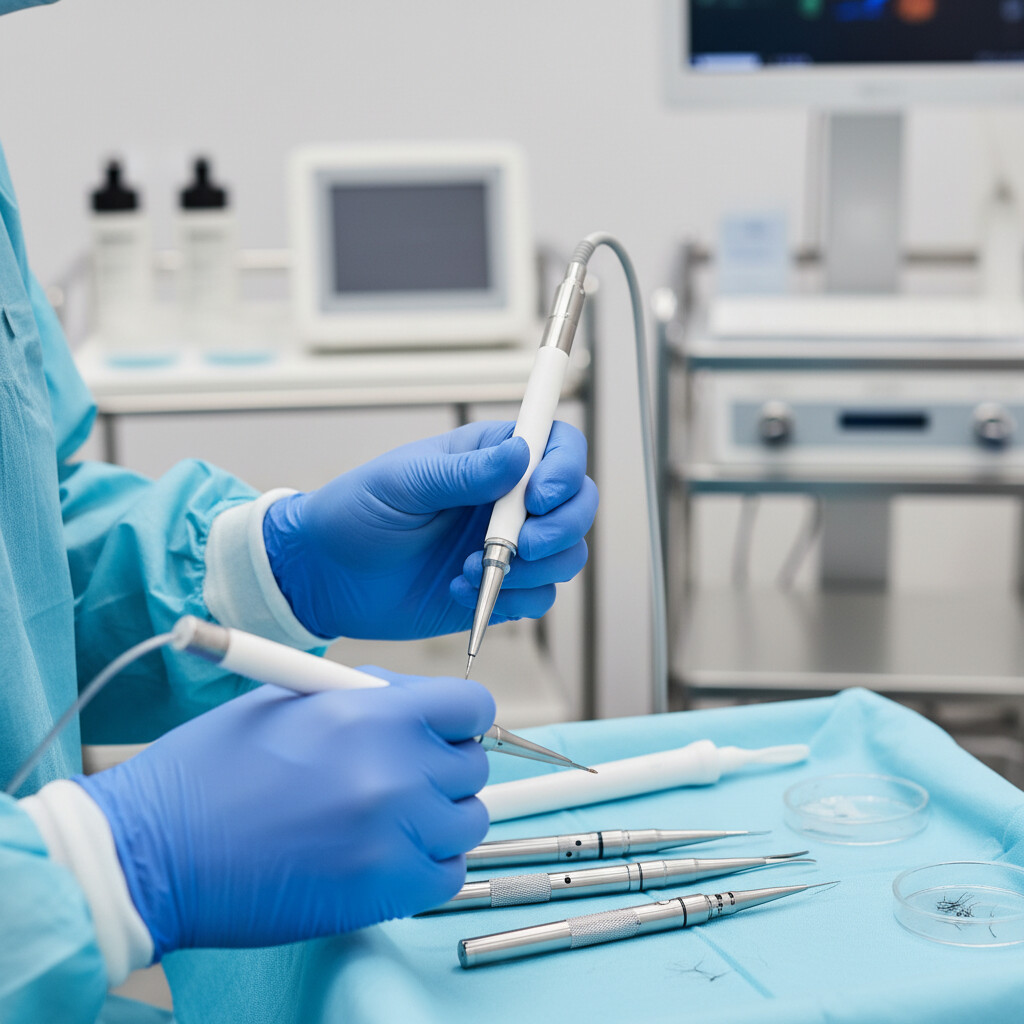
SDHI represents a significant evolution in graft implantation. Traditional FUE methods often involve creating recipient sites and then manually inserting the grafts. SDHI refines this process by allowing the surgeon to create the recipient site and implant the graft almost simultaneously. This sequential approach, often utilizing specialized implanter pens, offers several key advantages:
- Enhanced Naturalness: The surgeon gains finer control over the angle, depth, and direction of each implanted follicle. This is crucial for recreating a natural-looking hairline, mimicking the growth patterns of native hair. The sequential nature allows for meticulous placement, avoiding the unnatural, ‘pluggy’ look that can sometimes occur with older techniques.
- Improved Density: By precisely controlling graft placement, SDHI can achieve a higher effective density in the recipient area. This means more hair can be transplanted into a given space, leading to a fuller appearance.
- Reduced Trauma: The simultaneous creation of the site and implantation can minimize the time the graft is outside the body and reduce trauma to the surrounding tissues. This can potentially lead to better graft survival rates and slightly faster healing.
The SDHI technique is particularly beneficial for hairline reconstruction and for patients seeking maximum density. It requires a high degree of skill and artistry from the surgeon to leverage its full potential. The goal is not just to add hair, but to do so in a way that is aesthetically undetectable and harmonizes with the patient’s existing hair.
NEO FUE: Next-Generation Follicular Unit Extraction
NEO FUE is another advancement that focuses on optimizing the extraction and handling of follicular units. While still based on the FUE principle of individual graft removal, NEO FUE incorporates refinements aimed at improving graft quality, minimizing follicular damage, and enhancing the overall procedure.
- Advanced Extraction Tools: This often involves the use of newer, high-speed micro-punches and specialized extraction devices. These tools are designed to harvest grafts with greater precision, reducing the risk of transection (damaging the follicle during extraction) and minimizing donor area scarring.
- Optimized Graft Handling: NEO FUE places a strong emphasis on how the harvested grafts are stored and prepared. This may include using special preservation solutions that keep the follicles viable for longer periods, ensuring they are in optimal condition for transplantation.
- Minimally Invasive Approach: Like standard FUE, NEO FUE is minimally invasive. The extraction process creates tiny puncture wounds in the donor area, which heal quickly, leaving behind very small, scattered scars that are easily hidden by short hair.
- Potential for Faster Healing and Reduced Discomfort: By minimizing trauma during extraction and handling, NEO FUE aims to contribute to a smoother recovery process, potentially with less discomfort and faster healing of the donor site.
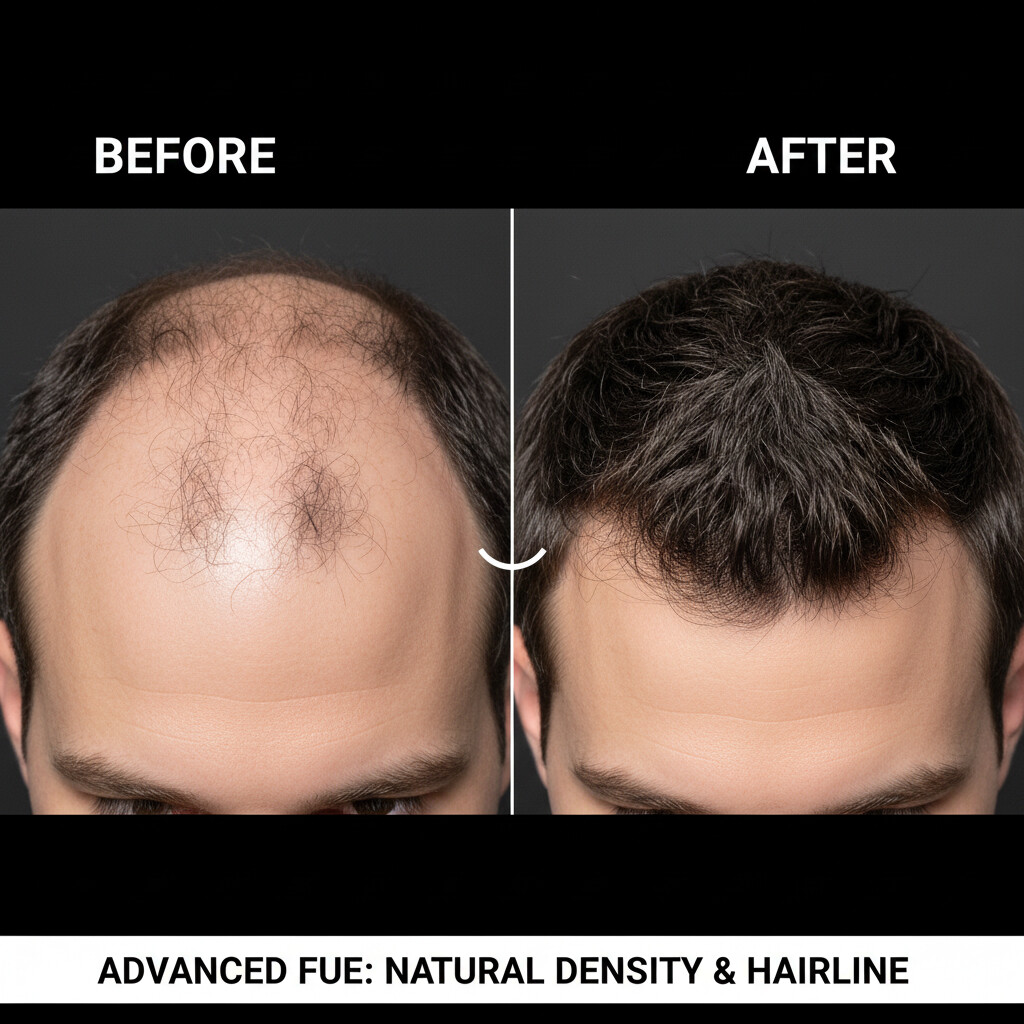
NEO FUE is essentially an upgraded version of traditional FUE, leveraging technological and procedural improvements to deliver superior results. It’s ideal for patients who want the benefits of FUE – minimal scarring, quick recovery – but with an added focus on maximizing the health and viability of each transplanted hair follicle.
Robotic Hair Transplantation: Precision Through Automation
Robotic hair transplantation harnesses the power of technology to assist surgeons in the hair restoration process. While robots do not perform the surgery autonomously, they serve as advanced tools that can enhance precision, consistency, and efficiency.
- Assisted Extraction: In robotic FUE systems, a robotic arm, guided by the surgeon, can perform the follicular unit extraction with remarkable accuracy. The system uses high-resolution imaging and precise movements to identify and harvest grafts, potentially reducing human error and fatigue.
- Consistency: Robots can perform repetitive tasks with a high degree of consistency, which can be beneficial in the meticulous process of extracting thousands of grafts.
- Ergonomics and Surgeon Fatigue: By automating certain aspects of the procedure, robotic systems can potentially reduce the physical strain on the surgeon, allowing them to maintain focus and precision throughout long procedures.
- Recipient Site Creation (in some systems): Some robotic systems can also assist in creating recipient sites, offering precision in depth and angle. However, the manual implantation by the surgeon is often still considered crucial for achieving the most natural aesthetic.
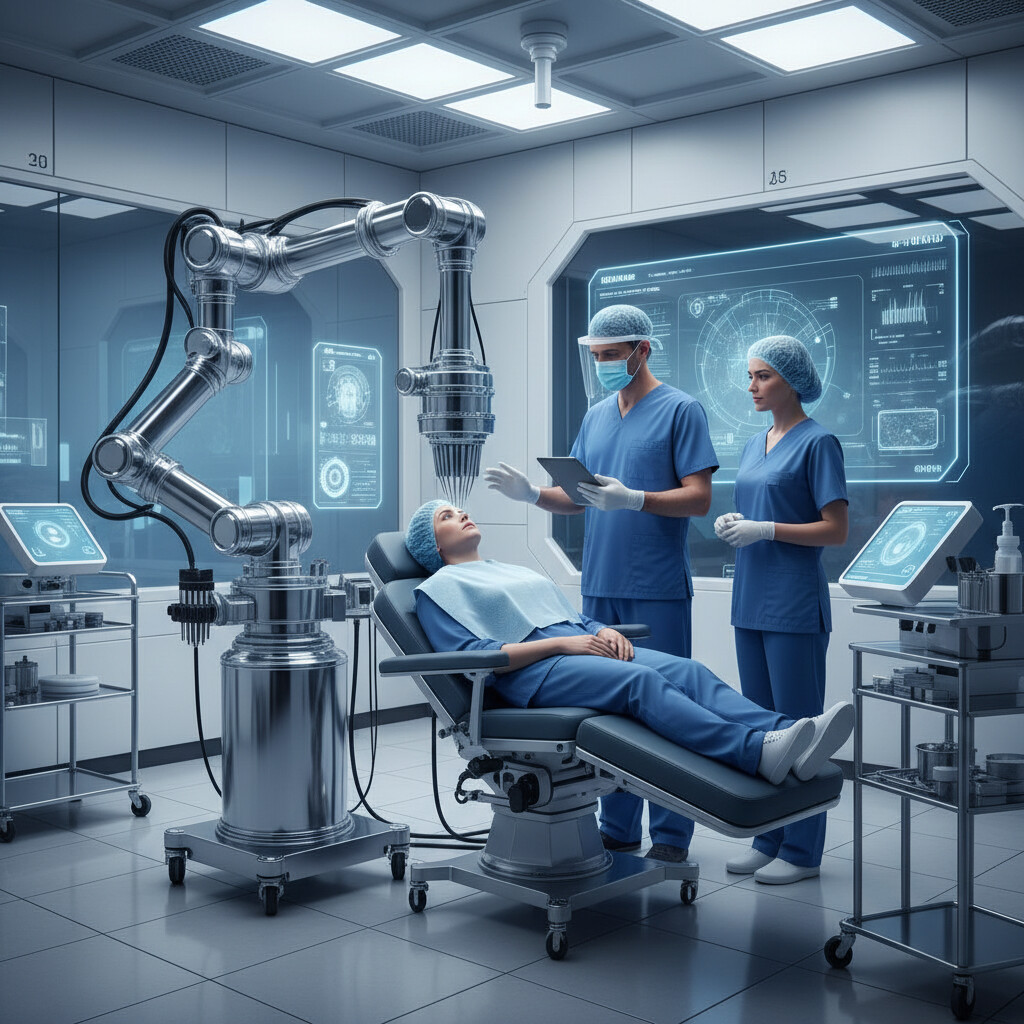
It’s important to note that robotic hair transplantation is still very much a surgeon-controlled procedure. The robot is an extension of the surgeon’s hands, providing enhanced capabilities. The surgeon’s experience, artistic eye, and judgment remain paramount in determining the design of the hairline, graft placement, and overall aesthetic outcome. Robotic systems are best viewed as tools that can augment a skilled surgeon’s abilities.
Choosing the Right Technique for You
Selecting the best hair transplant technique depends on several factors, including:
- Degree of Hair Loss: Extensive hair loss might benefit from techniques that maximize density or allow for large numbers of grafts.
- Desired Outcome: Are you aiming for a very low, sharp hairline, or a more diffused, natural look?
- Donor Area Characteristics: The quality and density of your donor hair play a significant role.
- Lifestyle: How short do you prefer to wear your hair? This influences the choice between methods with minimal or no visible scarring.
- Budget: Advanced techniques may come with different cost structures.
The Crucial Role of the Consultation
The most important step in deciding on a hair transplant is a thorough consultation with an experienced and qualified hair transplant surgeon. During this consultation, the surgeon will:
- Assess the cause and pattern of your hair loss.
- Evaluate the quality and quantity of your donor hair.
- Discuss your aesthetic goals and expectations.
- Explain the different available techniques (including SDHI, NEO FUE, and robotic options if offered) and their suitability for your specific case.
- Detail the procedure, recovery process, and expected results.
- Answer all your questions and concerns.
Advanced techniques like SDHI, NEO FUE, and robotic assistance represent the forefront of hair restoration. They offer the potential for more natural results, higher density, and improved recovery. However, the success of any hair transplant ultimately hinges on the skill, experience, and artistic vision of the surgeon. By understanding these techniques and seeking expert advice, you can embark on your journey to regain a fuller, more confident head of hair.