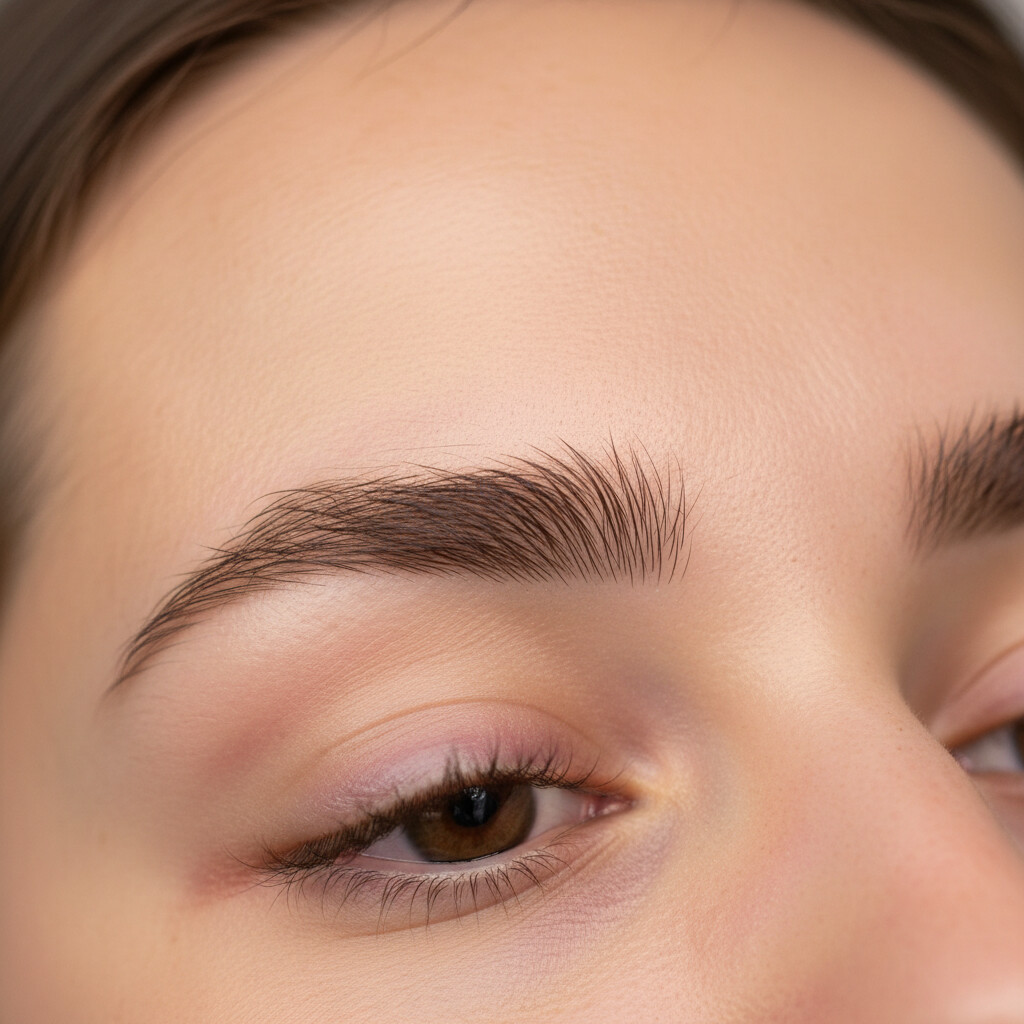
Eyebrow transplantation has emerged as a highly effective and increasingly popular solution for individuals experiencing eyebrow thinning or loss. Whether due to genetics, over-plucking, medical conditions, or aging, sparse or absent eyebrows can significantly impact one’s appearance and self-confidence. Fortunately, advancements in hair restoration technology now offer a permanent and natural-looking way to redefine and enhance eyebrows.
This comprehensive guide will walk you through the essentials of eyebrow transplantation, covering what it is, the different techniques involved, the procedure itself, recovery, and what to expect. By the end, you’ll have a clear understanding of whether this transformative procedure is the right choice for you.
**Key aspects we’ll cover:
- What is Eyebrow Transplantation?
- Who is a Good Candidate for Eyebrow Transplantation?
- Eyebrow Transplant Techniques: FUE vs. FUT
- The Eyebrow Transplantation Procedure Step-by-Step
- Recovery and Aftercare
- What to Expect: Results and Longevity
What is Eyebrow Transplantation?
Eyebrow transplantation is a sophisticated surgical procedure that involves harvesting healthy hair follicles from a donor area (typically the back or sides of the scalp) and transplanting them into the thinning or bald areas of the eyebrows. The transplanted hairs are genetically programmed to continue growing, mimicking the natural growth cycle of eyebrow hair. This results in a fuller, more defined, and naturally appearing brow that can be shaped and maintained as desired.
Unlike temporary solutions such as eyebrow pencils, powders, or microblading, a hair transplant offers a permanent solution. The transplanted hairs grow, shed, and regrow naturally over time, just like your original eyebrow hairs.
Who is a Good Candidate for Eyebrow Transplantation?
Several factors determine if you’re a suitable candidate for an eyebrow transplant:
- Significant Eyebrow Thinning or Loss: Individuals who have lost a substantial amount of eyebrow hair due to over-plucking (plucking disorder or trichotillomania), aging, genetics, scarring (from injuries or surgeries), or certain medical conditions (like alopecia areata or thyroid issues).
- Desire for Permanent Results: Those seeking a long-term solution rather than temporary cosmetic fixes.
- Realistic Expectations: Understanding that the process involves surgery, a recovery period, and that results take time to become fully apparent.
- Sufficient Donor Hair: Having a healthy supply of donor hair on the scalp is crucial. A skilled surgeon will assess the quality and density of your donor hair to ensure enough grafts can be harvested without compromising the donor area.
- Good Overall Health: As with any surgical procedure, good general health is necessary to ensure successful implantation and recovery.
It’s important to consult with a qualified hair transplant surgeon to assess your individual situation and determine candidacy.
Eyebrow Transplant Techniques: FUE vs. FUT
Two primary techniques are used for hair transplantation, and both can be adapted for eyebrow procedures: Follicular Unit Transplantation (FUT) and Follicular Unit Extraction (FUE).
-
Follicular Unit Transplantation (FUT): In this method, a thin strip of scalp skin containing hair follicles is surgically removed from the donor area. This strip is then dissected under a microscope into individual follicular units (groups of 1-4 hairs). These units are meticulously implanted into tiny incisions made in the eyebrow area. FUT typically leaves a linear scar in the donor area, which can be hidden by existing hair.
-
Follicular Unit Extraction (FUE): FUE is a less invasive technique where individual follicular units are directly extracted from the donor area using a specialized micro-punch tool. The extracted follicles are then transplanted into the recipient eyebrow sites. FUE results in minimal scarring, appearing as tiny dots that are virtually unnoticeable, especially once the hair grows back. This technique is often preferred for eyebrow transplantation due to its minimally invasive nature and faster recovery.
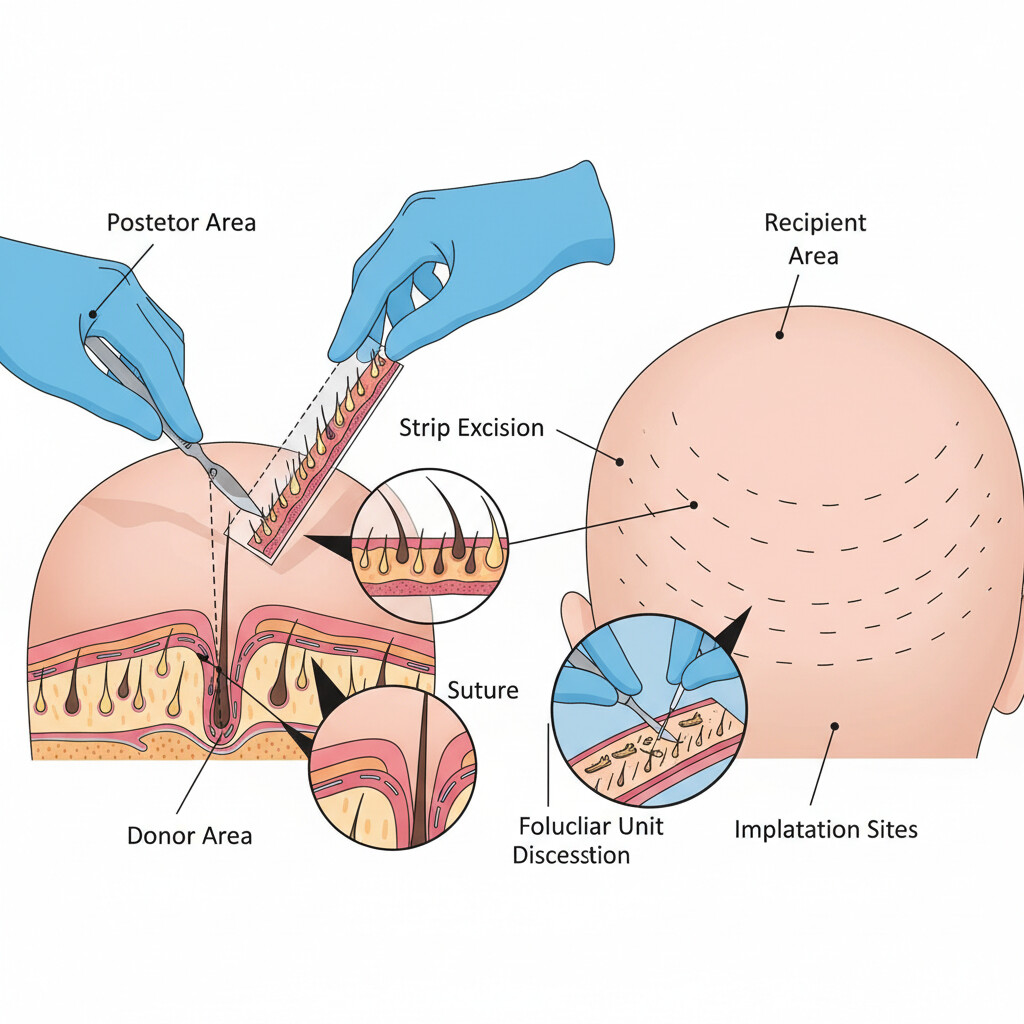
For eyebrow transplants, surgeons often favor FUE because it allows for precise placement and the use of single-hair grafts, which are ideal for creating a natural-looking eyebrow texture and density. The choice between FUE and FUT depends on the patient’s specific needs, the surgeon’s expertise, and the desired outcome.
The Eyebrow Transplantation Procedure Step-by-Step
The eyebrow transplantation process is generally straightforward and can be divided into several key stages:
-
Consultation and Planning: The journey begins with a detailed consultation. Your surgeon will discuss your aesthetic goals, examine your eyebrows and donor area, and determine the best approach. They will often draw a new eyebrow shape on your face to ensure you are happy with the design before the procedure begins.
-
Donor Area Preparation: The donor area (usually the back of the scalp) is prepared. If FUE is being used, small areas are shaved. If FUT is chosen, a linear strip will be marked for removal.
-
Anesthesia: Local anesthesia is administered to both the donor area and the recipient eyebrow area, ensuring the procedure is comfortable and pain-free.
-
Graft Harvesting: Depending on the chosen technique (FUE or FUT), the surgeon carefully extracts the healthy follicular units from the donor area.
-
Graft Preparation: The harvested follicular units are meticulously prepared under magnification to ensure they are viable and ready for implantation. This step is crucial for the success of the transplant.
-
Implantation: The surgeon creates tiny incisions in the eyebrow area according to the pre-determined design. Each follicular unit is then carefully placed into these incisions at the correct angle, depth, and direction to create a natural-looking brow contour and density. The angle and direction are particularly critical for eyebrows to ensure they lie flat and mimic natural growth patterns.
-
Post-Operative Care Instructions: After the procedure, you will receive detailed instructions on how to care for your transplanted eyebrows and donor area.

Recovery and Aftercare
Recovery from eyebrow transplantation is typically quick and straightforward, especially with the FUE technique. However, it’s essential to follow your surgeon’s post-operative instructions carefully to ensure optimal healing and results.
- Immediate Post-Op: You may experience some mild swelling, redness, or tenderness in the eyebrow and donor areas. Small crusts or scabs may form around the transplanted hairs. It is crucial not to touch or scratch the transplanted area.
- First Few Days: Gently cleanse the area as instructed by your surgeon. Avoid strenuous activities, excessive sweating, and direct sun exposure.
- First Few Weeks: The transplanted hairs will likely shed within the first 2-4 weeks. This is a normal part of the process, known as ‘shock loss,’ and the follicles remain intact underneath the skin.
- Long-Term Care: Once the transplanted hairs begin to grow, you can trim them to your desired length. They will require care similar to your natural eyebrow hair. Some individuals may find that the transplanted hairs grow slightly faster or longer than their original eyebrow hairs, requiring occasional trimming.
What to Expect: Results and Longevity
Achieving the final results of an eyebrow transplant takes time. Here’s a typical timeline:
- 3-4 Months Post-Op: You will start to see new hair growth emerging from the transplanted follicles. These initial hairs may be fine and sparse.
- 6-9 Months Post-Op: The transplanted hairs become thicker and denser. The shape and fullness of the eyebrows become more apparent.
- 12-18 Months Post-Op: The final results are typically visible. The transplanted eyebrows will look natural, full, and well-defined, integrating seamlessly with your existing facial features.
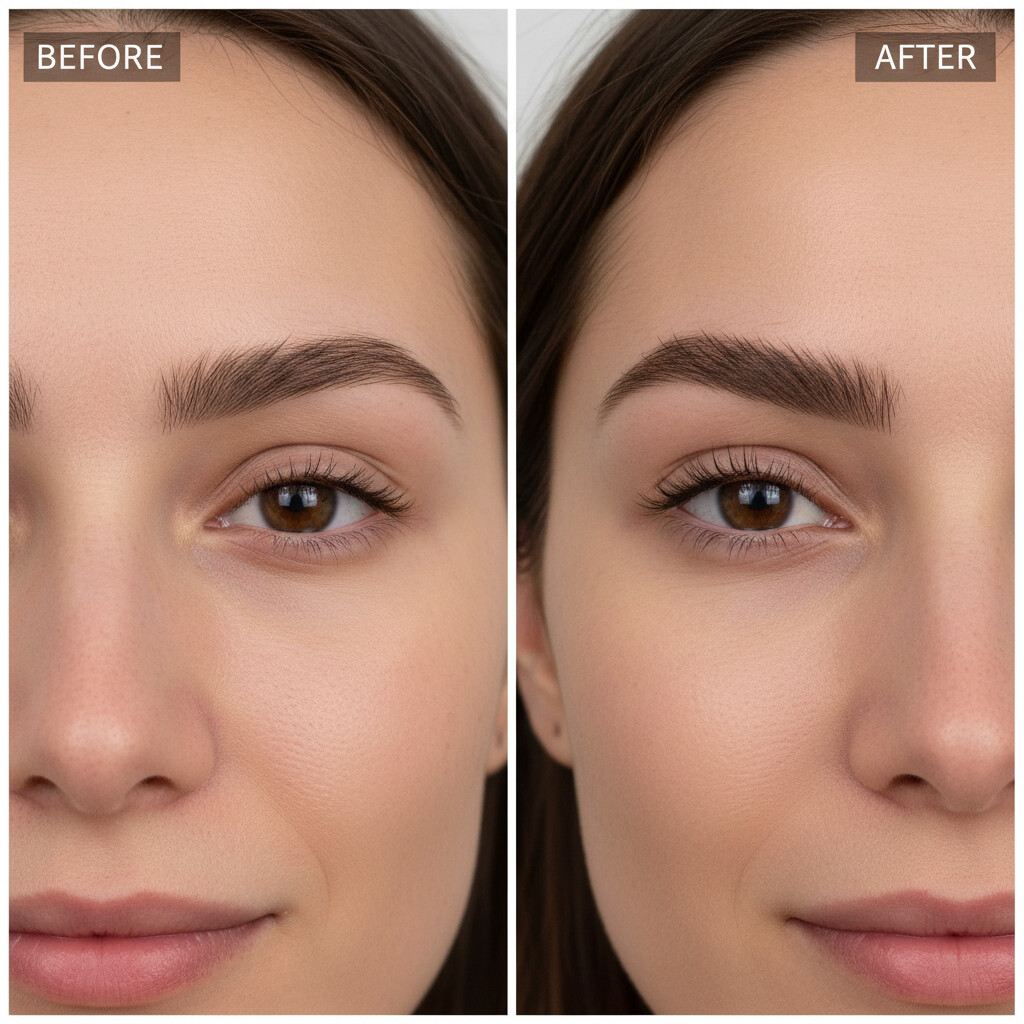
Eyebrow transplantation is a permanent solution. The transplanted hairs are permanent and will continue to grow throughout your life. With proper care and occasional trimming, your new eyebrows will maintain their appearance indefinitely.
Conclusion
Eyebrow transplantation offers a revolutionary and permanent way to restore or enhance your eyebrows, significantly boosting confidence and refining your facial aesthetics. By understanding the procedure, the available techniques, and the recovery process, you can make an informed decision about whether this transformative treatment is right for you. If you’re considering fuller, more defined eyebrows, consulting with an experienced hair restoration specialist is the crucial first step towards achieving your desired look.