
What This Guide Will Explain
- Understanding the importance of facial proportions in hairline design.
- How hairline planning contributes to a natural and aesthetically pleasing result.
- Key factors considered during the hairline design process.
- The role of a professional consultation in defining your ideal hairline.
- Realistic expectations for hairline restoration outcomes.
Understanding Facial Proportions and Hairline Design
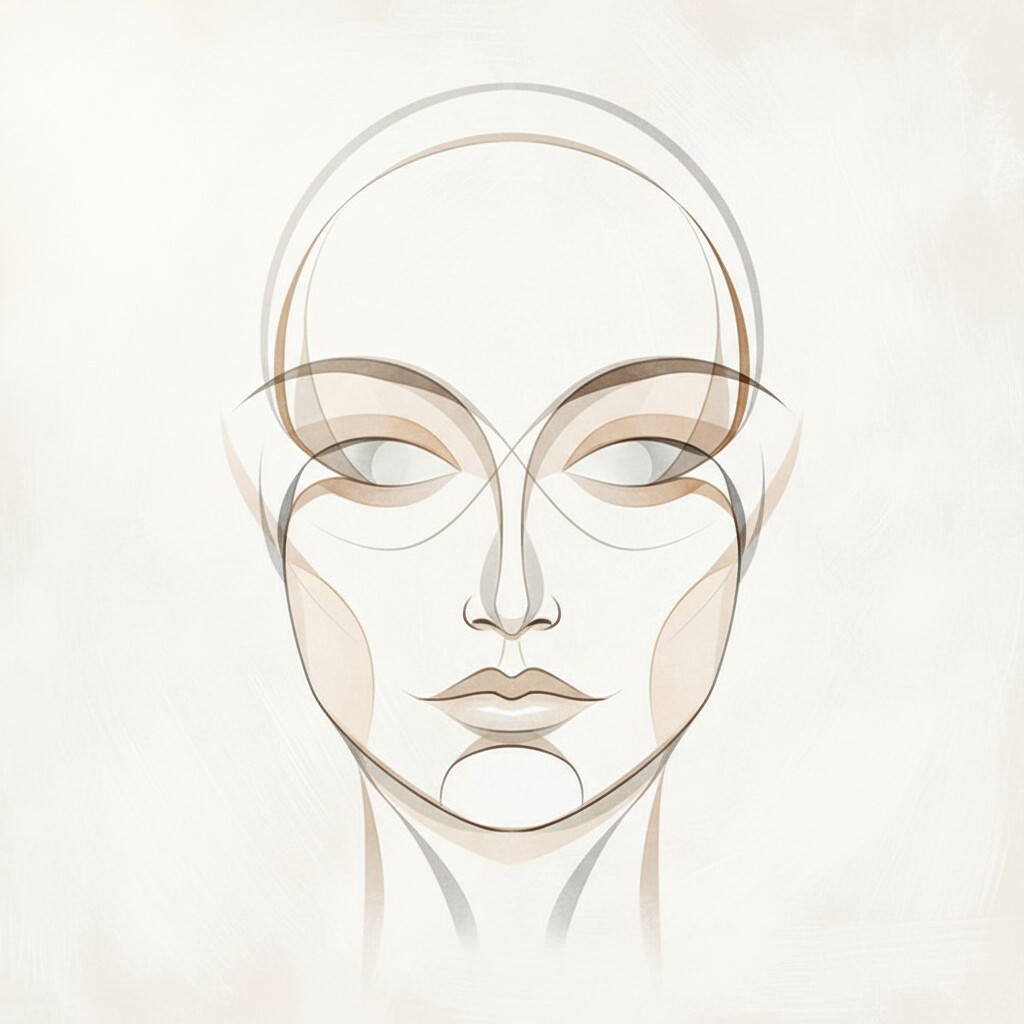
For many individuals considering hair restoration, the primary goal is to achieve results that look not only full but also undeniably natural. A crucial element in achieving this natural appearance is the careful consideration of facial proportions when planning the hairline. This approach moves beyond simply adding hair; it involves creating a harmonious balance that complements your unique facial structure.
This guide is intended for adults, particularly those aged 35 and above, who are seriously exploring their options for hair restoration. It aims to provide a clear, calm, and informative overview of how hairline design is approached, emphasizing the principles of facial aesthetics. We will delve into why this meticulous planning is essential for a successful and satisfying outcome, helping you understand the foundational concepts that lead to results that look as if you’ve never experienced hair loss.
What you should realistically expect to learn is an appreciation for the artistry and science involved in hairline design. We will demystify the process, focusing on the consultation and planning stages rather than surgical details. You will gain insight into how experienced professionals evaluate your face to create a hairline that enhances your features, rather than detracts from them. The aim is to empower you with knowledge, enabling you to engage more effectively in your consultation and make informed decisions about your hair restoration journey.
The Science and Art of Hairline Design
Why Hairline Matters for Natural Results
The hairline is one of the most defining features of the face. Its shape, position, and density significantly influence our perception of youthfulness, masculinity, and overall facial aesthetics. A well-designed hairline can frame the face beautifully, while an unnatural one can appear disproportionate and detract from a person’s appearance. For individuals experiencing hair loss, particularly at the temples or the frontal scalp, a strategically planned hairline is paramount to restoring a balanced and natural look.
Key Principles in Hairline Planning
Professionals in hair restoration utilize several established principles to design an optimal hairline. These are not arbitrary decisions but are based on a deep understanding of facial anatomy and aesthetics. The goal is to create a hairline that is appropriate for the individual’s age, facial structure, and desired outcome.
-
Facial Thirds: A common aesthetic principle divides the face into three roughly equal horizontal sections: the hairline to the eyebrows, the eyebrows to the base of the nose, and the base of the nose to the chin. A balanced hairline should respect these proportions, ensuring that the forehead height is harmonious with the other facial segments.
-
Facial Width: The hairline’s width, particularly at the temples, plays a role in framing the face. Restoring a natural temporal point can help to narrow the appearance of a broad forehead and enhance the overall facial shape.
-
Age Appropriateness: A hairline that looks natural on a 20-year-old may appear too low or aggressive on a mature individual. Hairline design should consider the patient’s age, aiming for a mature yet youthful appearance that is sustainable over time.
-
Natural Irregularity: Natural hairlines are rarely perfectly symmetrical or straight. They possess a subtle, organic irregularity. Replicating this natural randomness, including slight variations in density and a gently undulating contour, is key to achieving an undetectable result.
Practical Considerations in Hairline Restoration
The Consultation and Planning Phase
The journey to natural-looking hair restoration begins long before any procedure. The initial consultation is a critical step where you and your chosen medical professional will discuss your goals, assess your hair loss pattern, and determine the best course of action. During this phase, detailed measurements and photographic analysis are often conducted to understand your facial structure and existing features.
Your specialist will meticulously map out a proposed hairline, taking into account the principles mentioned above. This collaborative process ensures that the plan aligns with your vision while adhering to the highest aesthetic standards. Open communication is vital here; feel free to express your concerns and expectations. The goal is to arrive at a shared understanding of the desired outcome.
What to Expect: The Hair Restoration Process Overview
While this guide focuses on planning, it’s helpful to have a general understanding of the process. The hair restoration process itself involves carefully transplanting healthy hair follicles from one area of the scalp to the thinning or balding areas. The focus is always on precision and artistry in placing each graft to mimic natural growth patterns and density. The process is designed with patient comfort and safety as top priorities, aiming for a smooth experience and minimal disruption to your daily life following the procedure.
Long-Term, Natural-Looking Outcomes
The ultimate aim of meticulous hairline planning is to achieve results that are both aesthetically pleasing and enduring. By grounding the design in an understanding of facial proportions and natural hair growth, the restored hairline should integrate seamlessly with your existing features. The focus on subtle irregularity and age-appropriateness means that the results will look as if your hair has always been this way, enhancing your appearance without drawing undue attention to the treatment itself.

Common Questions About Hairline Design
Q1: How is a natural-looking hairline determined for someone my age (e.g., 40s or 50s)?
A1: For mature individuals, the approach typically involves creating a hairline that is slightly higher and less aggressive than one designed for a younger person. This takes into account the natural aging process and ensures the result appears mature, balanced, and sustainable. Professionals will consider your existing facial features and overall appearance to design a hairline that enhances your look without appearing unnatural for your age.
Q2: Will my new hairline look symmetrical?
A2: Natural hairlines possess a degree of asymmetry. While the goal is to create a balanced and pleasing frame for your face, perfect symmetry is neither natural nor typically desired. The design process incorporates subtle variations to mimic the organic nature of a natural hairline, ensuring it looks authentic and not artificially constructed.
Q3: Can hairline design help to soften my facial features?
A3: Yes, a well-designed hairline can significantly impact facial aesthetics. By carefully shaping the front and temples, it can help to frame the face, balance proportions, and even soften harsher features, contributing to a more harmonious and youthful appearance.
Q4: How much input do I have in the hairline design?
A4: You have significant input. The consultation process is a collaboration. While the medical professional provides expertise on aesthetics and what is technically achievable and natural-looking, your personal preferences and goals are central to the planning. The final design should reflect both your desires and sound medical and aesthetic principles.
Let’s Discuss: Your Hairline Journey
Every individual’s hair restoration journey is unique, shaped by personal goals and specific aesthetic considerations. Sharing experiences and insights can be invaluable for others navigating this path.
- What factors did you find most important when considering hairline design during your consultation?
- How did you approach discussing your ideal hairline shape and placement with your specialist?
- For those who have undergone treatment, what advice would you give to someone who is concerned about their hairline looking unnatural?
Medical Disclaimer
Information provided on this platform is for educational purposes only and does not constitute medical advice. Hair restoration is a medical procedure, and individual results can vary significantly. It is essential to consult with a qualified and experienced hair restoration specialist to determine the best course of treatment for your specific condition and needs. This content does not guarantee any specific outcomes. Decisions regarding hair restoration should only be made after a thorough personal assessment by a licensed medical professional.