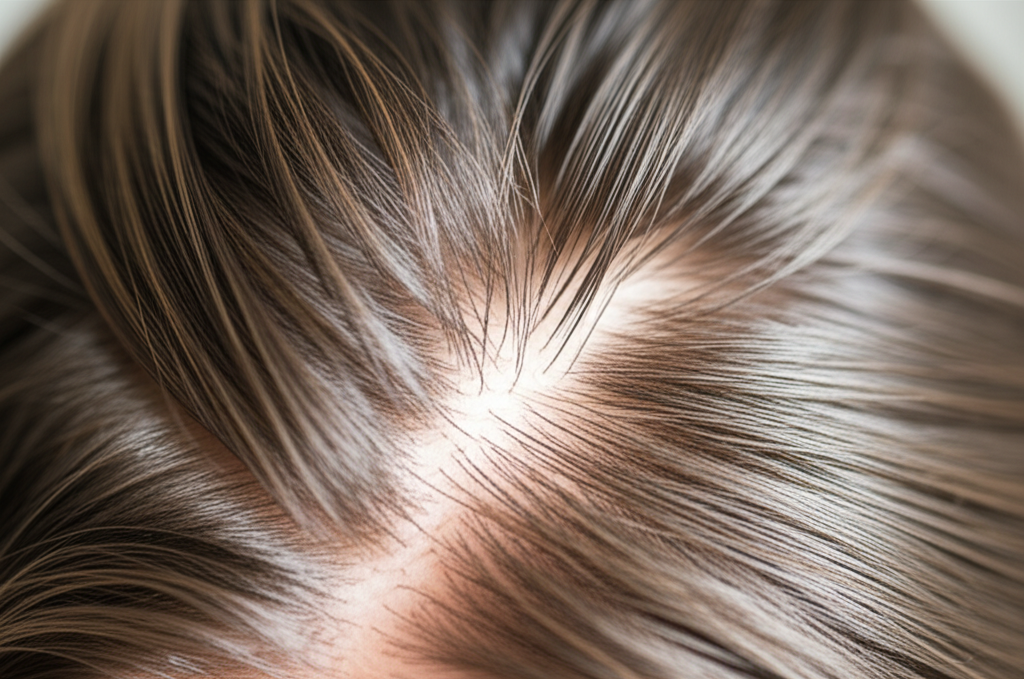
Hair loss in women is a common and often distressing experience, affecting self-esteem and overall quality of life. While hair transplantation has long been a viable solution for male pattern baldness, its application and considerations for women present unique aspects. This guide delves into the causes of female hair loss, explores various treatment options, and highlights what makes hair transplantation different for women.
Understanding Female Hair Loss
Unlike the distinct patterns of male balding, female hair loss is often more diffuse, meaning it can affect the entire scalp rather than creating a receding hairline or bald patch. This diffuse thinning can make it more challenging to find suitable donor areas for transplantation. The primary causes of hair loss in women include:
- Genetics (Female Pattern Hair Loss - FPHL): This is the most common cause, similar to male pattern baldness but with different genetic expressions. FPHL typically involves a widening of the part or diffuse thinning over the crown, while the frontal hairline is usually preserved.
- Hormonal Changes: Fluctuations in hormones due to pregnancy, childbirth, menopause, or conditions like Polycystic Ovary Syndrome (PCOS) can trigger temporary or permanent hair loss.
- Medical Conditions: Thyroid disorders (both hyperthyroidism and hypothyroidism), autoimmune diseases like alopecia areata, and scalp infections can lead to hair shedding.
- Nutritional Deficiencies: Lack of essential vitamins and minerals such as iron, vitamin D, zinc, and protein can impact hair growth cycles.
- Stress (Telogen Effluvium): Significant physical or emotional stress, major surgery, or severe illness can cause a temporary increase in hair shedding.
- Medications: Certain drugs, including those for high blood pressure, heart conditions, arthritis, and depression, can have hair loss as a side effect.

Treatment Options Beyond Transplantation
Before considering a hair transplant, women should explore other treatment avenues, as these may be sufficient to manage their specific type of hair loss:
- Medications:
- Minoxidil (Rogaine): An over-the-counter topical solution available in 2% and 5% strengths. It can help slow hair loss and, for some, promote regrowth. Consistency is key, and results may take several months to become apparent.
- Spironolactone and Finasteride: These are prescription medications, often used off-label for FPHL. They work by blocking androgens, hormones that can contribute to hair thinning in genetically predisposed women. They are generally not recommended for women who are pregnant or planning to become pregnant due to potential birth defects.
- Nutritional Supplements: If a deficiency is identified, supplements like iron, vitamin D, or biotin can help restore hair health.
- Low-Level Laser Therapy (LLLT): Devices such as laser combs or helmets emit low-level laser light, which is believed to stimulate hair follicles and promote growth.
- Platelet-Rich Plasma (PRP) Therapy: This involves drawing the patient’s blood, processing it to concentrate platelets, and then injecting the PRP into the scalp. Platelets contain growth factors that can stimulate hair follicles.
- Hormone Therapy: For hair loss related to hormonal imbalances, treatments like hormone replacement therapy (HRT) or birth control pills may be prescribed.

Hair Transplantation in Women: Key Differences and Considerations
When non-surgical treatments are insufficient or when a more permanent solution is desired, hair transplantation can be an option for women. However, the approach differs significantly from that for men. The primary goal for women is often to restore density and camouflage thinning, rather than creating a dramatic hairline reconstruction. Here’s what makes it different:
-
Donor Area Assessment:
- In men, the donor area (typically the back and sides of the head) is usually robust and resistant to the effects of DHT (dihydrotestosterone), the hormone responsible for male pattern baldness. This allows for a reliable supply of grafts.
- For women with FPHL, the donor area can also be affected by thinning, though often to a lesser degree. This means the surgeon must carefully assess the density and quality of the donor hair to ensure that harvesting grafts won’t create noticeable thinning in the donor site itself.
-
Pattern of Hair Loss:
- Women typically experience diffuse thinning (androgenetic alopecia) across the scalp, particularly on the top and crown, while maintaining a solid frontal hairline. This diffuse pattern makes it difficult to select individual follicular units without impacting the overall density.
- Transplantation is therefore often focused on restoring density in the thinning areas rather than lowering or reconstructing a hairline, which is common in male transplants.
-
Surgical Techniques:
- Follicular Unit Transplantation (FUT): This involves removing a strip of scalp from the donor area, dissecting it into individual follicular units, and then implanting them into the recipient area. While effective, it leaves a linear scar which might be more noticeable in women with longer hair if not carefully managed.
- Follicular Unit Extraction (FUE): This technique involves extracting individual follicular units directly from the donor area using a small punch tool. FUE typically results in less visible scarring, often appearing as tiny dots that can be easily hidden by surrounding hair, making it a preferred method for many women.
-
Graft Distribution and Density:
- The goal is to increase the visual density of the existing hair. This requires meticulous placement of grafts, often interspersed with native hairs, to create a natural and fuller appearance. Over-harvesting or aggressive implantation can compromise the surrounding hair.
-
Recipient Area Considerations:
- The recipient area is usually the thinning crown or mid-scalp. The hairline is typically preserved, so the focus is on adding density to the existing coverage.
-
Psychological Impact and Expectations:
- Women often seek hair transplantation for cosmetic reasons and to regain confidence. Managing expectations is crucial. A hair transplant can significantly improve density, but it may not restore hair to its youthful thickness. A combination of surgical and non-surgical treatments is often the most effective approach.

The Consultation Process
A thorough consultation with a qualified hair transplant surgeon is paramount for any woman considering the procedure. The surgeon will:
- Diagnose the specific cause of hair loss through medical history, physical examination, and possibly blood tests.
- Assess the donor area for density and quality.
- Evaluate the extent and pattern of hair loss.
- Discuss realistic outcomes and tailor a treatment plan, which may include surgical and non-surgical options.
- Explain the chosen surgical technique (FUT or FUE) and its implications.
Conclusion
Female hair loss is complex, with diverse causes and treatment considerations. While hair transplantation offers a powerful solution for restoring density and confidence, it requires a nuanced approach compared to male hair transplantation. Understanding the differences in causes, donor availability, hair loss patterns, and surgical techniques is essential for women to make informed decisions and achieve satisfactory results. A personalized consultation with an experienced surgeon is the critical first step towards addressing female hair loss effectively.