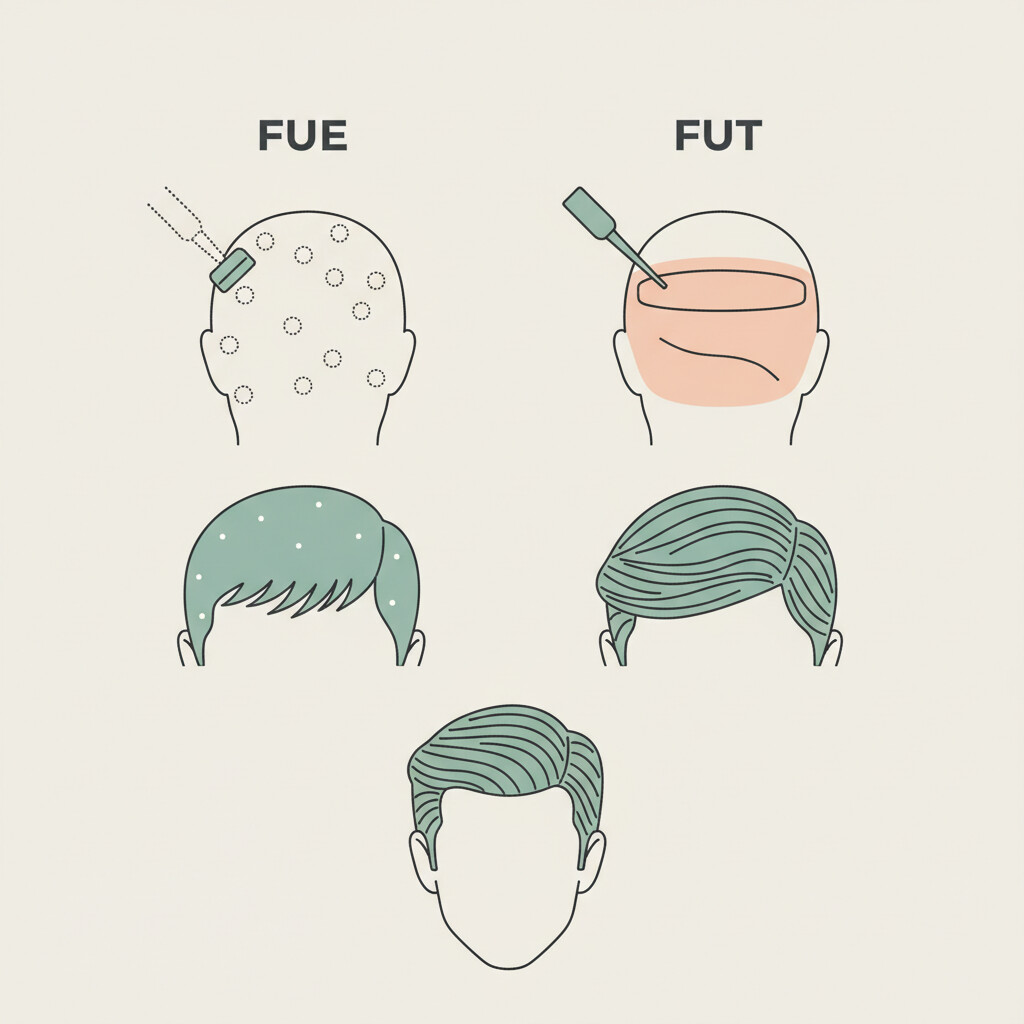
Considering a hair transplant can be a significant decision, and understanding the different techniques available is crucial for making an informed choice. Two primary surgical methods have dominated the field: Follicular Unit Transplantation (FUT) and Follicular Unit Extraction (FUE). While both aim to restore hair by moving follicles from a donor area to a thinning or bald area, they differ significantly in their approach, recovery, and aesthetic outcomes. This guide will delve into the nuances of FUE and FUT, highlighting why FUE has become the preferred choice for many today, particularly due to its advantage of avoiding linear strip scarring.
Key Considerations for Hair Transplant Techniques:
- Methodology: How hair follicles are extracted from the donor area.
- Scarring: The type and visibility of scars left behind.
- Recovery: The downtime and healing process post-surgery.
- Aesthetic Results: The naturalness and density of the transplanted hair.
- Suitability: Which technique is best for different hair types and lifestyles.
Understanding FUT (Follicular Unit Transplantation)
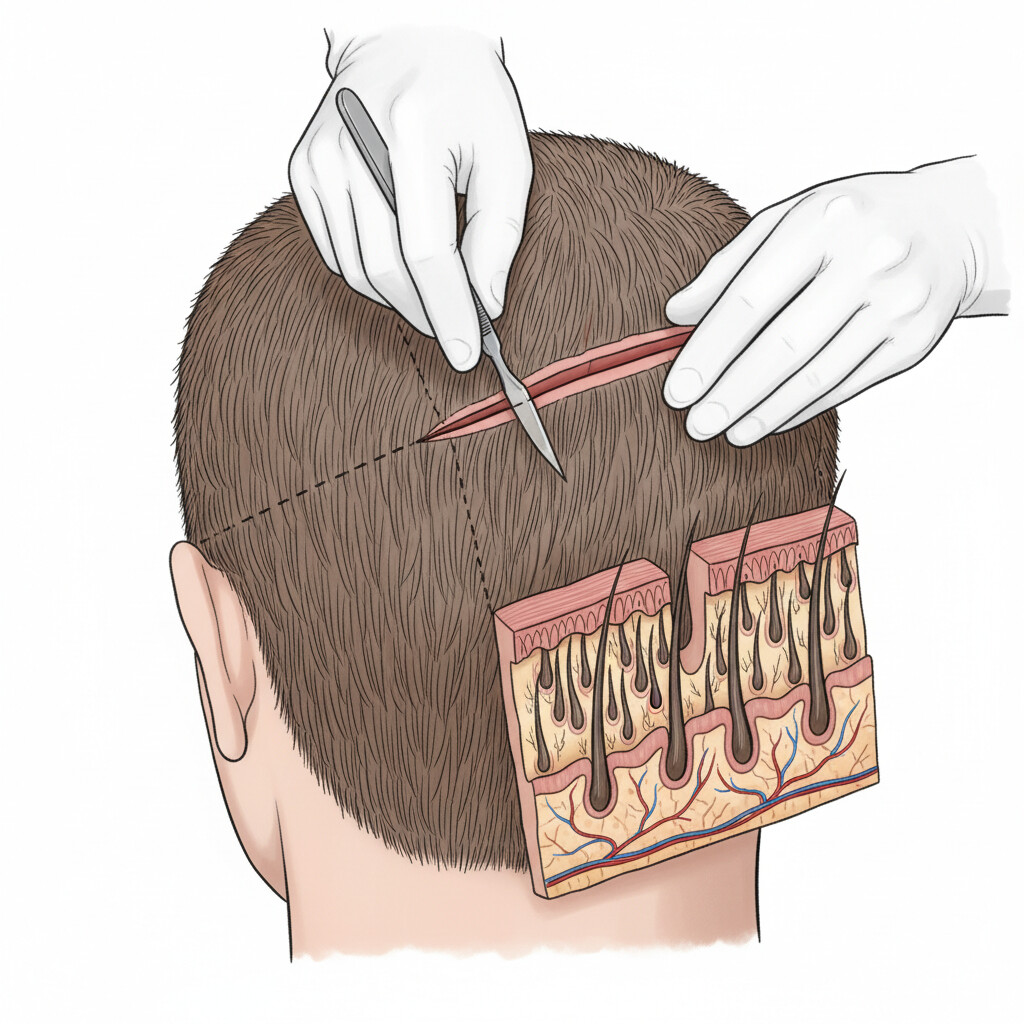
FUT, often referred to as the “strip method,” involves surgically removing a thin strip of scalp tissue from the donor area, typically the back or sides of the head, where hair is usually denser and less prone to balding. This strip is then dissected under microscopes by a skilled team into individual follicular units, which are tiny clusters of 1-4 hairs. These follicular units are then implanted into the recipient area using tiny incisions.
Pros of FUT:
- High Yield: FUT can yield a large number of follicular units in a single session, making it efficient for covering extensive areas of hair loss.
- Cost-Effective (Historically): Due to the efficiency, it was historically a more cost-effective option per graft.
Cons of FUT:
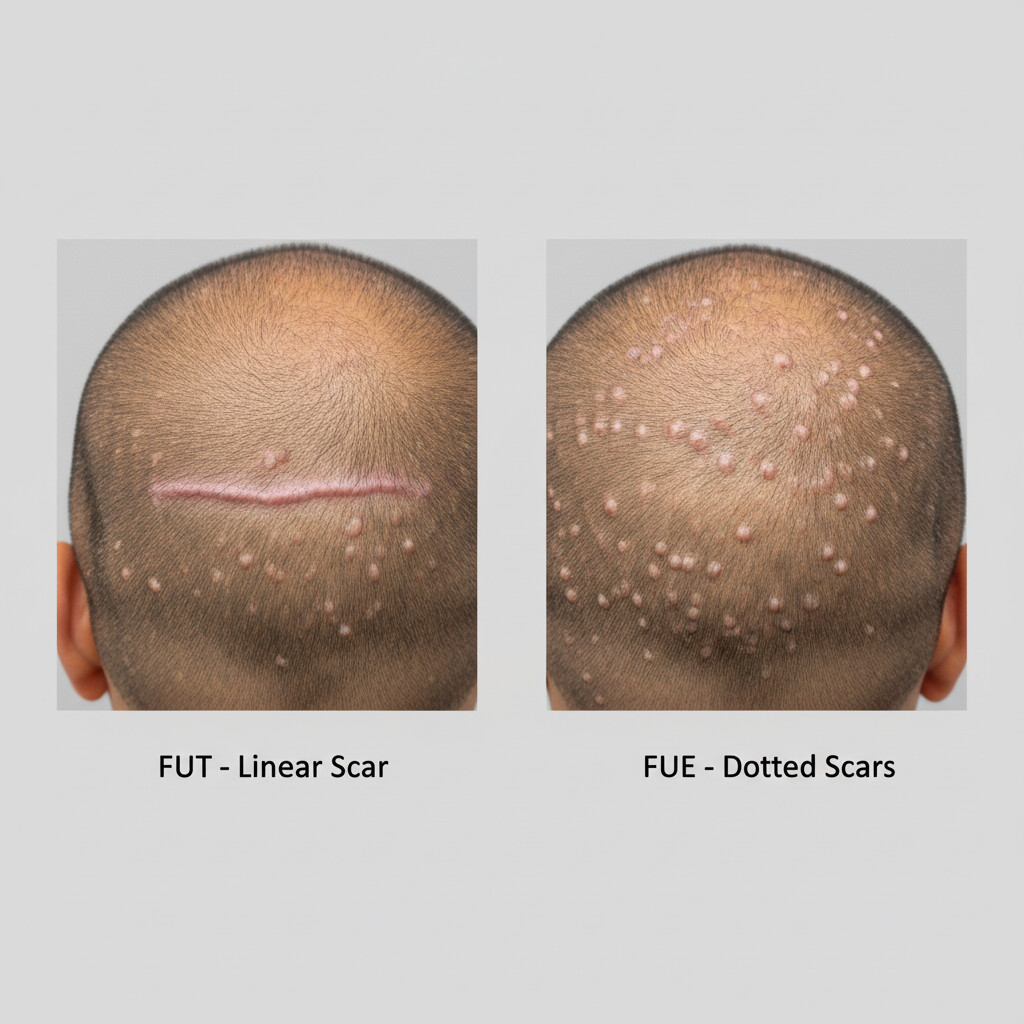
- Linear Scarring: The most significant drawback of FUT is the linear scar left at the donor site. This scar can range from a thin, barely visible line to a more noticeable one, depending on the surgeon’s skill and the patient’s healing. It necessitates longer hairstyles to conceal, which can be a major concern for individuals who prefer to wear their hair short.
- Longer Recovery Time: The excision of a strip requires more invasive surgery, leading to a longer healing period and potentially more discomfort compared to FUE.
- Limited Future Options: The removal of a strip from the donor area can limit the available donor hair for future procedures.
- Potential for Tightness: Some patients experience a feeling of tightness at the back of their scalp.
Understanding FUE (Follicular Unit Extraction)
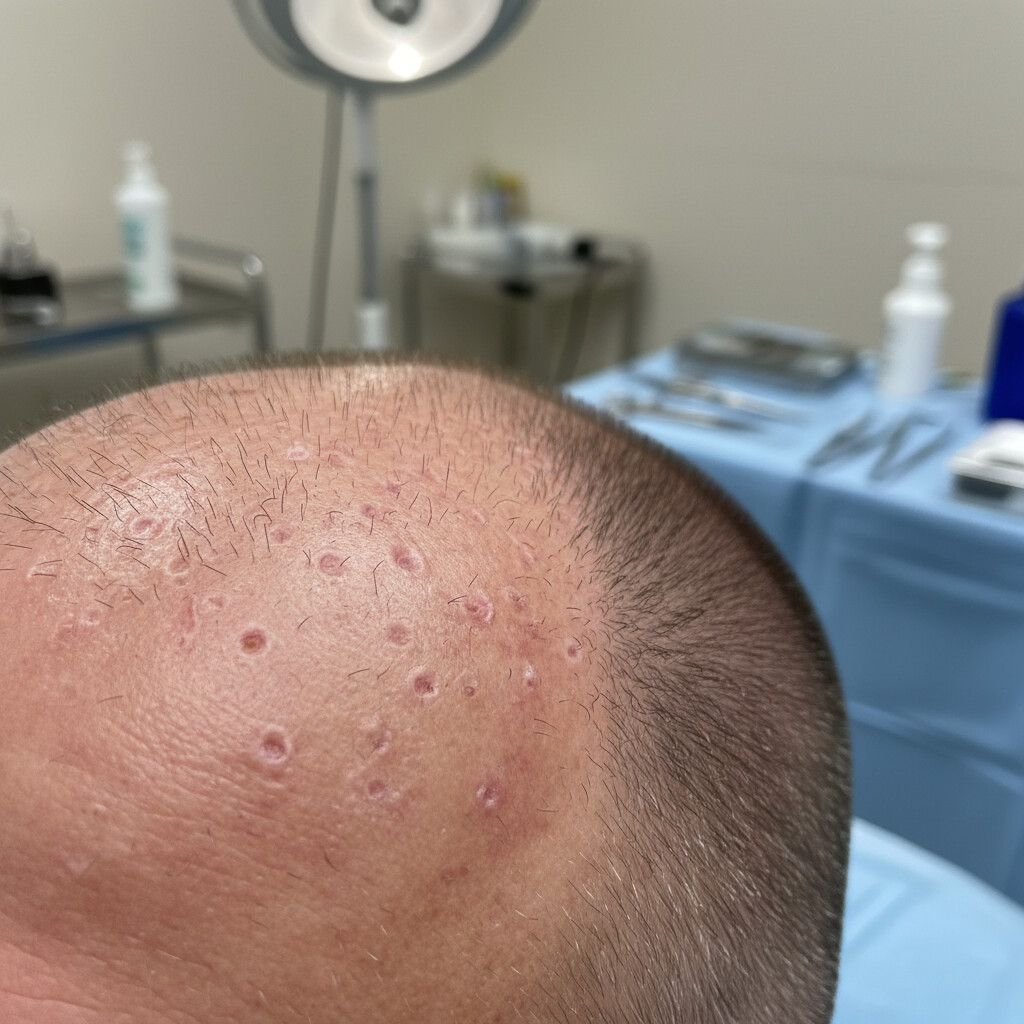
FUE is a more modern and minimally invasive technique. Instead of removing a strip, individual follicular units are extracted directly from the donor area using a specialized micro-punch tool. This tool, typically ranging from 0.8mm to 1.2mm in diameter, creates tiny circular incisions around each follicular unit, which are then carefully removed. The extracted follicular units are then implanted into the recipient area, much like in FUT.
Pros of FUE:
- Minimal Scarring: This is the most significant advantage of FUE. Because individual follicles are extracted, the resulting scars are tiny, circular dots scattered throughout the donor area. These are far less noticeable than a linear scar and can be easily hidden, even with very short haircuts. This makes FUE an excellent choice for individuals who prefer short hairstyles or may need future procedures.
- Faster Recovery: The minimally invasive nature of FUE leads to a quicker recovery time and less discomfort. Most patients can return to their normal activities within a few days to a week.
- Versatility: FUE allows for the harvesting of follicular units from various body areas, such as the beard or chest, if the scalp donor area is limited. This significantly expands the possibilities for patients with severe hair loss.
- Less Impact on Donor Area: The scattering of extraction sites minimizes the impact on any single area of the donor zone, preserving its density.
Cons of FUE:
- Time-Consuming: The process of extracting each follicular unit individually can be more time-consuming than FUT, potentially leading to higher costs per graft.
- Requires Shaving: The donor area typically needs to be shaved (or at least trimmed very short) to allow the surgeon to easily access and extract the follicular units.
- Potential for Transection: While skilled surgeons minimize this, there’s a small risk of damaging follicular units during extraction.
Why FUE is Preferred Today
The shift towards FUE as the preferred method is driven by several key factors, primarily revolving around patient experience and aesthetic outcomes:
- Aesthetic Advantage (No Linear Scar): The most compelling reason for FUE’s popularity is the absence of a linear scar. FUT leaves a permanent linear scar that can be difficult to conceal, especially for individuals who like to wear their hair short. FUE, with its micro-dot scarring, offers a much more discreet result, allowing patients greater freedom in hairstyling. This is particularly important for younger patients or those who may need multiple procedures over their lifetime.
-
Minimally Invasive Nature and Faster Recovery: Patients today often seek treatments with minimal downtime and less discomfort. FUE’s minimally invasive technique aligns perfectly with this preference. The recovery is generally smoother, with less pain and swelling, allowing individuals to return to work and social activities sooner.
-
Preservation of Donor Area for Future Procedures: For individuals experiencing progressive hair loss, having sufficient donor hair for future transplants is crucial. FUE’s method of scattering extractions helps maintain the overall density of the donor area, leaving more options open for subsequent procedures. In contrast, removing a large strip with FUT can significantly deplete a specific area, potentially limiting future options.
-
Broader Applicability: FUE’s ability to harvest grafts from non-scalp areas like the beard or chest provides a lifeline for patients with insufficient scalp donor hair, a condition that would make FUT an unsuitable option. This expanded donor pool makes hair restoration accessible to a wider range of individuals.
-
Technological Advancements: The evolution of FUE technology, including automated FUE devices (like ARTAS) and improved extraction tools, has increased the efficiency and precision of the procedure, further solidifying its position as the leading technique.
Who is a Good Candidate for FUE?
FUE is an excellent option for a wide range of individuals, including:
- Those who prefer very short haircuts or buzz cuts.
- Individuals who have had FUT previously and want to conceal the linear scar.
- Patients needing smaller procedures or touch-ups.
- Those with limited donor hair on the scalp who might benefit from body hair transplantation.
- Active individuals who want minimal downtime and a quick return to their routines.
Who Might Still Consider FUT?
While FUE is dominant, FUT might still be considered in specific scenarios:
- Extensive Hair Loss Requiring High Graft Numbers: For individuals needing a very large number of grafts in a single session, FUT can sometimes be more efficient and cost-effective per graft, provided the patient is comfortable with concealing the linear scar.
- Specific Donor Area Characteristics: In rare cases, a patient’s donor hair characteristics might make FUT a more suitable option for maximizing yield.
However, it’s important to note that with advancements in FUE, the gap in graft yield per session is narrowing, and the aesthetic benefits of FUE often outweigh the potential efficiency gains of FUT for most patients.
Conclusion
The choice between FUE and FUT hinges on individual needs, aesthetic preferences, and the recommendation of a qualified hair restoration surgeon. However, the overwhelming advantages of FUE – namely its minimally invasive nature, faster recovery, and crucially, the absence of a conspicuous linear scar – have cemented its status as the preferred hair transplant technique for the vast majority of patients today. By understanding the differences, you can have a more productive consultation with your surgeon and make a decision that aligns with your long-term hair restoration goals. The future of hair transplantation is undeniably focused on techniques that offer the most natural results with the least amount of visible evidence, and FUE is leading that charge.