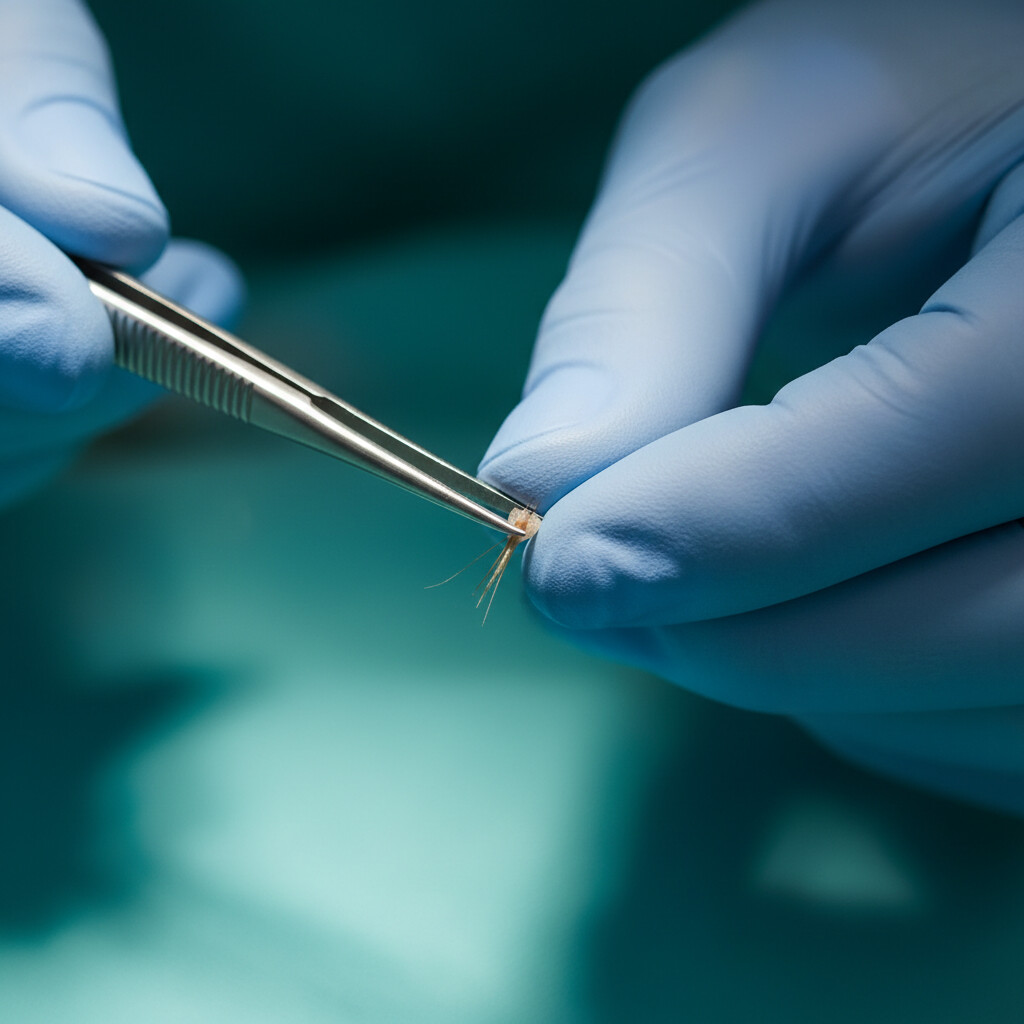
A hair transplant is a surgical procedure that can restore hair to thinning or balding areas. Understanding the basics, such as what a graft is and how many hair follicles it contains, is crucial for setting realistic expectations and making informed decisions.
What Exactly is a Hair Graft?
In the context of hair transplantation, a graft refers to a small piece of tissue containing hair follicles that is surgically moved from a donor area (typically the back or sides of the head where hair is genetically resistant to balding) to a recipient area (where hair loss has occurred).
Historically, hair transplants involved removing larger strips of skin from the donor area and then dissecting them into smaller grafts. This method, known as the FUT (Follicular Unit Transplantation) or strip method, often left a linear scar in the donor site.
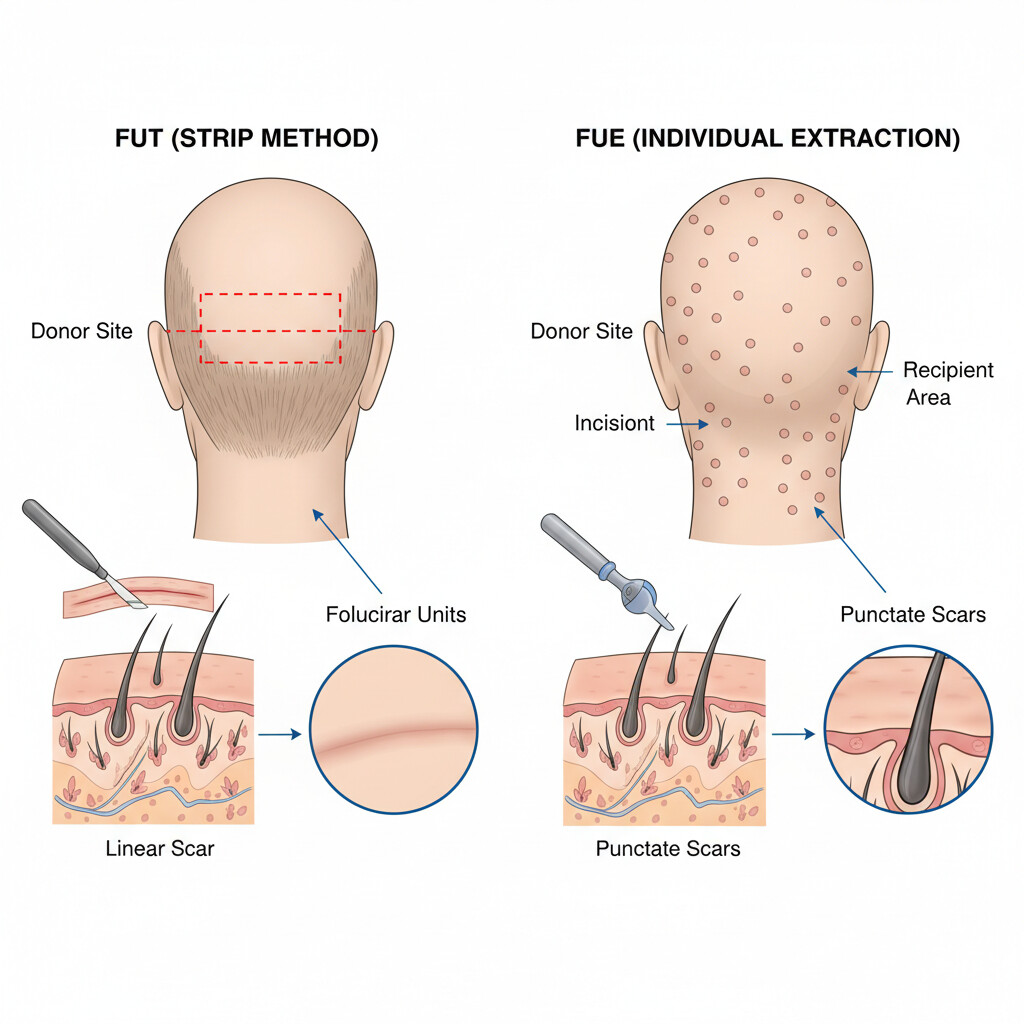
Modern hair transplant techniques, particularly FUE (Follicular Unit Extraction), have revolutionized the procedure. FUE involves extracting individual follicular units directly from the donor area using tiny punches, leaving minimal scarring and allowing for a more natural-looking result. A single follicular unit is what is commonly referred to as a ‘graft’ in FUE procedures.
How Many Hair Follicles are in One Graft?
This is where it can get a bit nuanced. A follicular unit is the natural grouping of hairs on the scalp. These units don’t always contain just one hair. On average, a single follicular unit, and therefore a single graft (especially in FUE), can contain:
- 1 hair follicle: Approximately 20-30% of follicular units contain a single hair.
- 2 hair follicles: Roughly 40-60% of follicular units contain two hairs.
- 3 hair follicles: About 10-20% of follicular units contain three hairs.
- 4 hair follicles: Less commonly, some units may contain up to four hairs.
So, to answer the question directly: One graft typically contains between 1 to 4 hair follicles, with an average of around 2 to 2.5 follicles per graft.
Why Does This Matter? Density and Naturalness
Understanding the follicle count per graft is vital for several reasons:
-
Graft Count vs. Hair Count: When a surgeon or clinic discusses the number of grafts needed for a procedure, they are referring to the number of follicular units transplanted. If you need to cover a significant area with a high density, you will need a higher number of grafts. However, the total number of hairs transplanted will be roughly double or triple the number of grafts, depending on the average follicle count per graft.
-
Achieving Natural Density: The goal of a hair transplant is to create a natural-looking and dense head of hair. A skilled surgeon will strategically select and place grafts to mimic the natural distribution of hair. They consider the size and shape of the recipient area, the patient’s existing hair density, and the follicular unit composition to achieve the best possible aesthetic outcome.
-
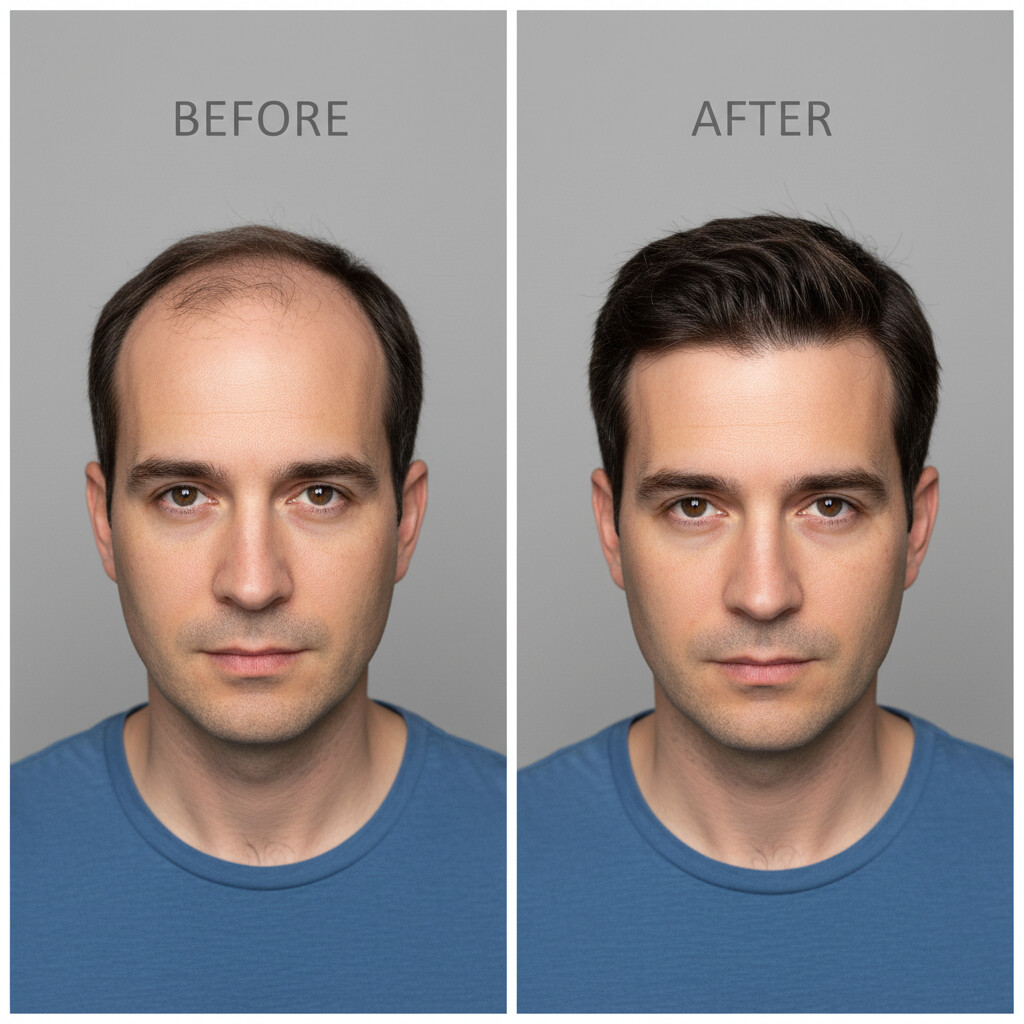
Realistic Expectations: Knowing that each graft contains multiple follicles helps patients understand how many grafts are truly required to achieve their desired level of fullness. A procedure described as 2000 grafts will result in approximately 4000-5000 individual hairs being transplanted, depending on the average follicle count.
Factors Influencing Graft Composition
The number of follicles within a graft can vary based on several factors:
- Donor Area Characteristics: The density and distribution of follicular units can differ from person to person and even within different areas of the donor scalp.
- Surgical Technique: The precision of the extraction and implantation process plays a role. Advanced FUE techniques aim to preserve the integrity of each follicular unit.
- Genetics: Individual genetic makeup influences hair growth patterns and follicular unit structure.
What to Expect During Consultation
During your consultation with a hair transplant specialist, they will assess your hair loss pattern, evaluate your donor hair supply, and discuss your goals. They will explain the estimated number of grafts required and provide a realistic projection of the final hair density. Don’t hesitate to ask questions about graft composition and what to expect in terms of the total number of hairs transplanted.

Key Takeaways:
- A hair graft is a follicular unit containing one or more hair follicles.
- On average, a graft contains 1-4 hair follicles, with a common average being 2-2.5 follicles per graft.
- The number of grafts needed directly impacts the total number of hairs transplanted.
- Understanding graft composition is crucial for setting realistic expectations for density and fullness.
Choosing the right surgeon and understanding the intricacies of the procedure, like the number of hair follicles in a graft, will empower you to make the best decision for your hair restoration journey.