
Considering a hair transplant in Turkey? You’re not alone. Turkey has emerged as a global hub for hair restoration, attracting thousands of patients annually due to its skilled surgeons, advanced techniques, and competitive pricing. However, amidst the excitement, it’s crucial to set realistic expectations regarding the results you can achieve. This comprehensive guide will walk you through what to expect from a hair transplant in Turkey, covering everything from initial consultation to long-term outcomes.
Key Aspects to Consider for Hair Transplant Success in Turkey:
- Understanding the Procedure: Familiarize yourself with the different techniques (FUE, FUT) and what they entail.
- Choosing the Right Clinic and Surgeon: Research is paramount. Look for experienced, board-certified surgeons and accredited clinics.
- Realistic Expectations: Understand the limitations and the natural progression of hair growth post-transplant.
- The Consultation Process: What questions to ask and what information to provide for a personalized plan.
- Post-Operative Care: The critical role of following instructions for optimal healing and results.
- Long-Term Outlook: Understanding the permanence of transplanted hair and potential future needs.
Understanding Hair Transplant Techniques
Before delving into results, it’s essential to understand the primary methods used for hair transplantation: Follicular Unit Transplantation (FUT) and Follicular Unit Extraction (FUE).
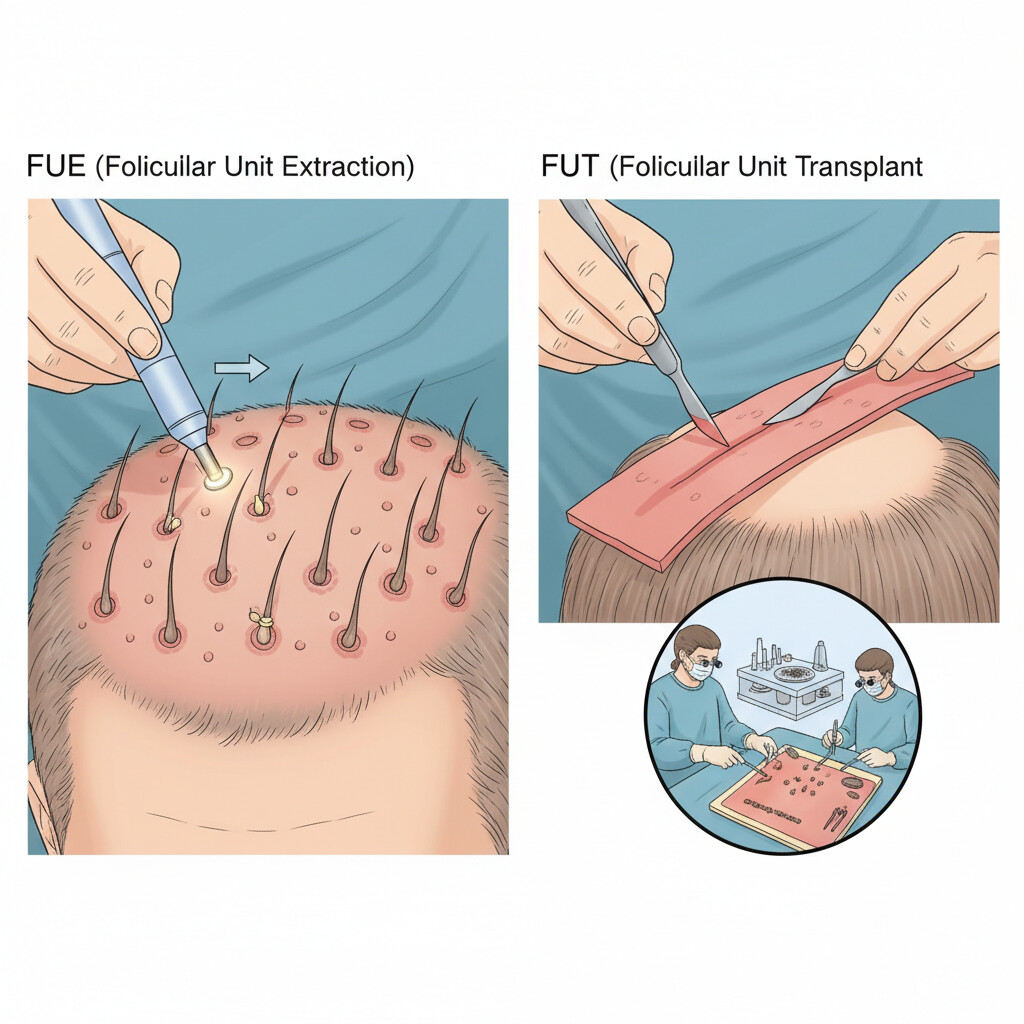
Follicular Unit Transplantation (FUT): This older technique involves removing a strip of skin from the donor area (typically the back of the scalp), from which individual follicular units are dissected under microscopes and then implanted into the thinning or bald areas. FUT often results in a linear scar in the donor area, which can be concealed by surrounding hair. It’s sometimes favored for cases requiring a large number of grafts due to its efficiency.
Follicular Unit Extraction (FUE): FUE is the more modern and increasingly popular method. It involves extracting individual follicular units directly from the donor area using a specialized micro-punch tool. These units are then implanted into the recipient sites. FUE offers several advantages, including minimal scarring (tiny dots that are virtually unnoticeable), faster recovery times, and the ability to wear hair short. It is suitable for most types of hair loss and allows for a more natural-looking hairline.
Choosing the Right Clinic and Surgeon in Turkey
Success hinges significantly on the expertise of your chosen medical team. Turkey boasts numerous clinics, and while many are excellent, distinguishing them requires diligence.
- Accreditation and Certifications: Ensure the clinic is accredited by recognized health organizations and that the surgeon is board-certified in plastic surgery or dermatology with specialized training in hair restoration.
- Surgeon’s Experience and Specialization: How long has the surgeon been performing hair transplants? Do they focus primarily on hair restoration, or is it just one of many procedures they offer?
- Before and After Photos: Review a comprehensive portfolio of previous patients with similar hair loss patterns and skin types. Look for natural density, good hairline design, and well-healed donor areas.
- Patient Testimonials and Reviews: Seek out independent reviews on reputable platforms. While positive reviews are common, look for consistency and detailed feedback.
- Technology and Techniques: Does the clinic utilize modern FUE techniques and advanced equipment? Are they transparent about the methods they employ?
Setting Realistic Expectations for Hair Transplant Results
This is arguably the most critical step in ensuring patient satisfaction. A hair transplant is not magic; it’s a surgical procedure with biological limitations.
- Density: While a significant improvement, don’t expect to achieve the density of a full, youthful head of hair. The goal is to restore a natural appearance, blending transplanted hair with existing hair. The achievable density is limited by the available donor hair and the surgeon’s skill in placement.
- Natural Hairline: A well-designed hairline is paramount for a natural look. Experienced surgeons meticulously craft hairlines to match the patient’s age and facial structure, avoiding an unnatural, overly