
Considering a hair transplant is a significant decision, often marking the beginning of a journey towards restoring a fuller head of hair and boosting self-confidence. To navigate this process smoothly, understanding each stage is crucial. This guide breaks down the hair transplant journey into three key phases: before, during, and after the operation, providing you with the essential information needed to prepare and recover effectively.
Key Stages of a Hair Transplant Journey
- Pre-Operative Preparation: What to do in the weeks and days leading up to your procedure.
- The Surgical Procedure: Understanding the techniques and what to expect on the day.
- Post-Operative Recovery & Growth: Managing the healing process and anticipating results.
Stage 1: Before the Hair Transplant – Preparation is Key
The success of any surgical procedure, including a hair transplant, begins long before the scalpel touches the skin. The pre-operative phase is all about ensuring you are a suitable candidate, understanding the procedure’s scope, and preparing your body for optimal healing.
Consultation and Candidate Selection
This is the very first and perhaps most critical step. During your initial consultation with a qualified hair transplant surgeon, your hair loss pattern, scalp condition, and overall health will be assessed. The surgeon will discuss your expectations and determine if you are a good candidate for a hair transplant. Factors such as the density of your donor area (where healthy hair follicles are harvested) and the extent of your hair loss are paramount. Modern techniques like FUT (Follicular Unit Transplantation) and FUE (Follicular Unit Extraction) will be explained, and the surgeon will recommend the most suitable method for your specific needs.
Medical History and Lifestyle Adjustments
Be prepared to provide a detailed medical history. Inform your doctor about any medications you are taking, especially blood thinners, as these may need to be temporarily discontinued. You’ll also be advised on lifestyle adjustments. For instance, smoking can impair healing, so quitting or significantly reducing intake is often recommended in the weeks leading up to the surgery. Alcohol consumption may also be discouraged. It’s important to follow your surgeon’s specific instructions meticulously.
Pre-operative Instructions
In the days leading up to your procedure, you will likely receive specific instructions. These often include:
- Avoiding certain medications: Aspirin, ibuprofen, and other anti-inflammatory drugs should generally be avoided as they can increase bleeding.
- Stopping supplements: Vitamin E, ginkgo biloba, and other supplements that can affect blood clotting should also be paused.
- Washing your hair: You might be asked to wash your hair with a specific shampoo the night before or the morning of the procedure to minimize the risk of infection.
- Arranging transportation: Since you’ll likely be sedated or on pain medication, having someone drive you home is essential.
Mental Preparation
It’s normal to feel a mix of excitement and anxiety. Understanding the procedure, recovery timeline, and expected results can significantly alleviate stress. Ask questions, voice your concerns, and ensure you feel comfortable and confident with your chosen surgeon and clinic.
Stage 2: During the Hair Transplant – The Procedure Itself
The day of the hair transplant surgery is when the transformation begins. While the specific techniques may vary, the general process involves harvesting healthy hair follicles from a donor area and implanting them into the thinning or bald areas of your scalp.
Anesthesia
The procedure typically begins with local anesthesia being administered to the donor and recipient areas. This ensures that the process is virtually painless. Some clinics may also offer mild sedation to help you relax.
Follicular Unit Transplantation (FUT)
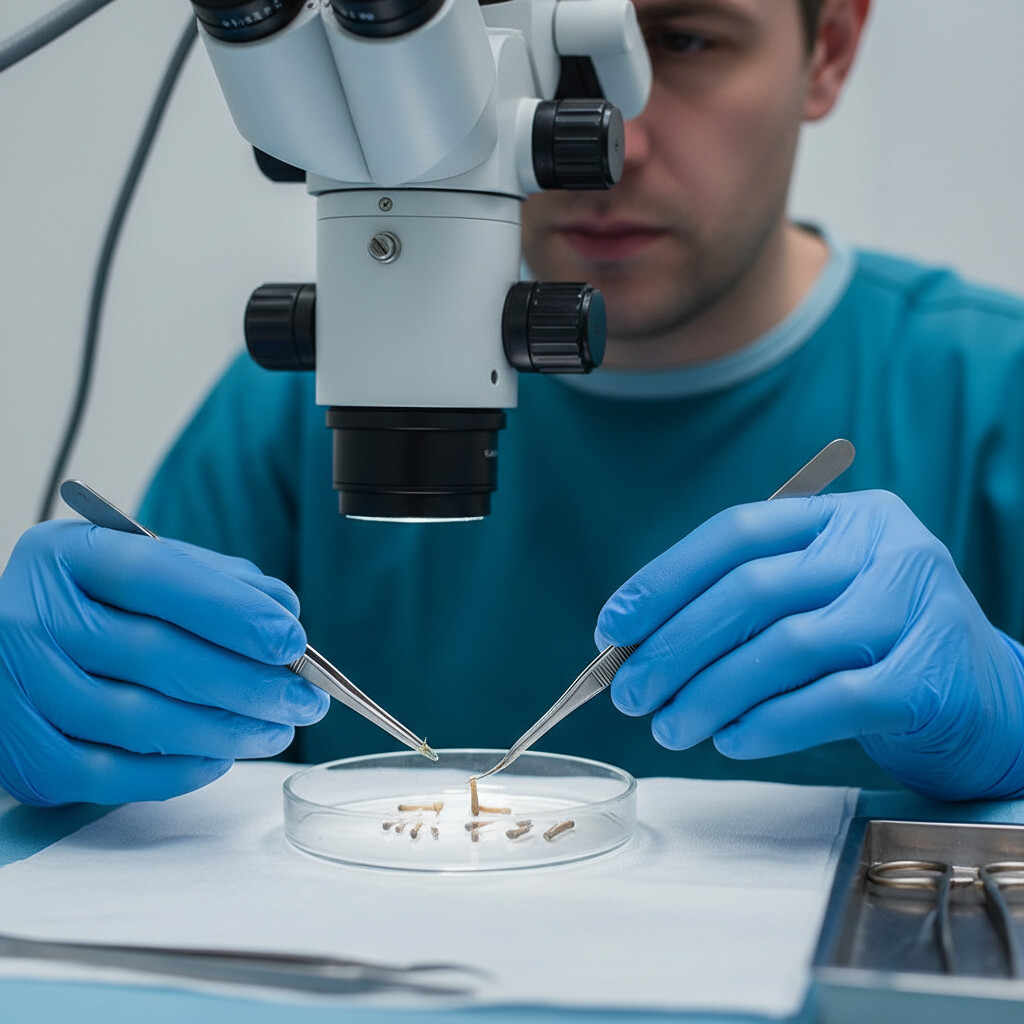
In FUT, a thin strip of skin containing hair follicles is surgically removed from the donor area (usually the back or sides of the scalp). The donor area is then closed with sutures or staples. The harvested strip is meticulously dissected under microscopes by a skilled team to separate individual follicular units. These units are then implanted into tiny incisions made in the recipient area.
Follicular Unit Extraction (FUE)
With FUE, individual hair follicles are extracted one by one directly from the donor area using a small punch tool (typically 0.8mm to 1.2mm in diameter). This method leaves tiny, dot-like scars that are usually imperceptible once the hair grows back. The extracted follicles are then implanted into the recipient area through tiny incisions, similar to FUT.
The Implantation Process
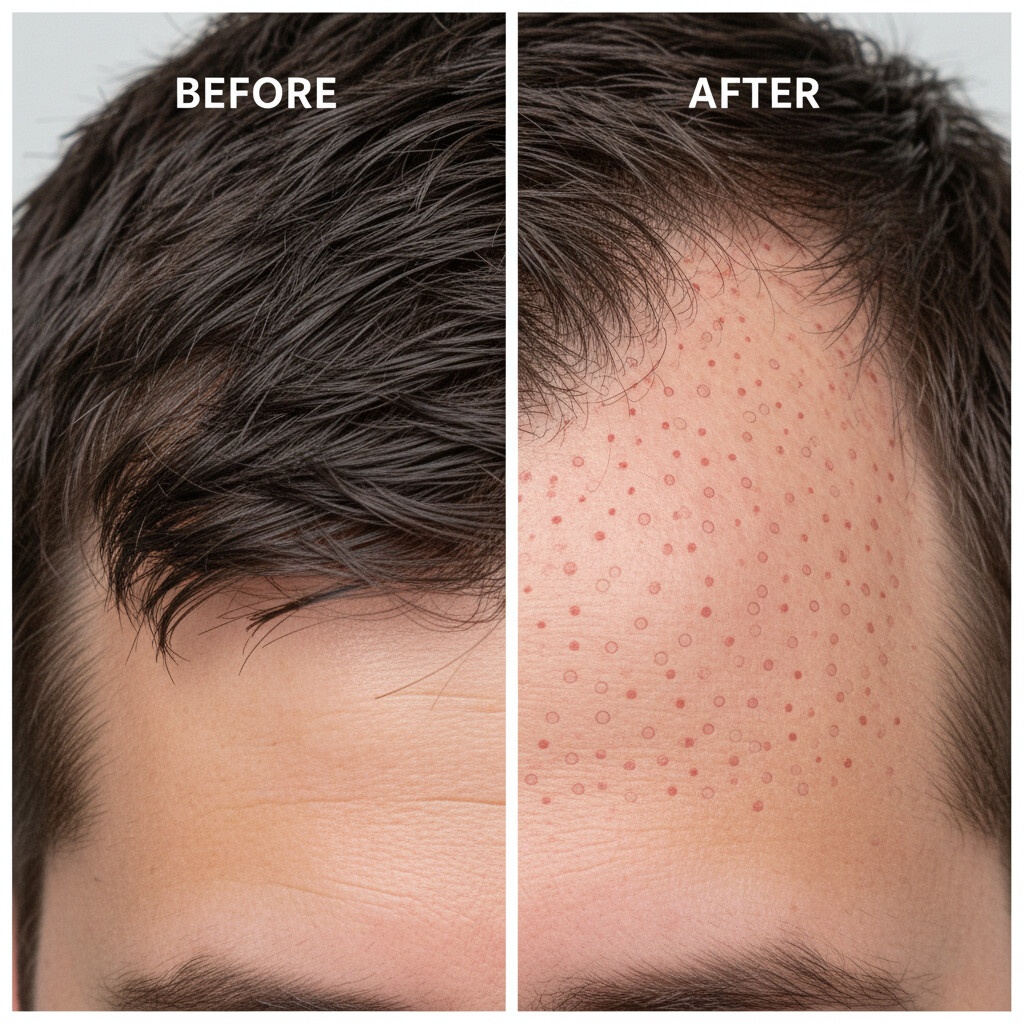
Once the follicular units are prepared, they are carefully implanted into the recipient areas. The surgeon or technicians create precise incisions at specific angles and depths to ensure a natural-looking hairline and optimal hair growth direction. The number of grafts implanted can range from a few hundred to several thousand, depending on the individual’s needs and the extent of the area being treated.
Duration
The surgery can take several hours, typically ranging from 4 to 8 hours, or sometimes longer, depending on the number of grafts and the technique used. Breaks are usually incorporated for meals and comfort.
Stage 3: After the Hair Transplant – Recovery and Growth
The post-operative phase is just as crucial as the preparation and the surgery itself. Proper care and patience are key to achieving the best possible results and ensuring a smooth recovery.
Immediate Post-Operative Care
After the procedure, the transplanted areas will be covered with bandages. You will receive detailed instructions on how to care for your scalp, including:
- Sleeping position: Sleeping with your head elevated is often recommended to minimize swelling.
- Washing instructions: Specific guidelines on when and how to wash your hair will be provided. Initially, gentle washing with a mild shampoo is crucial to avoid dislodging the grafts.
- Activity restrictions: Strenuous physical activity, heavy lifting, and direct sun exposure should be avoided for a specified period.
The First Few Weeks
- Swelling and Discomfort: Some swelling, redness, and mild discomfort are normal in the first few days. Pain medication prescribed by your doctor can manage this.
- Scabbing: Small scabs will form around the transplanted grafts. These should not be picked or scratched, as this can damage the grafts and lead to scarring. They will naturally fall off within a week or two.
- Shedding: It’s very common to experience shedding of the transplanted hairs within the first 2-6 weeks. This is a normal part of the process, and new hair growth will emerge from the follicles.
The Growth Phase
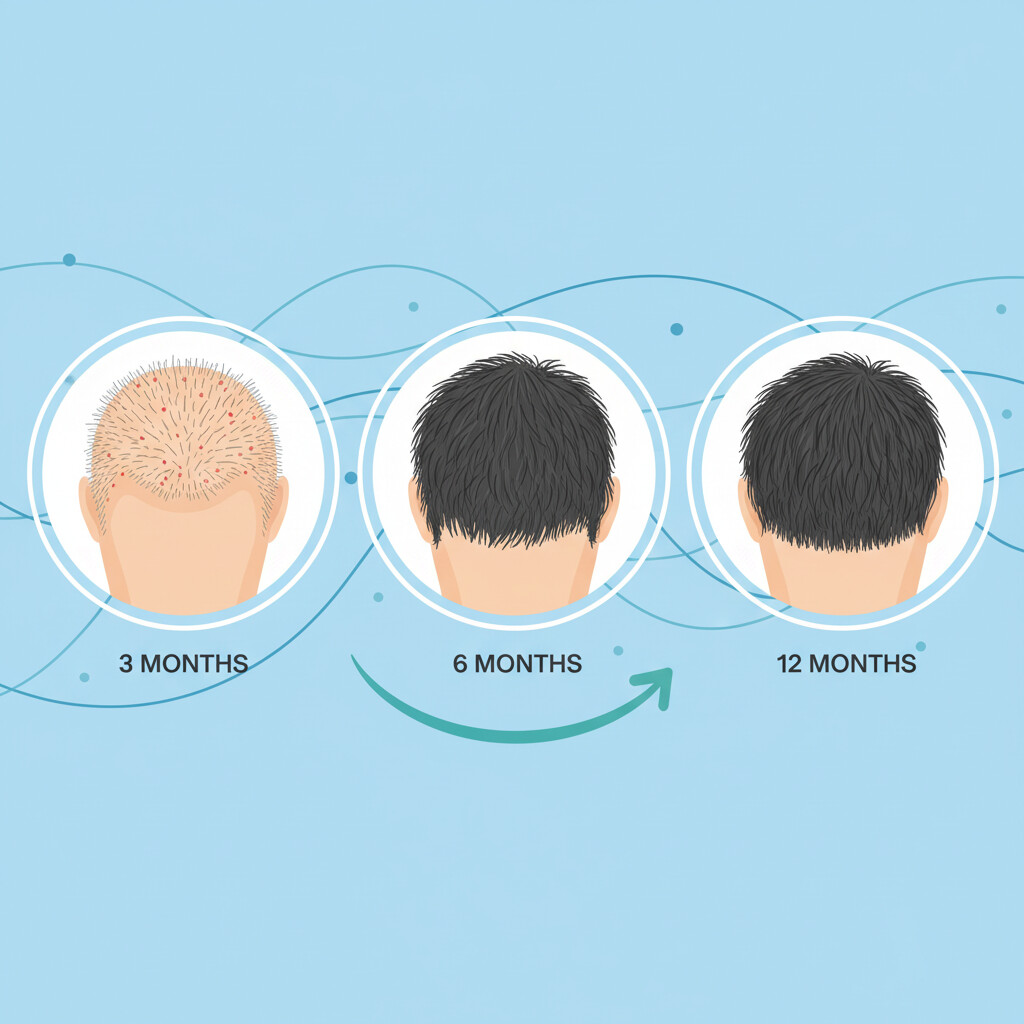
- Initial Growth: You can expect to see initial new hair growth typically starting around 3-4 months after the procedure. These hairs will be fine and thin at first.
- Maturation: Over the next 6-12 months, the transplanted hairs will gradually thicken and lengthen, becoming more visible and natural-looking.
- Final Results: The final, significant results of the hair transplant are usually apparent by 12-18 months post-surgery. Patience is vital during this period, as the growth process is gradual.
Long-Term Care
To maintain your results, it’s important to continue with any prescribed or recommended medications (like Finasteride or Minoxidil) for non-transplanted hair, maintain a healthy lifestyle, and protect your scalp from excessive sun exposure. Regular follow-ups with your surgeon will help monitor your progress and address any concerns.
Conclusion
Understanding the distinct stages of a hair transplant – from the meticulous preparation and the surgical procedure itself to the crucial recovery and eventual growth – empowers you to make informed decisions and manage expectations. By following your surgeon’s guidance and embracing the timeline, you can look forward to achieving natural-looking, lasting results and regaining the confidence that comes with a fuller head of hair.
Related guides
- The Hair Transplant Journey in Turkey: What to Expect
- What is Hair Transplantation? A Permanent and Definitive Solution for Baldness
- How Long Does a Hair Transplant Operation Take?
- Pre-Operation Checklist: Essential Tips Before Your Hair Transplant
About this guide: ForumHairTransplant.com is an independent patient community. We are not affiliated with any clinic or surgeon, and we don’t accept payment for rankings, reviews or recommendations. This article is general information, not medical advice. Talk to a qualified doctor about your own situation.