
Hair loss is a concern that affects millions of people worldwide, and while it’s often associated with men, women also experience significant hair thinning and loss. Fortunately, modern advancements in cosmetic surgery offer effective solutions, with hair transplantation being a prominent option. For women, understanding the unique patterns of hair loss and the specific techniques available is crucial for achieving satisfactory results. This guide aims to provide comprehensive information for women considering a hair transplant.
Key Considerations for Women Seeking Hair Transplants:
- Understanding Female Hair Loss Patterns: Unlike male pattern baldness, women’s hair loss is typically more diffuse, affecting the entire scalp rather than specific areas like the crown or hairline.
- Determining Candidacy: Not all women experiencing hair loss are suitable candidates for transplantation.
- Exploring Different Transplant Techniques: The most common methods are Follicular Unit Transplantation (FUT) and Follicular Unit Extraction (FUE), each with its pros and cons for female patients.
- The Surgical Procedure: What to expect before, during, and after the transplant.
- Recovery and Results: Understanding the healing process and when to expect visible hair growth.
- Managing Expectations: Realistic outcomes and long-term hair loss management.
Understanding Female Hair Loss Patterns
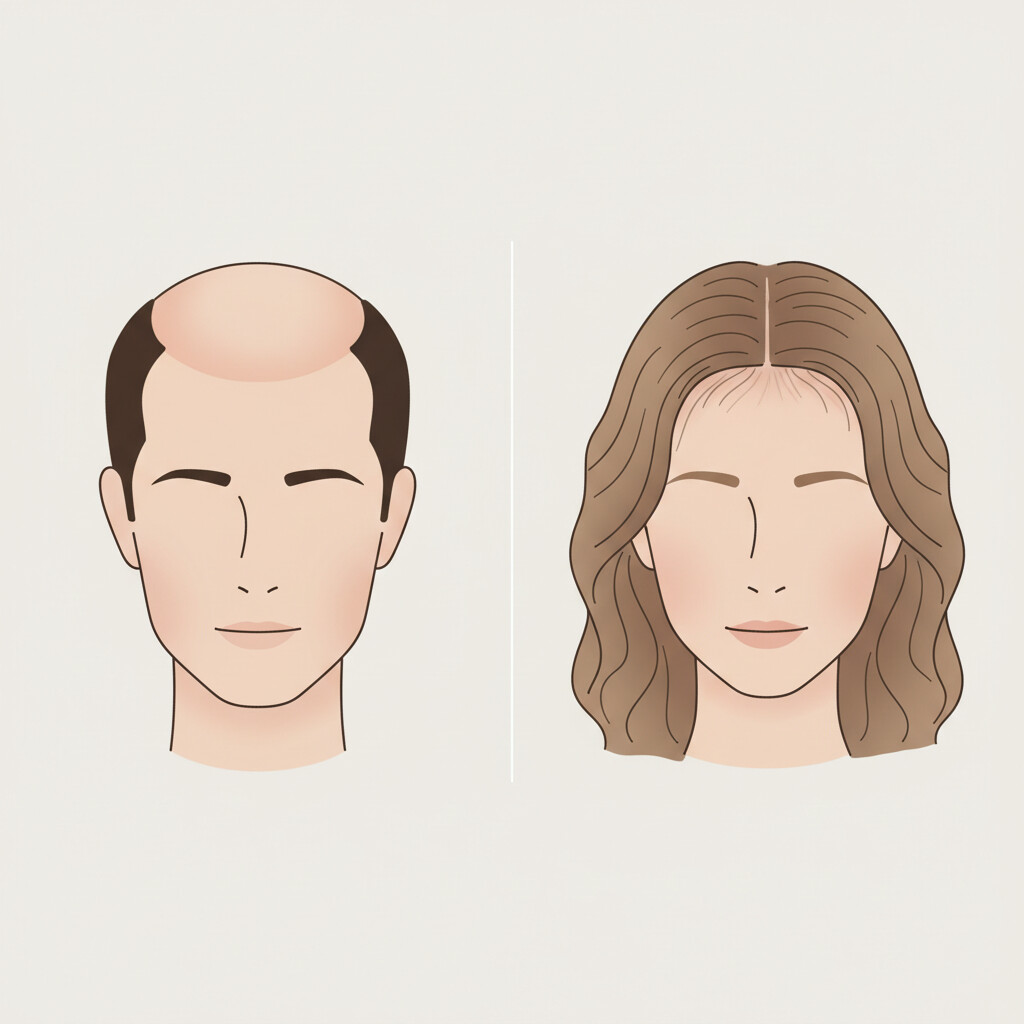
Female pattern hair loss (FPHL), also known as androgenetic alopecia, is the most common cause of hair loss in women. It differs significantly from male pattern baldness. While men typically experience a receding hairline and thinning at the crown, women usually notice a generalized thinning over the top and crown of the scalp. The frontal hairline often remains intact, but the part widens, and the hair becomes visibly finer and less dense.
Other causes of hair loss in women can include telogen effluvium (stress-induced shedding), alopecia areata (an autoimmune condition), traction alopecia (from tight hairstyles), and hormonal changes (like those during pregnancy or menopause). It’s essential to consult with a dermatologist or trichologist to accurately diagnose the cause of hair loss before considering a transplant. A correct diagnosis ensures that transplantation is the appropriate treatment and that underlying conditions are managed.
Determining Candidacy for Hair Transplantation
While hair transplantation can be life-changing for many women, not everyone is a suitable candidate. Generally, good candidates possess:
- Sufficient Donor Hair: The most critical factor is having a healthy, dense area of hair at the back or sides of the head (the donor area) from which to harvest grafts.
- Realistic Expectations: Understanding that a hair transplant can restore density and fill in thinning areas, but it may not achieve the same thickness as pre-loss hair.
- Good Overall Health: The patient should be in good general health to undergo a surgical procedure.
- Stable Hair Loss Pattern: For FPHL, the hair loss should ideally be stable, or if ongoing, the patient should be prepared to potentially address future thinning with medical treatments.
Women with diffuse thinning all over the scalp, without a distinct donor area, may be less ideal candidates for traditional follicular unit transplantation. However, advancements in techniques are making more women eligible.
Exploring Different Transplant Techniques
Two primary techniques are used for hair transplantation: Follicular Unit Transplantation (FUT) and Follicular Unit Extraction (FUE). Both involve harvesting hair follicles from a donor area and transplanting them to the thinning or balding areas.
1. Follicular Unit Transplantation (FUT)
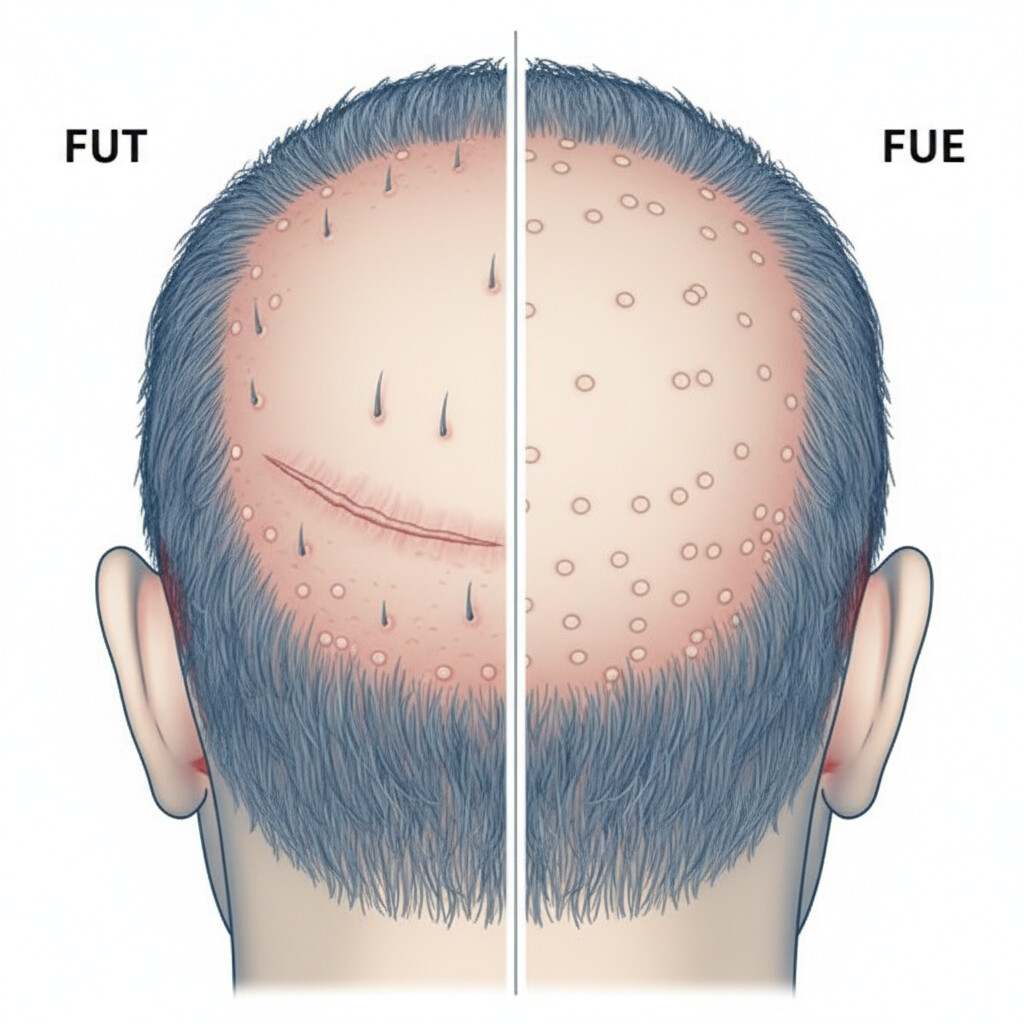
In FUT, a thin strip of scalp tissue containing hair follicles is surgically removed from the donor area (usually the back of the head). This strip is then meticulously dissected under microscopes by a skilled team to separate individual follicular units (groups of 1-4 hairs). These units are then implanted into tiny incisions made in the recipient area.
- Pros for Women: FUT can yield a high number of grafts in a single session, potentially offering significant density restoration. The procedure can be quicker than FUE for large sessions.
- Cons for Women: FUT results in a linear scar at the donor site. While typically well-hidden by surrounding hair, it can be a concern for women who prefer very short hairstyles or have very fine donor hair. Recovery can also be slightly longer than FUE.
2. Follicular Unit Extraction (FUE)
FUE involves harvesting individual follicular units directly from the donor area using a specialized micro-punch tool. Tiny circular incisions are made around each follicle, and then the follicles are extracted one by one. These extracted follicles are then transplanted into the recipient area, similar to FUT.
- Pros for Women: FUE results in minimal scarring, appearing as tiny dots scattered throughout the donor area, which are easily concealed by hair, even when short. This makes it an attractive option for women concerned about visible scarring.
- Cons for Women: The process can be more time-consuming than FUT, especially for large sessions. Shaving the entire donor area is often required for FUE, which can be a significant consideration for women. However, techniques like ‘unshaven FUE’ (US-FUE) are available where hair is not shaved, making it more discreet.
Choosing the Right Technique: The best technique for a woman depends on her specific hair loss pattern, donor hair density, desired outcome, and tolerance for scarring. A thorough consultation with an experienced surgeon is vital to determine the most suitable approach.
The Surgical Procedure
Regardless of the technique chosen, the hair transplant procedure is performed under local anesthesia, often with mild sedation to ensure patient comfort. The process typically involves:
- Consultation and Planning: The surgeon assesses the scalp, discusses expectations, and plans the hairline and distribution of transplanted grafts.
- Donor Area Preparation: The donor area is prepared, either by removing a strip (FUT) or by shaving small sections (FUE).
- Graft Harvesting: Follicular units are harvested from the donor area.
- Graft Preparation: Harvested grafts are carefully prepared and sorted under magnification.
- Recipient Site Creation: Tiny incisions are made in the thinning areas of the scalp where the grafts will be placed. The angle, direction, and density of these incisions are critical for a natural-looking result.
- Graft Implantation: The prepared follicular units are delicately placed into the created incisions.
- Completion: The transplanted area is dressed, and the patient receives post-operative instructions.
Recovery and Results
The recovery period after a hair transplant is generally manageable for most patients. Immediately after surgery, the scalp may be sore, swollen, and red. Small crusts will form around the transplanted hairs, which typically shed within one to two weeks.
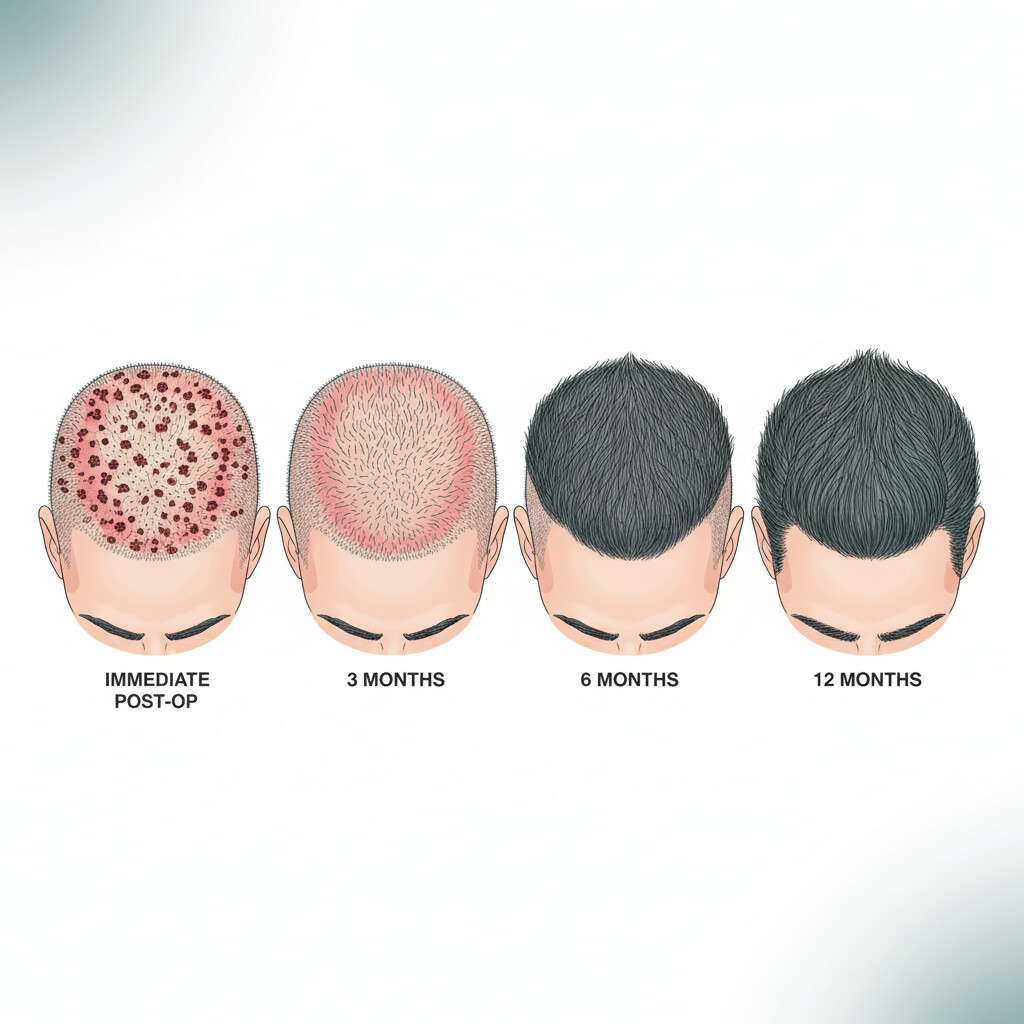
- Initial Shedding: It’s normal for the transplanted hairs to shed within the first 2-6 weeks after the procedure. This is called ‘shock loss’ and is a temporary phase. The hair follicles remain intact and will begin to grow new hairs.
- Visible Growth: New hair growth usually becomes noticeable around 3-4 months post-surgery. The results gradually become denser and more apparent over the following months.
- Full Results: It typically takes 12-18 months to see the final, mature results of a hair transplant.
Post-operative care is crucial for optimal healing and results. This includes following the surgeon’s instructions regarding washing, avoiding strenuous activity, and using any prescribed medications or topical treatments.
Managing Expectations and Long-Term Strategies
It’s important for women considering hair transplantation to have realistic expectations. A hair transplant can significantly improve appearance by restoring density, but it’s not a ‘cure’ for hair loss. For women with ongoing FPHL, medical treatments like topical minoxidil or oral medications may be recommended by their doctor to maintain existing hair and slow down further thinning.
Discussing the potential need for future procedures or complementary treatments with your surgeon is essential. A well-planned hair transplant, combined with appropriate medical management, can provide a long-term solution for female hair loss, restoring confidence and improving overall well-being.
In conclusion, hair transplantation offers a viable and effective solution for many women experiencing hair loss. By understanding the different causes, patterns, and surgical techniques, and by consulting with an experienced specialist, women can make informed decisions to achieve natural-looking and satisfying results.