Embarking on the journey of hair restoration is an exciting step towards regaining confidence and a fuller head of hair. However, the success of your hair transplant doesn’t solely depend on the procedure itself, but also significantly on the meticulous care you provide in the crucial post-operative period. Among the most vital aspects of this care is the very first hair wash. This initial cleansing ritual is delicate, precise, and essential for promoting optimal healing and ensuring the longevity of your newly transplanted grafts.
This guide will walk you through the essential steps and considerations for performing your first hair wash after a hair transplant. Understanding this protocol is paramount for anyone considering or having recently undergone this life-changing procedure.
Key Takeaways for Your First Hair Wash:
- Timing is Crucial: Adhering to your surgeon’s recommended timeline for the first wash.
- Gentle is Paramount: Using specialized, mild products and a feather-light touch.
- Technique Matters: Understanding the correct method to cleanse without dislodging grafts.
- Hydration and Soothing: Utilizing post-wash solutions to aid healing.
- Observation: Knowing what to look for and when to contact your clinic.
Why is the First Hair Wash So Important?
The scalp after a hair transplant is a sensitive area. The newly implanted follicular units are extremely fragile and require a protected environment to anchor themselves and begin the healing process. The primary goals of the first wash are:
- Cleanliness: To remove any dried blood, scabs, or residual surgical solution from the scalp, reducing the risk of infection.
- Stimulation (Gentle): To very gently stimulate blood flow to the area, which is beneficial for graft survival.
- Graft Protection: To ensure the washing process does not compromise the stability and placement of the newly transplanted grafts.
When Can You Wash Your Hair?
This is perhaps the most frequently asked question. The general consensus among most reputable hair transplant clinics is to wait 24 to 48 hours after the procedure before the first gentle wash. However, it is absolutely critical to follow the specific instructions provided by your surgeon. Some clinics may have slightly different protocols based on the technique used (e.g., FUE vs. FUT) or the individual patient’s healing progress.
Your surgeon will provide you with a detailed post-operative care sheet, which will include the exact timeframe for your first wash, the type of shampoo to use, and the technique to employ. Deviating from these instructions without professional guidance can put your results at risk.
What You’ll Need for Your First Wash:
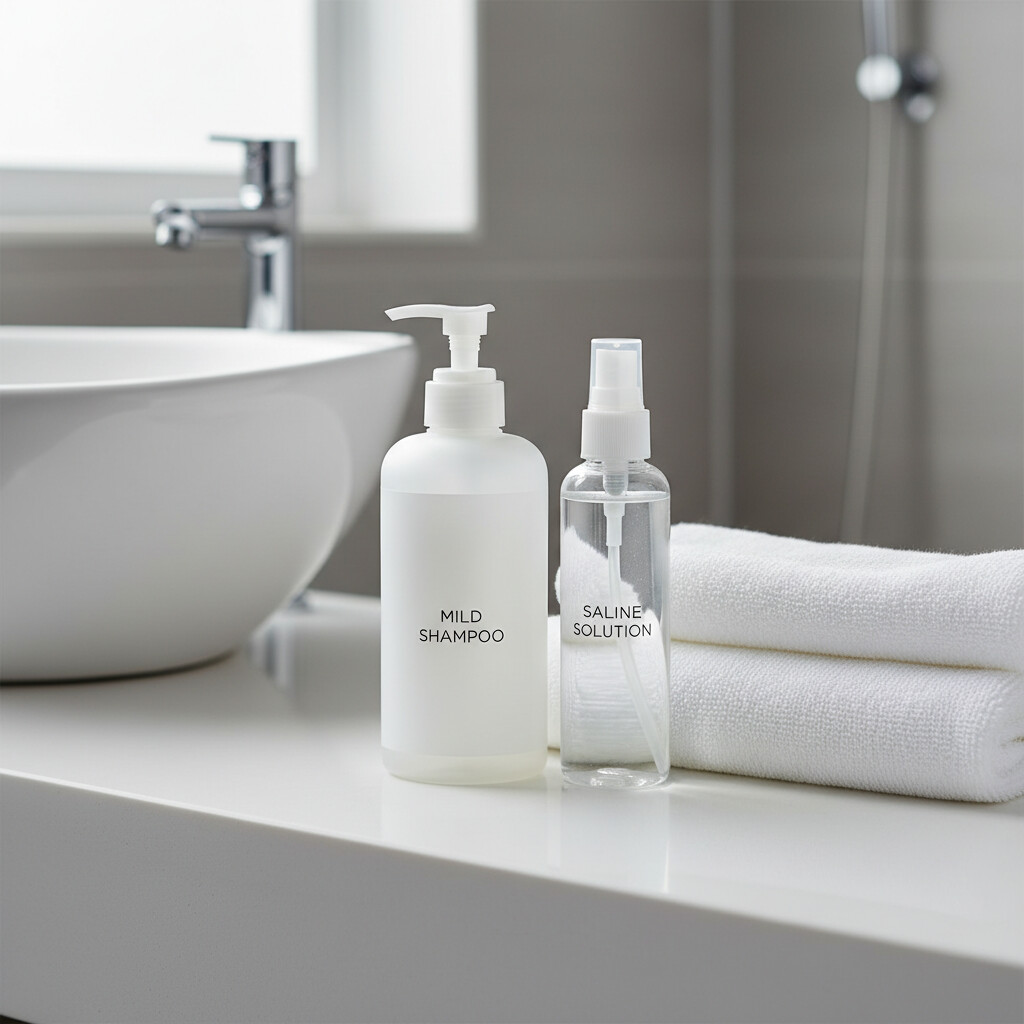
Before you attempt your first wash, ensure you have the necessary supplies on hand. Your clinic will likely provide you with a post-operative kit. If not, here’s what you should be prepared for:
- Mild, pH-Neutral Shampoo: Your clinic will recommend a specific shampoo, often a gentle, baby-mild, or specially formulated post-transplant shampoo. Avoid any products with harsh chemicals, sulfates, alcohols, or strong fragrances.
- Lukewarm Water: Never use hot water, as it can irritate the scalp and potentially damage the grafts. Cool or lukewarm water is ideal.
- Soft Towel or Gauze: For gently patting the scalp dry. Avoid rubbing.
- Spray Bottle or Cup: For controlled rinsing.
The Step-by-Step Guide to Your First Hair Wash:
Performing the first wash requires patience and extreme gentleness. Here’s a typical protocol, but always defer to your surgeon’s specific instructions:
- Preparation: Ensure you have all your supplies ready. Mentally prepare yourself for a very delicate process.
- Lubrication (Optional but Recommended): Some clinics recommend applying a saline solution or a specific post-operative lotion to the scalp a few hours before the wash. This helps to loosen any dried blood or scabs. Your clinic will advise if this is part of their protocol.
- The Cleansing: This is the most critical part. Instead of directly applying shampoo to your scalp, follow these steps:
- Dilute the Shampoo: Mix a small amount of the recommended shampoo with lukewarm water in a cup or your hands. This further dilutes the cleansing agents.
- Apply Gently: Carefully pour or apply the diluted shampoo mixture onto your scalp. Do NOT rub, lather vigorously, or massage the scalp. The goal is simply to let the suds gently contact the grafted areas.
- Let it Sit: Allow the diluted shampoo to sit on your scalp for a few minutes (as per your clinic’s advice) to help lift away debris.
- Rinse Thoroughly but Gently: Using lukewarm water from a cup, spray bottle, or a very gentle stream from the showerhead (held at a distance), rinse the shampoo away. Again, avoid direct, forceful water pressure on the grafts. Ensure all shampoo residue is removed.
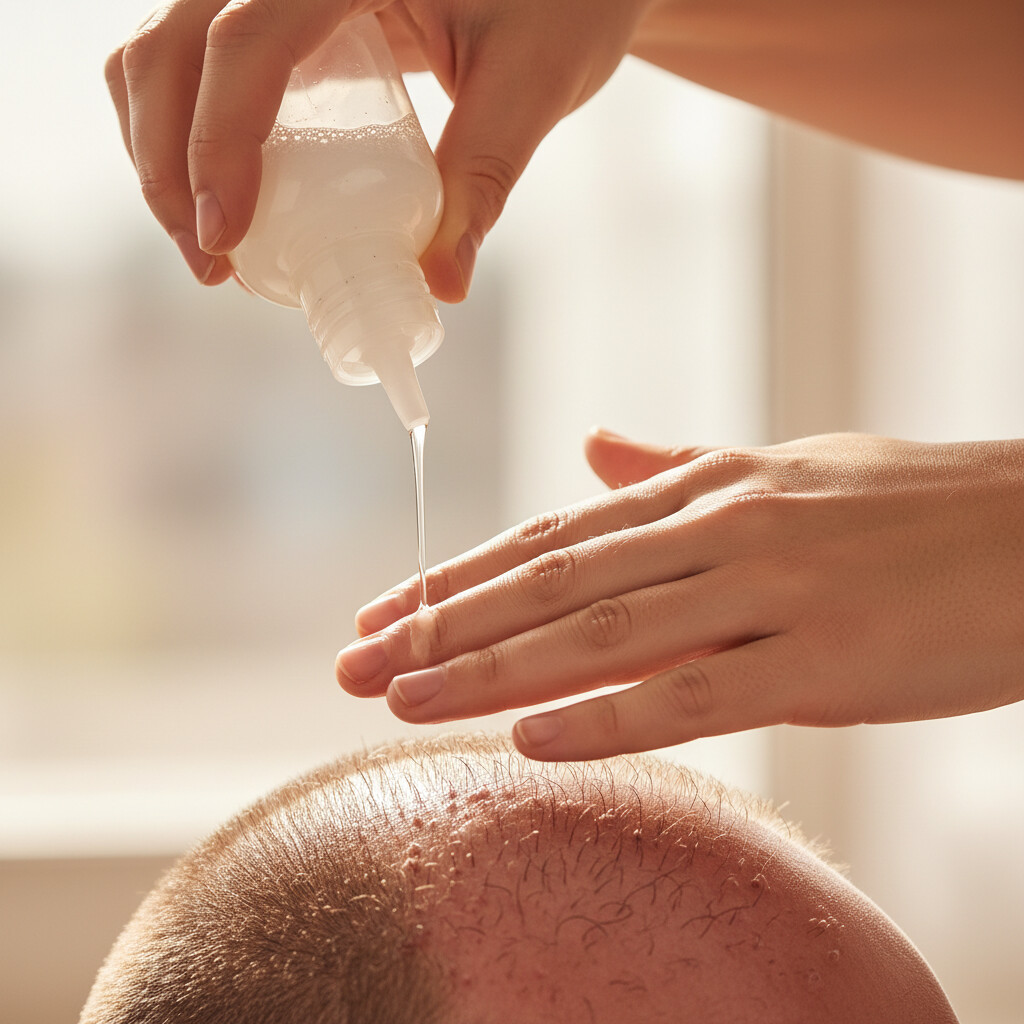
- Post-Wash Treatment (If Recommended): Some clinics suggest applying a soothing lotion or saline spray after washing. This helps to keep the scalp hydrated and can aid in the healing process. Follow your clinic’s recommendations precisely.
- Drying: This is as crucial as the washing itself. Never rub your scalp with a towel. Instead, gently pat the entire scalp dry with a soft towel or sterile gauze. You can also allow your scalp to air dry completely.
What to Expect and What to Avoid:
- Expect Some Redness and Mild Swelling: This is normal. The scalp will be sensitive.
- Expect Some Graft Shedding: It’s common to see some hairs come out in the washing process or on your towel. This is usually the hair shaft, not the entire follicle, and is a normal part of the healing cycle. The root remains intact.
- Avoid:
- Harsh Shampoos and Conditioners: Stick to what your doctor recommends.
- Direct Shower Stream: Avoid high water pressure directly on the scalp.
- Scrubbing or Massaging: Treat your scalp like a delicate surface.
- Picking at Scabs: Let them fall off naturally.
- Hot Water: Always use lukewarm or cool water.
- Hair Dryers: Avoid using heat on your scalp for at least the first week or two, and if you must use one, ensure it’s on a cool setting and held at a distance.
Signs to Watch Out For:
While the first wash is designed to be safe, it’s important to be vigilant. Contact your clinic immediately if you notice:
- Excessive or increasing redness.
- Significant swelling that doesn’t subside.
- Signs of infection, such as pus, foul odor, or increased pain.
- Bleeding that doesn’t stop with gentle pressure.
The Ongoing Washing Routine:
Your first wash is just the beginning. You will continue with a modified washing routine for several weeks. Typically, you will wash your hair daily for the first 7-14 days, gradually transitioning back to your normal routine as advised by your surgeon. Each wash will become slightly less delicate as the grafts heal and become more secure. Your clinic will guide you through each stage of this transition.
Conclusion:
The first hair wash after a transplant is a pivotal moment in your recovery. It requires careful adherence to your surgeon’s instructions, a gentle approach, and the right products. By mastering this protocol, you are actively contributing to the successful growth and enduring results of your hair transplant. Remember, patience and meticulous care are your greatest allies in achieving the lush, natural-looking hair you desire. Always prioritize communication with your hair transplant team for personalized guidance throughout your healing journey.