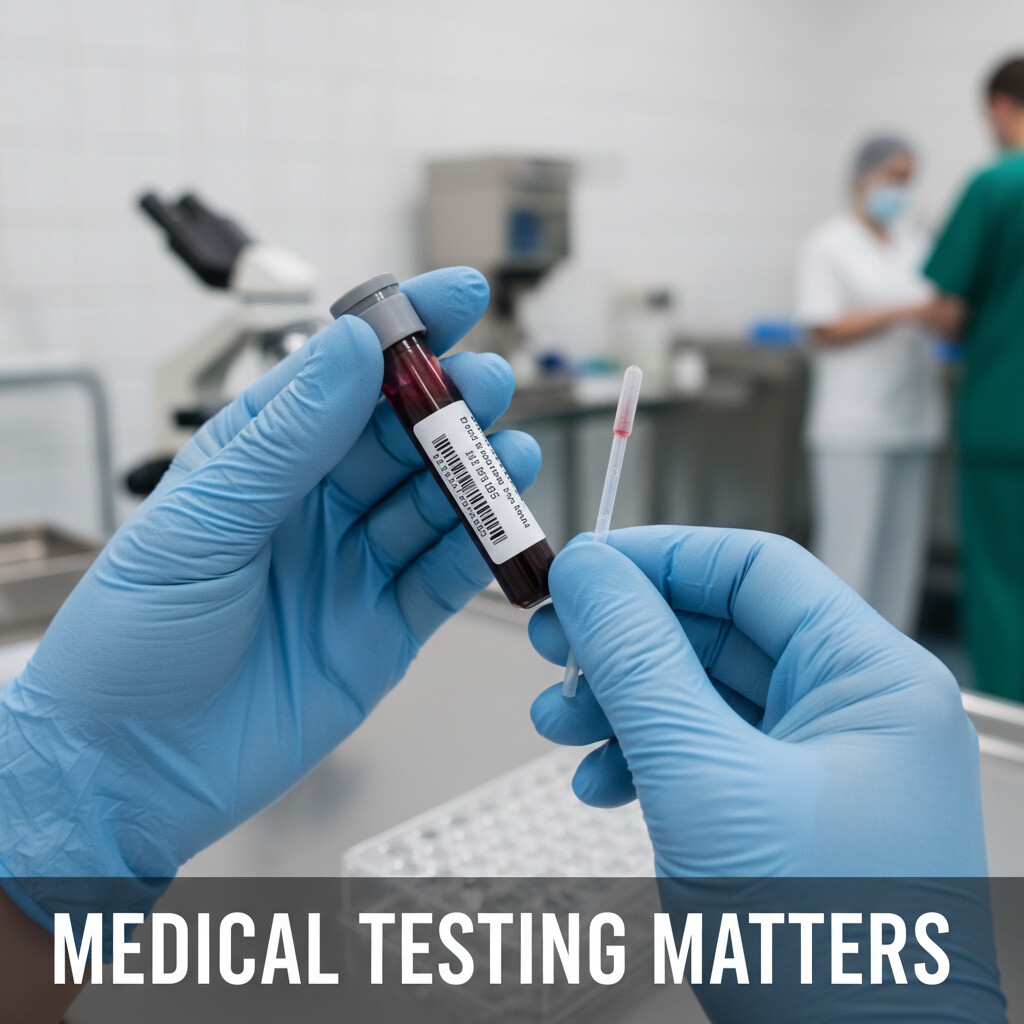
Considering a hair transplant is a significant step towards regaining your confidence and a fuller head of hair. While the procedure itself is designed to be safe and effective, there are essential preparatory steps that ensure both your well-being and the success of the surgery. Among the most critical of these are pre-operative laboratory tests, particularly those screening for Hepatitis B, Hepatitis C, and HIV.
Why are these tests so important before a hair transplant? It boils down to patient safety, the protection of healthcare professionals, and the integrity of the surgical environment.
Understanding the Risks and Importance
Hepatitis B (HBV), Hepatitis C (HCV), and Human Immunodeficiency Virus (HIV) are infectious diseases primarily transmitted through blood and bodily fluids. While hair transplant surgery involves minor incisions, the potential for blood exposure exists.

- Patient Safety: For the patient, undergoing these tests ensures that if they have an undetected infection, it can be identified before any surgical procedure. This allows for proper management of the condition and prevents potential complications during or after the transplant. It also helps the clinic take necessary precautions to avoid cross-contamination.
- Protecting Healthcare Professionals: Surgeons and their staff are exposed to potential blood splashes or accidental needle sticks during surgery. Knowing a patient’s infectious status allows the medical team to implement appropriate safety protocols, such as using specific personal protective equipment (PPE) and handling instruments with extra care. This minimizes the risk of transmission to the surgical team.
- Preventing Cross-Contamination: The sterile environment of a surgical suite is paramount. Pre-operative testing helps prevent the inadvertent transmission of these viruses from one patient to another through contaminated instruments or surfaces. This is a fundamental aspect of infection control in any medical setting.
What Do These Tests Involve?
The tests for Hepatitis B, Hepatitis C, and HIV are typically straightforward blood tests. A small sample of blood is drawn, usually from a vein in your arm, and sent to a laboratory for analysis. The results are generally available within a few days.
- Hepatitis B (HBV) Test: This test looks for the presence of the Hepatitis B virus or antibodies produced by your body in response to the infection. It helps determine if you have an active infection, have recovered from a past infection, or are immune (perhaps due to vaccination).
- Hepatitis C (HCV) Test: Similar to the HBV test, this blood test screens for antibodies to the Hepatitis C virus or the virus’s genetic material. Detecting HCV is crucial as it can lead to serious liver damage over time if left untreated.
- HIV Test: This test detects the presence of HIV antibodies, antigens, or RNA in your blood. Early detection of HIV is vital for effective management and treatment, significantly improving the prognosis and quality of life for infected individuals.
The Hair Transplant Process and Testing
When you consult with a hair transplant clinic, they will typically provide you with a list of required pre-operative tests. This often includes the Hepatitis and HIV screenings. It’s important to have these tests done at a reputable laboratory and to submit the results to your clinic in a timely manner.
The process usually involves:
- Consultation: Discuss your medical history with the surgeon. Be open about any past or present health conditions.
- Pre-operative Evaluation: The clinic will provide you with a referral for blood tests.
- Lab Visit: Visit a designated laboratory to have your blood drawn.
- Result Submission: Provide the official lab report to your hair transplant clinic.
- Procedure Scheduling: Once the results are reviewed and deemed satisfactory, your surgery date will be confirmed.
What If a Test Comes Back Positive?
Discovering a positive result for Hepatitis B, Hepatitis C, or HIV can be daunting. However, it’s essential to remember that these are manageable conditions, especially with early detection.
- For Hepatitis B and C: Treatment options have advanced significantly, and many individuals can manage the virus effectively, preventing severe liver damage. Your doctor will discuss the best course of action for your specific situation.
- For HIV: With modern antiretroviral therapy (ART), HIV is now considered a chronic manageable condition. People living with HIV who adhere to treatment can live long, healthy lives and have undetectable viral loads, meaning they cannot transmit the virus sexually.

If a positive result is found, the hair transplant procedure may be postponed or may require specific protocols to be followed. The clinic will work with you and your physician to determine the safest path forward. This might involve ensuring your condition is well-managed and that the risk of transmission during the procedure is minimized. In some cases, clinics might have specific policies regarding operating on patients with certain infectious diseases due to the risks involved.
Beyond Hepatitis and HIV: Other Pre-Operative Tests
While Hepatitis and HIV tests are crucial, clinics may also require other pre-operative tests depending on your age, overall health, and medical history. These can include:
- Complete Blood Count (CBC): Assesses overall health and checks for issues like anemia.
- Blood Clotting Tests (e.g., PT/INR, PTT): Ensures your blood clots properly, which is vital for minimizing bleeding during surgery.
- Blood Type and Rh Factor: Important in case of unforeseen bleeding requiring a transfusion.
- Basic Metabolic Panel (BMP): Evaluates kidney and liver function, electrolyte balance, and blood sugar levels.
Conclusion
Pre-operative laboratory tests, including those for Hepatitis B, Hepatitis C, and HIV, are non-negotiable components of a safe and successful hair transplant. They are a standard practice in reputable clinics worldwide, reflecting a commitment to patient safety, healthcare worker protection, and maintaining the highest standards of infection control. Understanding the purpose and importance of these tests empowers you to approach your hair transplant journey with confidence, knowing that every measure is being taken to ensure your well-being. If you have any questions or concerns about these tests, don’t hesitate to discuss them openly with your hair transplant surgeon and medical team. They are there to guide you through every step of the process.