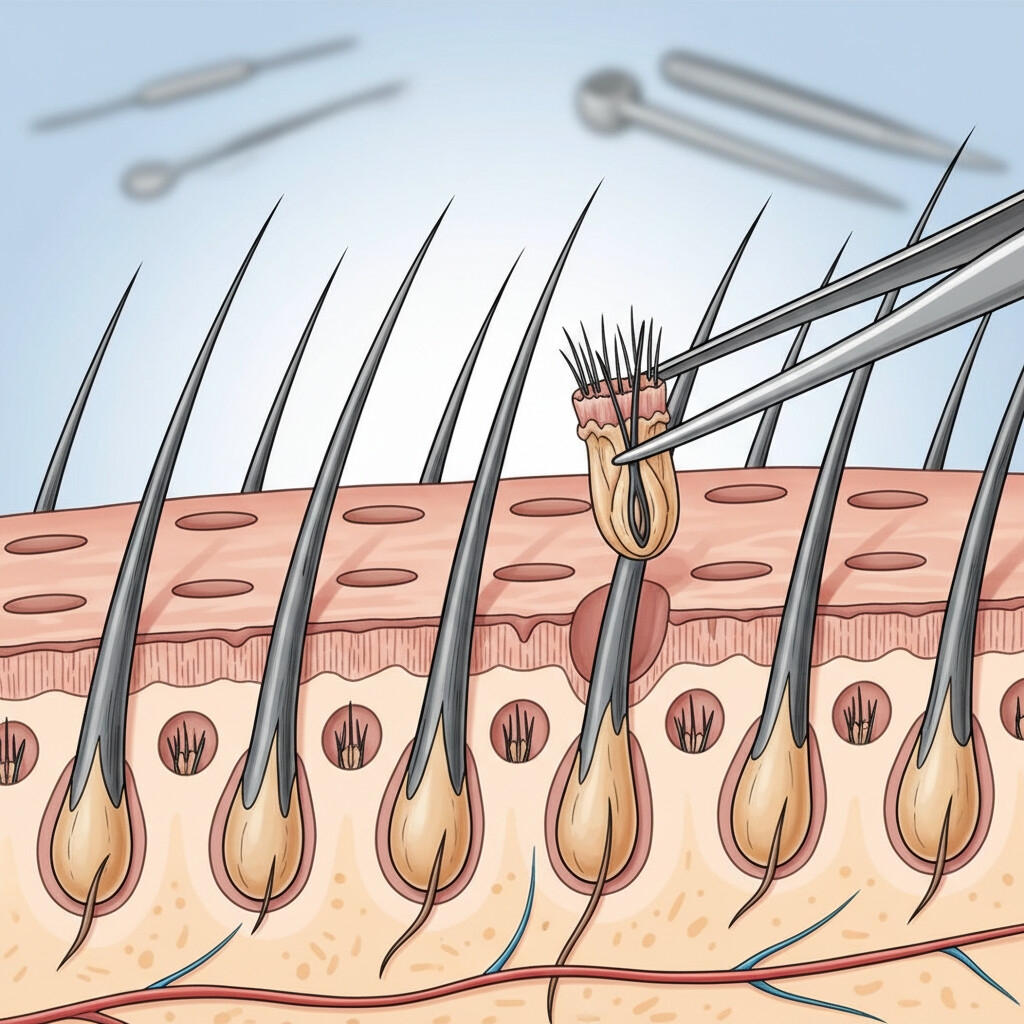
Considering a hair transplant can be a significant decision, and one of the most common questions patients have is about the capacity of a single session. Specifically, many want to know, “How many grafts can be transplanted in one session?” The answer, often up to 6000 grafts, is not a simple yes or no, as it depends on several crucial factors. This comprehensive guide will delve into the determinants of graft capacity per session, the techniques involved, and what you can realistically expect.
Understanding Hair Graft Basics
Before discussing session capacity, it’s essential to understand what a hair graft is. A hair graft is a small piece of tissue containing hair follicles that is surgically moved from one area of the body (the donor area) to a bald or thinning area (the recipient area). A single graft can contain anywhere from one to four individual hair follicles. Therefore, when discussing the number of grafts, we are referring to these small tissue units, not individual hairs. A session capable of transplanting up to 6000 grafts signifies the potential to move a substantial amount of tissue, which can translate to a significant number of individual hairs (potentially 12,000 or more).
Factors Influencing Graft Capacity Per Session
The maximum number of grafts that can be transplanted in a single hair transplant session is not a fixed number; it’s highly individualized. Several factors play a critical role:
- Donor Area Health and Density: The most significant limitation is the availability and quality of hair in the donor area, typically the back and sides of the scalp. A skilled surgeon will assess the density of hair follicles, the thickness of individual hairs, and the overall coverage in the donor zone. The goal is to harvest grafts without leaving noticeable thinning or bald patches in the donor area. A robust donor area can support the extraction of a higher number of grafts.
- Recipient Area Requirements: The extent of hair loss in the recipient area dictates how many grafts are needed. A larger area of baldness or significant thinning will naturally require more grafts to achieve adequate coverage and density. Surgeons aim to strategically place grafts to create a natural-looking hairline and fill in thinning areas effectively.
- Patient’s Overall Health: The patient’s general health is paramount. Conditions like diabetes, heart disease, or bleeding disorders can affect the safety and success of the procedure. A thorough pre-operative assessment ensures the patient is a suitable candidate for a lengthy procedure.
- Surgeon’s Skill and Experience: The expertise of the surgical team plays a crucial role. Experienced surgeons are more efficient and adept at harvesting and implanting grafts, which can influence the number of grafts handled in a session. They also have a better understanding of graft survival rates and how to maximize the outcome.
- Technique Used (FUT vs. FUE): The hair transplant technique employed can impact the number of grafts transplanted. Follicular Unit Transplantation (FUT), also known as strip harvesting, typically allows for the extraction of a larger number of grafts in a single session compared to Follicular Unit Extraction (FUE). This is because FUT involves removing a strip of scalp, which can yield a higher density of grafts. However, FUT leaves a linear scar. FUE involves extracting individual follicular units, which is more labor-intensive but results in less visible scarring. Modern FUE techniques, including robotic assistance, are becoming increasingly efficient, allowing for higher graft numbers.
- Session Duration and Patient Endurance: Hair transplant sessions can be long, often lasting from 4 to 8 hours, and sometimes even longer for extensive procedures. The patient’s ability to tolerate the procedure, including the duration of anesthesia and the physical demands, is a consideration. Longer sessions require more stamina from both the patient and the surgical team.
- Graft Survival Rate: The ultimate goal is not just to transplant a high number of grafts but to ensure they survive and grow. Surgeons focus on techniques that maximize graft viability during and after the procedure. Factors like proper handling, storage, and implantation technique contribute to successful growth.
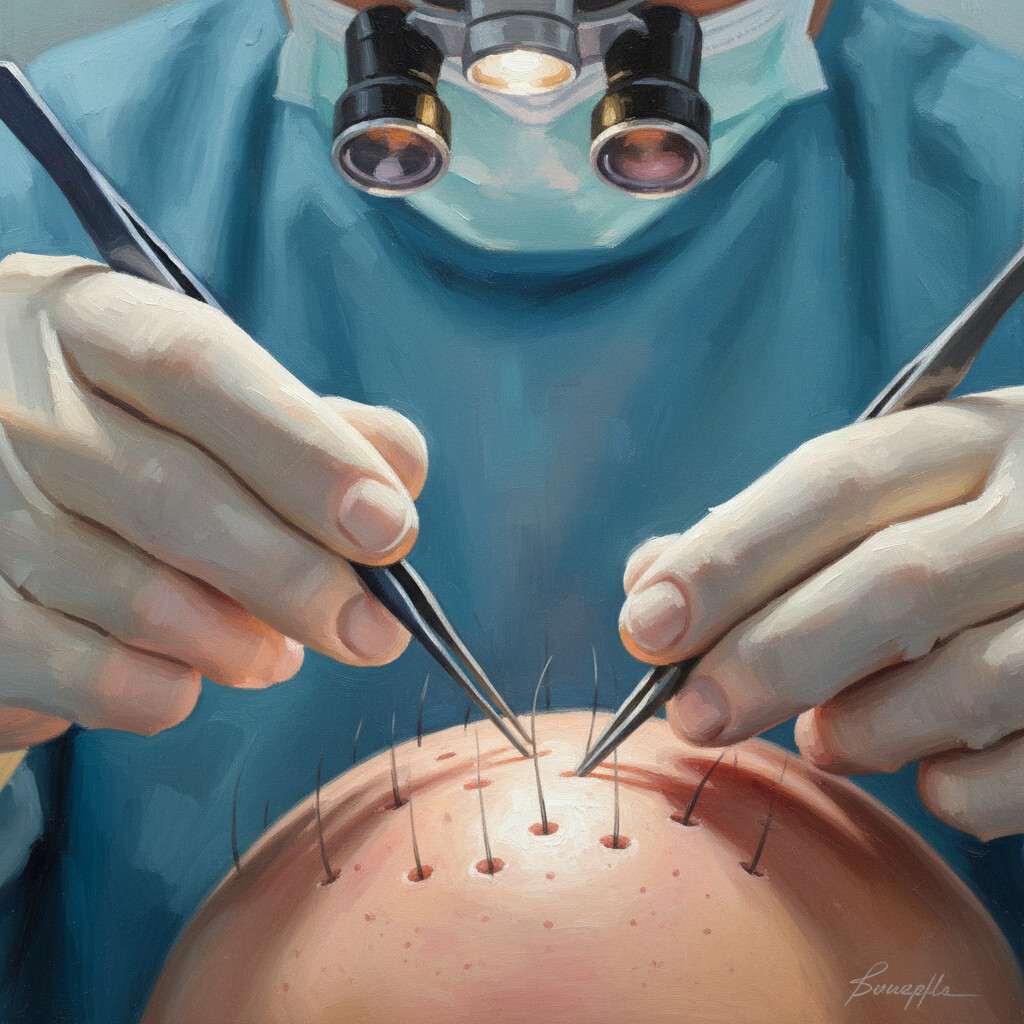
What Does “Up to 6000 Grafts” Mean in Practice?
When a clinic advertises the capability to transplant “up to 6000 grafts in one session,” it signifies their capacity and experience in handling large-volume procedures. This number is often associated with advanced FUE techniques or FUT. Transplanting 5000-6000 grafts can potentially restore a significant area of thinning or baldness, providing a dramatic improvement in hair density and coverage.
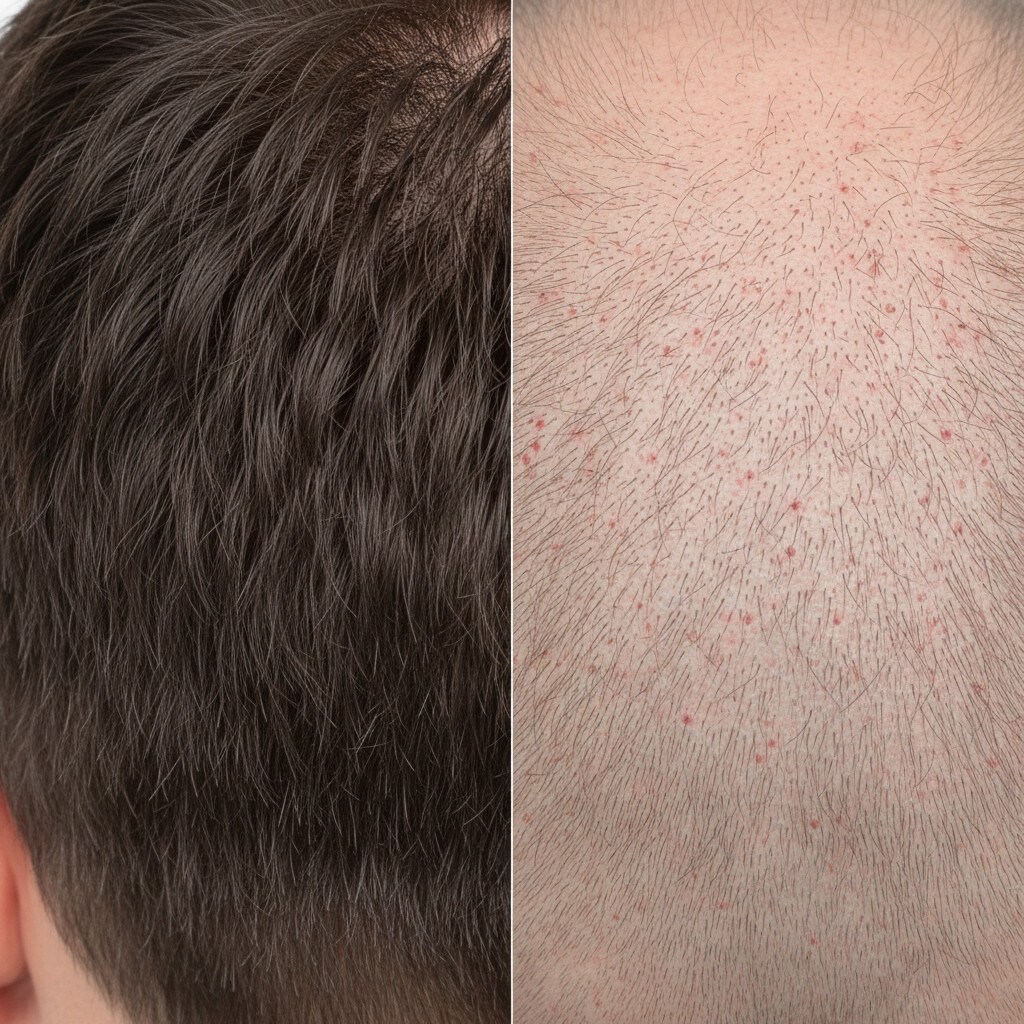
However, it’s crucial to understand that not every patient is a candidate for 6000 grafts in a single session. The decision is always based on the individual’s specific circumstances, particularly the donor area’s capacity. Attempting to harvest too many grafts can compromise the donor site, leading to aesthetically undesirable results. A responsible clinic will prioritize the long-term health and appearance of both the recipient and donor areas.
The Process of a High-Graft Session
Performing a session with a high number of grafts (e.g., 5000-6000) typically involves meticulous planning and execution:
- Consultation and Planning: This is the initial and most critical step. A thorough assessment of your hair loss pattern, donor density, and desired outcome is performed. The surgeon will determine the number of grafts needed and whether it’s feasible to achieve this in one or multiple sessions.
- Donor Area Preparation: The donor area is meticulously prepared. For FUT, a thin strip of scalp is removed. For FUE, individual follicular units are extracted using specialized micro-punches.
- Graft Dissection and Preservation: The extracted grafts are carefully dissected under magnification by a skilled team to ensure they remain intact and healthy. They are then preserved in a special solution.
- Recipient Site Creation: The surgeon creates tiny incisions in the recipient area, meticulously planning the angle, direction, and density of each graft to achieve a natural aesthetic. This stage requires precision and an artistic eye.
- Graft Implantation: The preserved grafts are then implanted into the created recipient sites by the surgical team.

Is a High-Graft Session Right for You?
A single session transplanting a large number of grafts might be suitable if:
- You have extensive hair loss and require significant coverage.
- You have a dense and healthy donor area capable of supporting the extraction.
- You are seeking a substantial improvement in hair density in one go.
- You are in good general health and can tolerate a longer procedure.
It is essential to have an open discussion with your surgeon about your expectations and the realistic possibilities. They will guide you on whether a single, high-volume session is appropriate or if a staged approach (multiple sessions spread over time) would yield better results and be safer for your donor area.
Conclusion
The capacity for hair transplantation in a single session, often cited as up to 6000 grafts, represents the upper limit achievable under optimal conditions for suitable candidates. However, the actual number is dictated by a complex interplay of donor supply, recipient needs, surgical technique, and the patient’s overall health. Prioritizing quality, natural appearance, and the long-term health of both the donor and recipient sites is paramount. Always seek a qualified and experienced hair transplant surgeon who will perform a thorough evaluation to determine the best course of action for your unique hair restoration journey.