
Navigating Your Hair Restoration Journey: A Guide to Choosing the Right Clinic
Considering a hair transplant is a significant decision, especially for individuals aged 35 and above who are looking for natural, long-lasting results. The journey involves more than just the procedure itself; a crucial first step is selecting the right clinic. This guide is designed to help you understand the key factors in choosing a hair transplant clinic, empowering you to make an informed decision that aligns with your personal goals and expectations. We aim to provide clear, unbiased information to help you feel confident as you explore your options.
This guide is specifically for mature adults who are seriously evaluating their hair restoration choices. It focuses on understanding the criteria that define a reputable clinic and a successful hair restoration process, emphasizing the importance of personalized care and realistic outcomes. You will learn what to look for in a clinic, what questions to ask, and how to assess the potential for achieving natural-looking results that stand the test of time.
What this guide will explain:
- Key qualities of a reputable hair transplant clinic.
- How to assess a clinic’s experience and team.
- Understanding consultation processes and treatment planning.
- Factors contributing to natural-looking and durable outcomes.
- Questions to ask potential clinics.
- Managing expectations for the hair restoration process.
Understanding the Pillars of a Quality Hair Transplant Clinic
A hair transplant is a medical procedure, and selecting the right clinic is paramount to its success. For those aged 35 and over, the focus often shifts towards achieving results that not only restore density but also blend seamlessly with existing hair, maintaining a natural appearance for years to come. This requires a clinic that prioritizes artistry, precision, and patient well-being.
Expertise and Specialization
Look for clinics with a dedicated focus on hair restoration. This specialization suggests a deeper understanding of hair growth cycles, density requirements, and the aesthetic nuances of hairline design. A clinic that exclusively or primarily performs hair transplants is more likely to have surgeons and technicians who are highly skilled and experienced in the latest techniques.
Surgeon’s Credentials and Experience
The qualifications of the performing surgeon are critical. Ensure the surgeon is board-certified in a relevant specialty (such as plastic surgery or dermatology) and has significant experience specifically in performing hair transplant procedures. Don’t hesitate to inquire about their training, the number of procedures they perform annually, and their specific approach to different types of hair loss.
Technology and Techniques
While techniques evolve, the goal remains the same: natural-looking and dense hair placement. Reputable clinics stay abreast of advancements in hair restoration technology. They should be able to explain the methods they use, such as Follicular Unit Transplantation (FUT) or Follicular Unit Extraction (FUE), and how these techniques are chosen based on individual patient needs. The focus should always be on the quality of graft survival and natural placement.
The Consultation: Your Most Important Step
The initial consultation is your opportunity to gauge the clinic’s approach, ask questions, and understand if they are the right fit for you. A thorough consultation is not just a brief meeting; it’s a comprehensive assessment designed to understand your specific hair loss pattern, discuss your goals, and outline a personalized treatment plan.
Comprehensive Assessment
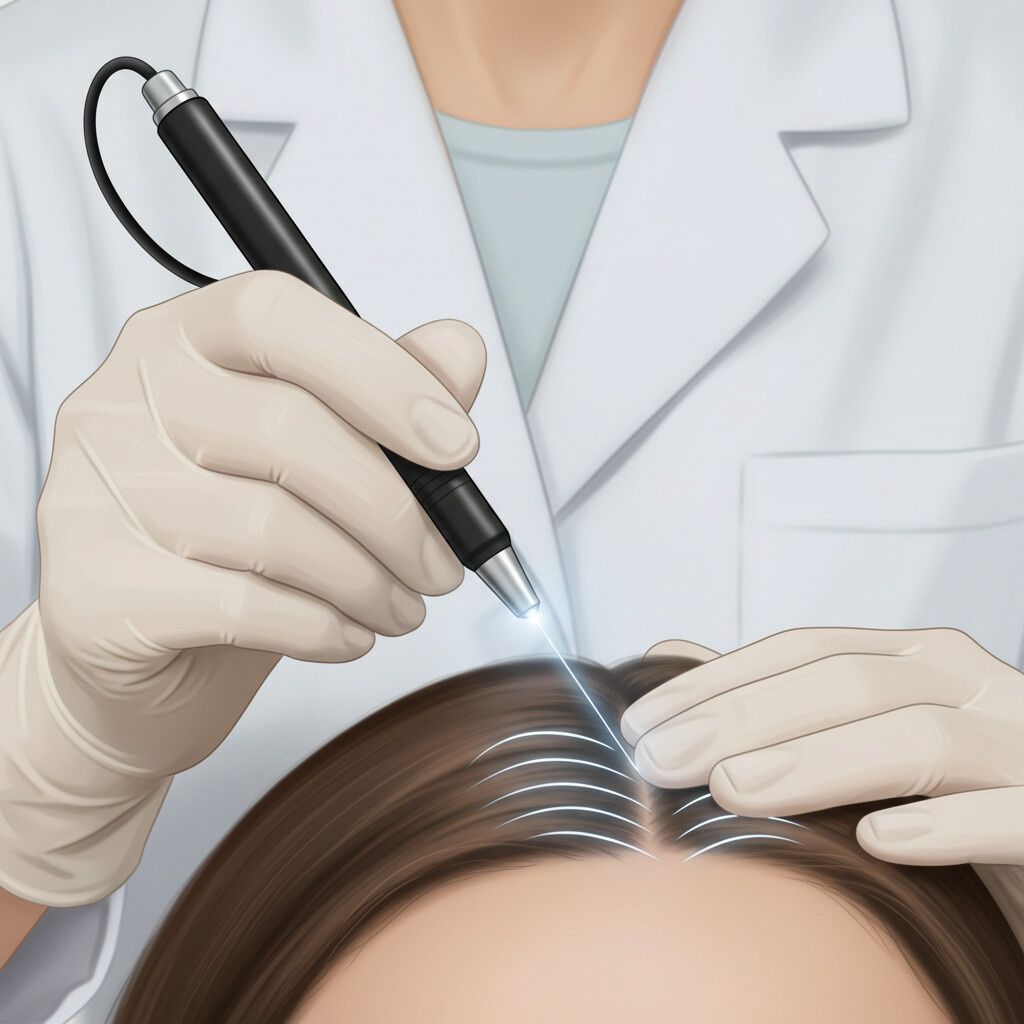
A good clinic will conduct a detailed evaluation of your scalp and hair loss. This includes assessing the donor area (where healthy hair follicles are harvested) and the recipient area (where hair will be placed). They should use diagnostic tools to understand the density and quality of your hair.
Realistic Goal Setting
Honest discussion about what is achievable is vital. A reputable clinic will manage your expectations, explaining the number of grafts that can be realistically transplanted, the potential density, and the expected aesthetic outcome. They should be transparent about the limitations and the number of sessions that might be required to achieve your desired results.
Personalized Treatment Planning
Your hair restoration plan should be unique to you. The clinic should present a tailored strategy that considers your age, the pattern and progression of your hair loss, your desired outcome, and the health of your donor area. This plan should detail the proposed hairline design, the number of grafts, and the techniques to be used.
Focusing on Long-Term, Natural-Looking Outcomes
The ultimate measure of a successful hair transplant is the naturalness and permanence of the results. This is achieved through meticulous planning, precise execution, and an understanding of aesthetic principles.
Aesthetic Design and Hairline Reconstruction
Creating a natural-looking hairline is an art form. It requires an understanding of facial structure, age-appropriate aesthetics, and the natural growth patterns of hair. A skilled surgeon will design a hairline that is subtle, enhances your features, and looks like it has always been there.

Density and Coverage
Achieving adequate density is crucial for a satisfying result. Clinics should explain how they aim to provide a natural-looking density, considering the available donor hair and the recipient area’s needs. The goal is not necessarily to replicate youthful density but to achieve a balanced and aesthetically pleasing appearance.
Long-Term Perspective
Hair restoration is a long-term investment. A good clinic will discuss how their approach considers the future progression of your hair loss and aims for results that remain natural and aesthetically pleasing as you age. They should provide guidance on post-treatment care and what to expect in the years following the procedure.
Common Questions About Choosing a Hair Transplant Clinic
Q1: How many years of experience should a hair transplant surgeon have?
While there’s no strict number, look for surgeons who have been performing hair transplants for several years and have a consistent track record. More important than the number of years is the volume and quality of procedures they perform. A surgeon performing many procedures each year with excellent outcomes is generally preferable to one with many years but fewer procedures.
Q2: What should I expect during the consultation process?
A thorough consultation typically involves a discussion of your medical history, an examination of your scalp and hair loss pattern, an assessment of your donor area, and a detailed conversation about your goals and expectations. The medical team should explain the proposed treatment plan, the techniques they use, and answer all your questions. You should leave the consultation with a clear understanding of the recommended procedure and what you can realistically expect.

Q3: How can I tell if a clinic prioritizes natural results?
Examine their before-and-after portfolio. Look for results where hairlines appear natural, hair density is appropriate for the individual’s age and facial features, and the overall outcome looks seamless. Ask the clinic about their approach to hairline design and graft placement. A clinic focused on artistry and natural aesthetics will be able to articulate this clearly.
Q4: What is the difference between FUE and FUT, and which is better?
FUE (Follicular Unit Extraction) and FUT (Follicular Unit Transplantation) are two primary methods for harvesting hair follicles. FUE involves extracting individual follicular units directly from the donor area, often leaving tiny, scattered marks. FUT involves removing a strip of tissue from the donor area, from which individual follicular units are then dissected, leaving a linear scar. The choice between them depends on individual factors like hair loss pattern, desired density, donor area characteristics, and lifestyle preferences. A good clinic will discuss which method is most appropriate for you based on these factors, rather than promoting one over the other.
Ready to Discuss Your Options?
Choosing the right clinic is a journey of careful consideration and informed decision-making. We encourage you to use the insights from this guide as you explore your options. Your comfort, understanding, and confidence in the process are our highest priorities.
We invite you to share your experiences and perspectives:
- What factors did you find most important when researching hair transplant clinics?
- How did you approach managing your expectations during the consultation phase?
- What advice would you give to someone who is just starting their search for a hair transplant clinic?
Medical Disclaimer
This content is for informational purposes only and does not constitute medical advice. Hair restoration results can vary significantly from person to person. The information provided here is not a substitute for professional medical advice, diagnosis, or treatment. Always seek the advice of your physician or other qualified health provider with any questions you may have regarding a medical condition. Never disregard professional medical advice or delay in seeking it because of something you have read here. Individual assessment by a qualified medical professional is essential before undergoing any hair restoration procedure.