
Considering a hair transplant is a significant decision, and choosing the right expert is paramount to achieving natural-looking, successful results. This guide aims to equip you with the knowledge to make an informed choice, ensuring your investment in restoring your hair is a wise one.
Key Considerations Checklist:
- Credentials and Experience: Verify their qualifications and years of practice.
- Specialization and Focus: Ensure they specialize in hair restoration.
- Before & After Gallery: Examine their portfolio of past results.
- Patient Testimonials and Reviews: Read feedback from previous patients.
- Understanding of Techniques: Familiarize yourself with different transplant methods.
- Consultation Process: Assess the thoroughness and clarity of the initial consultation.
- Clinic Environment and Staff: Evaluate the overall professionalism and care.
1. Credentials and Experience: The Foundation of Trust
When embarking on the journey of hair restoration, the expertise of your surgeon is non-negotiable. Begin by thoroughly investigating their medical background. Look for board certification in relevant fields such as dermatology or plastic surgery. Board certification signifies that a surgeon has met rigorous standards of training, knowledge, and ethical practice. Beyond certification, delve into their specific experience in performing hair transplant procedures. How many years have they been specializing in this field? How many procedures do they perform annually? A surgeon with extensive, dedicated experience is more likely to possess the nuanced skills and deep understanding required for optimal outcomes. Don’t hesitate to ask for proof of their qualifications during your initial consultation. This is not about doubting their abilities, but about empowering yourself with knowledge and building a foundation of trust. A reputable surgeon will readily provide this information.
2. Specialization and Focus: Expertise in Hair Restoration
While a surgeon might be highly skilled in general dermatology or plastic surgery, hair transplantation is a specialized field that demands a unique set of abilities and an artistic eye. Ensure your chosen expert primarily focuses on hair restoration. This specialization means they are up-to-date with the latest advancements, techniques, and potential challenges specific to hair transplants. A surgeon who dedicates their practice to hair restoration will have a deeper understanding of hair growth cycles, follicle anatomy, and the aesthetic principles required to create a natural-looking hairline and density. They will be better equipped to handle complexities such as different types of hair loss, revision surgeries, and unique patient needs. Ask directly about their focus: Is hair transplantation their primary area of practice, or is it one of many procedures they offer?
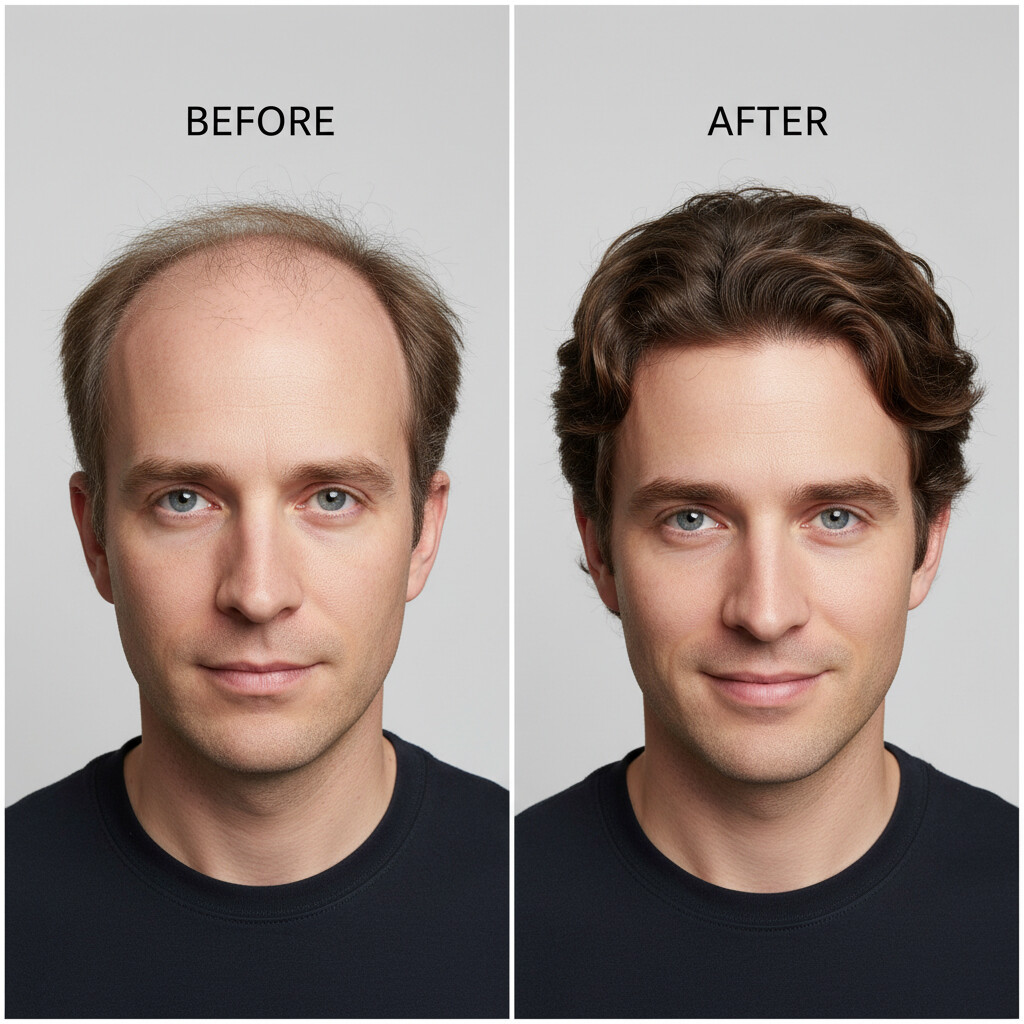
3. Before & After Gallery: Visual Proof of Success
A picture is worth a thousand words, especially when it comes to surgical outcomes. The before and after gallery of a hair transplant expert is one of the most revealing indicators of their skill and the quality of their work. Take your time to carefully examine a substantial number of these photos. Pay attention to the naturalness of the hairlines they’ve created. Do the results appear seamless with the surrounding hair, or do they look artificial? Observe the density achieved and how well the transplanted hair blends with existing hair. Look for consistency across different patients and types of hair loss. A surgeon confident in their abilities will have a comprehensive and impressive gallery showcasing a variety of successful cases.
4. Patient Testimonials and Reviews: Hearing from Others
In the digital age, online reviews and patient testimonials offer invaluable insights into a surgeon’s practice and patient satisfaction. While a surgeon’s portfolio shows the technical results, testimonials provide a glimpse into the overall patient experience. Seek out reviews on independent platforms, medical review sites, and potentially the clinic’s own website (though these may be curated). Look for recurring themes in patient feedback. Are patients consistently happy with the results, the level of care, the communication from the clinic, and the post-operative support? Conversely, be wary of overly positive, vague reviews or a lack of reviews altogether. Authentic testimonials often detail specific aspects of the procedure and recovery. Don’t hesitate to ask your potential surgeon if they can provide references or connect you with past patients who are willing to share their experiences.

5. Understanding of Techniques: FUE, FUT, and Beyond
Hair transplantation is not a one-size-fits-all procedure. There are various techniques, each with its own advantages and suitability depending on the individual’s hair loss pattern, donor hair availability, and desired outcome. The two most common techniques are Follicular Unit Transplantation (FUT), also known as strip harvesting, and Follicular Unit Extraction (FUE). FUT involves removing a thin strip of scalp from the donor area, from which individual follicular units are dissected. FUE involves extracting individual follicular units directly from the donor area using a micro-punch tool. Your chosen expert should have a deep understanding of both techniques and be able to explain the pros and cons of each in relation to your specific situation. They should guide you towards the technique that best suits your needs, rather than pushing a single method. Understanding these techniques will also help you ask more informed questions during your consultation.

6. The Consultation Process: A Crucial First Step
The initial consultation is your opportunity to assess the surgeon and their team, and for them to assess your suitability for a hair transplant. A thorough consultation should be unhurried and comprehensive. The surgeon should:
- Discuss your medical history: Including any relevant conditions or medications.
- Analyze your hair loss: Determine the cause and extent of your hair loss.
- Assess your donor hair: Evaluate the density and quality of hair in the donor area.
- Discuss your goals and expectations: Ensure they are realistic and achievable.
- Explain the recommended procedure: Detailing the technique, number of grafts, and expected results.
- Outline the risks and recovery: Clearly explaining potential complications and the healing process.
- Answer all your questions: Patiently and thoroughly address any concerns you may have.
A consultation that feels rushed, where the surgeon seems uninterested, or where your questions are met with vague answers, should be a red flag. Trust your intuition; you should feel comfortable and confident with the surgeon and their approach.
7. Clinic Environment and Staff: Professionalism and Care
Beyond the surgeon’s individual expertise, the overall environment of the clinic and the professionalism of its staff play a crucial role in your experience. A reputable clinic will be clean, well-organized, and equipped with modern technology. The support staff – nurses, technicians, and administrative personnel – should be welcoming, knowledgeable, and attentive. They are an integral part of the surgical team and contribute significantly to patient comfort and care. Observe how the staff interacts with each other and with you. Do they seem efficient and compassionate? A well-run clinic with a cohesive and supportive team often reflects positively on the surgeon’s standards and commitment to patient well-being. Consider the post-operative care instructions and support provided. A good clinic will offer clear guidelines for recovery and be accessible for follow-up questions or concerns.
Conclusion
Choosing the best hair transplant expert is a critical step that requires diligence and informed decision-making. By focusing on credentials, specialization, a robust portfolio, patient feedback, technical knowledge, a thorough consultation, and a professional clinic environment, you can significantly increase your chances of a successful and satisfying hair transplant. Remember, this is an investment in your appearance and confidence. Take your time, do your research, and choose a surgeon you trust implicitly to guide you through this transformative procedure.