What this guide will explain
- Understanding the importance of sleep positioning after a hair transplant.
- Practical tips for comfortable sleeping arrangements.
- How to protect your newly transplanted hair while resting.
- Managing expectations for the initial recovery period.
- Signs that indicate a smooth recovery process.
The Importance of Sleep Position After Hair Transplantation
Undergoing a hair transplant is a significant step towards restoring a fuller head of hair. While the procedure itself is carefully managed by skilled professionals, the period immediately following treatment plays a crucial role in ensuring optimal results. One aspect that often requires particular attention is how you sleep.

During the initial days after a hair transplant, the scalp is sensitive, and the newly placed hair follicles need a stable environment to begin healing and settling in. Proper sleep posture is not about avoiding discomfort; it’s about supporting the healing process and minimizing any potential disruption to the delicate graft sites. This guide is designed for individuals who have recently undergone a hair transplant and are looking for clear, reassuring advice on how to navigate the crucial sleep phase of their recovery. We aim to provide you with the knowledge to make informed decisions about your sleeping habits, ensuring you can rest easy while promoting the best possible outcome for your hair restoration journey.
Optimizing Your Sleep Environment and Position
Creating a conducive sleep environment and adopting the correct sleeping position are key elements in the early stages of post-hair transplant recovery. The primary goal is to prevent any pressure or friction on the transplanted areas.

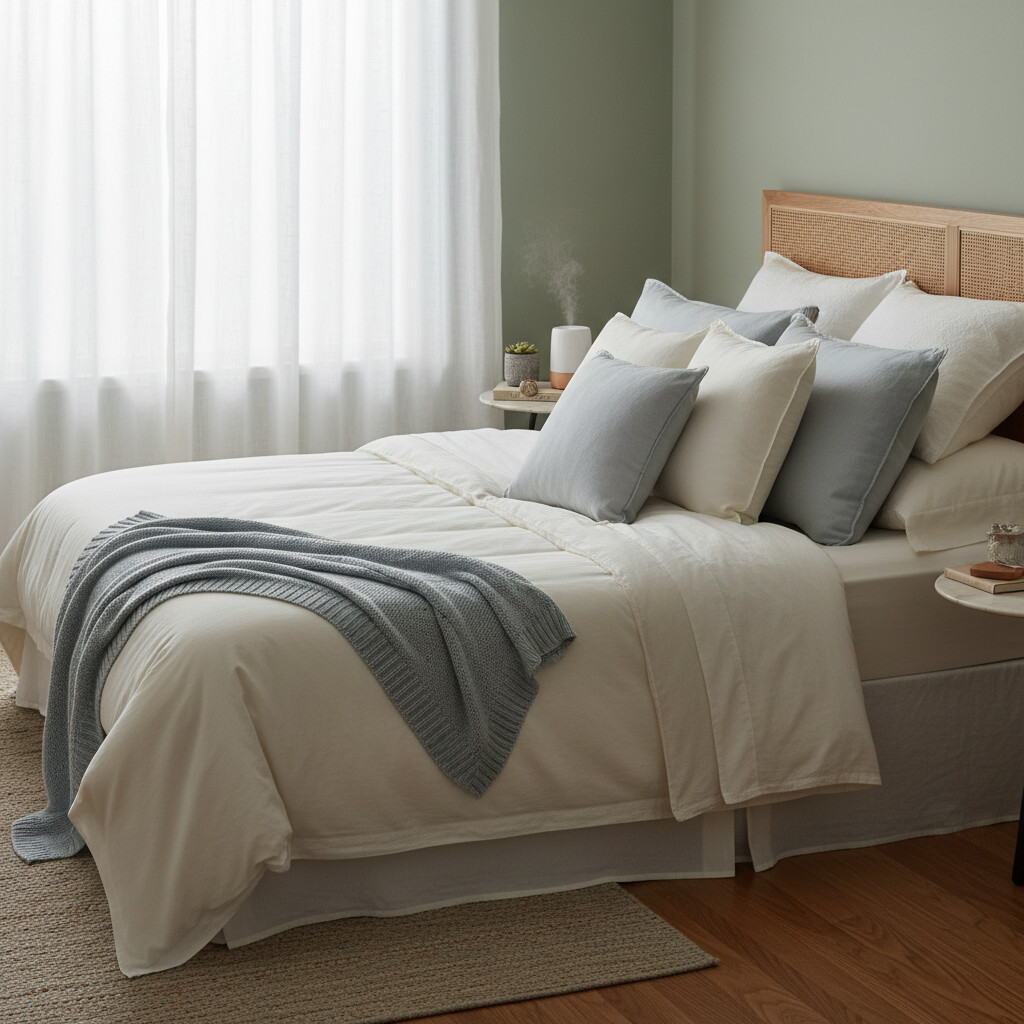
Sleeping Upright or Semi-Upright: The most commonly recommended position is to sleep in a reclined or semi-upright position for the first few nights. This can be achieved using several pillows to elevate your head and upper body. A recliner chair can also be a comfortable and effective option. This elevated posture helps to reduce swelling and prevents you from accidentally rolling onto your back or sides where the transplanted grafts are located. It might feel unusual at first, but it is a temporary measure designed to protect your investment.
Avoiding Sleeping on Your Stomach or Side: Sleeping on your stomach or side is generally discouraged during the initial recovery period. These positions can put direct pressure on the scalp, potentially dislodging grafts or causing irritation. It is vital to be mindful of your movements even as you fall asleep. Some individuals find it helpful to place pillows on either side of their body to create a physical barrier, discouraging them from turning over during the night.
Pillow Choice: Opt for soft, clean pillows. Consider using travel pillows or neck support pillows that cradle your head and neck, helping to maintain an upright position and prevent excessive movement. Ensure any pillowcases or coverings are clean to minimize the risk of infection.
Protecting Your New Hair While Resting
Beyond adopting the right sleeping position, a few additional considerations can help safeguard your newly transplanted hair during the critical initial recovery phase.
Gentle Handling: When preparing for sleep, be gentle with your scalp. Avoid any harsh rubbing or scratching. The focus should be on calm, careful movements.
Loose Headwear (If Recommended): In some cases, your surgeon might recommend wearing a loose-fitting surgical cap or headband. This is typically to provide a gentle layer of protection without applying pressure. Always follow your surgeon’s specific post-operative instructions regarding headwear.
Maintaining a Clean Environment: Ensure your bedroom and sleeping area are clean. This helps reduce the chance of any contaminants coming into contact with your sensitive scalp.
Hydration and Nutrition: While not directly related to sleeping position, staying well-hydrated and maintaining good nutrition supports the overall healing process. This contributes to healthier graft settlement and recovery.
Managing Expectations and Timeline
It’s important to approach the post-transplant period with realistic expectations. The initial days and weeks are focused on healing and settling of the grafts. You will not see immediate dramatic results, and that is perfectly normal.
Initial Healing: The first week is primarily about allowing the scalp to heal and reducing any initial discomfort. You might experience mild swelling or tightness, which is temporary. Following your surgeon’s post-operative care instructions diligently is paramount during this phase.
Graft Settling: Over the next few weeks, the transplanted hair follicles will anchor themselves more firmly. Some temporary shedding of the transplanted hair is a normal part of this process. This is often referred to as ‘shock loss,’ and it is a sign that the follicles are preparing for new growth.
Visible Growth: Noticeable hair growth typically begins several months after the procedure. The results will gradually become more apparent over time, with significant changes often seen between 6 to 12 months post-transplant. Patience and consistency with post-care routines are key to achieving the desired long-term, natural-looking outcome.
Common Questions About Sleeping After a Hair Transplant
Q1: How many nights do I need to sleep in an elevated position?
A1: Most surgeons recommend sleeping in a semi-upright position for the first 3 to 7 nights. However, the exact duration can vary depending on the individual’s healing process and the specifics of the procedure. Always adhere to your surgeon’s personalized advice.
Q2: Is it okay if I accidentally roll onto my back or side during sleep?
A2: Minor, accidental movements are usually not a major concern, especially after the first few days when the grafts have begun to anchor. If it happens frequently or causes you significant worry, discuss it with your surgeon. Using side pillows can help minimize such occurrences.
Q3: Can I use a CPAP machine or wear a sleep mask?
A3: If you use a CPAP machine, discuss its usage with your surgeon. The mask and tubing should be positioned carefully to avoid any contact with the transplanted areas. Similarly, sleep masks should be avoided or used with extreme caution to prevent any pressure on the scalp.
Q4: When can I sleep normally again?
A4: Most patients can return to their normal sleeping positions after the first week, once the initial healing is well underway and the risk of dislodging grafts has significantly decreased. However, it is always best to confirm this milestone with your hair restoration specialist.
Discussion Section
Recovering from a hair transplant involves more than just the procedure itself; it encompasses the entire healing journey. Sharing experiences can be incredibly helpful for those considering or undergoing the process. What strategies did you find most effective for ensuring comfortable and safe sleep during your recovery period? Have you discovered any particular sleeping positions or pillow types that made a significant difference? What was your experience with managing swelling or discomfort during the nights following your procedure, and how did you cope?
Medical Disclaimer
This information is intended for general educational purposes only and does not constitute medical advice. The specifics of hair transplant recovery, including sleeping recommendations, can vary significantly between individuals and depend on the techniques used and the surgeon’s protocol. It is essential to consult with a qualified hair restoration specialist for a personalized assessment and guidance tailored to your unique situation. Always follow the explicit post-operative instructions provided by your medical provider.