
What this guide will explain
- Understanding diabetes and its impact on hair restoration
- Key considerations for diabetic patients seeking FUE
- How to prepare for a hair transplant as a diabetic
- What to expect during and after the procedure
- The importance of managing diabetes for successful outcomes
Introduction
For many individuals experiencing hair thinning or loss, hair restoration procedures like Follicular Unit Extraction (FUE) offer a promising solution. However, for those living with diabetes, questions about safety and efficacy naturally arise. This guide is designed to provide clear, comprehensive information for diabetic patients aged 35 and above who are considering FUE. We aim to demystify the process, address common concerns, and outline the realistic expectations for achieving successful, natural-looking results while managing diabetes effectively.
Understanding Diabetes and Its Impact on Hair Restoration
Diabetes is a chronic condition that affects how your body uses blood sugar (glucose). Uncontrolled or poorly managed diabetes can have widespread effects on the body, including the circulatory and immune systems. These systems play a crucial role in healing and recovery, which are paramount for any medical procedure, including hair transplantation. For individuals with diabetes, especially those aged 35 and older, it is essential to understand how their condition might influence the hair restoration process and recovery.
Poorly controlled blood sugar levels can lead to impaired circulation. This can affect the delivery of oxygen and nutrients to the scalp and the transplanted hair follicles. Additionally, a compromised immune system can make individuals more susceptible to infection and may slow down the healing process. Therefore, a proactive approach to managing diabetes is key before, during, and after a hair transplant procedure.
Key Considerations for Diabetic Patients Seeking FUE
When considering FUE, diabetic patients need to engage in a thorough consultation process with a qualified hair restoration specialist. This is not about whether FUE is inherently unsafe for diabetics, but rather about ensuring the procedure is undertaken with appropriate precautions and management strategies. The primary goal is to minimize potential risks and optimize the chances for a successful outcome.
One of the most critical factors is the control of blood glucose levels. Ideally, blood sugar should be well-managed and stable for a significant period before the procedure. Your doctor will likely want to review your recent HbA1c levels, which provide an average of blood sugar control over the past 2-3 months. Consistently high levels can indicate a higher risk of complications.
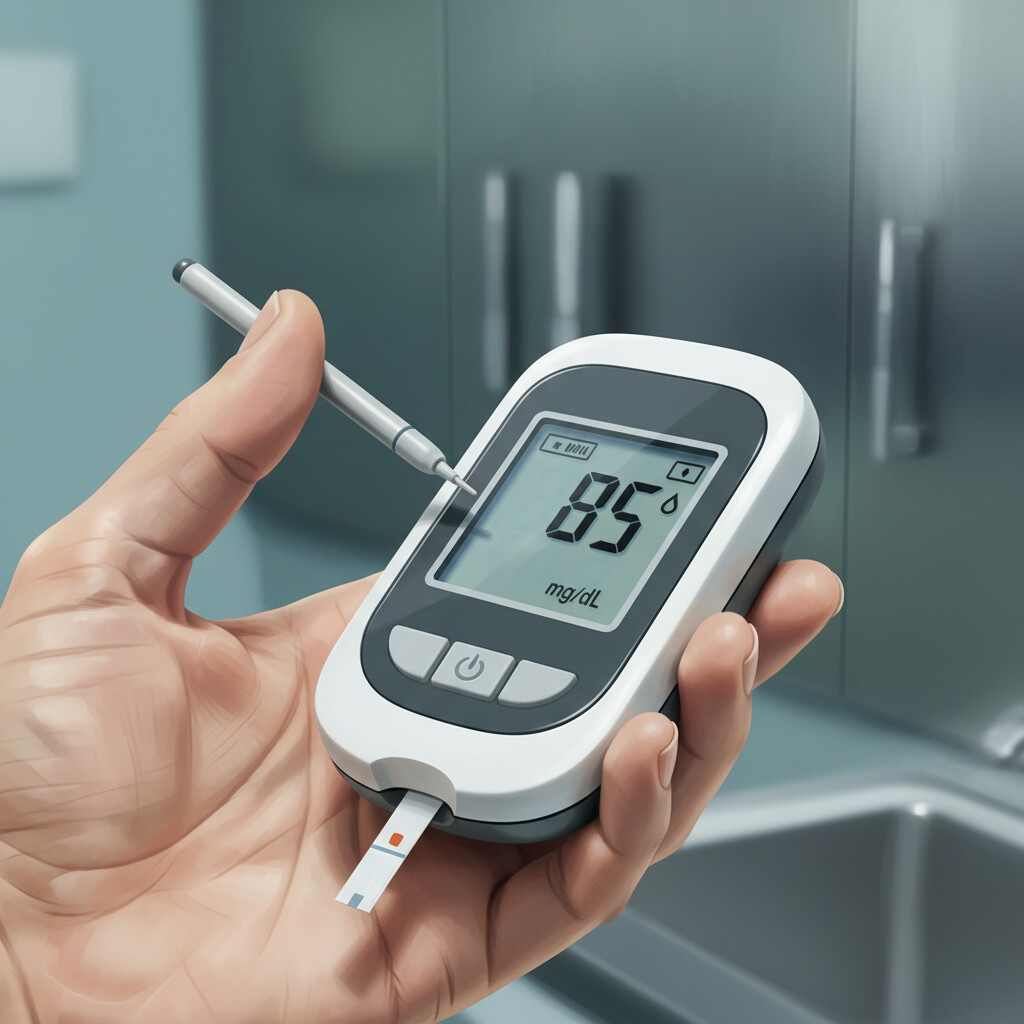
Another consideration is the presence of any diabetes-related complications, such as neuropathy (nerve damage) or peripheral artery disease. These conditions can affect sensation and circulation, which might need to be accounted for during the planning and execution of the hair transplant. Open communication with both your endocrinologist and your hair restoration surgeon is vital to address these specific concerns.
How to Prepare for a Hair Transplant as a Diabetic
Preparation is multifaceted for a diabetic individual considering FUE. It begins with ensuring your diabetes is as well-controlled as possible. This involves working closely with your endocrinologist to optimize your diet, exercise routine, and medication regimen. Consistency is key.
Your hair restoration surgeon will also provide specific pre-operative instructions. These might include guidelines on medication adjustments (e.g., certain blood thinners or diabetes medications), dietary recommendations, and hydration. It is crucial to follow these instructions precisely. For instance, avoiding certain supplements or medications that can affect blood clotting might be necessary.
Furthermore, maintaining good scalp hygiene in the weeks leading up to the procedure can help reduce infection risk. This involves gentle cleansing and avoiding harsh products. On the day of the procedure, arriving well-rested and having eaten a balanced meal (as advised by your doctor) can contribute to your overall comfort and stability.
What to Expect During and After the Procedure
During the FUE procedure itself, the process is generally similar for all patients. However, for diabetic individuals, the medical team will pay extra attention to monitoring your vital signs and ensuring you remain comfortable. The focus will be on a calm and controlled environment.
Post-operative care is where diligent diabetes management becomes even more critical. Following the surgeon’s instructions for wound care (using neutral terms like ‘recipient area care’), medication, and activity is paramount. Because healing can potentially be slower in individuals with diabetes, adhering strictly to the recovery protocol is essential.
Expectations should be realistic. While FUE can yield excellent results, the rate of healing and initial graft survival might be influenced by diabetes control. Your surgeon will guide you on the typical timeline for visible results, which can be longer if healing processes are affected. Patience and consistent follow-up are important.
Long-Term, Natural-Looking Outcomes
The ultimate goal of FUE is to achieve a natural-looking and sustainable result. For diabetic patients, achieving this goal relies heavily on effective long-term diabetes management. By keeping blood sugar levels within the target range, you support optimal healing and the long-term health of transplanted follicles.
Successful hair restoration in individuals with diabetes is absolutely achievable. It requires a collaborative approach between the patient, their endocrinologist, and their hair restoration surgeon. When diabetes is well-managed, the body’s capacity to heal and support new hair growth is significantly enhanced, leading to the desired natural and enduring outcomes.

Common Questions (FAQ)
Q1: Can I have FUE if my diabetes is not perfectly controlled?
A1: While it is strongly recommended to have your diabetes well-managed before undergoing FUE, some individuals with moderately controlled diabetes may still be candidates. This depends on individual health factors and a thorough assessment by both your endocrinologist and the hair transplant surgeon. Open communication about your current health status is essential.
Q2: Will my transplanted hair grow as well as a non-diabetic patient?
A2: The growth potential is generally good, but it can be influenced by the degree of diabetes control and any related complications. Well-managed diabetes supports healthy circulation and nutrient delivery, which are crucial for graft survival and growth. Your surgeon can provide a more personalized outlook based on your specific health profile.
Q3: Are there specific risks for diabetics undergoing FUE?
A3: The primary risks are related to impaired healing and a potentially increased susceptibility to infection, both of which can be mitigated by excellent diabetes management. The procedure itself, when performed by experienced professionals, is safe. The focus is on minimizing these potential risks through careful planning and post-operative care.
Q4: How long does recovery typically take for a diabetic patient after FUE?
A4: Recovery timelines can vary. While many non-diabetic patients experience significant healing within a couple of weeks, diabetic patients might find their initial healing phase takes slightly longer due to potential impacts on circulation and immune response. Adhering strictly to post-operative care instructions is crucial for optimizing the recovery process.
Discussion Section
We encourage our members to share their experiences and insights. If you are a diabetic considering or having undergone FUE, what was your preparation process like? What advice would you give to others in a similar situation regarding managing their diabetes alongside the hair restoration journey? How has managing your diabetes impacted your overall expectations for hair restoration results?
Medical Disclaimer
This content is for informational purposes only and does not constitute medical advice. The safety and success of any hair restoration procedure, including FUE, depend on individual health factors and a thorough evaluation by a qualified medical professional. All individuals, particularly those with chronic conditions like diabetes, must consult with their physician and a board-certified hair restoration surgeon to determine the most appropriate course of action for their specific circumstances. Individual results may vary.