
Considering a hair transplant is a significant step towards restoring your confidence and appearance. While the procedure itself is designed to be as minimally invasive as possible, understanding and managing post-operative pain and discomfort is crucial for a smooth recovery. This guide will walk you through what to expect and how to effectively manage any discomfort you might experience following your hair transplant surgery.
What to Expect Regarding Pain and Discomfort:
It’s important to set realistic expectations. While most patients report minimal to moderate discomfort rather than severe pain, individual experiences can vary. The areas involved in the surgery – both the donor site (where hair follicles are taken) and the recipient site (where hair is implanted) – will be sensitive. You might feel:
- Tenderness and Soreness: The scalp will likely feel tender and sore to the touch, similar to a sunburn. This is a normal reaction to the surgical manipulation.
- Tightness and Itching: A feeling of tightness in the scalp is common, especially in the initial days. Itching is also a frequent sensation as the scalp begins to heal. Resist the urge to scratch, as this can disrupt the grafts.
- Swelling: Swelling can occur in the scalp, forehead, and even around the eyes. This is usually mild and typically subsides within a few days.
- Numbness: Some temporary numbness in the operated areas is expected due to the local anesthesia and the minor trauma to the nerves. Sensation will gradually return over weeks to months.
A Checklist for Managing Post-Hair Transplant Discomfort:
- Follow Your Surgeon’s Instructions: This is the single most important step. Your surgeon will provide specific post-operative care guidelines tailored to your procedure.
- Pain Medication: Understand and use prescribed or recommended pain relievers.
- Managing Swelling: Learn techniques to minimize and manage post-operative swelling.
- Coping with Itching: Discover safe methods to alleviate itchiness without compromising the grafts.
- Rest and Recovery: Prioritize rest and avoid strenuous activities that could impede healing.
- Hydration and Nutrition: Understand how diet and fluids play a role in recovery.
- Wound Care: Adhere strictly to the recommended cleaning and care routines for the donor and recipient sites.
Detailed Strategies for Pain Management:
1. Pain Medication:
Your surgeon will likely prescribe or recommend pain medication to manage discomfort. This usually includes over-the-counter options like acetaminophen (Tylenol) or stronger prescription medications if needed. It’s vital to take these medications exactly as directed to maintain a comfortable pain level. Avoid aspirin or ibuprofen unless specifically advised by your doctor, as they can sometimes increase the risk of bleeding.
2. Managing Swelling:
Swelling is a common side effect. To help manage it:
- Keep Your Head Elevated: When sleeping or resting, use extra pillows to keep your head elevated above your heart. This gravity-assisted drainage helps reduce fluid buildup.
- Gentle Head Movement: Avoid sudden or jerky head movements. Move slowly and deliberately.
- Cold Compresses (Use with Caution): Your surgeon may advise on the use of a cold compress. If so, ensure it is applied gently and wrapped in a soft cloth to avoid direct contact with the scalp, especially the recipient area. Never apply ice directly to the skin.
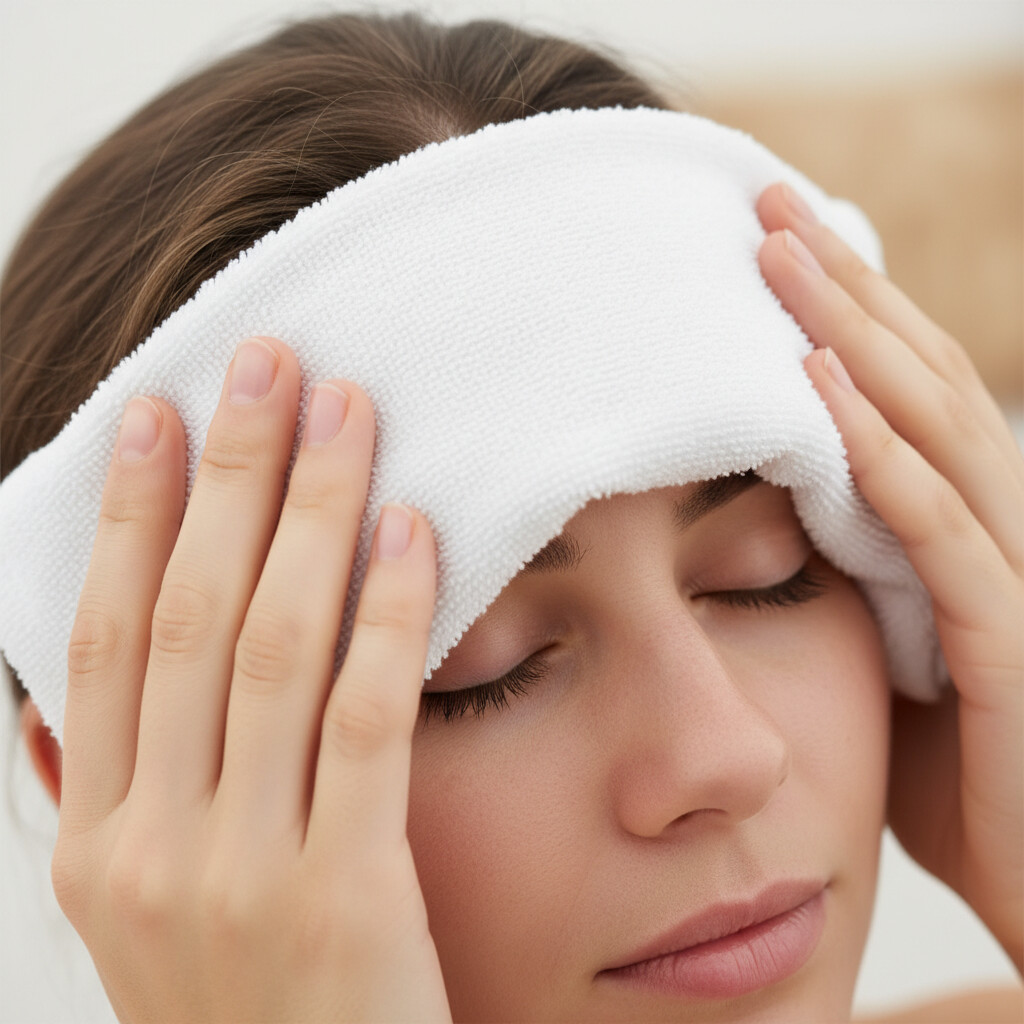
3. Soothing Itchiness:
Itching is a normal part of the healing process as the scalp begins to recover. However, scratching can dislodge the newly implanted grafts and lead to infection. Here’s how to manage it:
- Saline Sprays: Your surgeon may recommend a gentle saline spray to keep the scalp moist and soothe irritation.
- Prescribed Antihistamines: If itching is severe, your doctor might suggest an over-the-counter or prescription antihistamine.
- Patting, Not Scratching: If you feel the urge to scratch, try gently patting the itchy area with a clean finger or the palm of your hand.
- Avoid Irritants: Steer clear of harsh shampoos, styling products, and excessive heat until your surgeon gives the all-clear.
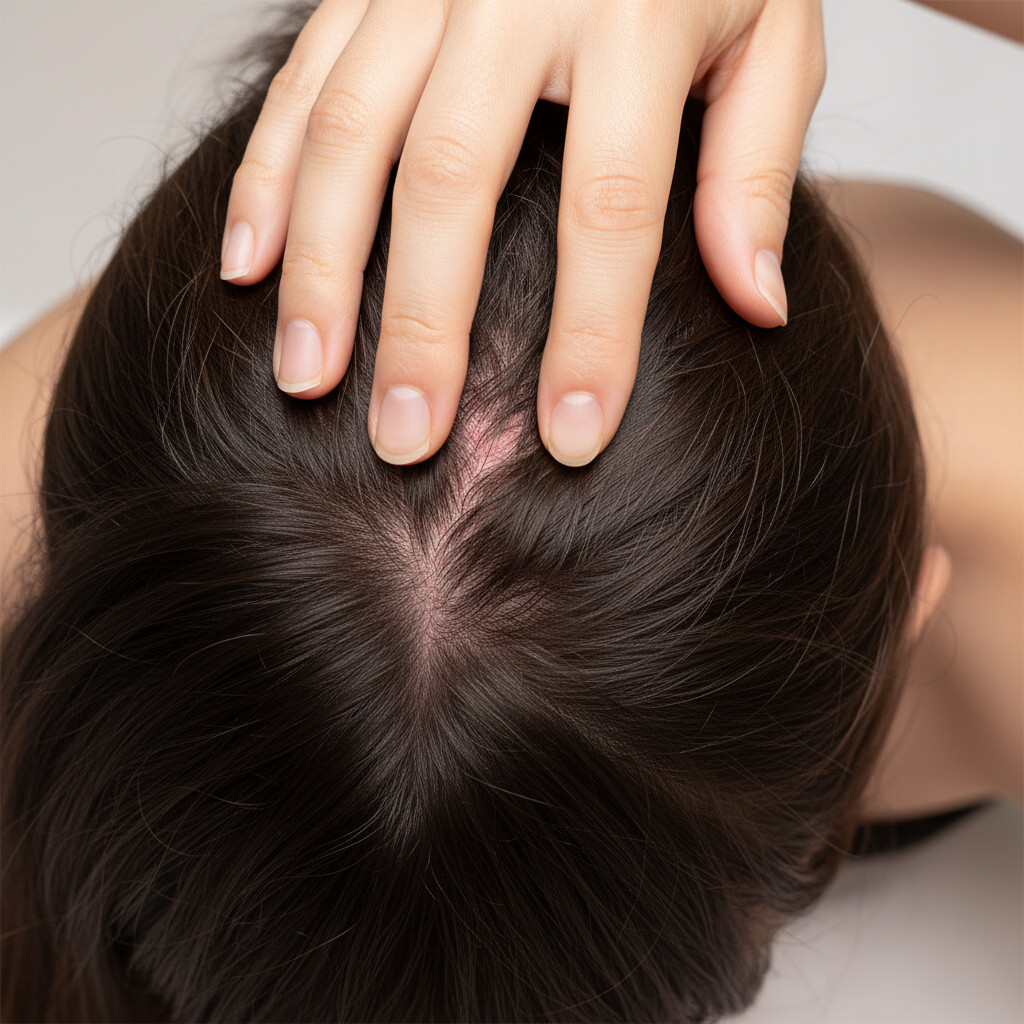
4. Essential Wound Care:
Proper care of the donor and recipient sites is paramount to prevent infection and promote healing, which in turn helps minimize discomfort.
- Cleaning: Follow your surgeon’s instructions for gently cleaning your scalp. This often involves using a mild, non-irritating cleanser and patting the area dry with a soft towel.
- Donor Site Care: The donor site, typically the back or sides of the head, may have small scabs. Keep it clean and moisturized as directed.
- Recipient Site Care: The recipient area will have tiny crusts or scabs around each graft. These will naturally fall off. Avoid touching or picking at them.
- Avoid Sun Exposure: Protect your scalp from direct sunlight, as UV rays can damage healing skin and cause discomfort. Wear a loose-fitting hat or use sunscreen specifically recommended for post-transplant use, only when advised by your doctor.

5. Rest and Lifestyle Adjustments:
Your body needs time and energy to heal. Prioritizing rest and making a few lifestyle adjustments can significantly impact your recovery experience.
- Sleep Position: As mentioned, sleeping with your head elevated is crucial. Try to sleep on your back to avoid putting pressure on the scalp.
- Avoid Strenuous Activity: For the first one to two weeks (or as advised by your surgeon), avoid any activities that significantly increase your heart rate, cause excessive sweating, or involve heavy lifting. This includes intense exercise, sports, and physically demanding work.
- Stay Hydrated: Drinking plenty of water is essential for overall healing and can help keep your skin healthy.
- Nutrition: A balanced diet rich in vitamins and minerals supports the body’s healing processes. Consider foods high in protein, vitamins A and C, and zinc.
- Avoid Smoking and Excessive Alcohol: Both smoking and excessive alcohol consumption can impair healing and increase the risk of complications. It’s best to avoid them during the recovery period.
When to Contact Your Surgeon:
While some discomfort is expected, certain signs could indicate a complication. Do not hesitate to contact your hair transplant clinic immediately if you experience:
- Severe, unmanageable pain.
- Signs of infection, such as increased redness, warmth, pus, or fever.
- Excessive or uncontrolled bleeding.
- Significant and persistent swelling that doesn’t improve with elevation.
Conclusion:
Managing pain and discomfort after a hair transplant is an integral part of the recovery process. By understanding what to expect, diligently following your surgeon’s post-operative instructions, and employing the strategies outlined above, you can ensure a more comfortable and successful healing journey. Remember, open communication with your surgical team is key. Don’t hesitate to reach out with any questions or concerns. Your comfort and the successful outcome of your procedure are their top priorities.