Undergoing a hair transplant is a significant step towards regaining a fuller head of hair, but the recovery process involves some common side effects that can cause concern. Among the most frequent are redness and itching in the recipient area. While these symptoms are a normal part of healing, understanding how to manage them effectively can significantly improve your comfort and ensure the best possible outcome for your transplanted hair.
This guide will walk you through what to expect, why these symptoms occur, and the best practices for managing redness and itching after your hair transplant.
Key Points to Cover:
- Understanding the Causes: Why do redness and itching happen after a hair transplant?
- Normal vs. Abnormal: Differentiating typical healing symptoms from potential complications.
- Immediate Post-Operative Care: Essential steps to take in the first few days.
- Managing Redness: Cooling techniques, hydration, and recommended products.
- Alleviating Itching: Strategies to combat the urge to scratch and promote healing.
- Long-Term Care and Prevention: Maintaining a healthy scalp for optimal graft survival.
- When to Seek Medical Advice: Recognizing warning signs that require professional attention.
Understanding the Causes of Redness and Itching
After a hair transplant procedure, the scalp undergoes a healing process. Redness, medically known as erythema, is a natural inflammatory response. Tiny blood vessels in the scalp dilate to increase blood flow to the newly transplanted follicles, aiding in repair and nourishment. This increased blood flow is what causes the skin to appear red.
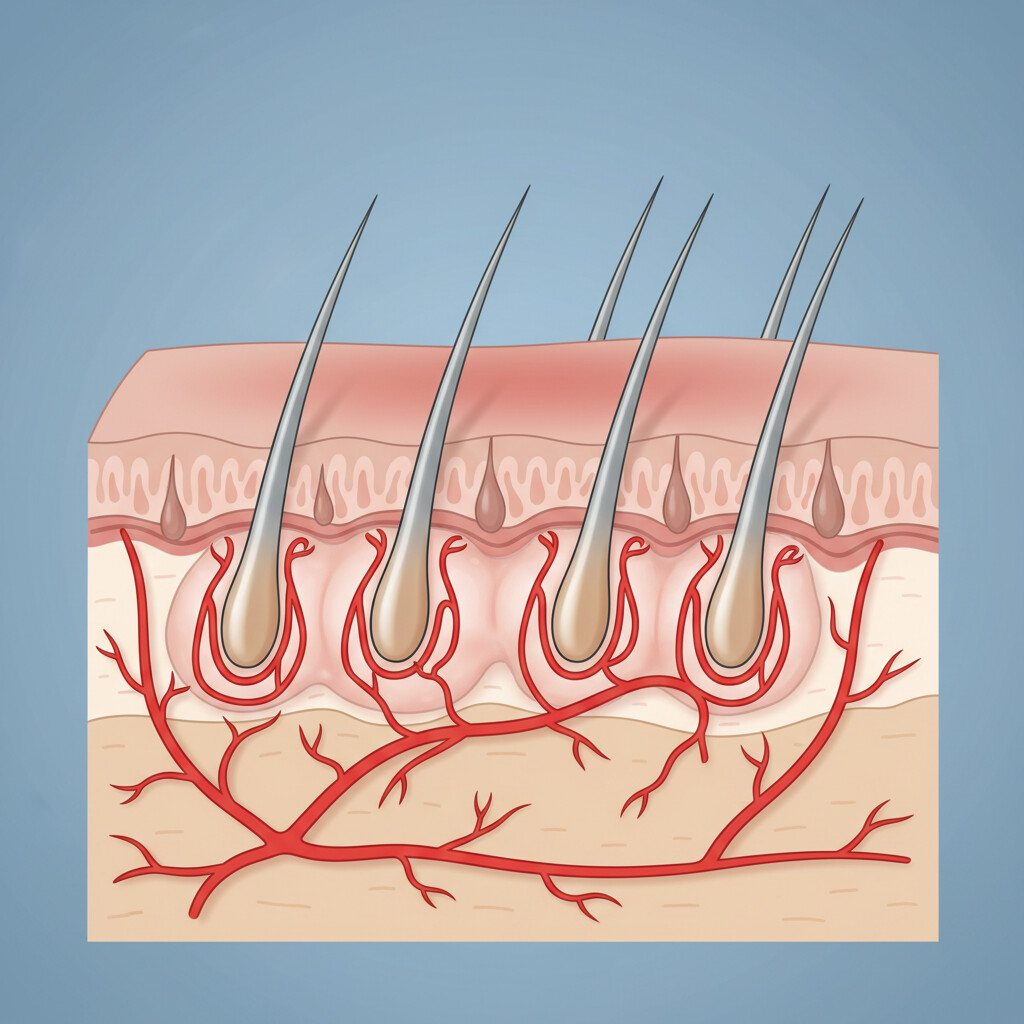
Itching, on the other hand, is often a complex sensation that arises from several factors. As the skin heals, nerve endings can become irritated. The body’s immune response, releasing histamine to facilitate healing, can also trigger itchiness. Furthermore, the shedding of the transplanted ‘shock loss’ hairs and crust formation can contribute to the sensation of itching.
Differentiating Normal Healing from Potential Complications
It’s crucial to understand that mild to moderate redness and itching are normal and expected. The redness typically starts to subside within a week to ten days, though it can persist longer in some individuals. Itching usually begins a few days after the procedure and can last for several weeks as the scalp heals. It might feel more intense during certain times, such as at night or when the scalp is warm.
However, there are signs that might indicate a complication. Excessive or persistent redness that spreads, is accompanied by severe pain, or develops into a fever could signal an infection. Similarly, intense itching that is unbearable, leads to excessive scratching, or is associated with oozing or pus requires immediate medical attention. It is important to follow your surgeon’s post-operative instructions precisely to minimize the risk of complications.
Immediate Post-Operative Care: The First Few Days
The initial 48-72 hours are critical for managing discomfort and promoting healing. Your surgeon will provide specific instructions, but generally, this involves:
- Gentle Cleansing: Using a mild, pH-neutral shampoo recommended by your clinic. The washing technique should be very gentle, often involving patting rather than rubbing, to avoid disturbing the grafts.
- Avoiding Irritants: Steer clear of harsh chemicals, direct sunlight, and excessive heat. This includes avoiding hot showers and saunas.
- Sleeping Position: Sleeping with your head elevated can help reduce swelling and minimize pressure on the recipient area.
- Medications: Pain relievers and anti-inflammatory medications may be prescribed to manage discomfort and swelling.
Adhering strictly to these guidelines sets the foundation for a smoother recovery and helps mitigate potential issues like excessive redness and itching.
Managing Redness: Cooling and Hydration
Combatting redness primarily involves supporting the skin’s natural healing process while keeping it comfortable. Here are effective strategies:
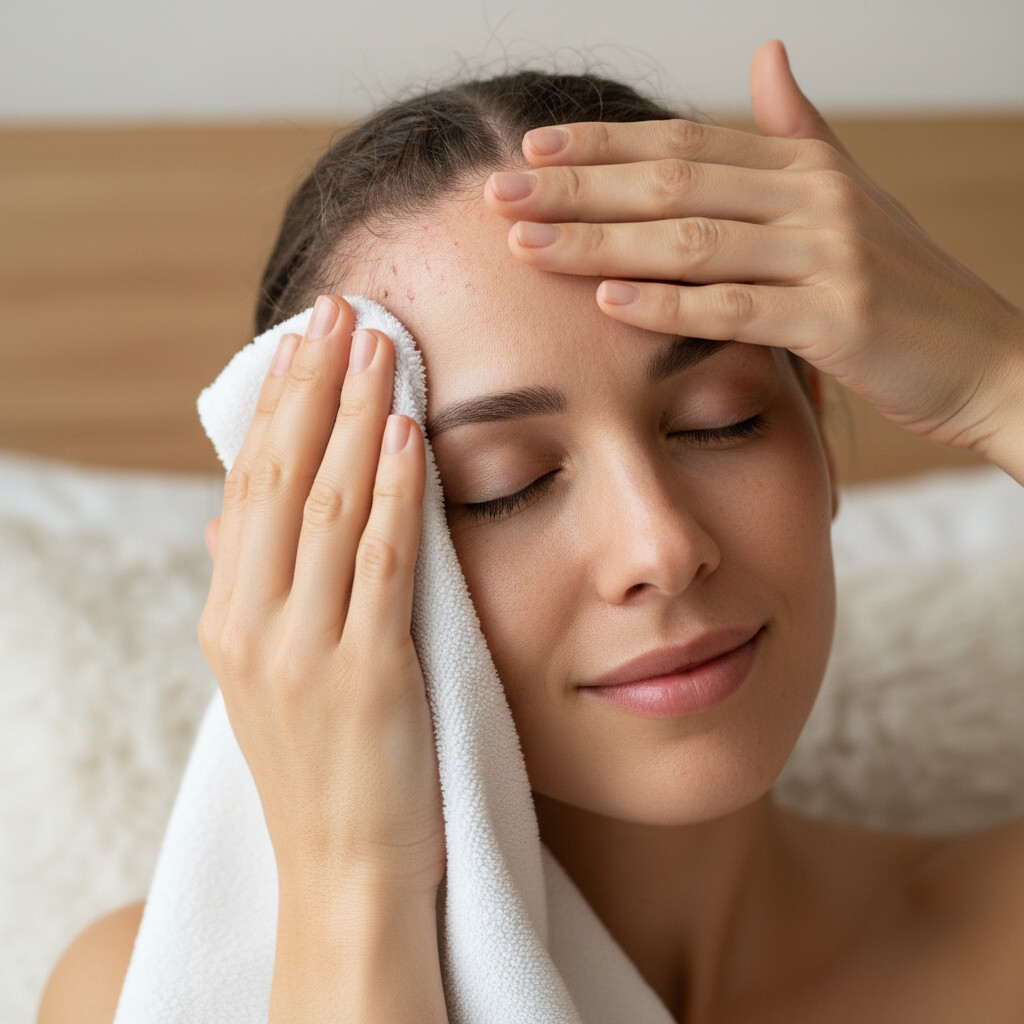
- Cool Compresses: Applying a clean, soft cloth soaked in cool (not cold) water to the forehead and surrounding areas can help constrict blood vessels and reduce redness. Be extremely careful not to apply direct pressure to the recipient site.
- Hydration: Drinking plenty of water is essential for overall healing and skin health. Staying hydrated helps your body repair itself more efficiently.
- Saline Sprays: Your surgeon might recommend a sterile saline spray. These can provide a cooling sensation and keep the scalp hydrated without irritating the grafts.
- Gentle Moisturization: Once approved by your surgeon, a very light, non-comedogenic moisturizer or a specialized post-transplant balm can help soothe the skin. Avoid anything oily or heavy that could clog pores.
- Topical Treatments: In some cases, a surgeon might prescribe a mild topical steroid or a soothing lotion containing ingredients like aloe vera or chamomile to reduce inflammation and redness. Always use these as directed.
Alleviating Itching: Soothing Strategies
Itching can be incredibly distracting and tempting to scratch, but scratching can dislodge grafts and lead to infection. The key is to soothe the scalp and manage the itch without causing harm:
- The ‘Patting’ Technique: Instead of scratching, gently pat the itchy area with your fingertips or the palm of your hand.
- Saline Solution: As mentioned for redness, saline sprays can also help alleviate itching by keeping the scalp moist and clean.
- Antihistamines: Over-the-counter oral antihistamines (like diphenhydramine or cetirizine) can be very effective in reducing the sensation of itching, especially if it’s related to histamine release. Consult your doctor before taking any new medication.
- Loosely Woven Headwear: If you need to wear headwear, opt for loose-fitting hats made from breathable fabrics like cotton or linen. Avoid tight caps that can trap heat and exacerbate itching.
- Keep the Scalp Cool: Heat can worsen itching. Ensure your sleeping environment is cool and avoid strenuous activities that cause excessive sweating during the initial healing period.
- Specialized Post-Transplant Shampoos: Many clinics offer shampoos specifically formulated to be gentle and anti-itch for post-transplant care. These often contain soothing ingredients.
Remember, the itch is a sign of healing. Resisting the urge to scratch is one of the most important things you can do for successful graft integration.
Long-Term Care and Prevention
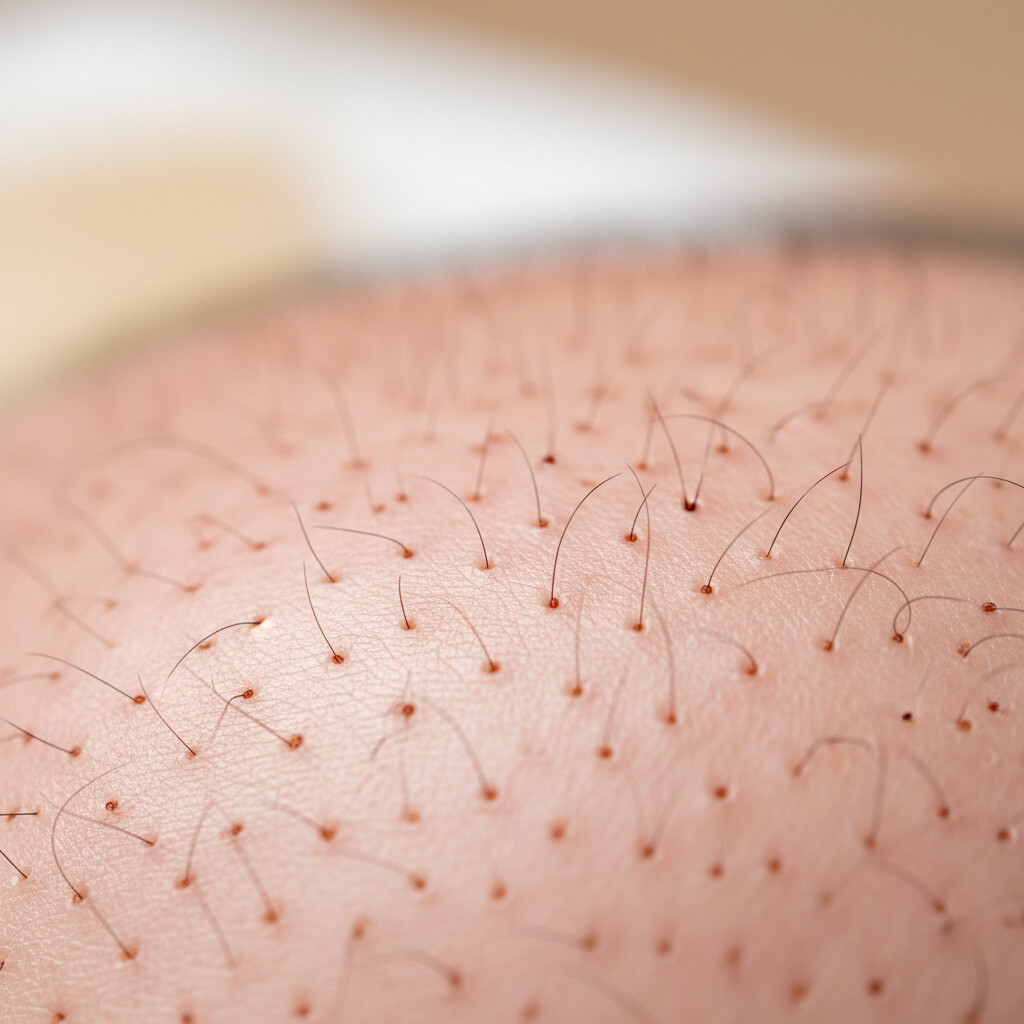
As your scalp heals, transitioning to a long-term hair care routine is vital for maintaining the health of your transplanted hair and preventing future issues. Continue to use gentle, sulfate-free shampoos. Protect your scalp from excessive sun exposure by wearing hats or using sunscreen with a high SPF, as sun damage can cause inflammation and prolong redness.
Maintaining a healthy lifestyle, including a balanced diet rich in vitamins and minerals, supports overall scalp health and hair growth. Regular, gentle scalp massage (once cleared by your surgeon) can improve circulation. Avoiding harsh hair products, excessive heat styling, and tight hairstyles will also contribute to a healthy scalp environment.
When to Seek Medical Advice
While redness and itching are typically normal, it’s essential to be aware of warning signs that necessitate contacting your hair transplant clinic or a medical professional:
- Severe, Unbearable Itching: If the itching is so intense that you cannot resist scratching, and it’s causing skin damage or bleeding.
- Signs of Infection: This includes increased redness that spreads, warmth in the scalp, swelling, pus or discharge from the graft sites, fever, or chills.
- Persistent or Worsening Redness: Redness that doesn’t gradually fade after the first week or two, or that intensifies.
- Severe Pain: While some discomfort is expected, severe or escalating pain is not.
- Swelling: Significant swelling, especially if it extends to the face or eyes.
Your surgeon’s post-operative instructions are your best guide. Don’t hesitate to reach out to them with any concerns, no matter how small they may seem. Proactive communication ensures that any potential issues are addressed promptly, leading to the best possible results for your hair transplant journey.
By understanding the causes of redness and itching, following post-operative care instructions diligently, and employing the right management strategies, you can navigate this phase of your recovery comfortably and confidently, paving the way for healthy, natural-looking hair growth.