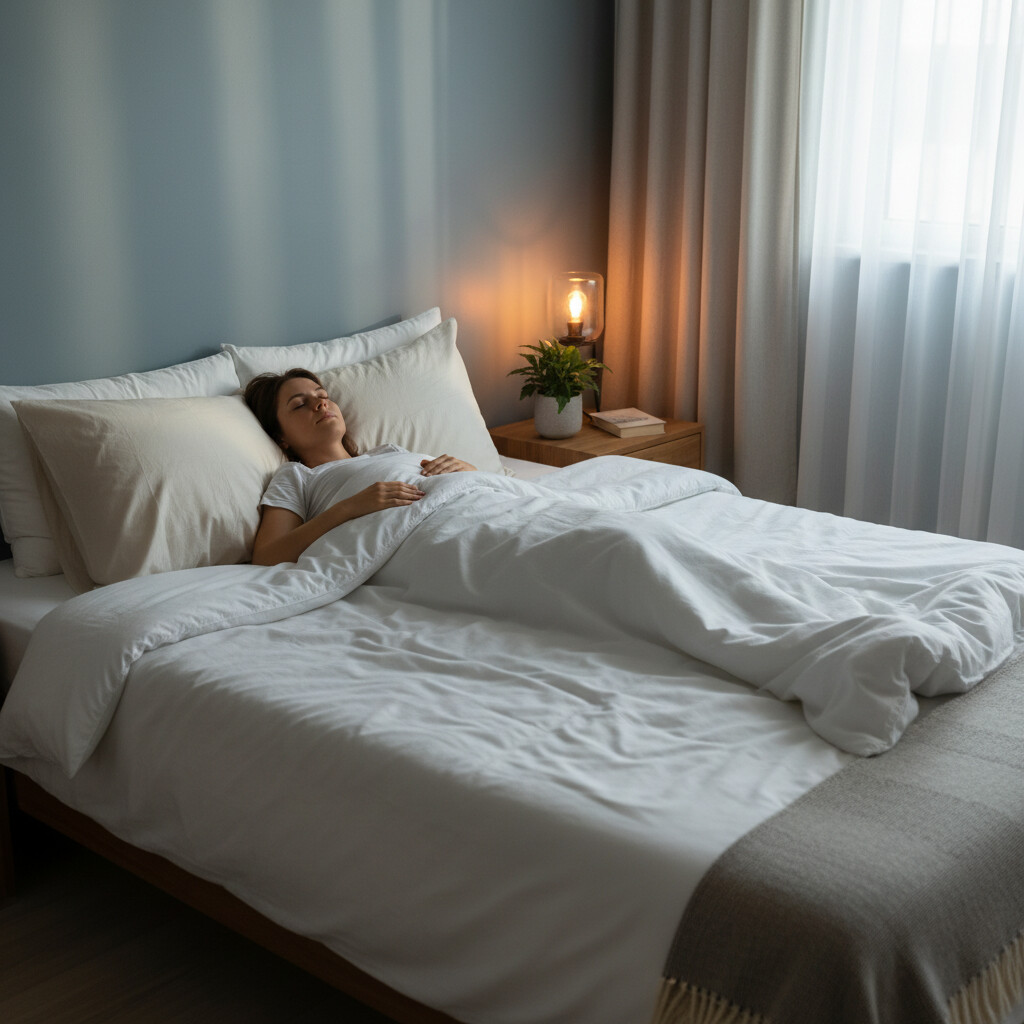
Undergoing a hair transplant is a significant step towards regaining a fuller head of hair and boosting self-confidence. While the procedure itself is transformative, the recovery period is equally crucial for ensuring the best possible outcome. One of the most common concerns for patients after a hair transplant revolves around how to sleep safely and effectively to promote healing and prevent complications. This comprehensive guide will walk you through everything you need to know about sleeping after your hair transplant surgery, covering essential techniques and precautions.
Key Considerations for Sleeping Post-Hair Transplant:
- Elevated Head Position: Maintaining an elevated head position is paramount for reducing swelling and discomfort.
- Avoiding Pressure and Contact: Protecting the newly transplanted grafts from any direct pressure or friction is vital.
- Choosing the Right Sleeping Surface: Selecting a supportive and comfortable sleeping environment is important.
- Managing Discomfort and Sleep Aids: Understanding how to cope with potential discomfort and exploring safe sleep aids.
- Timeline for Resuming Normal Sleep: Knowing when you can return to your usual sleeping habits.
Why is Sleeping Position So Important After a Hair Transplant?
Immediately following your hair transplant procedure, your scalp will be sensitive, and the newly implanted hair follicles will be fragile. The primary goal of specific sleep recommendations is to protect these delicate grafts and minimize post-operative swelling. Swelling, if not managed properly, can extend to the forehead and even around the eyes, causing discomfort and potentially affecting the healing process. By adopting the correct sleeping posture, you facilitate better blood circulation to the scalp and reduce the risk of dislodging the grafts.
The Crucial Role of an Elevated Head Position
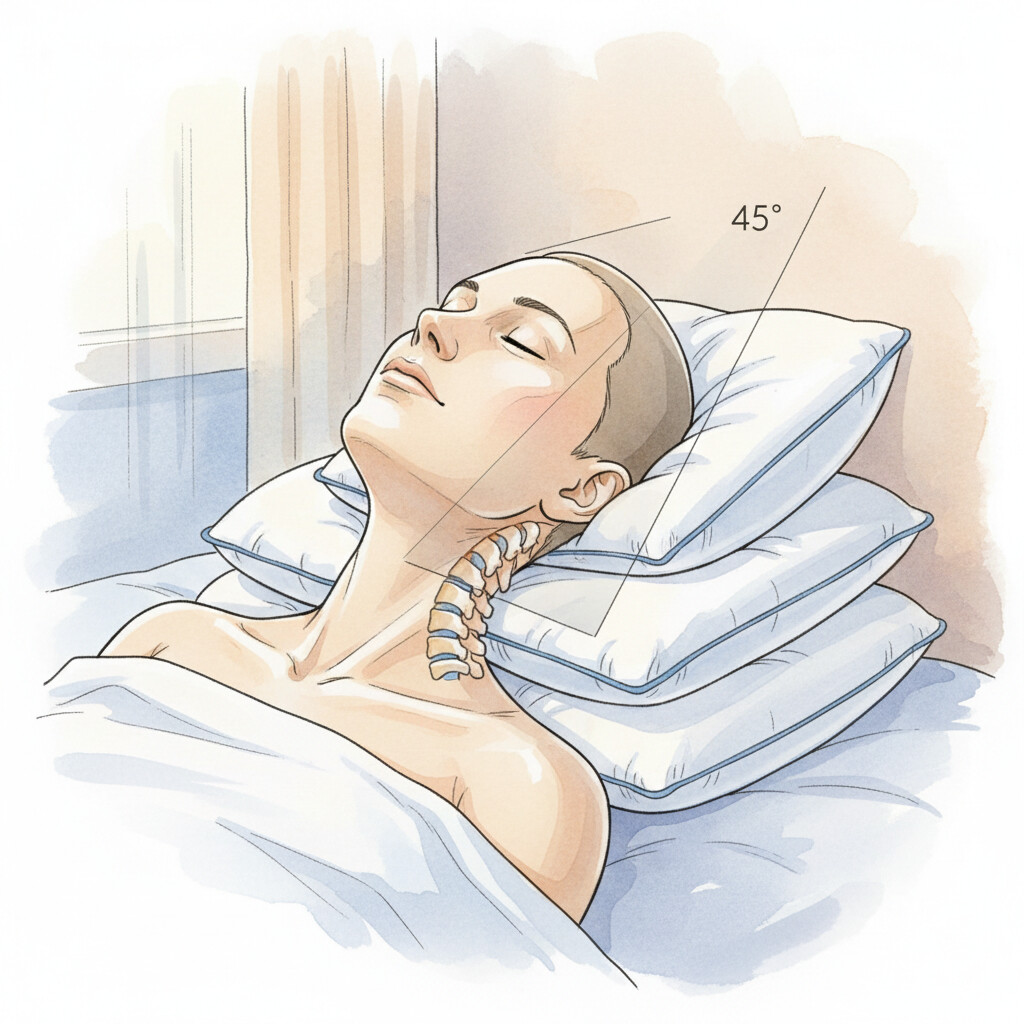
Doctors universally recommend sleeping with your head elevated for the first few nights, typically for three to seven days, although this can vary depending on the individual and the extent of the procedure. The ideal elevation is around 45 degrees. This can be achieved using a combination of pillows or a recliner chair.
Avoiding Pressure and Contact: Protecting Your Precious Grafts
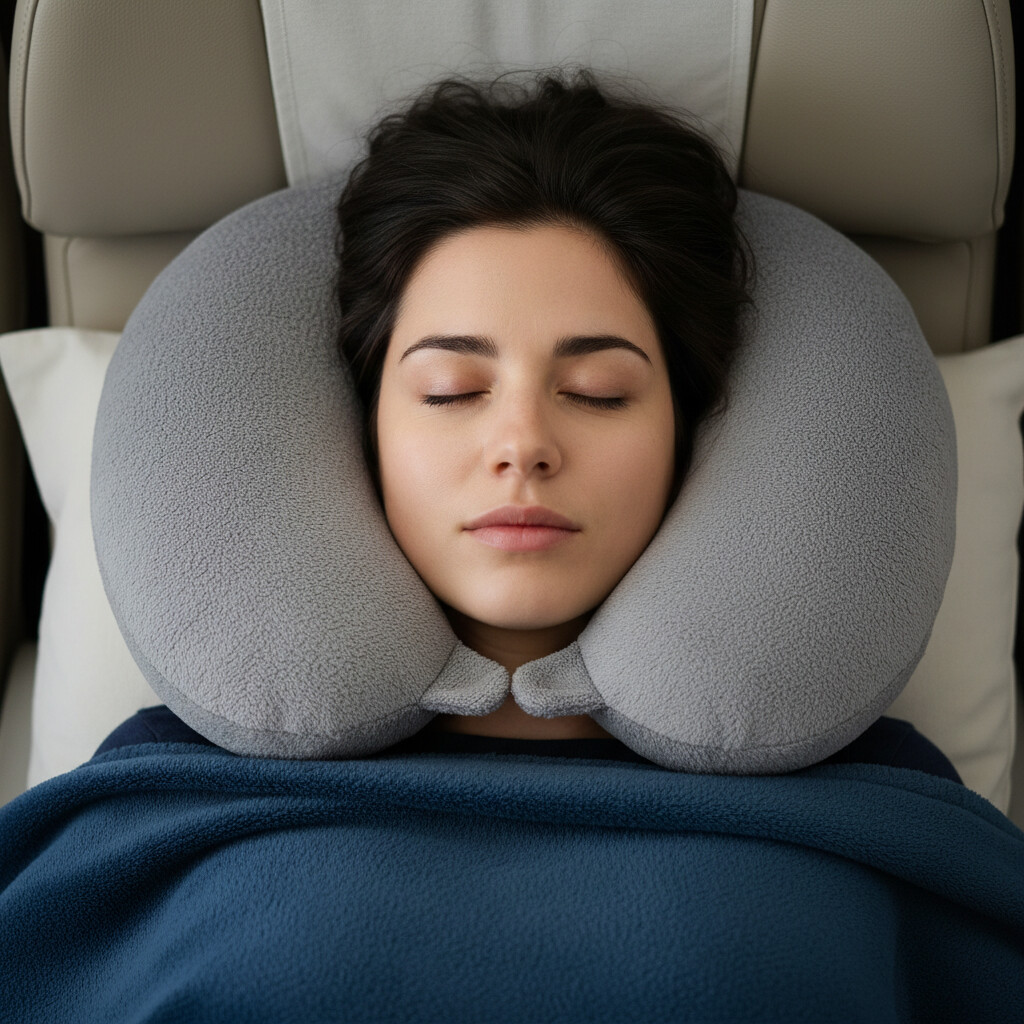
This is arguably the most critical aspect of sleeping post-hair transplant. The transplanted grafts are extremely vulnerable in the initial days. Any direct pressure, rubbing, or friction against the scalp can cause them to dislodge, leading to a compromised result. Therefore, side sleeping and sleeping on your stomach are strictly prohibited for the first week or more. The safest sleeping position is on your back. When sleeping on your back, ensure that your head and neck are supported correctly to avoid any accidental turning or rolling.
Choosing the Right Sleeping Surface and Environment
Your choice of bedding can also play a role in your recovery. Opt for clean, soft pillowcases. It is advisable to use fresh pillowcases each night for the first few days to maintain a sterile environment and reduce the risk of infection. Silk or satin pillowcases are often recommended as they are smoother and create less friction than standard cotton pillowcases. This can be particularly beneficial in minimizing any inadvertent rubbing against the scalp. Ensure your sleeping area is cool and comfortable. Avoid sleeping in overly warm rooms, as excessive heat can sometimes exacerbate swelling and discomfort.
Managing Discomfort and Exploring Sleep Aids
It’s natural to experience some discomfort, tenderness, or itching in the days following your hair transplant. Your surgeon will likely prescribe pain medication to manage any pain. Over-the-counter pain relievers like ibuprofen (if approved by your doctor) can also be helpful. For itching, your doctor may recommend a saline spray or a specific anti-itch solution. Try not to scratch or pick at the scabs that may form, as this can damage the grafts. If you find it difficult to fall asleep due to discomfort, discuss this with your doctor. They may suggest a mild sedative or sleep aid, but it’s crucial to only use medications prescribed or recommended by your healthcare provider.

The Timeline: When Can You Sleep Normally?
The recovery period varies, but generally, after the first week to ten days, you can begin to gradually resume your normal sleeping positions. By this time, the transplanted grafts will have anchored themselves more securely, and the initial swelling will have subsided significantly. However, it’s still advisable to be mindful of your movements. Avoid any rough contact or sleeping directly on the recipient area for a bit longer. Your surgeon will provide specific guidance on when it is safe to return to your usual sleeping habits, often during your follow-up appointments.
Final Check for a Smooth Recovery
Sleeping after a hair transplant doesn’t have to be a source of anxiety. By adhering to these simple yet crucial guidelines – maintaining an elevated head, avoiding any contact with the recipient area, choosing a comfortable and clean sleeping environment, and managing discomfort appropriately – you can significantly contribute to the successful healing of your transplanted grafts. Remember, patience and diligence during the recovery phase will pave the way for the best possible aesthetic outcome. Always follow the personalized post-operative instructions provided by your hair transplant surgeon, as they are tailored to your specific needs and procedure.