
Embarking on a hair restoration journey is a significant decision, often preceded by careful research and thoughtful consideration. For many, particularly those aged 35 and above, the desire for a natural and enduring outcome is paramount. This guide is designed to offer a clear, calm, and comprehensive overview of what hair restoration entails, focusing on understanding the process from initial consultation to long-term results. We aim to equip you with the knowledge to make informed decisions and set realistic expectations.
This information is intended for individuals who are seriously considering hair restoration or are in the early stages of their research. It’s for the mature, decision-oriented individual who values accuracy and a professional perspective. You should expect to gain a solid understanding of the various aspects involved, enabling you to have more productive discussions with specialists and feel more confident in your choices.
What this guide will explain
- The core principles of modern hair restoration.
- Key considerations before, during, and after the procedure.
- How to approach treatment planning for natural outcomes.
- Typical timelines and what to expect regarding visible results.
- The importance of post-treatment care for long-term success.
- Common questions and how to approach them.
Understanding the Fundamentals of Hair Restoration
At its core, hair restoration involves relocating healthy hair follicles from one area of the scalp (the donor area) to a thinning or balding area (the recipient area). Modern techniques have evolved significantly, focusing on precision, artistry, and natural-looking density. The goal is not just to add hair, but to restore a natural hairline and pattern that harmonizes with your facial features and maintains a youthful appearance.
Think of it as a sophisticated horticultural process for your scalp. Healthy, robust hair is carefully chosen from areas where it is genetically programmed to last a lifetime and then meticulously placed in areas where it is no longer growing. This requires a deep understanding of hair growth cycles, density patterns, and aesthetic principles.
The Importance of Thoughtful Planning
Successful hair restoration begins long before any procedure takes place. It starts with a thorough consultation and meticulous treatment planning. This phase is crucial for aligning the patient’s desires with what is technically achievable and aesthetically optimal.
Initial Consultation: The Foundation
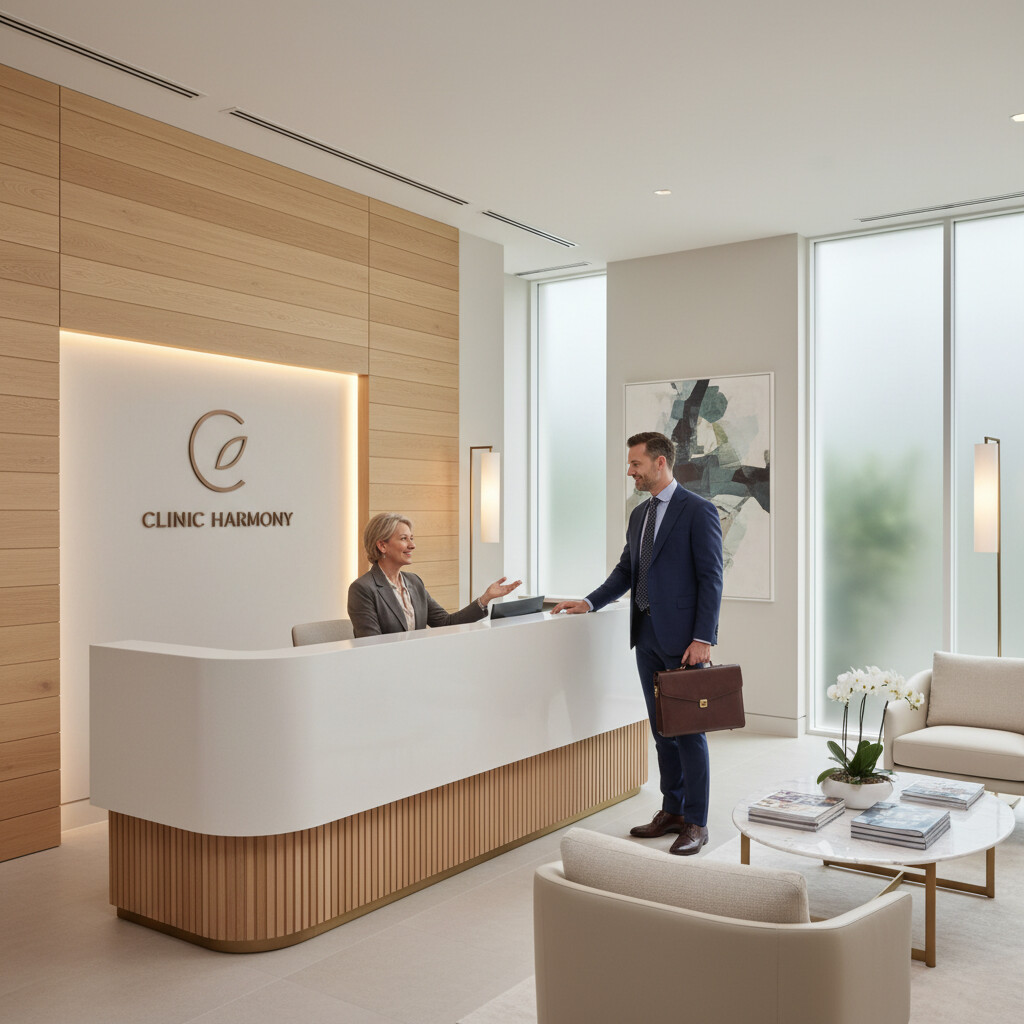
During your initial consultation, a specialist will assess your specific hair loss pattern, the quality and density of your donor hair, and your overall health. This is also your opportunity to discuss your goals, concerns, and any questions you may have. Open and honest communication is key. The specialist will explain the most suitable techniques for your situation and provide a realistic projection of what can be achieved.
Developing a Personalized Treatment Plan
Based on the consultation, a detailed plan is developed. This plan outlines the number of grafts needed, the proposed hairline design, and the overall strategy for achieving the most natural and densest possible result. A well-defined plan considers not only the immediate outcome but also the long-term progression of your hair loss and the availability of donor hair. This ensures that the restoration is sustainable and looks natural as you continue to age.
The Hair Restoration Process: Focus on Natural Aesthetics
Modern hair restoration techniques emphasize a delicate and artistic approach to hair placement. The focus is on creating a hairline that is indistinguishable from naturally occurring hairlines, taking into account age, facial structure, and existing hair patterns.

Hairline Design: Artistry and Precision
The hairline is the frame of the face, and its restoration requires a keen aesthetic sense. Specialists aim to recreate the natural undulation, density variations, and subtle imperfections that characterize a youthful, natural hairline. This involves carefully considering the angle, direction, and distribution of each transplanted follicle to ensure a seamless integration with existing hair.
Graft Placement for Density and Naturalness
Each hair follicle, or graft, is placed with extreme care. The direction and angle of the hair are critical for achieving a natural appearance. Specialists use their expertise to mimic the natural growth patterns, ensuring that the transplanted hair flows harmoniously with the surrounding hair. The aim is to achieve a result that is not only dense but also looks and feels completely natural.
Practical Considerations for Patients
Understanding the practical aspects of hair restoration can help alleviate anxiety and ensure a smoother experience. This includes timelines, comfort, and what to expect during the recovery period.
Timelines and Visible Results
It’s important to understand that hair restoration is a process that unfolds over time. While the procedure itself takes a specific amount of time, the visible results are gradual. Initially, transplanted hairs may shed, which is a normal part of the process. New growth typically begins to appear within a few months, with significant results becoming evident over 12-18 months. Patience is a key component of a successful hair restoration journey.
Comfort and Expectations
Modern hair restoration procedures are designed with patient comfort in mind. While individual experiences vary, the process is generally well-tolerated. Setting realistic expectations is crucial. Hair restoration can significantly improve appearance and confidence, but it is not about achieving an unattainable level of density. The focus is on a natural, age-appropriate, and sustainable outcome.

Post-Treatment Care for Long-Term Success
Adhering to post-treatment care guidelines is vital for optimizing the results of your hair restoration. This typically involves following specific instructions regarding scalp hygiene, physical activity, and the use of any recommended products. Your specialist will provide a detailed post-care plan tailored to your procedure. Consistent care helps ensure the longevity and health of your transplanted hair.
Common Questions About Hair Restoration
Q1: How long does the hair restoration process typically take from start to finish?
A: The initial procedure itself can range from a few hours to a full day, depending on the extent of the treatment. However, the full results, meaning when you see the final density and natural appearance, typically take 12 to 18 months to develop as the transplanted hair grows.
Q2: Will the transplanted hair look natural?
A: Yes, when performed by an experienced specialist using modern techniques, transplanted hair looks entirely natural. The artistry lies in recreating the original hairline’s density, angle, and direction, making it indistinguishable from your natural hair.
Q3: Is there any downtime associated with hair restoration?
A: While there isn’t typically significant medical downtime, most individuals take a few days to a week off work or social activities to allow for initial healing and to minimize any visible signs of the procedure. Your specialist will provide specific guidance on rest and activity levels.
Q4: Can I continue my normal activities after the recovery period?
A: Absolutely. Once the initial healing phase is complete and you’ve followed your specialist’s post-care instructions, you can resume most normal activities, including exercise and styling your hair, as usual.
Discussion Section
Hair restoration is a personal journey, and sharing experiences can be incredibly valuable for those considering or undergoing treatment. We encourage you to share your insights and learn from others.
- What factors were most important to you when selecting a hair restoration specialist or clinic?
- How have you managed your expectations throughout the hair growth timeline following your procedure?
- For those who have undergone treatment, what was one piece of advice you would give to someone just starting their research?
Medical Disclaimer
This guide provides general information about hair restoration and should not be considered medical advice. The results and experiences of hair restoration can vary significantly from person to person. It is essential to consult with a qualified medical professional to discuss your individual needs, assess your candidacy for treatment, and understand the potential risks and benefits specific to your situation. Any decisions regarding medical treatment should be made in consultation with a healthcare provider.