
A hair transplant can be a life-changing procedure, restoring not just your hair but also your confidence. However, the success of your transplant doesn’t end when you leave the clinic. The crucial period following the surgery is vital for ensuring optimal healing and the best possible results. Proper post-hair transplant care is paramount. This guide will walk you through what to expect and how to care for your newly transplanted hair.
What to Expect Immediately After Your Hair Transplant
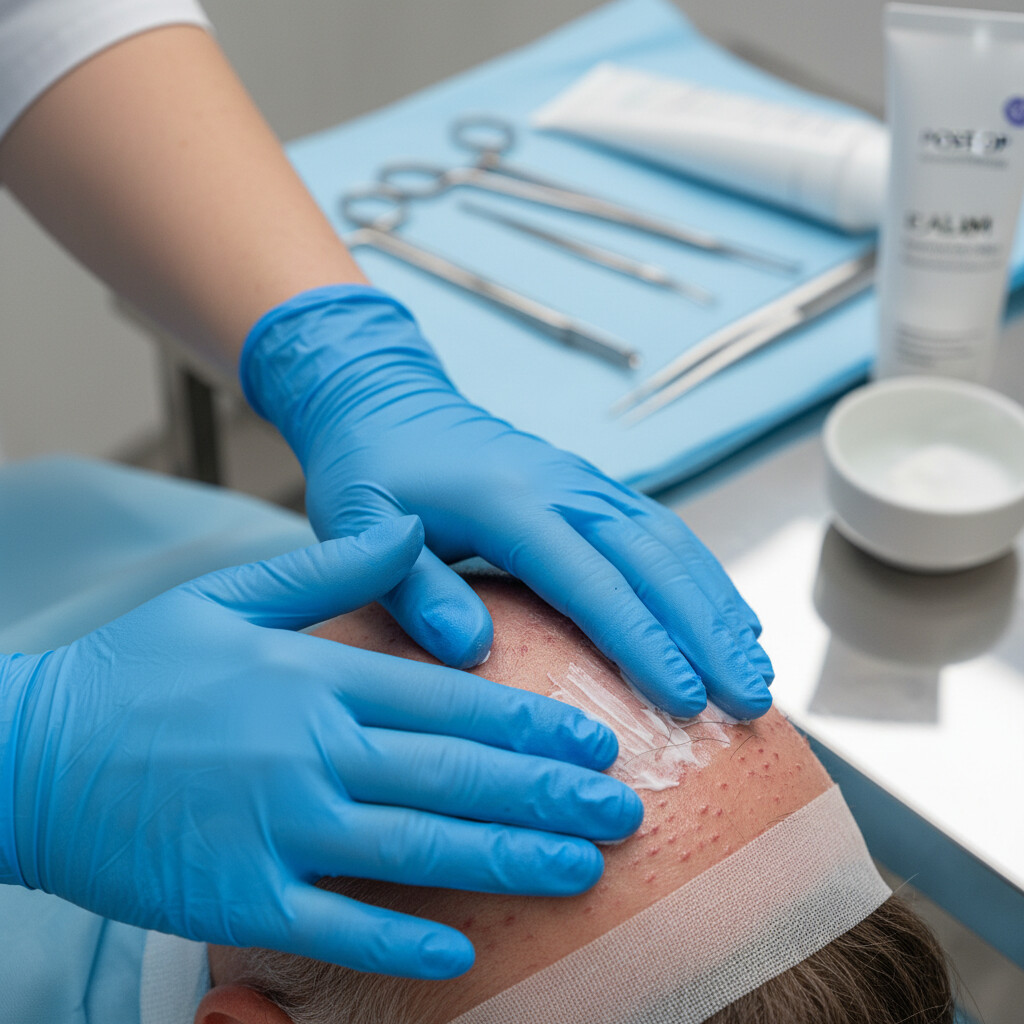
In the first few days after your procedure, you’ll likely experience some redness, swelling, and minor discomfort in both the donor and recipient areas. This is entirely normal. You might also notice small scabs forming around the transplanted grafts. The clinic will provide you with specific instructions, often including prescribed medications for pain and swelling, and special shampoos or solutions to aid healing.
The First Week: Gentle Handling is Key
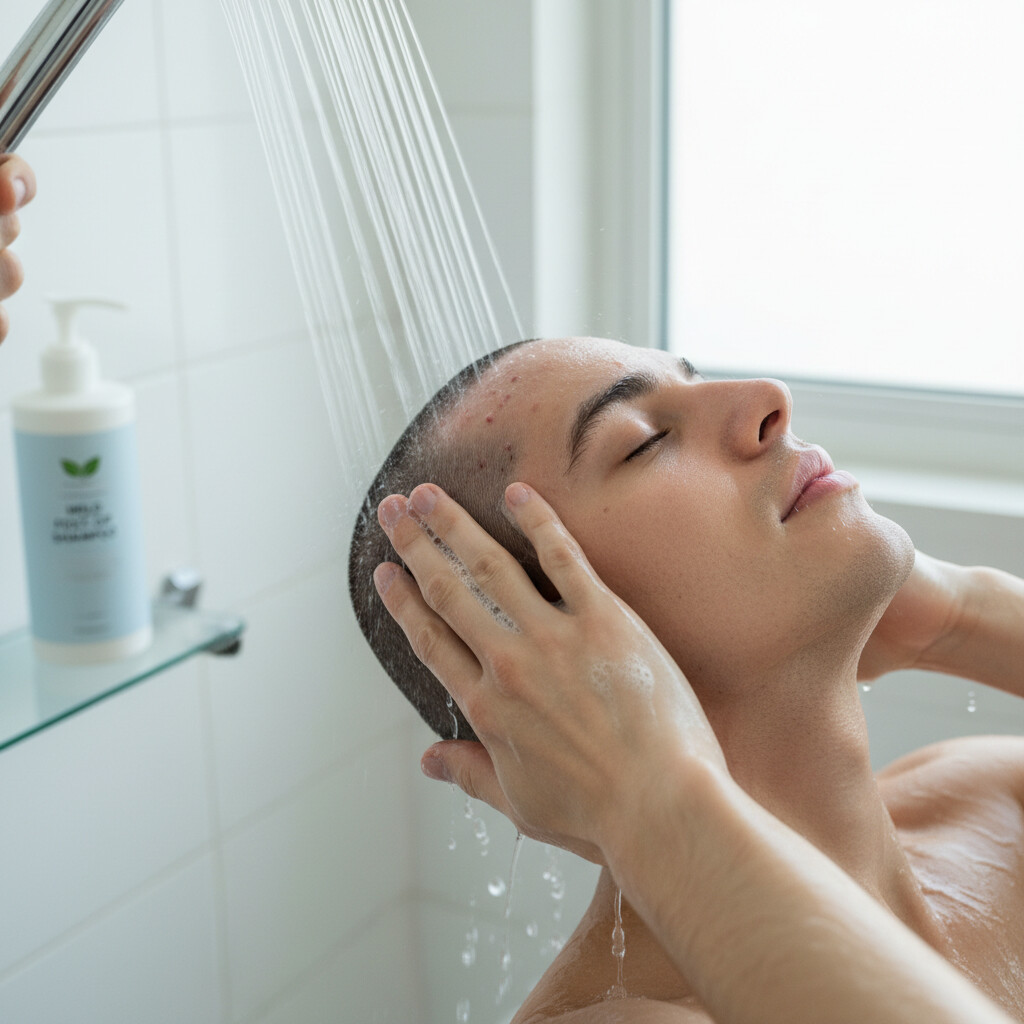
This is a critical phase for protecting your delicate grafts. Avoid touching or scratching the transplanted area. Sleeping with your head slightly elevated can help reduce swelling. When washing your hair, use only the recommended mild shampoo and follow the gentle washing technique advised by your surgeon. This usually involves patting the area dry with a soft towel instead of rubbing. Direct sunlight, strenuous exercise, and wearing hats or helmets should be avoided during this period.
Weeks 2-4: The Shedding Phase
Around the second to fourth week, you’ll likely notice that the transplanted hairs begin to fall out. This is a normal and expected part of the process, often referred to as ‘shock loss.’ The hair follicles themselves remain intact and are preparing to enter the growth phase. It can be concerning to see the hair shed, but rest assured, this is a sign that the procedure is progressing as it should. Continue with your gentle hair washing routine and avoid any harsh treatments.
Month 1-3: The Beginning of Regrowth
Between the first and third month, you’ll start to see new hair growth emerging from the scalp. These new hairs will be thin and fine initially but will gradually thicken over time. Patience is key during this stage. While the initial regrowth might seem slow, it’s a continuous process. Continue to follow your surgeon’s recommendations for hair care.
Avoid chemical treatments like perms or dyes until your surgeon gives the okay, as these can damage the delicate new growth.
Month 3-6: Noticeable Thickening
As you move into the second half of the first year, the transplanted hair will become noticeably thicker and denser. The results will start to look more natural and substantial. Continue with a healthy hair care routine, using mild products and avoiding excessive heat styling. You can gradually reintroduce more vigorous activities, but always listen to your body and consult your surgeon if you have any concerns.
Month 6-12: Approaching Final Results
By the six to twelve-month mark, the majority of your hair transplant results will be visible. The transplanted hairs will have thickened considerably, and the density will be much improved. You’ll likely be very pleased with the overall outcome. Some minor changes might continue to occur even up to 18 months post-transplant as the final hairs reach their full thickness and maturity.
Long-Term Hair Care After Transplant
Once your transplant has fully matured, you can generally return to your normal hair care routine. However, adopting healthy long-term habits will help maintain your results and the health of your remaining natural hair:
- Gentle Washing: Continue to use mild shampoos and conditioners. Avoid harsh chemicals and excessive heat.
- Healthy Diet: A balanced diet rich in vitamins and minerals supports hair health. Ensure you’re getting enough protein, iron, zinc, and biotin.
- Scalp Health: Keep your scalp clean and moisturized. Regular gentle massage can improve circulation.
- Sun Protection: Protect your scalp from prolonged sun exposure, as this can damage hair follicles.
- Avoid Smoking: Smoking can negatively impact circulation and hinder healing and hair growth.
- Stay Hydrated: Drinking plenty of water is essential for overall health, including hair health.
- Regular Check-ups: Attend follow-up appointments with your surgeon to monitor progress and address any concerns.
Potential Complications and When to Seek Help
While hair transplants are generally safe, like any surgical procedure, there are potential risks. These can include infection, excessive bleeding, scarring, and unnatural-looking results. It’s crucial to be aware of the signs of complications. Seek immediate medical attention if you experience:
- Severe, persistent pain
- Excessive swelling that spreads beyond the surgical area
- Signs of infection, such as increased redness, warmth, pus, or fever
- Bleeding that does not stop with gentle pressure
Your surgeon will provide you with detailed post-operative instructions and contact information for emergencies. Never hesitate to reach out if you have any doubts or concerns about your recovery.
Conclusion
Post-hair transplant care is an integral part of achieving a successful and natural-looking result. By diligently following your surgeon’s instructions, being patient during the recovery and regrowth phases, and adopting healthy long-term hair care habits, you can maximize the benefits of your investment and enjoy a fuller head of hair for years to come. Remember, your commitment to post-operative care plays a significant role in the ultimate success of your hair transplant journey.