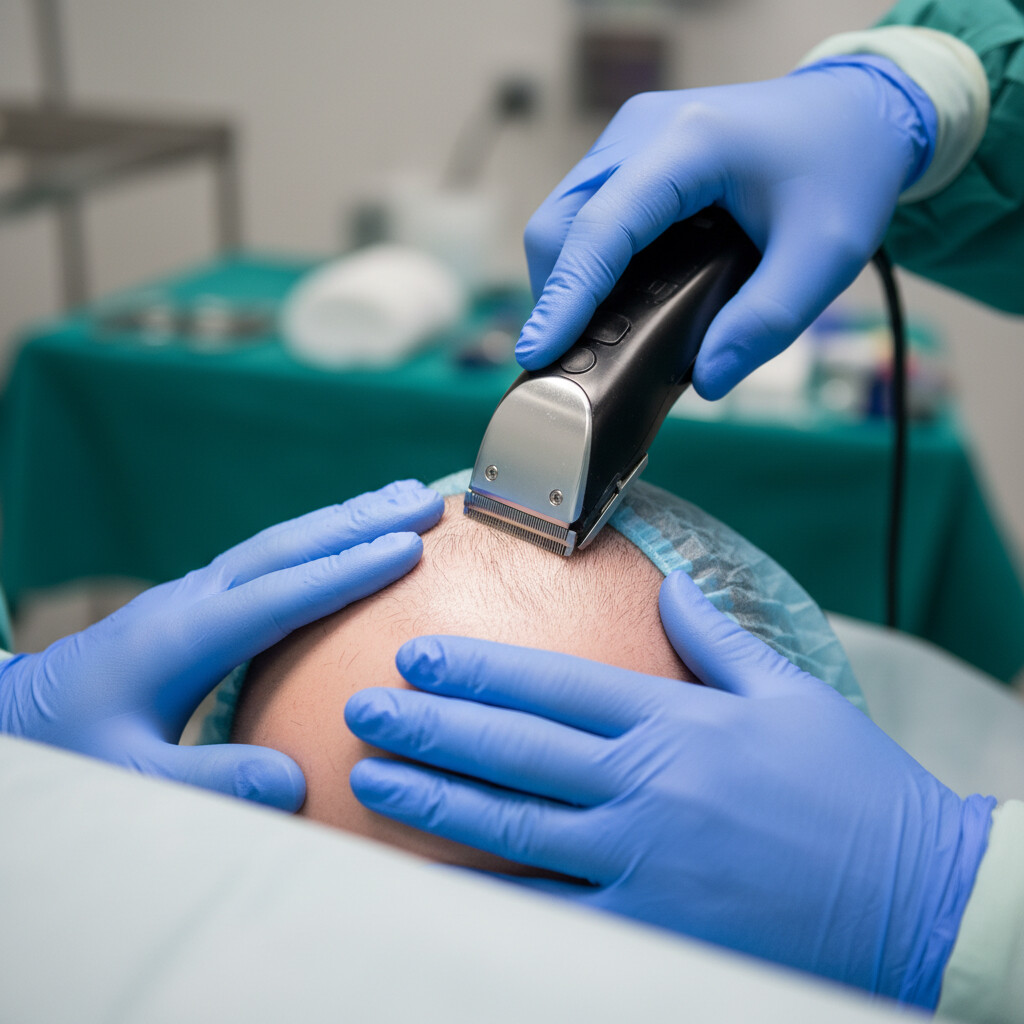
A hair transplant is a significant procedure aimed at restoring hair in areas where thinning or balding has occurred. While the focus is often on the recipient area where new hair will be implanted, the preparation of the donor area is equally crucial for a successful outcome. The donor area, typically located at the back or sides of the head, is where hair follicles are harvested. A key step in this preparation is shaving the donor area. This might seem like a daunting prospect for many, especially if they have longer hair. However, understanding the reasons behind this requirement can alleviate concerns and highlight its importance.
Key Checklist for Understanding Donor Area Shaving:
- Visibility and Access: Why is a clear view of the donor area essential?
- Follicle Extraction Precision: How does shaving aid in the accurate removal of grafts?
- Minimizing Trauma: How does shaving reduce potential damage to follicles and surrounding skin?
- Post-Operative Care: What are the benefits of a shaved donor area for healing and follow-up?
- Aesthetic Considerations: How does it impact the overall surgical process and results?
Enhanced Visibility and Access for the Surgical Team
The primary reason for shaving the donor area is to provide the surgical team with optimal visibility and access. Hair, especially if it’s long or dense, can obscure the scalp and make it difficult for surgeons and technicians to identify individual hair follicles.
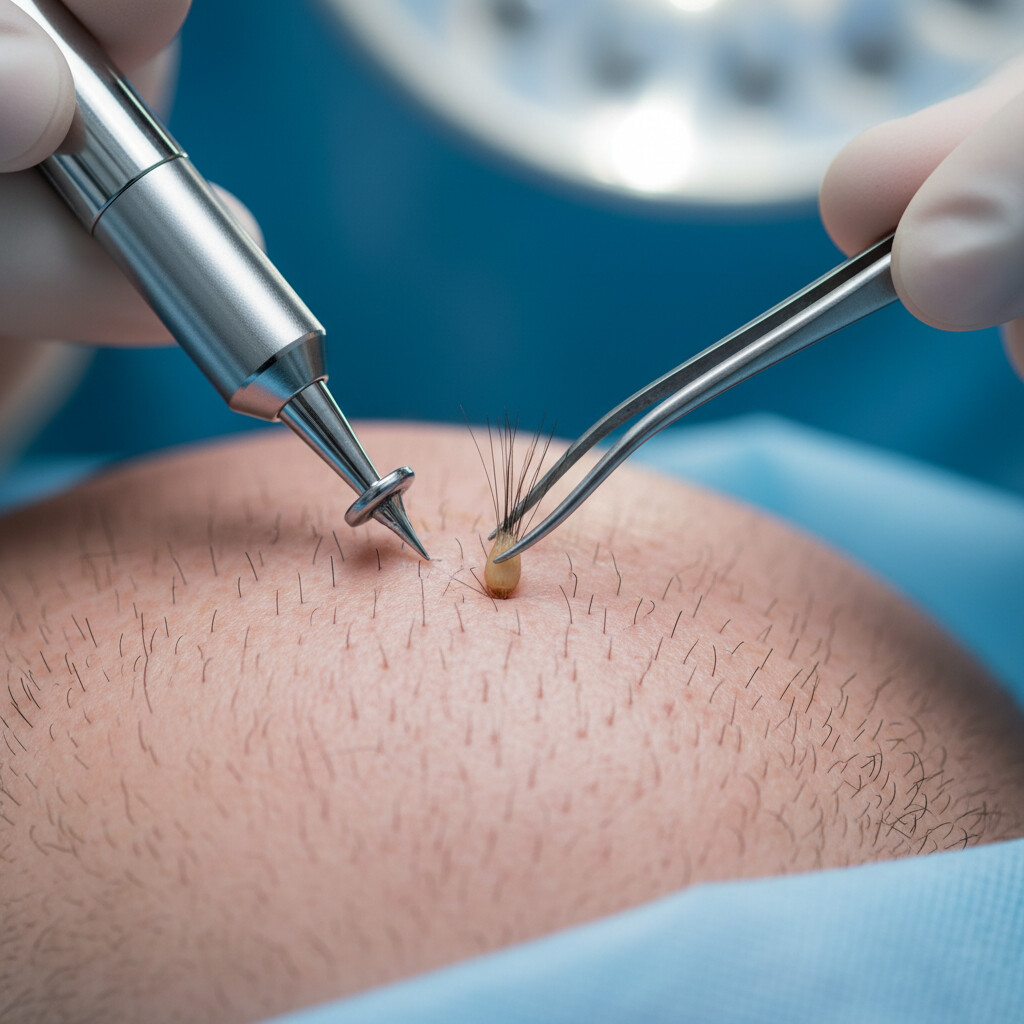
- Precise Identification of Follicles: Each hair follicle needs to be carefully extracted. Without a clear view, it becomes challenging to accurately locate and isolate each follicle, increasing the risk of damaging surrounding follicles or the scalp itself.
- Efficient Graft Harvesting: A shaved area allows the surgical instruments, whether manual or automated (like in FUE - Follicular Unit Extraction), to work efficiently and precisely. This speeds up the harvesting process without compromising accuracy.
- Reduced Risk of Error: When the surgeon and their team can clearly see what they are doing, the likelihood of errors, such as harvesting damaged follicles or leaving healthy ones behind, is significantly reduced.
Precision in Follicle Extraction (FUE and FUT)
Whether you are undergoing Follicular Unit Transplantation (FUT, strip method) or Follicular Unit Extraction (FUE), shaving the donor area is a standard procedure.
- FUE: In FUE, individual follicular units are extracted one by one using a micro-punch tool. Shaving the donor area to a very short length (often a buzz cut or even completely shaved) is absolutely essential. This allows the surgeon to easily see the direction of hair growth and the exact position of each follicular unit, ensuring clean extraction with minimal trauma to the surrounding follicles.
Without shaving, it would be nearly impossible to perform this meticulous process effectively. - FUT: While FUT involves removing a strip of scalp, shaving the entire donor area still offers significant advantages. It allows for precise line markings, accurate assessment of the strip’s dimensions, and efficient closure of the donor site. Even if the intention is to keep the hair longer to cover the scar later, the strip area itself is often shaved or closely trimmed for the procedure.
Minimizing Trauma and Protecting Follicles
Shaving the donor area isn’t just about visibility; it also plays a role in minimizing trauma to the hair follicles and the scalp.
- Gentle Extraction: When the hair is very short, the micro-punch tool used in FUE can access the follicular unit directly and cleanly, without being hindered by longer hairs. This reduces the need for excessive force or manipulation, which could damage the delicate follicular structure.
- Reduced Risk of Infection: A clean-shaven scalp is easier to sterilize before and during the procedure. This significantly lowers the risk of infection in the donor area, which is crucial for proper healing.
- Preservation of Surrounding Follicles: Longer hairs can inadvertently be pulled or damaged during the extraction process if the area isn’t shaved. Shaving ensures that only the targeted follicles are manipulated, preserving the health and integrity of the surrounding hair roots.
Facilitating Post-Operative Care and Healing
The benefits of a shaved donor area extend well beyond the surgical procedure itself, playing a vital role in the recovery process.
- Easier Cleaning and Dressing: After the surgery, the donor area needs to be kept clean to prevent infection and promote healing. A shaved scalp makes it much easier for patients and medical staff to gently clean the area and apply any necessary dressings or topical medications.
- Monitoring for Complications: A clear view of the donor site allows for easy monitoring of the healing process and the early detection of any potential complications, such as excessive redness, swelling, or signs of infection.
- Reduced Discomfort: While hair starts to grow back relatively quickly, having the area shaved can sometimes reduce discomfort associated with initial healing, such as irritation from ingrown hairs.
- Optimal Environment for Regrowth: By ensuring a clean and minimally traumatized site, shaving creates an optimal environment for the newly implanted grafts in the recipient area and for the natural regrowth of hair in the donor area.
Addressing Aesthetic Concerns and Long-Term Results
It’s natural to be concerned about the appearance of a shaved head, especially if you are accustomed to wearing your hair longer. However, it’s important to consider the temporary nature of this phase and the long-term benefits.
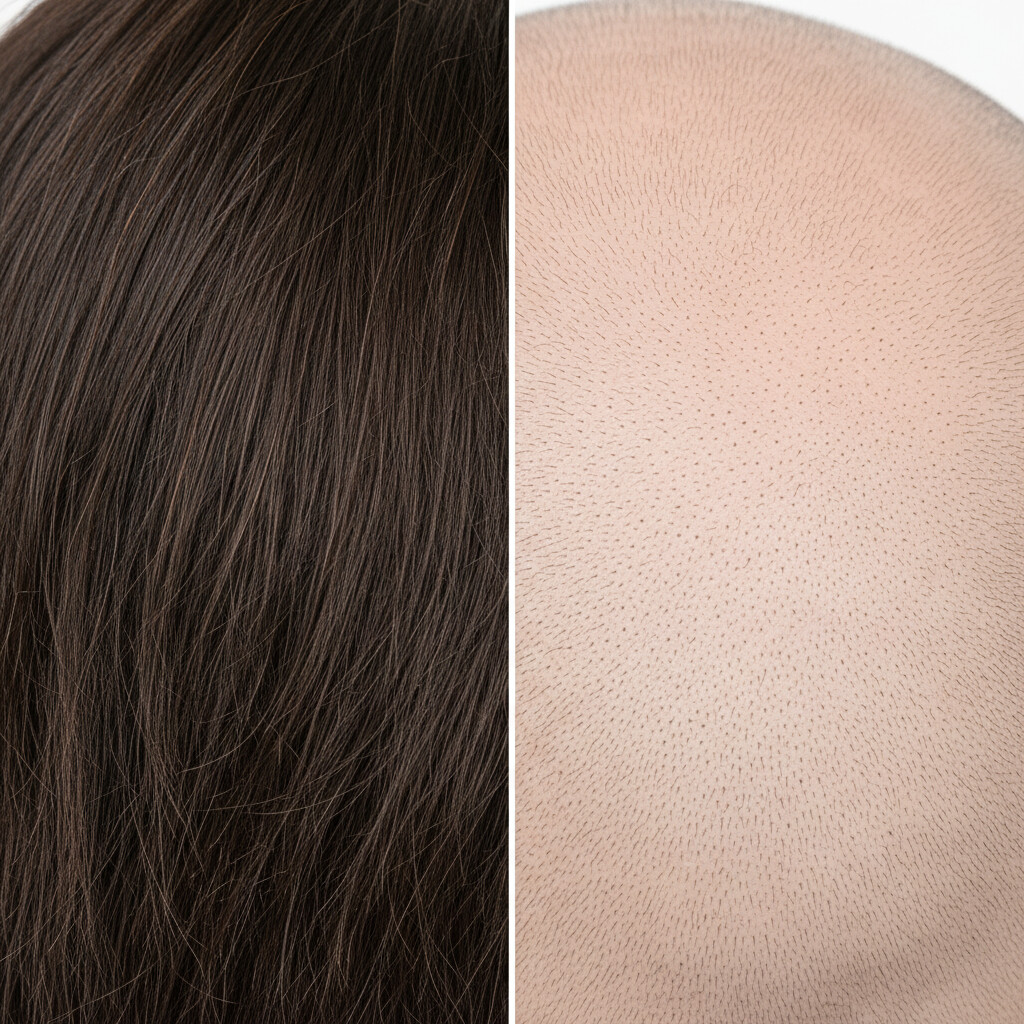
- Temporary Change: The hair in the donor area grows back relatively quickly, often within a few weeks to a couple of months. For most individuals, the original hair length is restored within 6-12 months.
- Camouflaging the Donor Area: If you are concerned about the appearance of a shaved donor area, many clinics offer options. For FUT, longer hair can be grown to cover the linear scar. For FUE, the donor area can be shaved in a way that allows adjacent longer hair to fall over it, providing immediate camouflage. Discussing your concerns with your surgeon beforehand is essential.
- Focus on the Outcome: Ultimately, the goal is to achieve a natural-looking and dense head of hair. The temporary inconvenience of shaving the donor area is a small price to pay for the significant improvement in your appearance and confidence that a successful hair transplant can bring.

Conclusion
Shaving the back of the head for a hair transplant is not an arbitrary step; it is a critical requirement that directly impacts the safety, efficiency, and success of the procedure. It ensures precise follicle harvesting, minimizes trauma, facilitates healing, and ultimately contributes to the best possible aesthetic outcome. While the idea of shaving might raise concerns, understanding its purpose can provide reassurance. Always discuss any worries or preferences with your hair transplant surgeon, as they can explain the specific rationale for your individual case and guide you through the entire process, from preparation to recovery, ensuring you achieve the desired results with confidence.