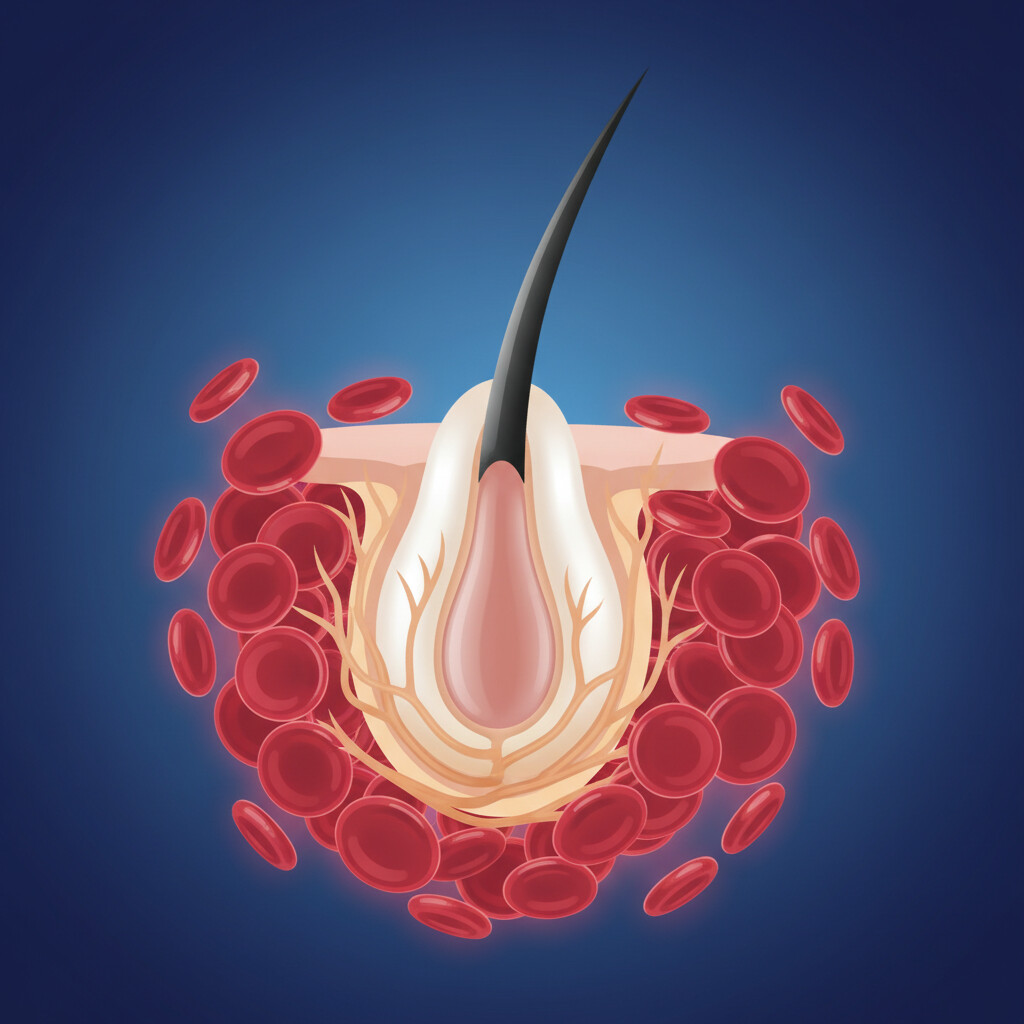
Platelet-Rich Plasma (PRP) therapy has emerged as a popular and effective non-surgical treatment for hair loss. It harnesses the body’s own growth factors to stimulate hair follicles and promote thicker, healthier hair. While PRP is generally safe and well-tolerated, it’s crucial to understand that not everyone is an ideal candidate. Certain factors can significantly impact the effectiveness and safety of PRP treatment, making some individuals less suitable for this procedure. This guide will delve into who might not be an ideal candidate for PRP, focusing specifically on the implications of smoking and the use of blood-thinning medications.
Key Considerations for PRP Suitability:
- Smoking Habits: How nicotine and other chemicals affect PRP results.
- Blood-Thinning Medications: The risks associated with certain medications and PRP.
- Underlying Medical Conditions: Specific health issues that contraindicate PRP.
- Active Scalp Infections: The importance of a healthy scalp for treatment.
- Realistic Expectations: Understanding what PRP can and cannot achieve.
The Impact of Smoking on PRP Treatment
Smoking is one of the most significant lifestyle factors that can negatively influence the outcomes of PRP therapy. Nicotine, the primary addictive compound in tobacco, has profound effects on the circulatory system. It causes vasoconstriction, which is the narrowing of blood vessels. This reduced blood flow to the scalp can be detrimental to hair follicles, which rely on a healthy supply of oxygen and nutrients delivered through the bloodstream.
During PRP treatment, the goal is to deliver concentrated growth factors to the hair follicles. If the blood vessels are constricted due to smoking, the delivery of these vital growth factors may be compromised. This means that even if the PRP is prepared correctly and injected, its ability to stimulate the follicles and promote hair growth might be significantly diminished.
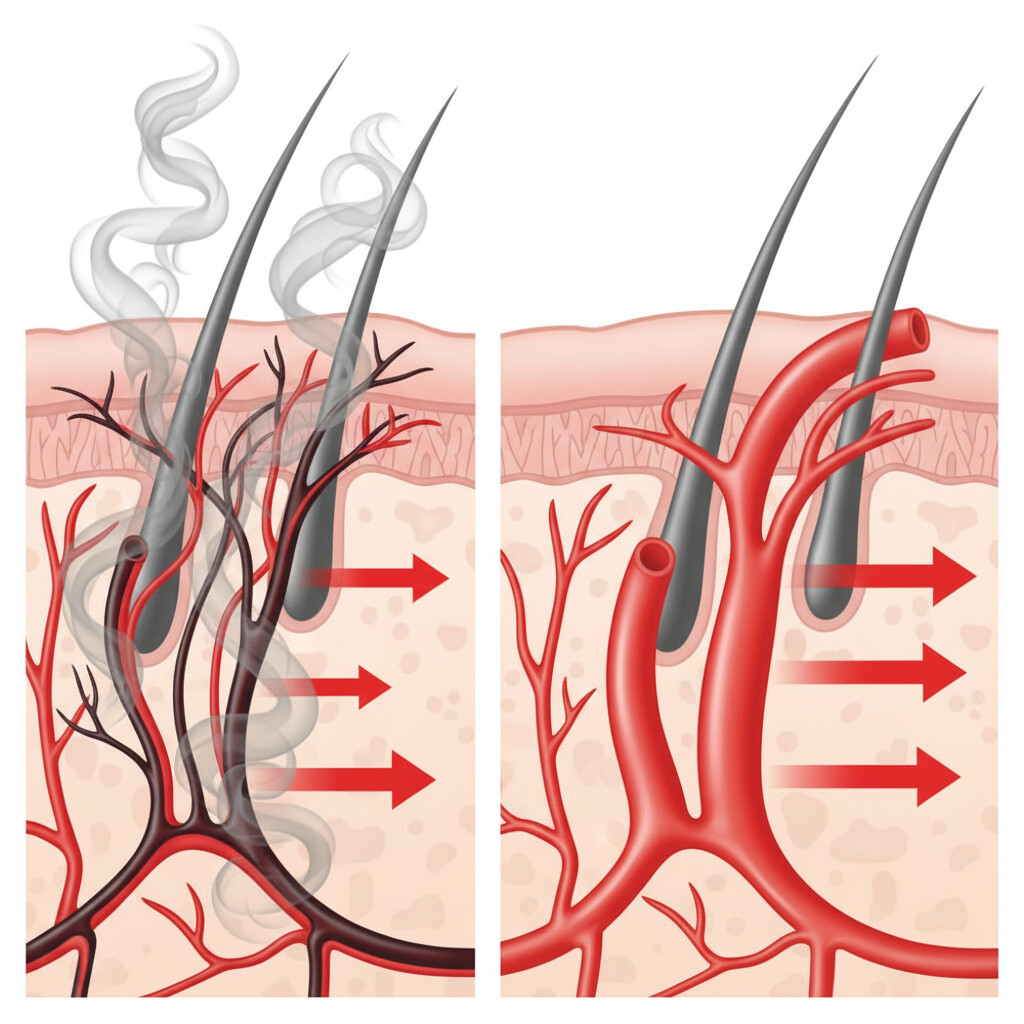
Furthermore, smoking introduces a host of other harmful chemicals into the body, such as carbon monoxide. Carbon monoxide reduces the oxygen-carrying capacity of the blood, further starving the hair follicles of essential oxygen. This can create an unfavorable environment for hair growth and regeneration, even with the introduction of growth factors from PRP.
Why Smokers May Not Be Ideal Candidates:
- Reduced Blood Flow: Nicotine constricts blood vessels, limiting nutrient and oxygen delivery to follicles.
- Impaired Healing: Smoking hinders the body’s natural healing processes, which are crucial for recovery after any procedure, including PRP injections.
- Lower Growth Factor Efficacy: The effectiveness of the injected growth factors may be reduced due to poor circulation.
- Increased Risk of Complications: While rare, compromised circulation can potentially increase the risk of minor complications.
For these reasons, healthcare providers often advise individuals who smoke heavily to quit or significantly reduce their smoking habit for several weeks or months before undergoing PRP treatment and throughout the course of treatment to maximize the chances of success. While occasional smokers might see better results than heavy smokers, the consensus is that avoiding nicotine altogether is the most beneficial approach.
Blood-Thinning Medications and PRP Suitability
Another crucial factor to consider is the use of blood-thinning medications, also known as anticoagulants or antiplatelet drugs. These medications are prescribed to prevent blood clots and are essential for individuals with certain cardiovascular conditions, such as atrial fibrillation, deep vein thrombosis, or those who have had a heart attack or stroke.
While essential for medical reasons, blood thinners can pose challenges for PRP treatment. The process of PRP involves drawing blood from the patient and then centrifuging it to concentrate the platelets. The subsequent step involves injecting this PRP into the scalp. When a patient is on blood thinners, the process of drawing blood and the subsequent injections can lead to increased bleeding and bruising at the injection sites.
Specific Medications to Discuss:
- Warfarin (Coumadin): An anticoagulant commonly prescribed for various clotting disorders.
- Heparin: Often used in hospital settings or for acute clot prevention.
- Aspirin: A common antiplatelet drug, often taken daily for cardiovascular health.
- Clopidogrel (Plavix): Another widely used antiplatelet medication.
- Direct Oral Anticoagulants (DOACs): Such as rivaroxaban (Xarelto) and apixaban (Eliquis).
The primary concern with blood thinners is the potential for excessive bleeding during and after the procedure. While PRP is minimally invasive, it does involve multiple small injections into the scalp. Patients on these medications may experience more significant bruising, swelling, and prolonged bleeding from these injection sites compared to individuals not on such medications.
In some cases, the increased bleeding risk might make PRP treatment less suitable or require special precautions. For instance, a physician might recommend temporarily adjusting the dosage of blood thinners under strict medical supervision before the procedure, or they may opt for alternative hair loss treatments if the bleeding risk is deemed too high. It is absolutely vital that patients disclose all medications they are taking, including over-the-counter drugs and supplements, to their healthcare provider before commencing PRP therapy. A thorough medical evaluation will help determine if the benefits of PRP outweigh the potential risks associated with the patient’s medication regimen.
Other Factors Affecting PRP Suitability
Beyond smoking and blood thinners, several other factors can influence whether PRP is the right choice for an individual:
- Underlying Medical Conditions: Certain autoimmune diseases, active infections, or severe metabolic disorders can affect the body’s healing response and the efficacy of PRP. For example, individuals with active cancer or undergoing chemotherapy are generally not candidates.
- Scalp Health: An active scalp infection, such as a fungal infection or severe dermatitis, needs to be treated before PRP can be safely administered. A healthy scalp environment is crucial for optimal results.
- Anemia: Severe anemia can impact the concentration of platelets in the blood, potentially reducing the effectiveness of PRP. Blood work is usually done to assess this.
- Platelet Count Disorders: Conditions that affect platelet function or count will naturally make PRP less effective.
- Pregnancy and Breastfeeding: While not strictly a contraindication, PRP is often postponed for pregnant or breastfeeding individuals due to a lack of extensive research in these populations.
Realistic Expectations
Finally, it’s essential for potential candidates to have realistic expectations about PRP therapy. While PRP can significantly improve hair density and thickness for many, it is not a magic bullet. It works best for individuals experiencing androgenetic alopecia (pattern baldness) in its earlier to moderate stages. It is less effective for advanced hair loss where follicles are completely dormant or have been absent for a long time. A thorough consultation with a qualified medical professional is necessary to assess individual suitability, discuss potential outcomes, and set realistic goals.
In conclusion, while PRP therapy offers a promising solution for many seeking to combat hair loss, it’s not universally suitable. Smokers face challenges due to impaired circulation, and individuals on blood-thinning medications must carefully weigh the risks of increased bleeding. A comprehensive medical evaluation, honest disclosure of lifestyle habits and medications, and realistic expectations are paramount to determining if PRP is the right path forward for your hair restoration journey.