Considering a hair transplant is a significant decision, and naturally, you’re looking for ways to maximize the success of the procedure and achieve the best possible results. One innovative and increasingly popular adjunctive therapy that’s gaining traction is Platelet-Rich Plasma (PRP) treatment. Often used in conjunction with hair transplantation, PRP therapy aims to harness the body’s own healing power to stimulate hair follicles, promote healthier hair growth, and potentially improve the survival rate of transplanted grafts. This guide will delve into what PRP treatment entails, how it works in the context of hair transplantation, its benefits, the procedure itself, and what to expect during recovery.
What is PRP Treatment?
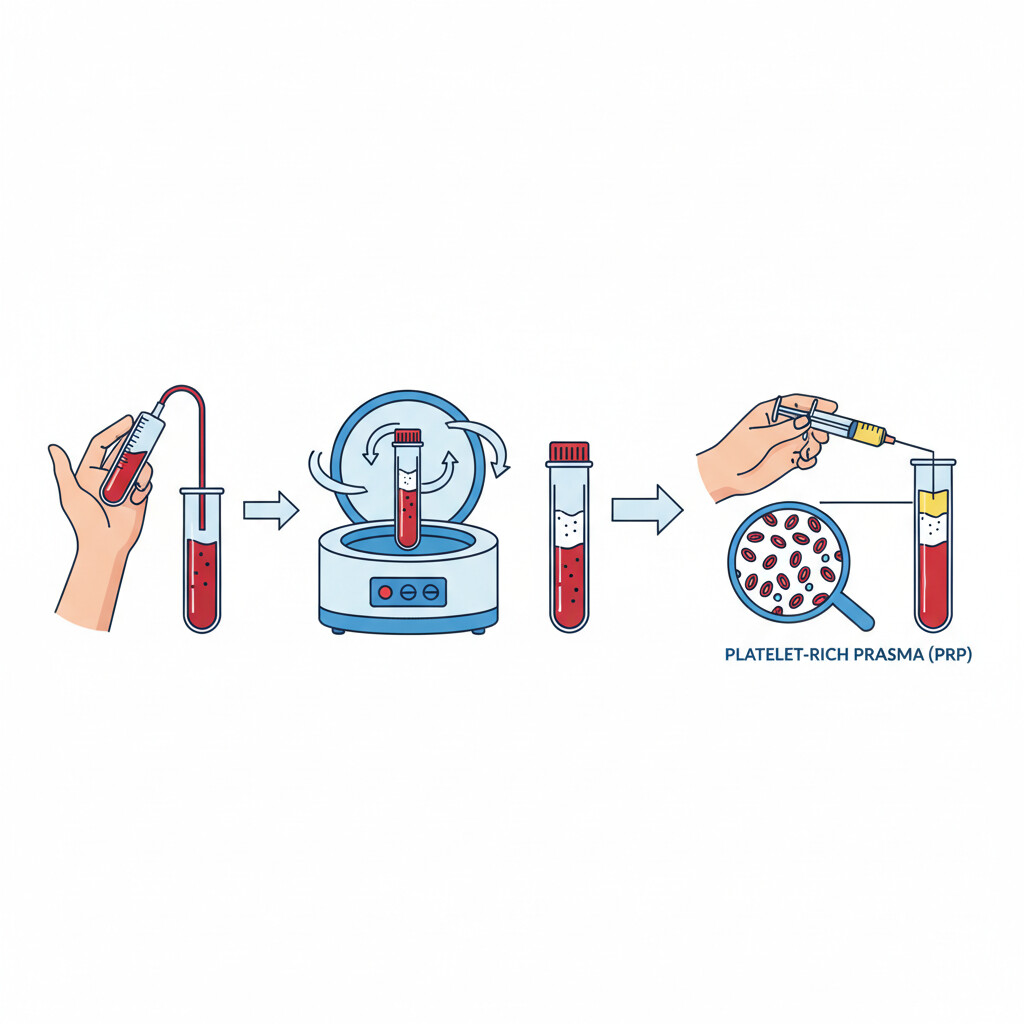
PRP stands for Platelet-Rich Plasma. Platelets are a component of your blood that play a crucial role in wound healing and tissue regeneration. They contain a high concentration of growth factors – proteins that signal cells to repair and regenerate. In PRP therapy, a small amount of your blood is drawn (similar to a standard blood test), and then processed in a centrifuge. This spinning process separates the blood components, concentrating the platelets into a plasma solution that has a much higher concentration of growth factors than typically found in blood.
How Does PRP Work for Hair Transplants?
When it comes to hair transplantation, the primary goal is to successfully move healthy, DHT-resistant hair follicles from a donor area to the thinning or balding areas of the scalp. While the surgical technique is vital, the environment in which these grafts are placed significantly impacts their survival and subsequent growth. This is where PRP comes in.
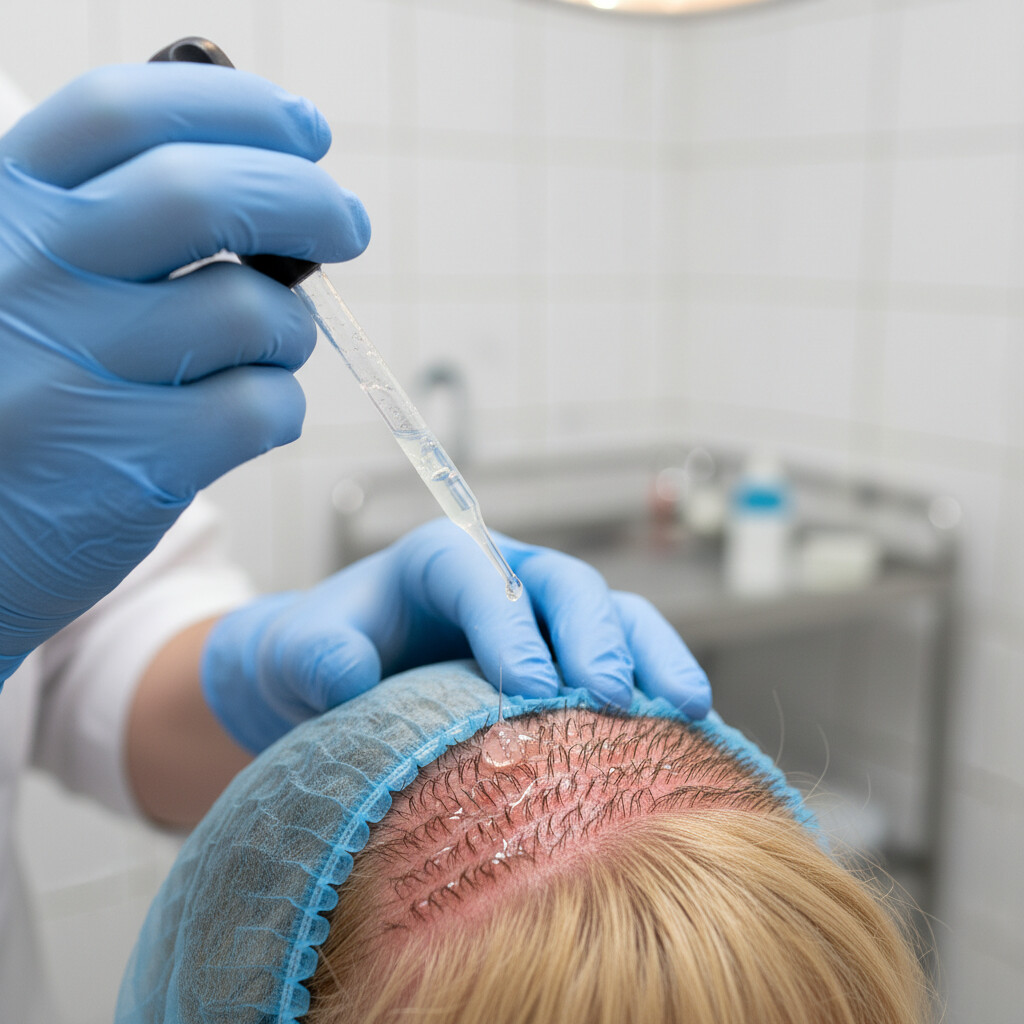
PRP is applied to the recipient scalp area, both during and after the hair transplant surgery. The concentrated growth factors in the PRP are believed to stimulate the dormant hair follicles, encouraging them to enter the growth phase (anagen). They can also help to improve blood circulation to the scalp, delivering essential nutrients and oxygen to the newly transplanted grafts and existing hair follicles. Furthermore, PRP may reduce inflammation and promote faster healing of the micro-incisions made during the procedure.
The Science Behind PRP and Hair Growth
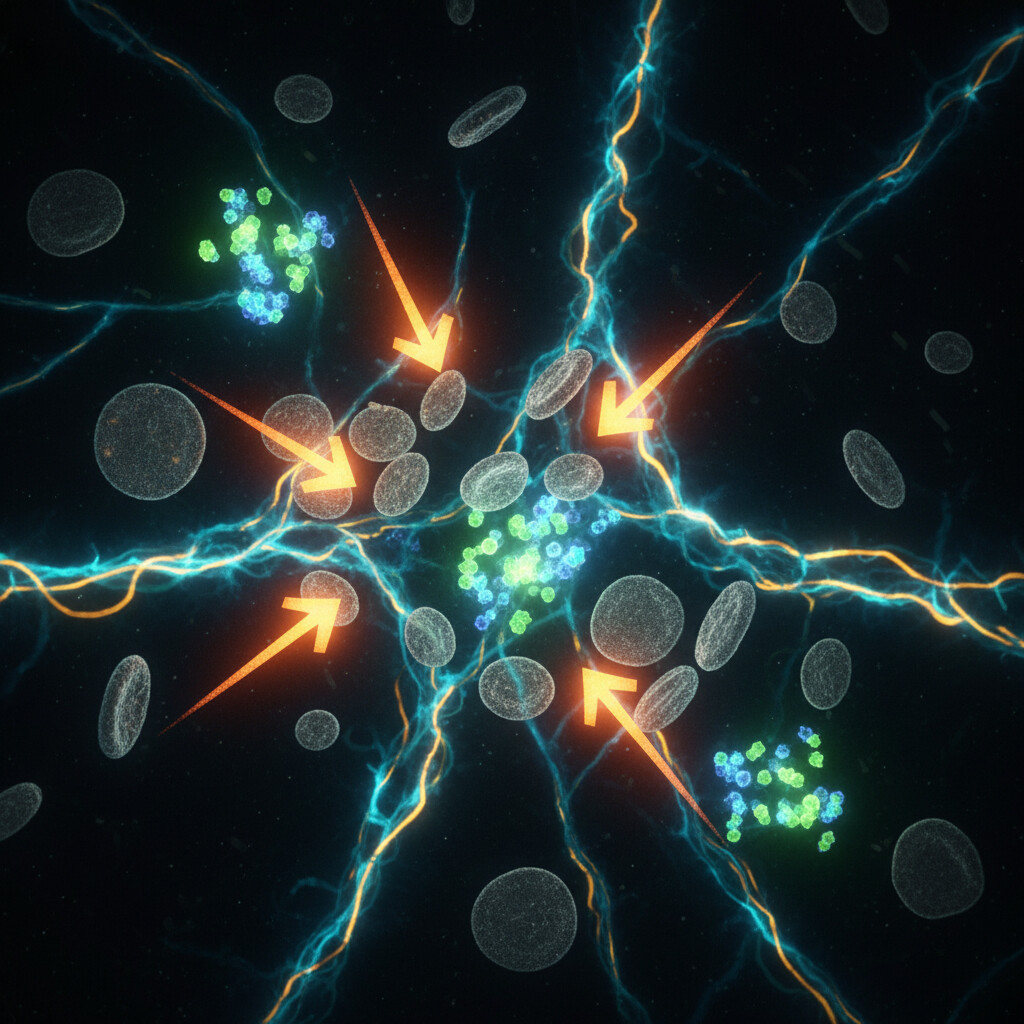
The effectiveness of PRP stems from its rich cocktail of growth factors. Key growth factors include:
- Platelet-Derived Growth Factor (PDGF): Stimulates cell division and the formation of new blood vessels.
- Transforming Growth Factor-Beta (TGF-B): Promotes cell growth and differentiation, playing a role in follicle development.
- Epidermal Growth Factor (EGF): Encourages cell growth and proliferation, important for tissue repair.
- Vascular Endothelial Growth Factor (VEGF): Crucial for stimulating the formation of new blood vessels, which improves blood supply to the follicles.
By delivering these growth factors directly to the scalp and hair follicles, PRP creates an optimal environment for graft survival and encourages the natural hair growth cycle.
Benefits of PRP Treatment in Hair Transplantation
Incorporating PRP therapy into your hair transplant journey can offer several advantages:
- Enhanced Graft Survival: The increased blood supply and nutrient delivery facilitated by PRP can significantly improve the chances of transplanted follicles successfully integrating into the scalp and surviving.
- Stimulated Hair Growth: The growth factors can awaken dormant follicles and encourage existing thinning hairs to thicken and grow stronger, leading to a more robust and natural-looking result.
- Faster Healing: PRP’s regenerative properties can accelerate the healing process of the micro-incisions made during the transplant, reducing downtime and discomfort.
- Reduced Inflammation: The anti-inflammatory properties of PRP can help minimize post-operative swelling and redness.
- Natural and Safe Procedure: Since PRP is derived from your own blood, the risk of allergic reactions or rejection is virtually non-existent. It’s a minimally invasive procedure.
- Suitable for Various Types of Hair Loss: While commonly used with transplants, PRP can also be beneficial as a standalone treatment for certain types of alopecia, including androgenetic alopecia (male and female pattern baldness).
The PRP Procedure
The PRP treatment for hair transplantation is typically straightforward and can often be performed in the same clinic where you have your transplant.
- Blood Draw: A small amount of blood (usually 20-60 ml) is drawn from your arm, similar to a routine blood test.
- Centrifugation: The blood is placed in a centrifuge, a machine that spins at high speeds. This separates the blood into its components: red blood cells, white blood cells, plasma, and platelets. The process concentrates the platelets and growth factors in a specific layer of the plasma.
- Extraction: The PRP, now rich in platelets and growth factors, is carefully extracted from the centrifuge tube.
- Application: The PRP is then applied to the scalp. This can be done in several ways:
- Topical Application: It can be massaged into the scalp after the hair transplant procedure.
- Microneedling: A device with tiny needles creates micro-channels in the scalp, allowing the PRP to penetrate more effectively.
- Direct Injection: The PRP can be injected directly into the recipient area, targeting the transplanted grafts and surrounding scalp tissue.
What to Expect During and After Treatment
The procedure itself is generally well-tolerated. You might feel a slight prick from the needle during the blood draw and potentially some minor discomfort during injections or microneedling, but anesthesia is usually not required for the PRP application itself.
After the procedure, you can expect some mild redness or swelling in the treated area, which typically subsides within a day or two. You’ll be given specific aftercare instructions by your surgeon, which may include avoiding strenuous activity and certain hair products for a short period.
Most patients require a series of PRP treatments to achieve optimal results, often spaced a few weeks apart. For hair transplant patients, the initial PRP sessions are usually performed immediately after surgery and then followed by a maintenance schedule as recommended by the clinic.
Is PRP Right for You?
PRP therapy is an excellent option for individuals undergoing hair transplantation who want to enhance the results and ensure the best possible outcome. It’s particularly beneficial for those with thinner donor hair, significant hair loss, or a history of poor healing. However, like any medical procedure, it’s essential to consult with a qualified hair transplant surgeon to determine if PRP is suitable for your specific condition and goals. They will assess your hair loss pattern, overall health, and expectations to create a personalized treatment plan.
In conclusion, PRP treatment is a powerful, natural, and safe complementary therapy that can significantly boost the success of your hair transplant by promoting graft survival, stimulating hair growth, and accelerating healing. By understanding the process and its benefits, you can make a more informed decision about incorporating this advanced treatment into your hair restoration journey.