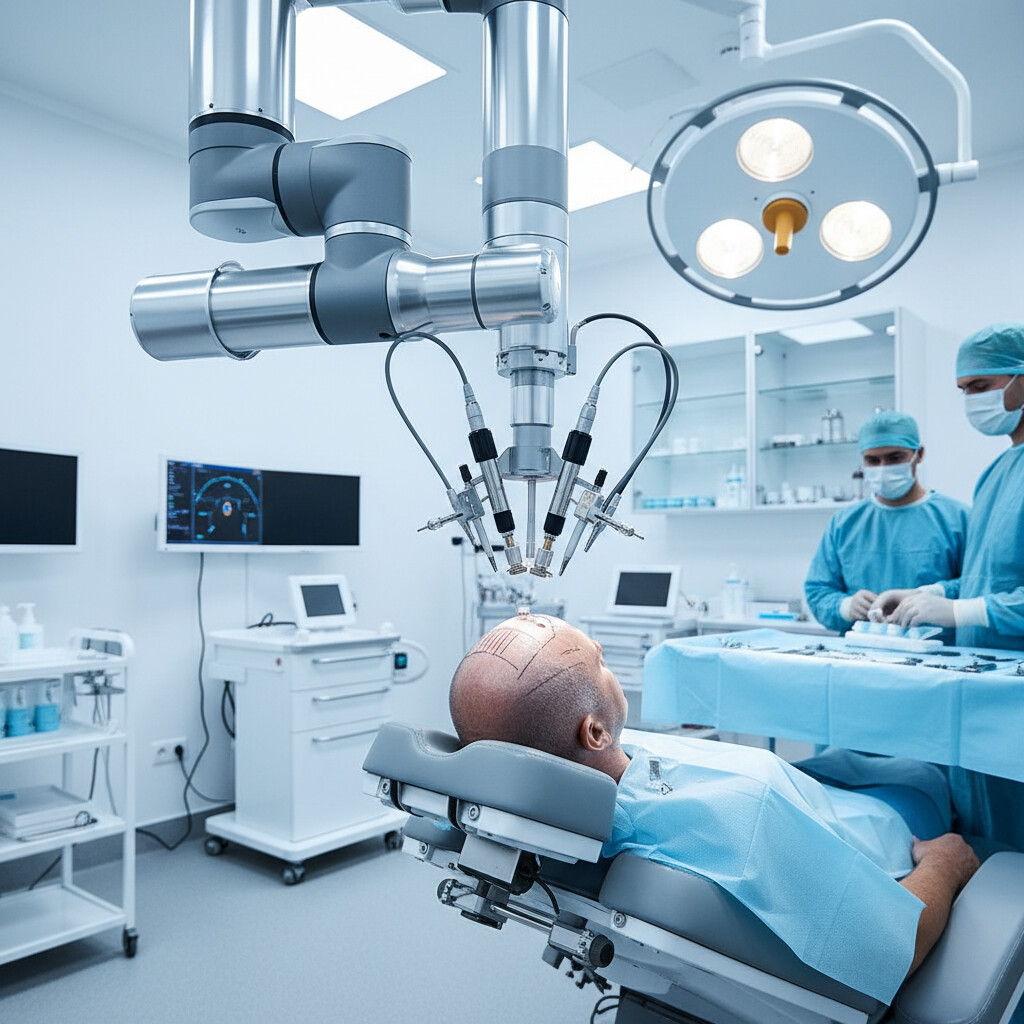
Hair loss is a common concern for millions worldwide, impacting self-esteem and confidence. While traditional hair transplant methods have evolved significantly, the advent of robotic technology promises even greater precision and potentially better outcomes. This article delves into the world of robotic hair transplants, exploring how the technology works, its advantages and disadvantages, and who stands to benefit most from this cutting-edge approach.
A Checklist for Understanding Robotic Hair Transplants:
- What is Robotic Hair Transplantation? Understanding the core technology and its principles.
- How Does Robotic Assistance Work? A look at the mechanics and the role of the surgeon.
- Pros of Robotic Hair Transplants: Exploring the benefits compared to manual methods.
- Cons of Robotic Hair Transplants: Examining the potential drawbacks and limitations.
- Who is a Good Candidate? Identifying the ideal patient profile for this procedure.
- The Procedure and Recovery: What to expect before, during, and after the transplant.
What is Robotic Hair Transplantation?
Robotic hair transplantation isn’t about a robot performing the entire surgery autonomously. Instead, it refers to systems that utilize robotic arms and advanced imaging to assist the surgeon during the follicular unit extraction (FUE) process. The most prominent system currently available is the ARTAS® Hair System. This system employs sophisticated computer vision, robotic arms, and specialized instruments to aid in the precise harvesting of hair follicles from the donor area.
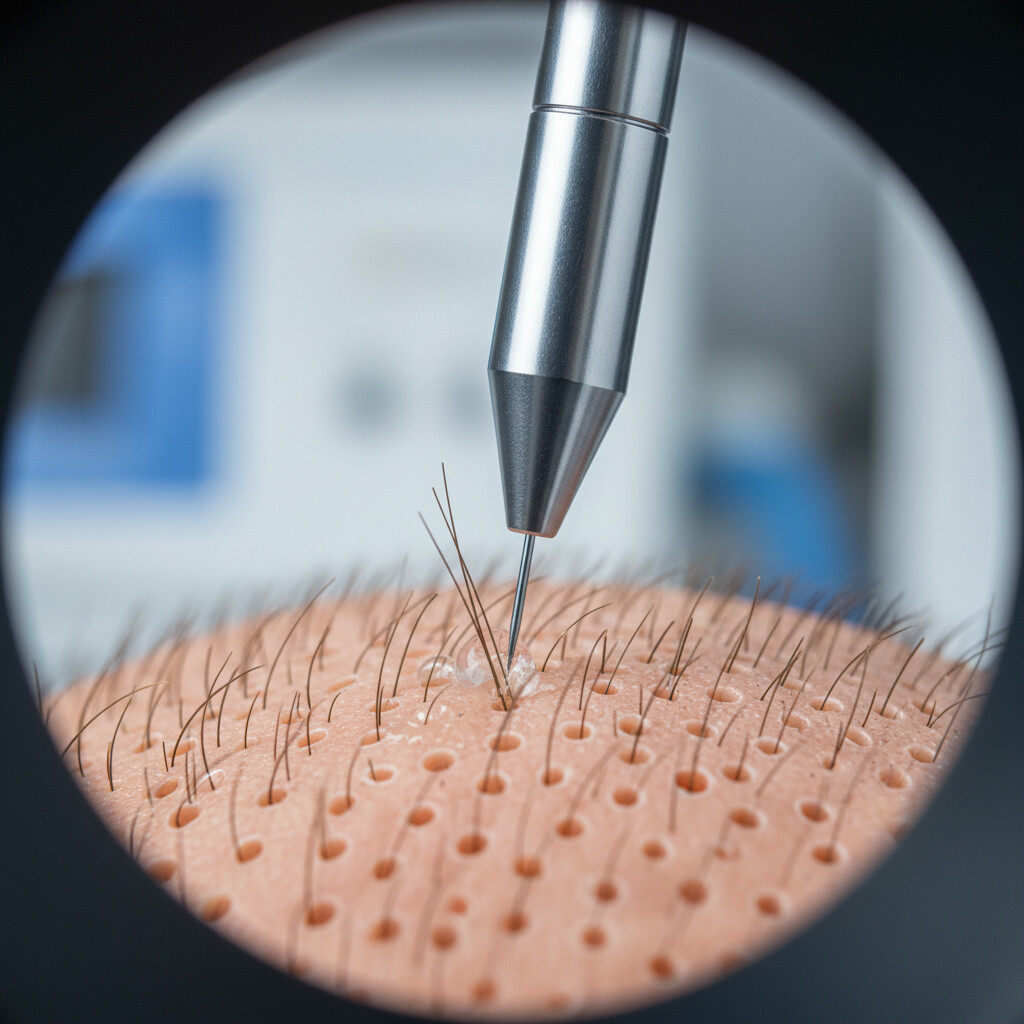
Think of it as a highly advanced, incredibly precise tool that enhances the surgeon’s capabilities. The robot doesn’t make decisions; it executes the surgeon’s commands with unparalleled accuracy, guided by high-definition imaging and algorithms designed to identify and select the best follicles for transplantation.
How Does Robotic Assistance Work?
The ARTAS® system, for example, works in conjunction with the surgeon. The process typically involves the following steps:
- Mapping and Planning: The system uses advanced imaging technology, including high-resolution cameras, to map the donor area. This allows the surgeon to identify and analyze individual follicular units, assessing their density, angle, and quality. The software helps in planning the optimal harvesting pattern to ensure a natural-looking result and to preserve the donor site for future procedures.
- Follicle Extraction: Once the plan is finalized, the robotic arm, guided by the surgeon, precisely extracts follicular units. The system’s delicate robotic arm, equipped with microscopic punches, can rotate and adjust its depth and angle with extreme accuracy, minimizing damage to the surrounding tissue and the harvested grafts.
- Implantation: While the ARTAS® system primarily assists in the extraction phase, the implantation of these grafts is typically performed by the surgeon and their skilled team using manual techniques or other assisted tools. The surgeon carefully places the harvested follicles into the recipient area, ensuring proper depth, angle, and density to achieve a natural and aesthetically pleasing outcome.

The key here is that the surgeon remains in control. The robot acts as an extension of their hand, providing enhanced visualization and precision that can be difficult to achieve consistently with manual methods alone. The surgeon’s expertise in assessing hair quality, aesthetic design, and patient needs is still paramount.
Pros of Robotic Hair Transplants
Robotic assistance in hair transplantation offers several compelling advantages:
- Enhanced Precision and Accuracy: The robotic system can identify and harvest follicular units with sub-millimeter precision. This reduces the risk of damaging grafts during extraction and ensures that only healthy follicles are selected. The consistent angle and depth control can lead to a higher yield of viable grafts.
- Reduced Trauma to the Donor Site: The system’s ability to make precise, small incisions minimizes scarring and trauma to the donor area. This can lead to faster healing and less discomfort post-procedure, and importantly, it can preserve the donor area better, allowing for future procedures if needed.
- Consistency and Reduced Fatigue: Manual FUE can be physically demanding and repetitive for surgeons. The robotic system can perform the extraction with consistent precision, unaffected by surgeon fatigue, potentially leading to more uniform results, especially in large sessions.
- Objective Graft Selection: The system’s algorithms analyze follicular units, helping to select the most robust and suitable grafts based on specific criteria. This objective approach can complement the surgeon’s subjective assessment.
- Potentially Faster Harvesting: In some cases, the robotic system can harvest grafts at a faster rate than manual methods, which can be beneficial for patients requiring a large number of grafts.
Cons of Robotic Hair Transplants
Despite its advantages, robotic hair transplantation also has some limitations to consider:
- Cost: Robotic hair transplant procedures tend to be more expensive than traditional manual FUE due to the technology’s investment and maintenance costs.
- Limited to Extraction: Currently, most robotic systems, including ARTAS®, primarily assist with the extraction phase. The critical implantation phase is still performed manually by the surgeon and their team. Therefore, the overall skill and artistry of the surgical team remain crucial for the final aesthetic outcome.
- Not Ideal for All Donor Types: The robotic system works best with certain hair types and donor densities. It may be less effective for individuals with very curly hair or extremely sparse donor areas, where manual techniques might offer more flexibility and control.
- Requires Surgeon Expertise: The robot is a tool. Its effectiveness is highly dependent on the surgeon’s skill in using the system, interpreting the data it provides, and making the final aesthetic decisions. An inexperienced surgeon using a robot will likely yield poorer results than an experienced surgeon using manual techniques.
- Time for Large Sessions: While robotic harvesting can be efficient, very large sessions might still be time-consuming, and the overall procedure time might not be significantly reduced when considering the implantation phase.
Who is a Good Candidate for Robotic Hair Transplants?
Robotic hair transplantation is not a one-size-fits-all solution. Ideal candidates typically possess the following characteristics:
- Men with Androgenetic Alopecia (Male Pattern Baldness): The ARTAS® system is particularly well-suited for men experiencing typical male pattern baldness, where donor hair is usually abundant and has a consistent characteristic.
- Sufficient Donor Hair Density: Candidates need to have a healthy and sufficiently dense donor area to ensure that enough grafts can be harvested without compromising the appearance of the donor site.
- Desire for Minimally Invasive Procedure: Patients seeking a FUE procedure with minimal scarring and potentially quicker recovery might find robotic assistance appealing.
- Understanding of the Technology: Good candidates understand that the robot is an assistive tool and that the surgeon’s skill and artistry are still the primary determinants of the final result.
- No Extremely Curly Hair: While technology is improving, very tightly curled hair can sometimes pose challenges for robotic harvesting systems.
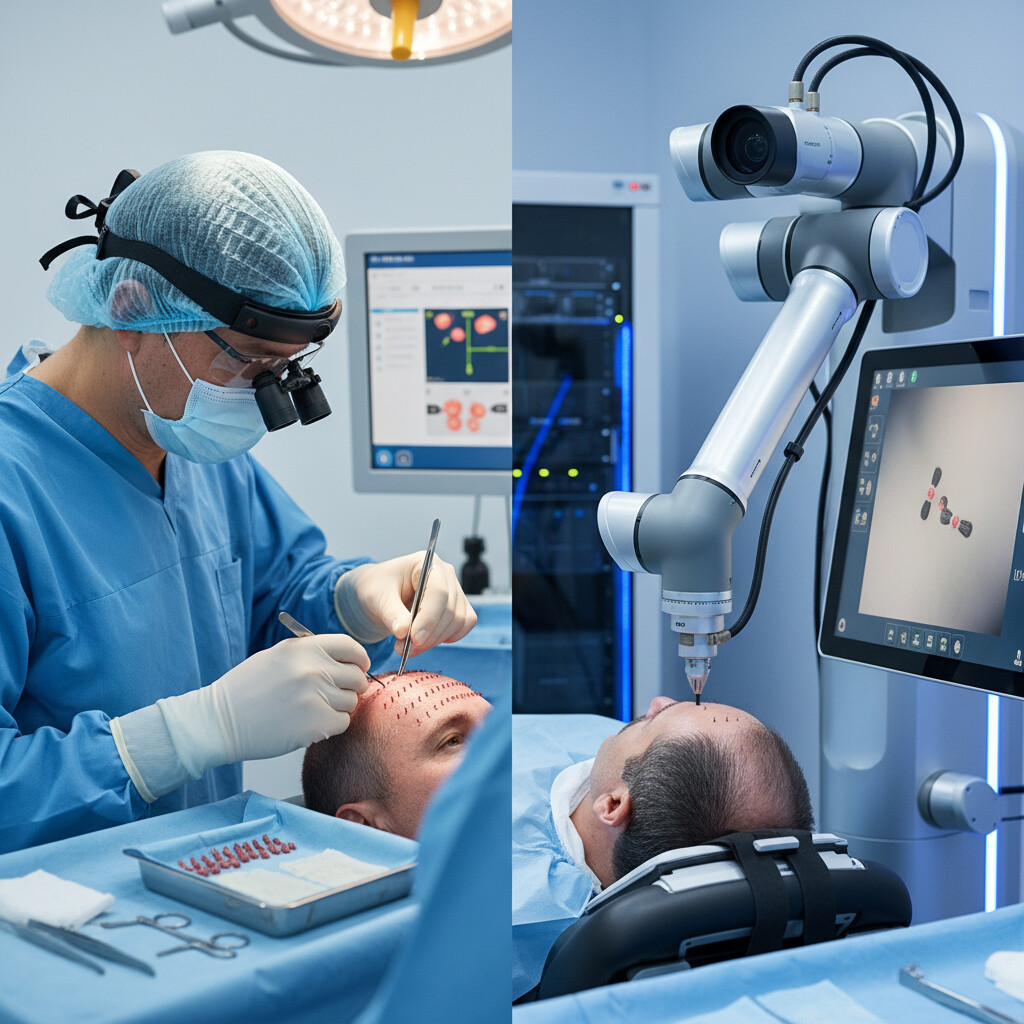
It’s crucial to consult with an experienced hair transplant surgeon to determine if robotic assistance is the right choice for your specific needs and hair loss pattern.
The Procedure and Recovery
The robotic hair transplant procedure is generally performed under local anesthesia. The donor area is typically trimmed short, and the robotic system, guided by the surgeon, extracts the follicular units. The surgeon then prepares the recipient site and implants the harvested grafts. The duration of the procedure varies depending on the number of grafts needed.
Recovery after robotic FUE is similar to traditional FUE. Patients may experience some mild swelling, redness, and discomfort in both the donor and recipient areas. Most patients can return to their normal daily activities within a few days to a week, although strenuous exercise should be avoided for a longer period. The transplanted hairs will typically shed within the first few weeks, with new growth becoming visible after 3-4 months and continuing to mature over the next year.
Conclusion: A Powerful Tool, Not a Replacement for Skill
Robotic hair transplantation represents a significant advancement in the field, offering enhanced precision, consistency, and potentially less trauma to the donor site. However, it’s essential to view the robot as a sophisticated tool that augments the surgeon’s abilities, rather than a replacement for surgical expertise. The ultimate success of any hair transplant procedure still hinges on the surgeon’s experience, artistic vision, and understanding of patient anatomy and aesthetics. If you are considering a hair transplant, discuss the potential benefits and limitations of robotic assistance with your surgeon to determine the best approach for achieving your desired results.