Hair transplantation has seen significant advancements over the years, aiming to provide more natural-looking and dense results. One of the most notable innovations in recent times is the use of sapphire blades in the Follicular Unit Extraction (FUE) technique. This method, often referred to as Sapphire FUE, leverages the unique properties of sapphire crystals to enhance the hair transplant procedure. If you’re considering a hair transplant, understanding the benefits of Sapphire FUE can help you make an informed decision.
What is Sapphire FUE?
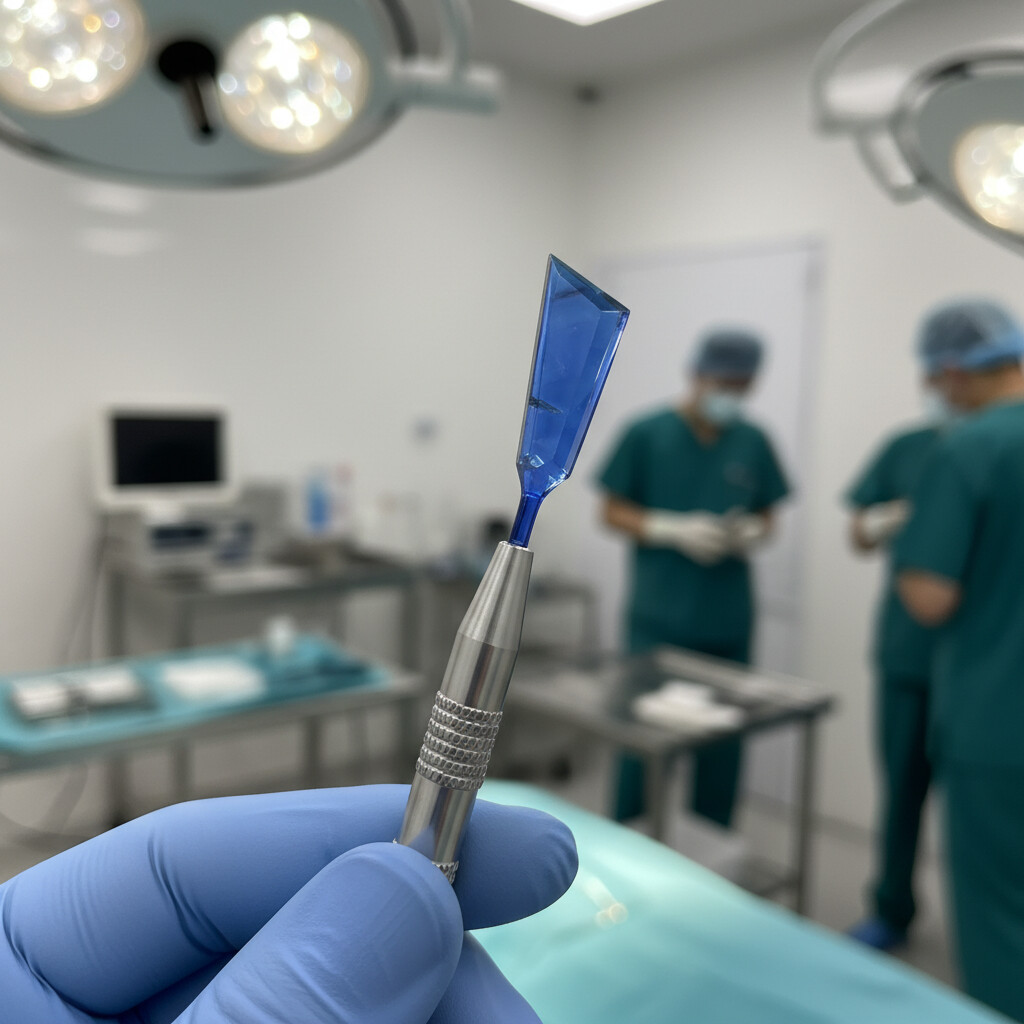
Sapphire FUE is a refinement of the traditional FUE hair transplant method. In standard FUE, tiny follicular units containing one to four hairs are extracted from a donor area (typically the back of the head) and then implanted into the thinning or balding areas. The key difference in Sapphire FUE lies in the tools used for creating the micro-incisions, or channels, where the extracted grafts will be placed. Instead of traditional steel blades, specially crafted blades made from single crystal sapphire are employed.
Sapphire is an exceptionally hard and durable material, known for its sharpness and resistance to wear. These qualities translate into several advantages when used for creating the recipient sites during a hair transplant.
Key Benefits of Sapphire FUE:
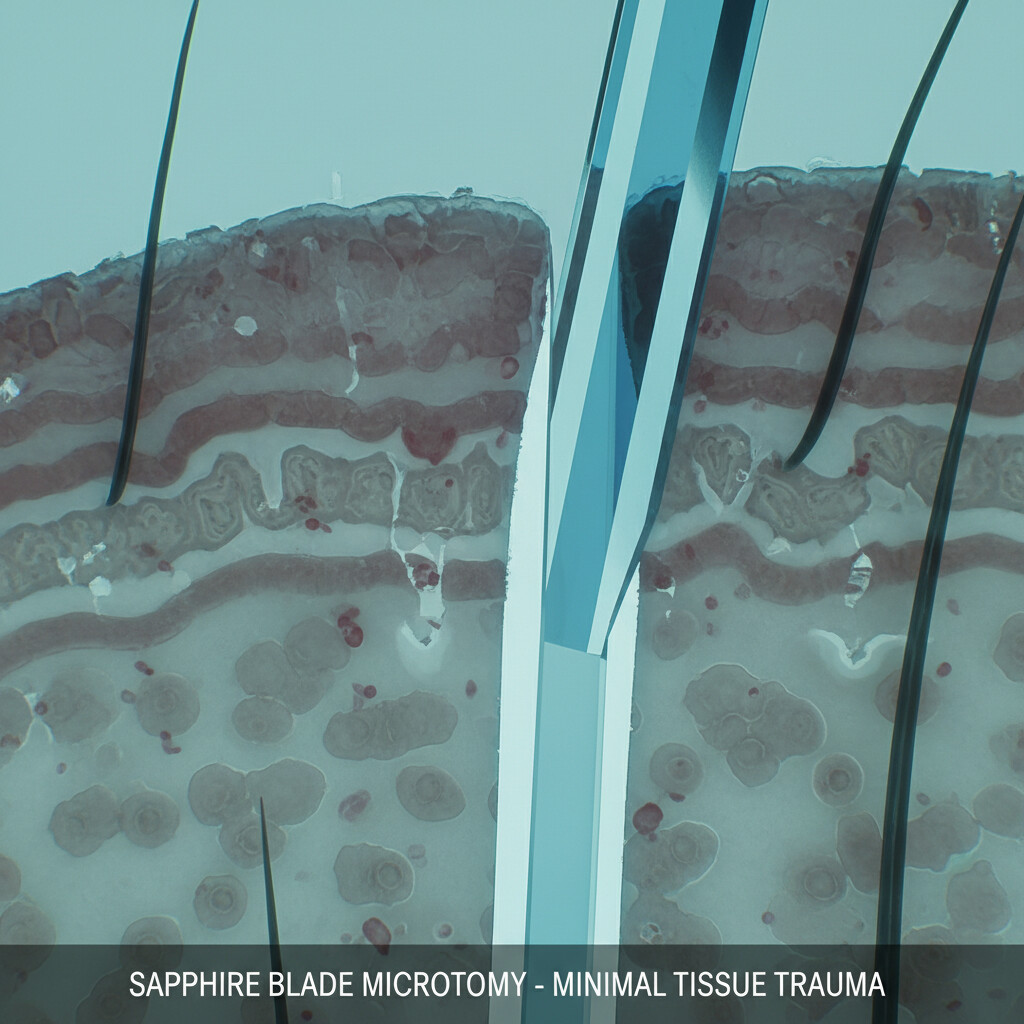
- Unparalleled Sharpness and Precision: Sapphire blades are significantly sharper than steel blades. This extreme sharpness allows surgeons to create incredibly fine and precise incisions. The ability to make smaller, cleaner cuts minimizes trauma to the scalp, which is crucial for healing and graft survival.
- Reduced Scalp Trauma and Swelling: The precision offered by sapphire blades leads to less damage to the surrounding tissues. Smaller incisions mean less disruption to the scalp, resulting in reduced inflammation, swelling, and discomfort post-procedure. This can lead to a more comfortable recovery period for patients.
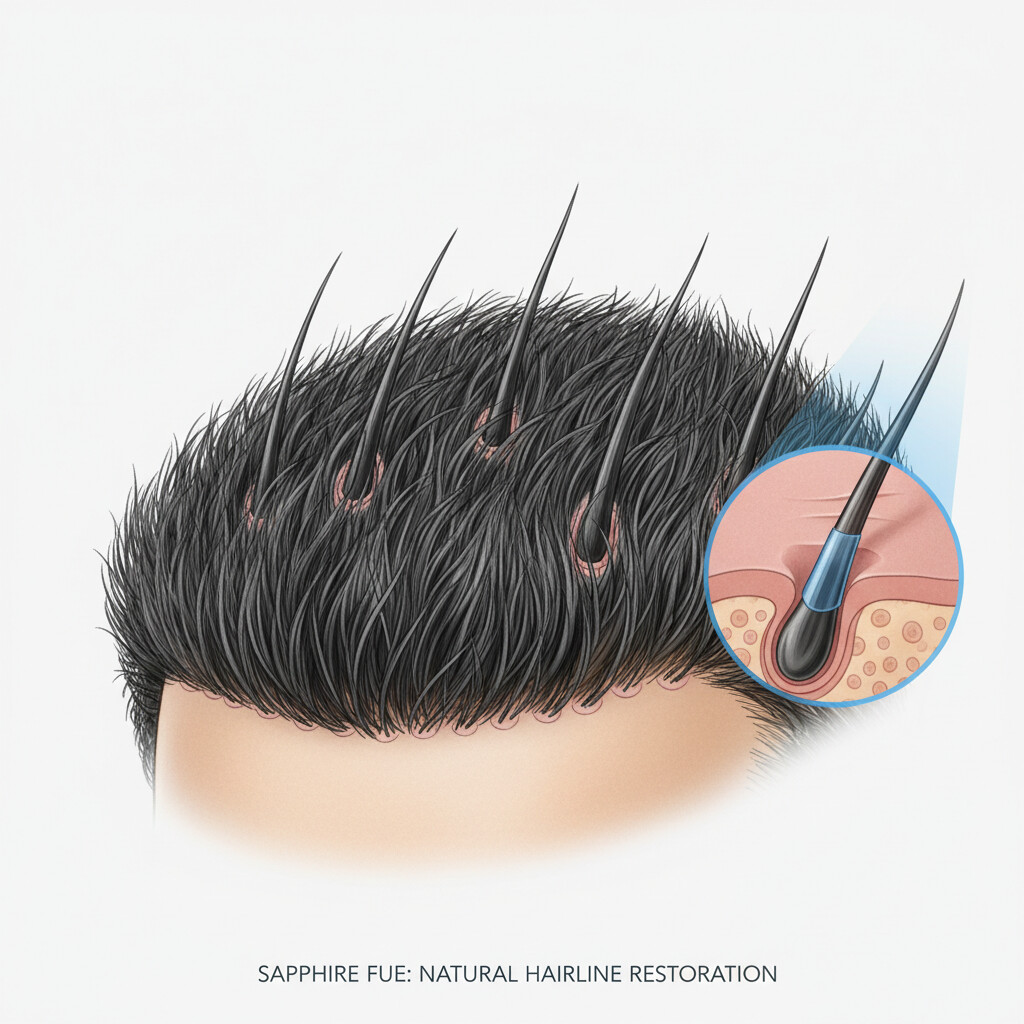
- Denser Hairline Creation: The precision of sapphire blades allows for the creation of more numerous and closely packed channels. This is particularly important when creating a natural-looking hairline, where the density and angle of individual hairs are critical for an aesthetically pleasing outcome. Surgeons can place grafts closer together, achieving a fuller appearance.
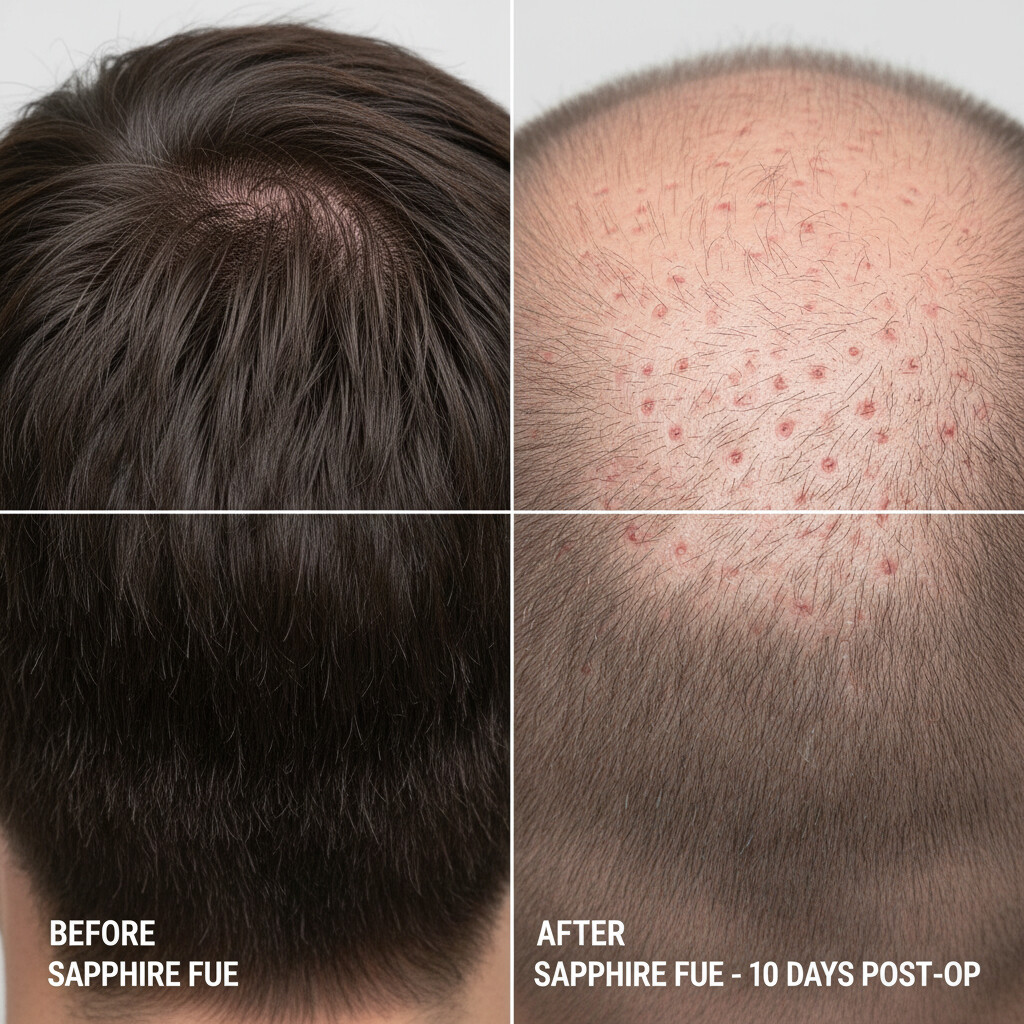
- Faster Healing and Scarring: Because the incisions made with sapphire blades are smaller and cleaner, the scalp tends to heal more rapidly. This also contributes to less noticeable scarring. While FUE is already known for minimal scarring compared to older methods, Sapphire FUE further refines this aspect, making any residual scarring practically invisible.
- Lower Risk of Complications: The reduced trauma and increased precision associated with sapphire blades can potentially lower the risk of certain complications, such as infection or graft displacement, during the implantation phase. The cleaner cuts ensure that the grafts are securely seated in their channels.
- Optimal Graft Survival Rate: By minimizing trauma to the scalp and allowing for precise placement of grafts, Sapphire FUE techniques can contribute to higher graft survival rates. Healthy grafts are essential for achieving the desired density and long-term results of the hair transplant.
The Procedure: What to Expect
The Sapphire FUE procedure follows the general steps of FUE but with specialized tools for the implantation phase. After local anesthesia is administered, the donor hair grafts are extracted one by one using a micro-punch tool. The crucial difference comes next: instead of steel scalpels, the surgeon uses the sapphire blade to open the tiny channels in the recipient area. The angle, direction, and depth of these channels are meticulously planned to mimic natural hair growth patterns.
Once the channels are prepared, the extracted grafts are carefully implanted into them by the surgical team. The entire process is designed to be as minimally invasive as possible, ensuring patient comfort and optimal results.
Who is a Good Candidate for Sapphire FUE?
Sapphire FUE is suitable for individuals experiencing male or female pattern baldness who desire a natural and dense hair restoration. It is particularly beneficial for those seeking:
- A very natural-looking hairline.
- High density hair transplantation.
- A quick recovery with minimal discomfort.
- To minimize scarring, especially if they plan to keep their hair very short.
As with any surgical procedure, a thorough consultation with a qualified hair transplant surgeon is essential to determine if Sapphire FUE is the right option for your specific needs and hair loss condition.
Considerations and Potential Downsides
While Sapphire FUE offers significant advantages, it’s important to consider a few points. The cost of Sapphire FUE procedures may be slightly higher than traditional FUE due to the specialized blades and the expertise required. Additionally, the success of any hair transplant, including Sapphire FUE, is highly dependent on the skill and experience of the surgeon and the surgical team.
Conclusion
Sapphire FUE represents a significant leap forward in hair transplantation technology. By utilizing the inherent sharpness and precision of sapphire blades, surgeons can create meticulously planned channels, leading to reduced trauma, faster healing, denser results, and a more natural appearance. For individuals seeking the most advanced and aesthetically pleasing hair restoration, Sapphire FUE is undoubtedly a technique worth exploring.