Considering options to address hair loss can be a significant journey, and understanding all available solutions is crucial. While hair transplantation remains a popular and effective surgical option for many, it’s not the only path to a fuller-looking head of hair. Scalp Micropigmentation (SMP) has emerged as a powerful non-surgical technique that can serve as a standalone solution or a complementary treatment to hair transplants. This comprehensive guide will delve into what SMP is, how it works, who it’s best suited for, its benefits, potential drawbacks, and how it compares to hair transplantation.
What is Scalp Micropigmentation (SMP)?
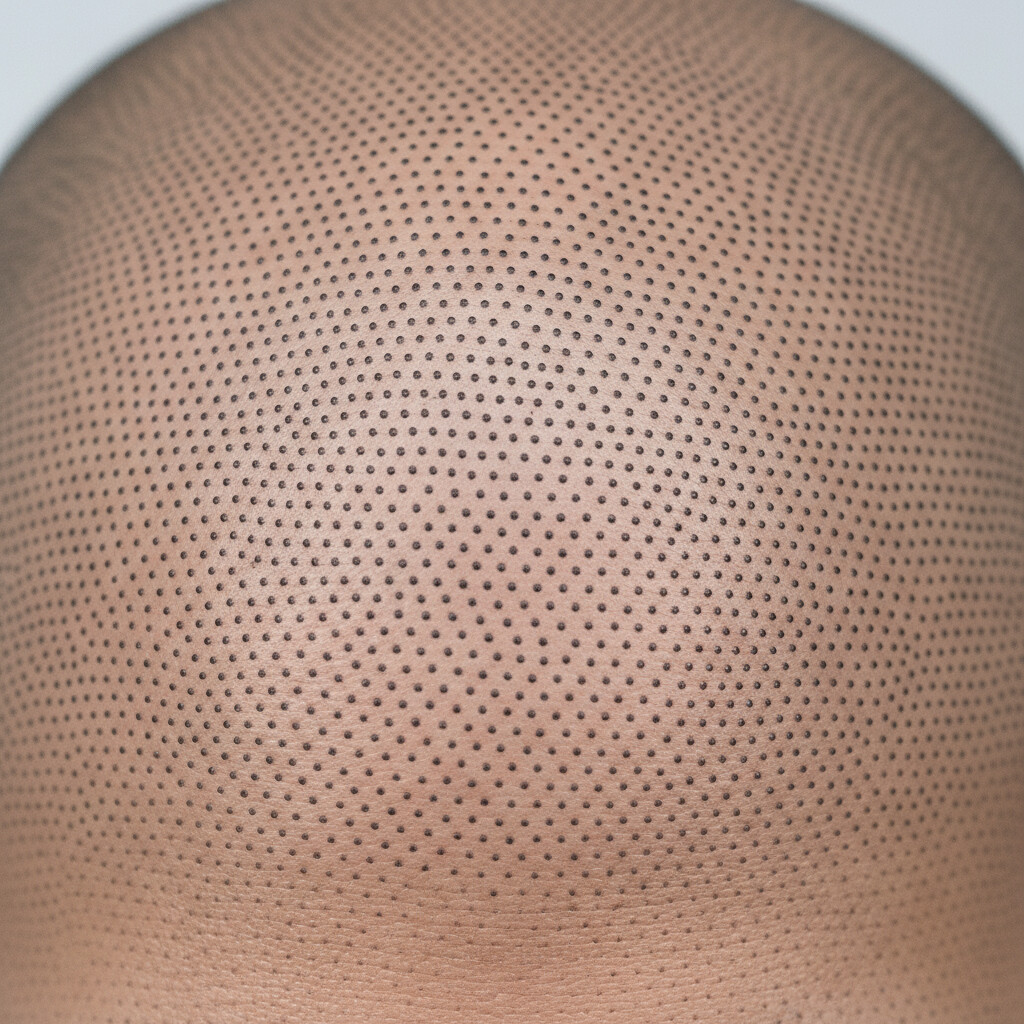
Scalp Micropigmentation, often referred to as SMP, is a highly specialized cosmetic tattooing procedure designed to mimic the appearance of natural hair follicles on the scalp. It involves depositing tiny amounts of pigment into the dermal layer of the skin, creating the illusion of a closely shaved head or adding density to thinning areas. Unlike traditional tattoos, SMP uses a different needle configuration and pigment depth to ensure a natural, hair-like appearance that doesn’t blur or fade significantly over time. It’s a meticulous process that requires skilled technicians to achieve realistic results.
How Does SMP Work?
The SMP procedure typically involves several sessions, usually spaced a few weeks apart, to allow the skin to heal and the pigment to settle. During a session, the SMP technician will use a specialized digital machine with a very fine needle to create thousands of tiny dots on the scalp. These dots are strategically placed to replicate the look of natural hair follicles. The color of the pigment is carefully matched to the individual’s natural hair color and skin tone to ensure a seamless blend. The density and pattern of the dots are customized based on the client’s desired outcome, whether it’s to create the look of a full buzz cut, camouflage scars, or add perceived thickness to thinning hair.
Who is a Good Candidate for SMP?
SMP is a versatile treatment suitable for a wide range of individuals experiencing hair loss:
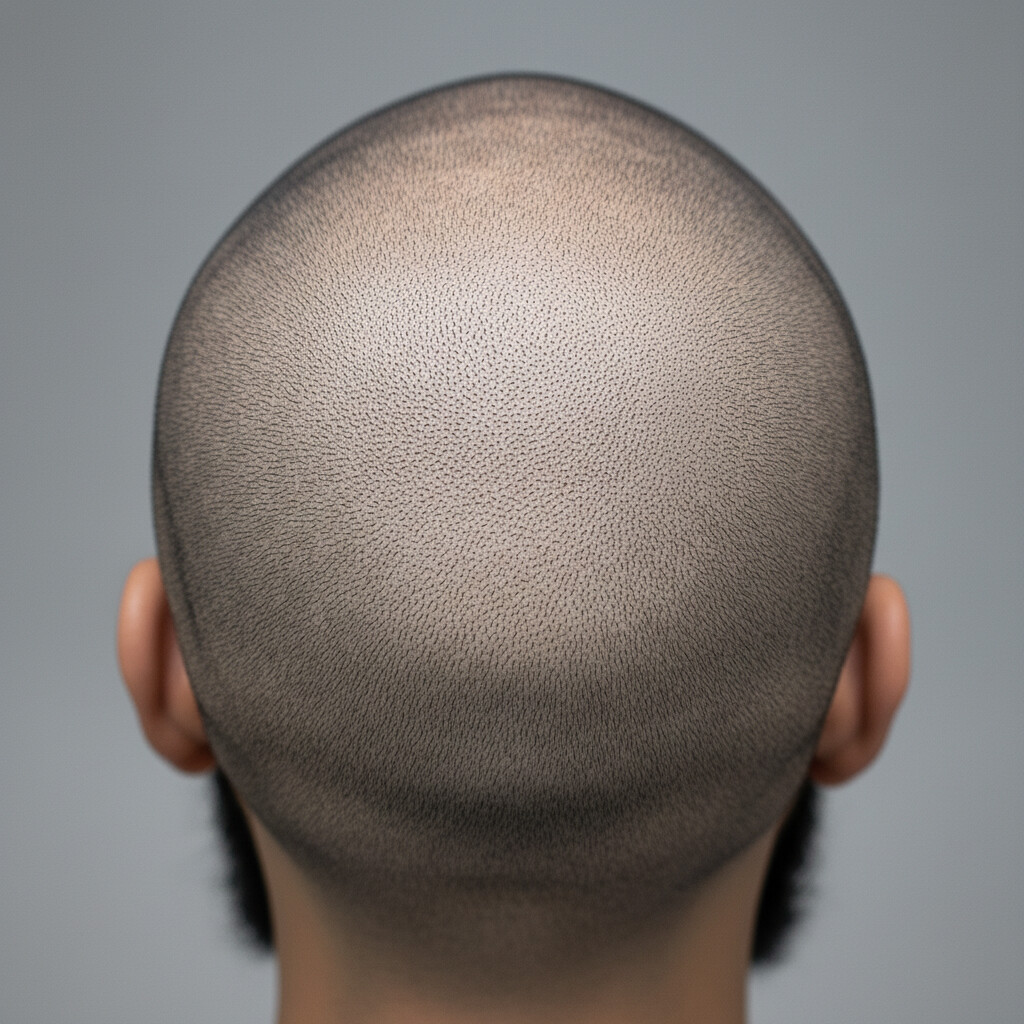
- Men with Male Pattern Baldness: SMP is an excellent option for men who want to achieve the look of a full head of hair with a shaved or very short style. It can provide a natural-looking hairline and full coverage.
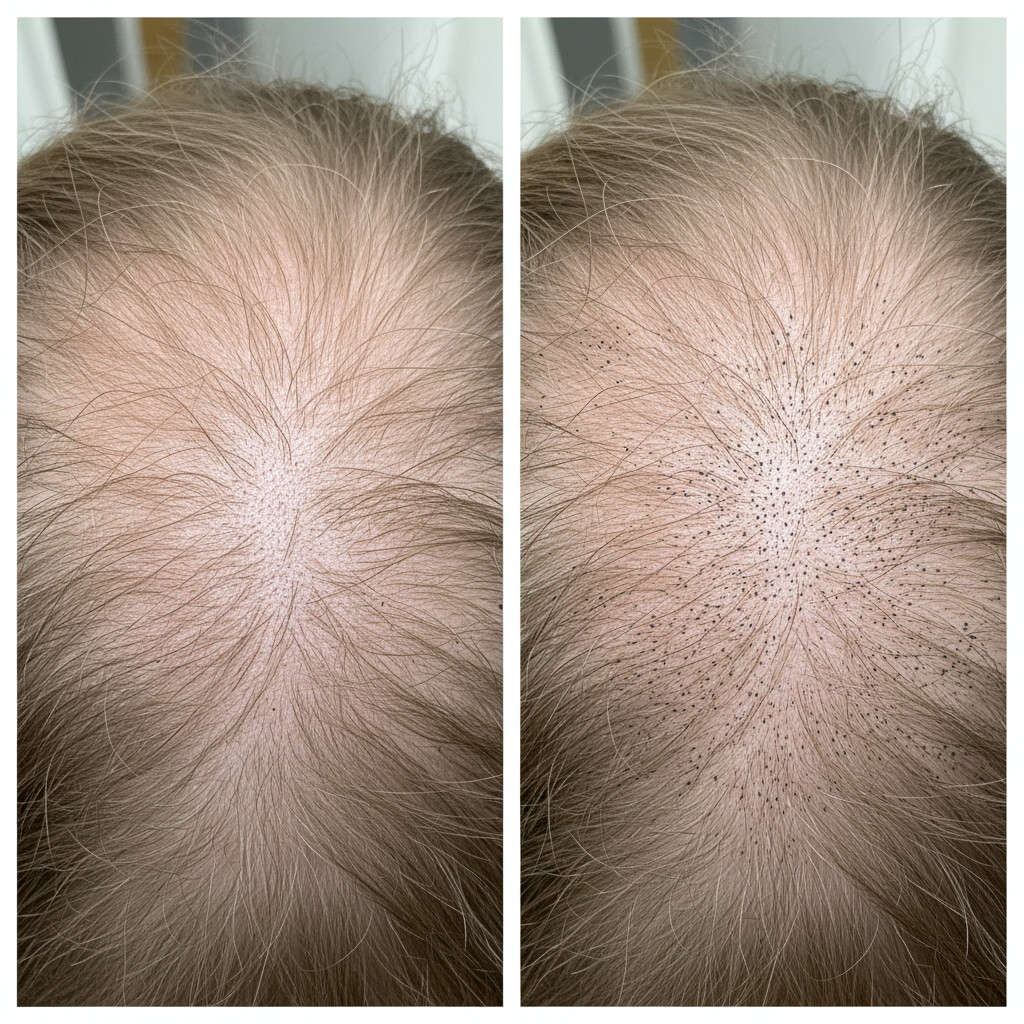
- Women with Thinning Hair: For women experiencing diffuse thinning, SMP can be used to add density and create the illusion of thicker hair. It can help to blend the scalp with existing hair, reducing the contrast and making the thinning less noticeable.
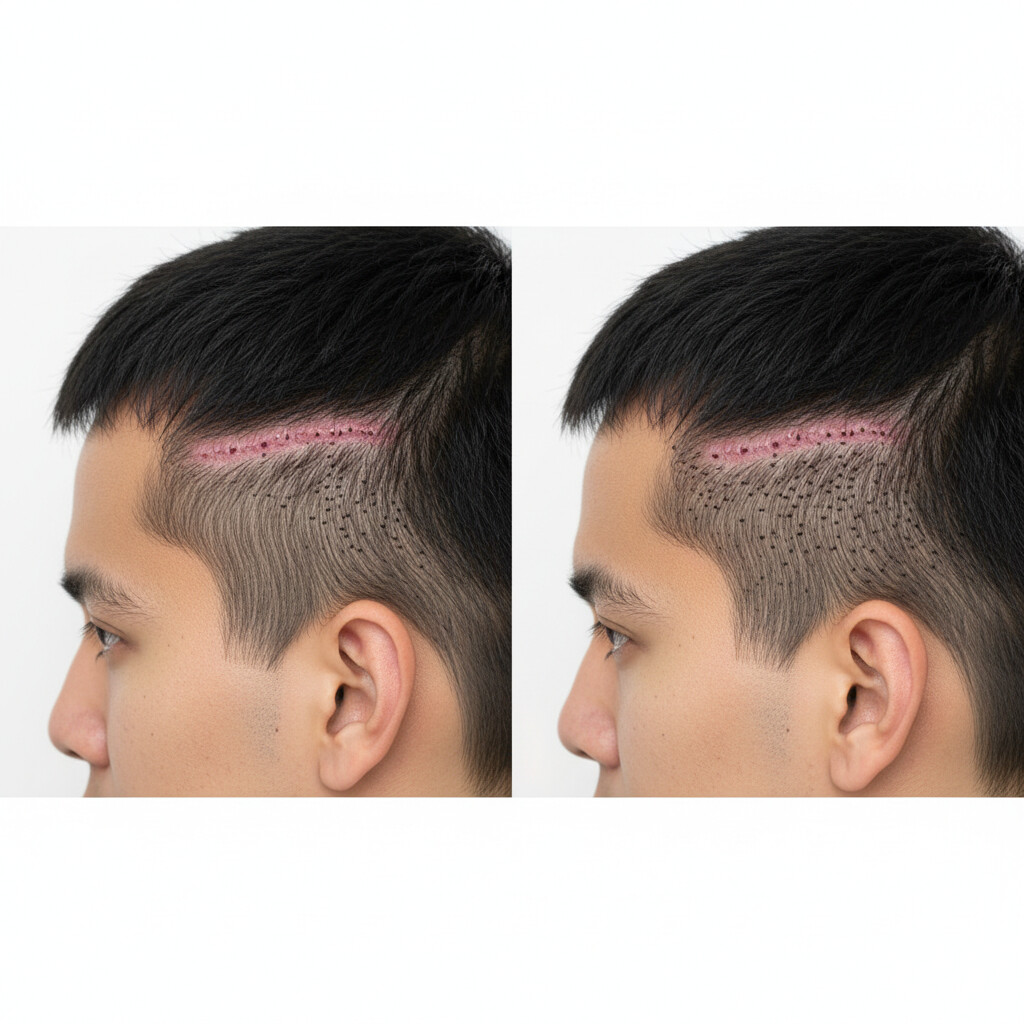
- Individuals with Scarring: SMP can effectively camouflage scars on the scalp resulting from surgical procedures like hair transplantation (FUT scars), accidents, or other medical conditions. It helps to break up the scar tissue and make it less visible.
- Alopecia Sufferers: People with various forms of alopecia (e.g., alopecia areata) can benefit from SMP to restore the appearance of a hairline and scalp.
- Those Seeking a Low-Maintenance Solution: SMP offers a permanent solution that requires minimal upkeep. Once the treatment is complete, there’s no daily application or medication needed.
The Benefits of Scalp Micropigmentation
SMP offers several compelling advantages:
- Non-Surgical: As a non-invasive procedure, SMP eliminates the risks, recovery time, and discomfort associated with surgery.
- Natural Appearance: When performed by a skilled technician, SMP creates an incredibly realistic illusion of natural hair growth.
- Immediate Results: While multiple sessions are required, the results are visible after each session, and the final outcome is apparent once the treatment is complete.
- Versatility: SMP can address various forms of hair loss, create different styles (buzz cut, density enhancement), and camouflage scars.
- Low Maintenance: After the initial treatment and touch-ups, SMP requires very little maintenance. It’s resistant to water, sweat, and sun, making it ideal for active individuals.
- Cost-Effective: Compared to the long-term costs of some hair loss treatments or the recurring expenses of wigs or concealers, SMP can be a more economical choice.
Potential Drawbacks and Considerations
While SMP is highly effective, it’s important to be aware of potential considerations:
- Requires Multiple Sessions: Achieving optimal results typically necessitates 2-4 sessions, spaced weeks apart.
- Pain Tolerance: While generally well-tolerated, some discomfort may be experienced during the procedure, similar to a tattoo. Topical anesthetics can be used to manage this.
- Sun Sensitivity: The pigments can fade over time, especially with prolonged sun exposure. Using sunscreen or wearing hats is recommended to maintain the results.
- Finding a Skilled Technician: The quality of SMP results heavily relies on the technician’s skill and experience. It’s crucial to research and choose a reputable clinic with experienced practitioners.
- Not Actual Hair Growth: SMP creates the illusion of hair. It does not stimulate new hair growth or replace the texture and feel of actual hair.
SMP vs. Hair Transplantation: A Comparison
Both SMP and hair transplantation aim to address hair loss, but they achieve it through different methods and are suited for different needs:
- Method: Hair transplantation is a surgical procedure involving moving hair follicles from a donor area (usually the back or sides of the head) to the thinning or balding areas. SMP is a non-surgical cosmetic tattooing technique.
- Results: Hair transplantation results in the growth of new, natural hair. SMP creates the appearance of hair follicles or density.
- Ideal Candidates: Hair transplantation is often best for individuals with sufficient donor hair who want to restore their natural hairline and hair density. SMP is ideal for those who prefer a non-surgical option, want the look of a shaved head, need to camouflage scars, or wish to add density to thinning hair where a transplant might not be suitable or sufficient.
- Recovery: Hair transplantation involves surgical recovery, including potential swelling, scabbing, and downtime. SMP has a much shorter recovery period, with minimal downtime.
- Cost: The initial cost of hair transplantation is generally higher than SMP. However, the long-term cost comparison can depend on the extent of hair loss and the number of procedures required for each.
Can SMP Be Used With Hair Transplants?
Absolutely. SMP can be an excellent addition to hair transplantation in several ways:
- Camouflaging Scarring: Post-hair transplant surgery, particularly FUT, can leave linear scars. SMP can effectively camouflage these scars, making them virtually invisible and allowing individuals to wear their hair shorter.
- Adding Density: For individuals who have undergone a hair transplant but still experience thinning in non-transplanted areas, SMP can be used to create the illusion of greater density, providing a fuller overall appearance.
- Creating a Seamless Look: SMP can be used to create a natural-looking hairline that complements the transplanted hair, especially in cases where the transplanted hair is kept very short.
The SMP Procedure: What to Expect
The SMP process generally involves a consultation, followed by multiple treatment sessions. During the consultation, the technician will assess your hair loss, discuss your goals, and design a custom treatment plan. They will also perform a patch test to ensure you have no adverse reactions to the pigment. Each treatment session typically lasts a few hours. After the procedure, you’ll receive aftercare instructions, which usually involve keeping the area clean and moisturized and avoiding excessive sun exposure and strenuous activities for a short period.
Maintaining Your SMP Results
To ensure the longevity and vibrancy of your SMP results, follow these tips:
- Sun Protection: Apply a high SPF sunscreen (SPF 30 or higher) to your scalp daily, especially during the first few weeks after treatment and ongoing. Wearing a hat or cap when exposed to direct sunlight is also beneficial.
- Moisturize: Keep your scalp hydrated by using a gentle, non-oily moisturizer. This helps maintain skin health and pigment integrity.
- Avoid Harsh Products: Steer clear of abrasive scrubs or harsh chemical exfoliants on your scalp, as these can accelerate pigment fading.
- Regular Touch-Ups: While SMP is considered permanent, some clients opt for touch-up sessions every 3-5 years to refresh the color and definition, especially if they’ve had significant sun exposure.
Conclusion
Scalp Micropigmentation offers a sophisticated, non-surgical solution for individuals seeking to combat hair loss. Whether chosen as a standalone treatment to achieve the appearance of a full head of shaved hair, to enhance the density of thinning hair, or to camouflage scars from previous procedures like hair transplantation, SMP provides a realistic, low-maintenance, and often cost-effective alternative. By understanding the process, benefits, and considerations, individuals can make an informed decision about whether SMP is the right choice for them on their journey to restoring confidence and achieving their desired aesthetic.