
Considering a hair transplant in Turkey is a fantastic decision for many, given the country’s reputation for high-quality procedures and competitive pricing. However, a common question that arises for prospective patients is whether they should shave their head before traveling. This guide aims to answer that question comprehensively, covering the reasons why it might be recommended, the alternatives, and what to expect post-procedure.
Key Considerations Before Your Trip:
- Surgeon’s Preference: Understanding the clinic’s standard procedure for head shaving.
- Procedure Type: How shaving affects different transplant techniques (FUE vs. FUT).
- Donor Area Assessment: The importance of visible donor hair for accurate planning.
- Post-Operative Care: How a shaved head impacts initial healing and discreetness.
- Travel Comfort: Considering personal comfort during the journey and recovery.
Why Shaving Your Head Might Be Recommended
The primary reason clinics often recommend shaving your head, particularly for Follicular Unit Extraction (FUE) procedures, is to facilitate the harvesting of donor grafts. In FUE, individual hair follicles are extracted one by one from the donor area (usually the back and sides of the head).
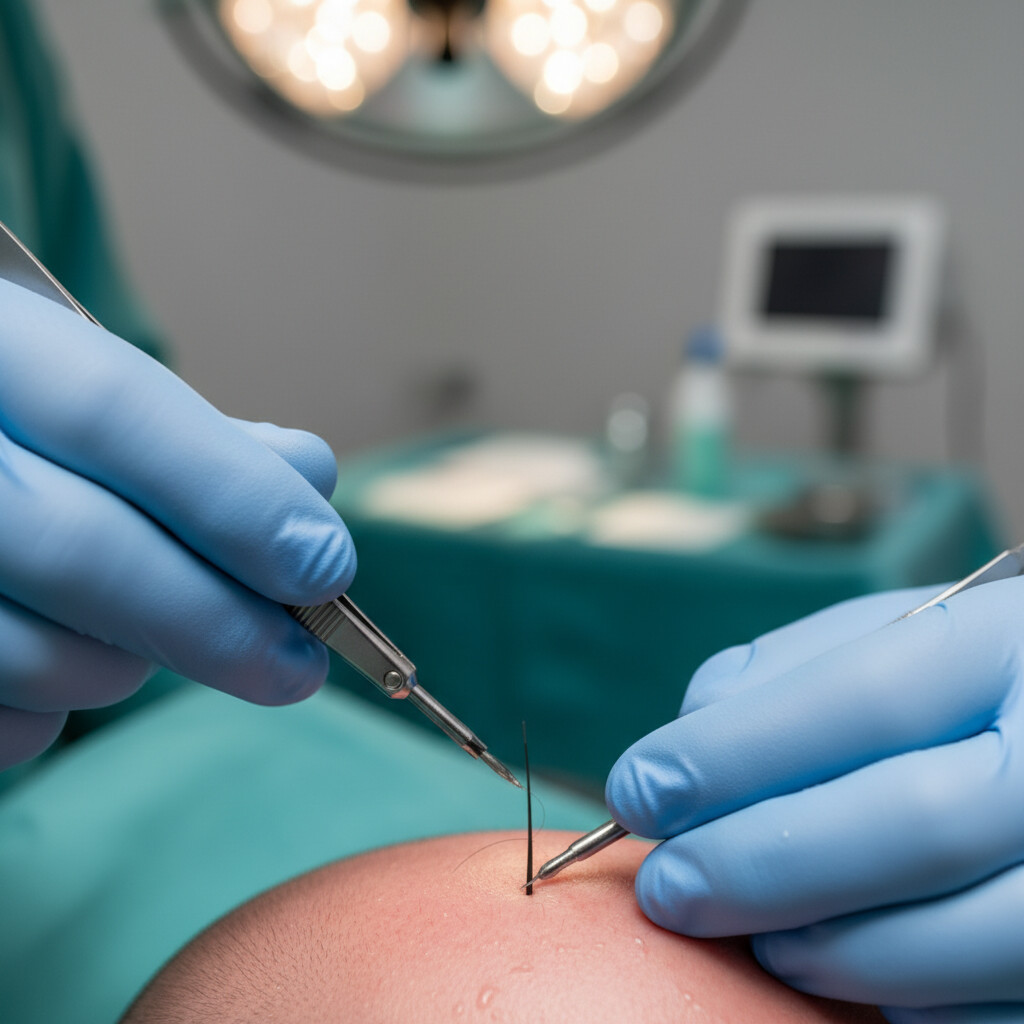
- Precise Extraction: The surgeon can easily identify and isolate individual follicular units, ensuring a clean and efficient extraction process. This minimizes damage to the surrounding follicles and maximizes the number of viable grafts that can be obtained.
- Better Visibility: A shaved head offers optimal visibility of the entire donor area, allowing the surgeon to assess its density and coverage accurately. This is crucial for planning the number of grafts needed and ensuring a natural-looking result in the recipient area.
- Reduced Risk of Infection: While not the primary reason, a clean-shaven scalp can be easier to sterilize and keep clean during and immediately after the procedure, potentially reducing the risk of infection.
- Efficient Procedure: The process of extracting grafts is generally quicker and more streamlined when the hair is short. This can lead to shorter operating times.
Does it Apply to All Procedures?
While shaving the entire head is most common for FUE, the approach can vary:
- Follicular Unit Transplantation (FUT) / Strip Method: In FUT, a strip of skin is removed from the donor area, and then the follicles are dissected under a microscope. This method often requires only a small section of the back of the head to be shaved, typically a horizontal strip where the incision will be made. The surrounding longer hair can then cover the shaved area, making it less noticeable. However, many clinics still prefer a full shave for FUE, even if they also offer FUT, due to the efficiency gains.
- Non-Shaven FUE (Partial Shave): Some clinics offer techniques where only a portion of the donor area is shaved, allowing longer hair from above to cover the treated area. This is often referred to as ‘non-shaven FUE’ or ‘long hair FUE’. While this offers a cosmetic advantage for discretion, it can sometimes make the extraction process slightly more challenging and potentially slower. The surgeon’s skill and the patient’s hair characteristics play a significant role in the success of this method.
It’s essential to discuss this option thoroughly with your surgeon if discretion is a major concern.
Alternatives to a Full Head Shave
If the idea of traveling with a completely shaved head is a concern, there are alternatives to discuss with your chosen clinic:
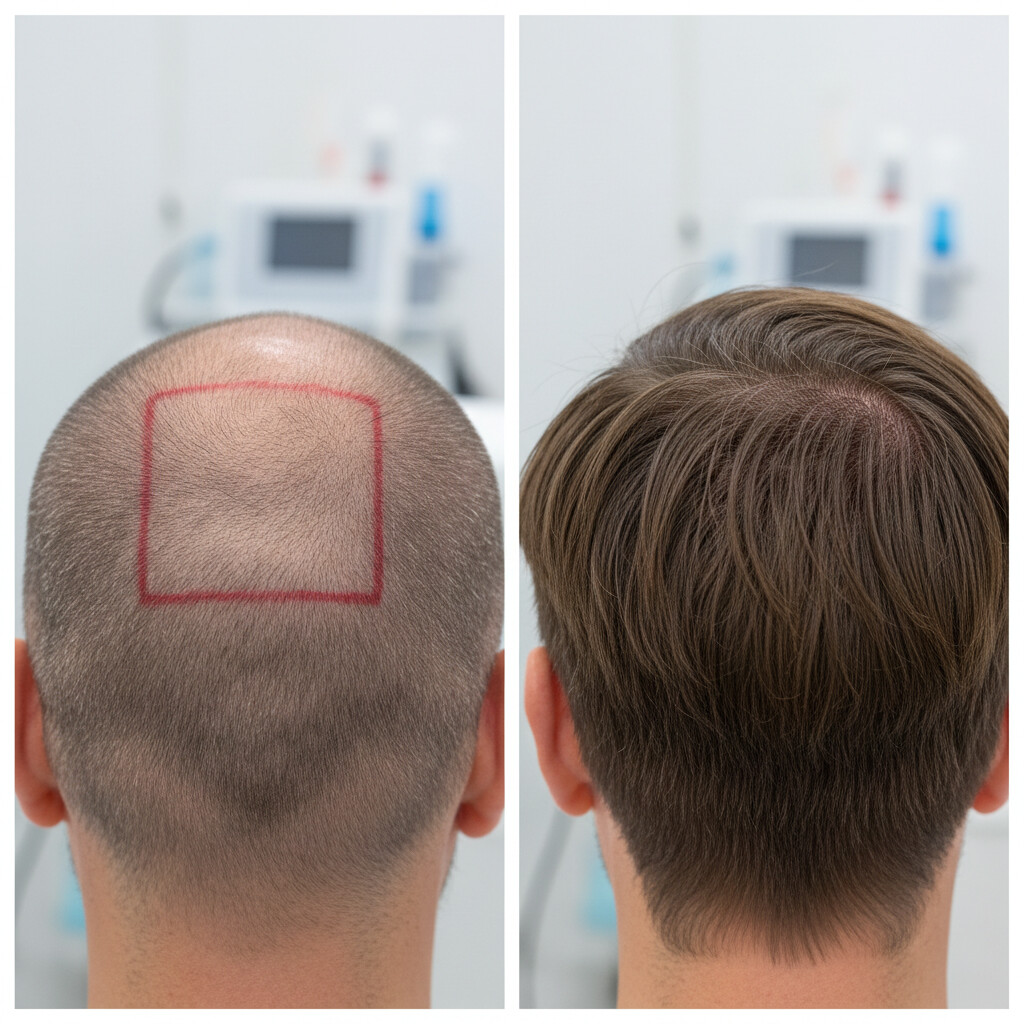
- Partial Shaving: As mentioned above, only the donor area might be shaved, allowing the rest of your hair to cover it. This is particularly viable for FUT but can also be adapted for FUE in some cases.
- Long Hair FUE: This technique involves carefully cutting the hair in the donor area to a very short length (e.g., 1-2 mm) without completely shaving it. The longer hair above is then used to cover the treated region. This requires a skilled surgeon and may not be suitable for everyone, especially those with very dense donor hair where precise identification is paramount.
- Timing of the Shave: Some patients opt to shave their head a few days before arriving in Turkey, allowing for a slight regrowth or for the initial shock of the shaved appearance to pass. Others prefer to have it done upon arrival at the clinic.
What to Expect Post-Procedure (and how shaving helps)
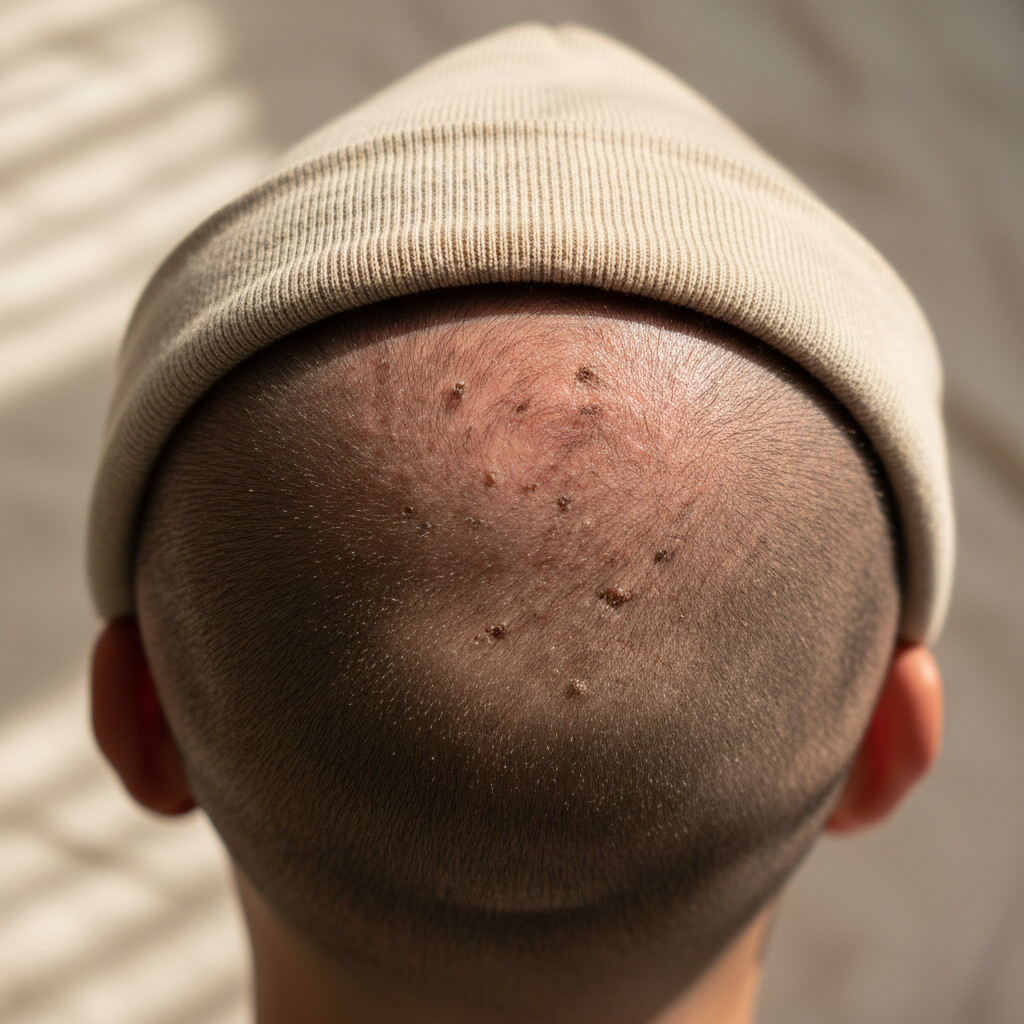
After the hair transplant, regardless of whether your head was fully shaved or partially shaved, you will have small scabs and redness in both the donor and recipient areas. Healing typically takes about 7-10 days for these scabs to fall off.
- Discreet Healing: A fully shaved head can make the healing process less noticeable to others. While redness and scabs are present, the lack of surrounding hair means there’s no contrast, and it can appear as if you simply have a closely cropped haircut.
This can be beneficial for the return journey and the initial days back home or at your accommodation. - Ease of Cleaning: Keeping the scalp clean is vital for healing and preventing infection. A shaved head makes it much easier to gently wash the area as instructed by your clinic, ensuring all residue and scabs are removed without damaging the newly transplanted grafts.
- Hiding Discomfort: While the procedure is generally not painful, some people experience mild discomfort or swelling. A shaved head can sometimes make these less obvious compared to having longer hair that might draw attention to the treated areas.
Traveling to Turkey: Comfort and Practicalities
Your comfort during travel is also a factor. A shaved head can be practical for traveling:
- Temperature Regulation: In Turkey’s climate, a shaved head can be cooler and more comfortable, especially during warmer months.
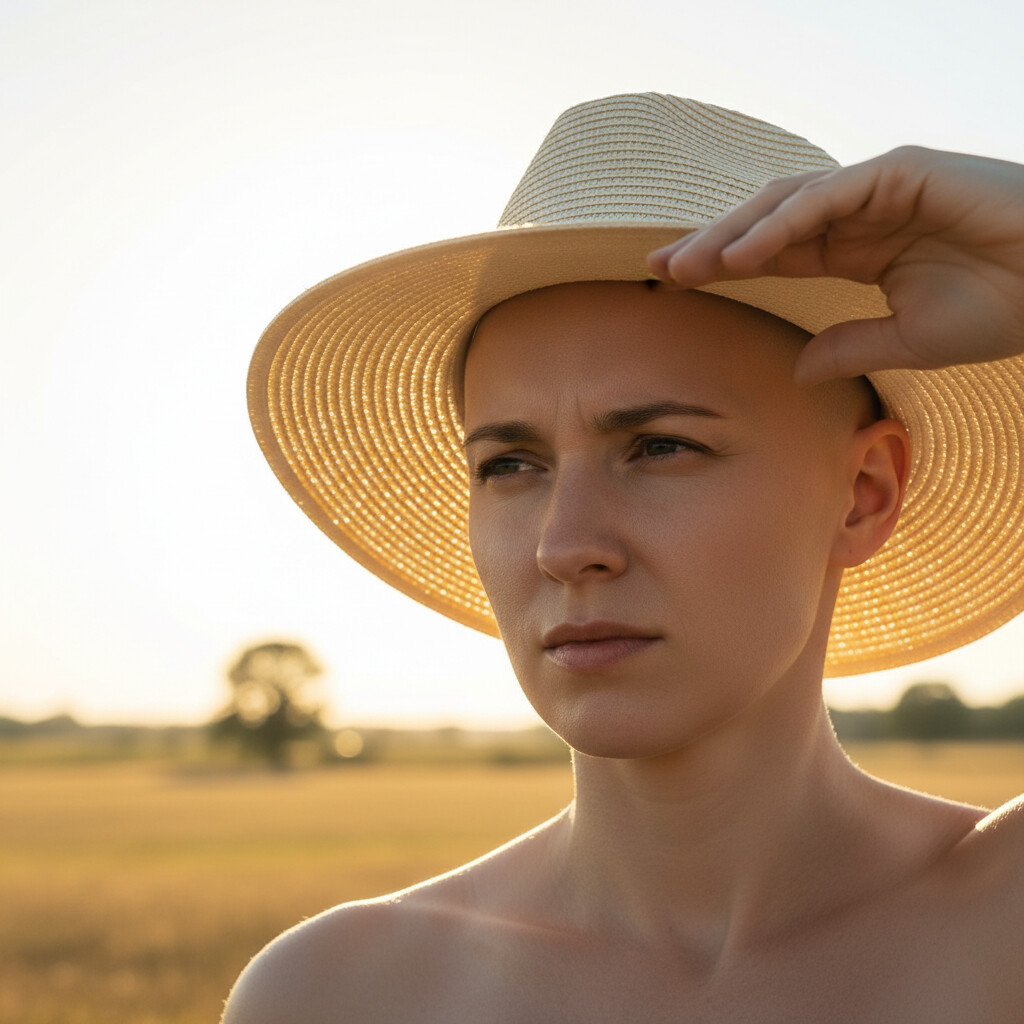
- Sun Protection: Crucially, after a hair transplant, your scalp will be extremely sensitive to the sun. Whether your head is shaved or not, diligent sun protection is non-negotiable. Wearing a loose-fitting hat or cap is essential when going outdoors. A shaved head makes wearing a hat very easy and comfortable.
Ensure the hat is not too tight, as this could irritate the scalp.
Making the Decision
The decision to shave your head before traveling to Turkey for a hair transplant should be made in consultation with your chosen clinic and surgeon. They will assess your specific hair type, the extent of hair loss, the type of procedure recommended, and your personal preferences.
Here’s a summary to guide your decision:
- For FUE, a full shave is often preferred by clinics for optimal results and efficiency. It provides the best access for graft harvesting and simplifies post-operative care.
- If discretion is a major concern, discuss partial shaving or long hair techniques with your surgeon. Be aware that these may have limitations or require a highly skilled practitioner.
- Consider the healing process. A shaved head can make the initial healing phase less conspicuous.
- Factor in travel comfort and sun protection. A shaved head is practical for both.
Ultimately, the goal is to achieve the best possible outcome for your hair transplant. Trust the expertise of your surgeon and communicate openly about any concerns you have regarding shaving your head. They will guide you towards the option that best suits your individual needs and ensures a successful procedure and recovery.